What Does "Black Tie Optional" Really Mean on an Invitation?
You open a wedding invitation, scan the details, and there it is: "Black Tie Optional." For many guests, those three words trigger a moment of uncertainty. Is a tuxedo required? Is a suit too casual? Does "optional" mean you can show up in whatever you want, or is there still a standard you need to meet?
The short answer is that black tie optional is a dress code that gives guests flexibility while still communicating a clear expectation of formality. It signals that the event is elegant and upscale, but the hosts understand that not everyone owns a tuxedo or wants to rent one. At Bespoke By CB, we have helped countless clients navigate this exact scenario over our 37-plus years of dressing Miami's most discerning men, and we can tell you that understanding the nuance of this dress code makes all the difference.
Black tie optional sits in a specific place on the formality spectrum. It is more formal than cocktail attire but less rigid than strict black tie. The hosts are essentially saying: "We would love to see you in a tuxedo, but a dark, well-tailored suit is perfectly acceptable." This flexibility is why black tie optional has become one of the most popular dress codes for weddings, galas, and high-end corporate events. It respects the elegance of the occasion without imposing a hard requirement that could exclude guests.
In this guide, we will break down exactly what black tie optional means, how it compares to related dress codes, what you should wear as a man, and how to make sure you look sharp without overdoing it. Whether you are attending a wedding, a charity gala, or a formal dinner, this guide from Bespoke By CB will give you everything you need to show up with confidence.
What Black Tie Optional Actually Means
Black tie optional is a formal dress code that offers guests a choice between a tuxedo and a dark suit. The key word is "optional," but do not mistake optional for "anything goes." There is still a clear baseline of formality, and the options are specifically defined.
When a host writes "black tie optional" on an invitation, they are communicating two things. First, the event is formal enough that a tuxedo would be appropriate and welcomed. Second, they do not want to force anyone into renting or buying a tuxedo if they do not own one. A dark, well-fitted suit with formal accessories is an entirely acceptable alternative.
What makes this dress code distinct is that it eliminates the middle ground. You cannot show up in a light-colored suit, a sport coat with chinos, or anything business casual. The choice is specifically between a tuxedo and a dark suit, styled with formal elements. At Bespoke By CB, we often tell clients that black tie optional is not about choosing between formal and semi-formal, it is about choosing between two versions of formal.
The dress code also implies a certain level of attention to detail. Whether you choose a tuxedo or a suit, the fit matters enormously. A poorly fitting tuxedo looks worse than a perfectly tailored dark suit. This is where investing in a custom suit or a custom tuxedo pays off. The fit is what separates a man who looks like he belongs at the event from one who looks like he borrowed something from a rental shop.
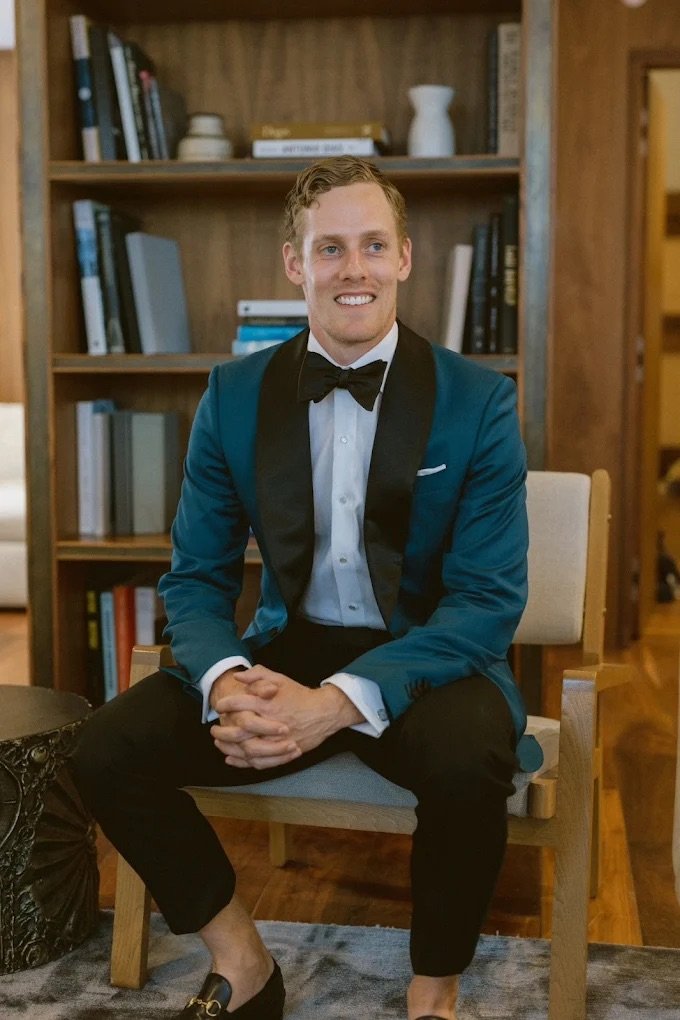
How Black Tie Optional Differs From Strict Black Tie
Strict black tie means a tuxedo is required. The host expects every male guest in a black or midnight blue dinner jacket with matching trousers, a white dress shirt, a black bow tie, and black formal shoes. There is very little room for interpretation.
Black tie optional loosens that requirement. A tuxedo is still the gold standard and will never look out of place, but a dark suit, think navy or charcoal, paired with a white shirt and a conservative tie, is equally acceptable. The overall aesthetic of the event remains formal, but the door is open for guests who prefer a suit.
Another difference is in the accessories. With strict black tie, the bow tie is standard. With black tie optional, you can wear a long tie in a solid, dark color, or a bow tie. Both are acceptable. Pocket squares are expected in both cases, but cufflinks and formal shoes remain a must regardless of which outfit you choose.
Black Tie vs Black Tie Optional vs Black Tie Preferred
If you have ever been confused by the difference between black tie, black tie optional, and black tie preferred, you are not alone. These three dress codes sound similar but communicate slightly different expectations. Understanding the distinction will help you choose the right outfit and avoid standing out for the wrong reasons.
Black Tie
Black tie is the most formal of the three. A tuxedo is required, not suggested. The host expects you in a dinner jacket, formal trousers with a satin stripe, a white shirt, a black bow tie, and black patent or highly polished leather shoes. If the invitation says "black tie" without any qualifiers, wear a tuxedo. There is no suit alternative. For a deeper dive, check out our black tie attire guide.
Black Tie Optional
As we have covered, black tie optional gives you the choice between a tuxedo and a dark suit. Both are equally acceptable, and the host will not judge you for choosing one over the other. The key is that whatever you choose must be styled formally. A dark suit with a white shirt, a solid or subtly patterned tie, a pocket square, and polished black shoes meets the standard.
Black Tie Preferred
Black tie preferred is a subtler message. The host wants you in a tuxedo but acknowledges that some guests may not have access to one. It is a softer way of saying "wear a tuxedo if you can, but a dark suit is acceptable if you cannot." In practice, the difference between black tie preferred and black tie optional is minimal. If you own a tuxedo or can comfortably rent one, wear it. If not, a dark suit is fine. At Bespoke By CB, we generally recommend that if you are on the fence and the invitation says "preferred," lean toward the tuxedo.
The table below summarizes the distinction:
Black Tie: Tuxedo required. No exceptions.
Black Tie Optional: Tuxedo or dark suit. Both equally welcome.
Black Tie Preferred: Tuxedo strongly encouraged, dark suit accepted as a fallback.
What to Wear as a Man: Black Tie Optional
Now that you understand what the dress code means, let us get specific about what you should actually wear. As a man attending a black tie optional event, you have two primary paths: the tuxedo path and the dark suit path. Both are correct, but they require different styling choices.
The first decision is whether to wear a tuxedo or a suit. If you own a tuxedo, or if the event is particularly formal, like a evening wedding or a high-profile gala, the tuxedo is the stronger choice. It immediately signals that you understand the gravity of the occasion and have dressed accordingly. A custom tuxedo from Bespoke By CB ensures the fit is impeccable, which is the single most important factor in how formalwear looks.
If you do not own a tuxedo, or if you simply prefer a suit, the dark suit path is perfectly acceptable. The key is choosing the right suit and styling it with formal elements. A navy or charcoal suit in a medium-to-heavy fabric, paired with a crisp white shirt, a solid dark tie or a conservative pattern, a white pocket square, and black leather oxfords, will look elegant and appropriate.
Here is a quick checklist for either option:
Tuxedo path: Black or midnight blue dinner jacket, formal trousers, white shirt, black bow tie or black long tie, black patent or polished oxfords, pocket square, cufflinks.
Suit path: Navy or charcoal suit, white shirt, solid dark tie, white pocket square, black polished oxfords, cufflinks.
Notice that both paths share certain elements: a white shirt, a pocket square, cufflinks, and polished black shoes. These are non-negotiable. The formality of the occasion demands attention to these details, and skipping them will make your outfit look incomplete.
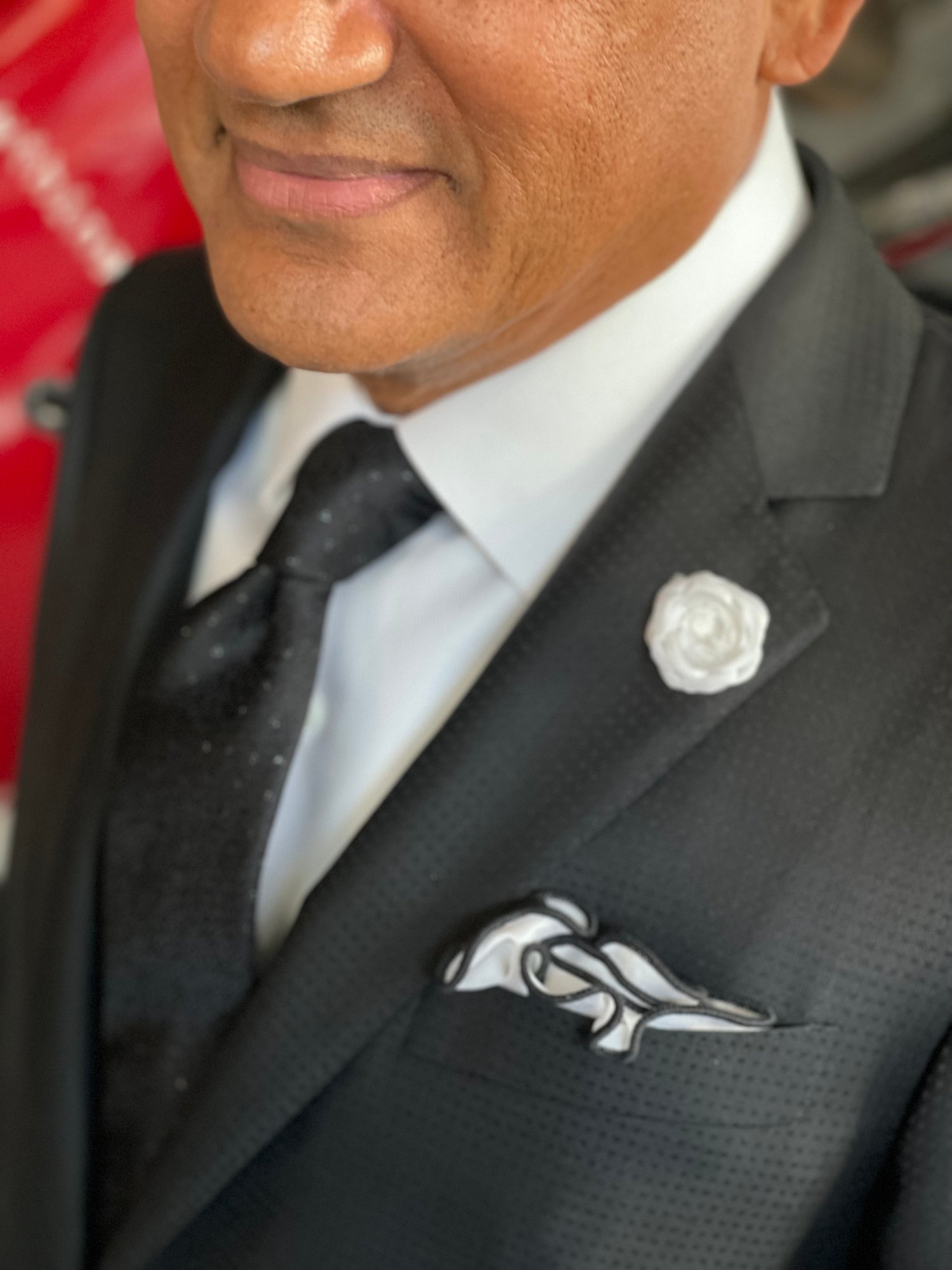
The Dark Suit Option: Making a Suit Look Formal Enough
If you choose the suit path, the goal is to make your suit look as formal as possible without turning it into a pseudo-tuxedo. The suit itself, the shirt, the tie, and the accessories all work together to elevate the look.
Choosing the Right Suit
The suit should be navy or dark charcoal. Black suits are also acceptable, though they can look a bit flat. Avoid lighter colors like grey, blue, or anything with a visible pattern, unless it is a very subtle texture. The fabric should have some weight to it. A wool or wool-blend suit in a 10-to-12 ounce fabric drapes well and looks more formal than a lightweight summer suit. At Bespoke By CB, we often recommend a hopsack or twill weave for black tie optional events because the texture adds depth without looking casual.
The fit is critical. A suit that is too loose looks sloppy, and one that is too tight looks uncomfortable. A custom suit solves this problem entirely because it is built to your exact measurements. If you are working with an off-the-rack suit, make sure it is tailored. The jacket should hug your shoulders, the sleeves should end at your wristbone, and the trousers should have a clean break.
The White Shirt
A white dress shirt is essential. It is the foundation of the formal look. Avoid colored or patterned shirts. A plain front or subtle pleated front both work, but skip the extreme spread collar unless you are wearing a bow tie. A semi-spread or point collar is versatile and looks clean with a long tie.
The Tie
With a suit, a long tie is the natural choice. Stick to solid colors: black, dark navy, or deep burgundy. A textured silk tie, like a grenadine or a satin weave, adds a touch of formality. Avoid knit ties, which read as too casual, and avoid anything with a loud pattern. If you prefer a bow tie, a black silk bow tie is an excellent choice and will make your suit look closer to a tuxedo without crossing the line.
The Pocket Square
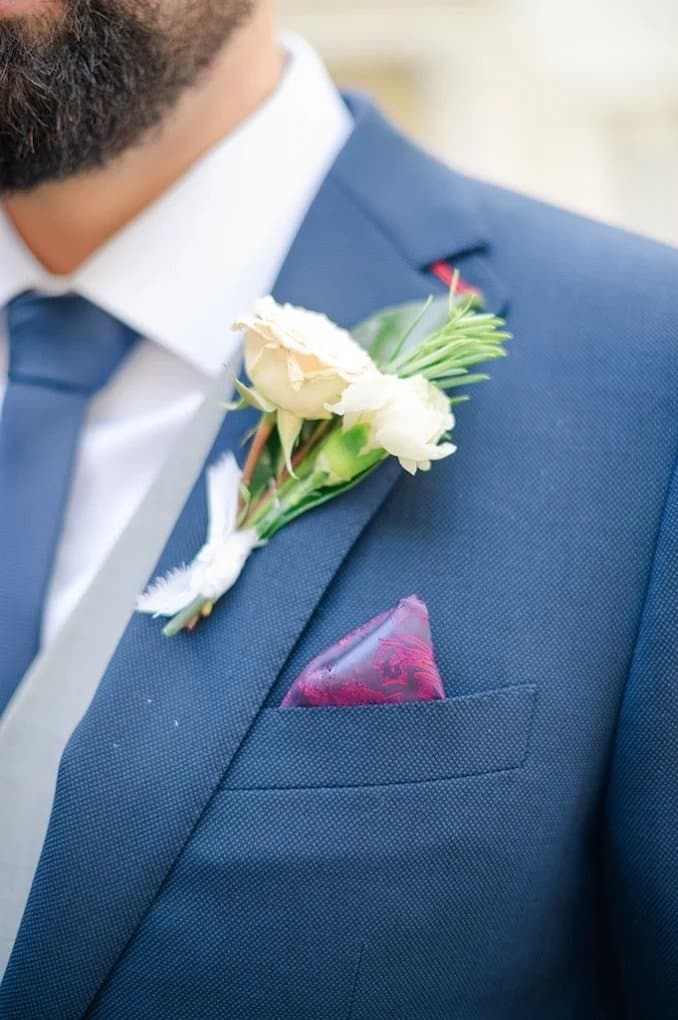
A white pocket square is the easiest way to elevate a dark suit. Fold it in a straight or slightly puffed fold and place it in your breast pocket. It is a small detail, but it immediately signals that you understand formal dressing. Bespoke By CB includes pocket squares with all of our formal suit commissions because we know how much they matter.
Cufflinks and Details
Cufflinks are a must if your shirt has French cuffs. Even if you are wearing barrel cuffs, a formal watch, a black leather belt (or side-adjusters if your suit has them), and well-polished shoes complete the look. These small details are what separate a man who tried from a man who nailed it.
The Tuxedo Option: Always Acceptable, Always Elegant
If you choose the tuxedo path, you are making a statement that you take the occasion seriously. A tuxedo at a black tie optional event is always appropriate and will never be questioned. The host wrote "optional" to give you flexibility, not to discourage you from dressing up.
When to Choose a Tuxedo Over a Suit
There are several situations where the tuxedo is the better choice. First, if the event is an evening wedding, especially one starting after 6:00 PM, a tuxedo is the traditional and most elegant option. Second, if you are close to the host or part of the wedding party, a tuxedo shows respect for the significance of the event. Third, if you already own a tuxedo, this is the time to wear it. Owning a tuxedo and choosing a suit instead would be like owning a sports car and taking the bus to a race.
At Bespoke By CB, we have been crafting custom tuxedos for over three decades. Christian Boehm, our founder, has dressed thousands of men for black tie events, and the advice he gives is consistent: if you attend more than one formal event per year, invest in a tuxedo. The cost per wear drops quickly, and you will always look better in something that fits you perfectly than in a rental that fits no one perfectly.
How to Style a Tuxedo for Black Tie Optional
Styling a tuxedo for black tie optional is straightforward. A black or midnight blue dinner jacket, formal trousers with a satin stripe, a white shirt with a covered or turndown collar, a black silk bow tie, black patent oxfords or highly polished black calf oxfords, a white pocket square, and cufflinks. You can wear a cummerbund or a waistcoat, but they are not required, especially with a well-fitted jacket.
If you want to add a personal touch, consider a midnight blue tuxedo instead of black. Midnight blue looks darker than black under artificial light and has a subtle richness that stands out without being flashy. A velvet dinner jacket in deep navy or burgundy is another option for winter events, but it borders on statement-making, so only choose it if you are confident in your style.
Shoes and Accessories for Black Tie Optional
Shoes and accessories are where many men get black tie optional wrong. The right shoes and finishing details can make a good outfit look great, and the wrong ones can undermine an otherwise solid choice.
Shoes
Black leather oxfords are the standard. They should be highly polished, and ideally plain-toe or cap-toe. Patent leather oxfords are appropriate if you are wearing a tuxedo, but they are not required. What is required is that your shoes are black, leather, closed-laced, and polished to a shine. Avoid loafers, monk straps, brogues, and anything in brown or burgundy. Even very nice brown shoes do not belong at a black tie optional event.
If you are wearing a tuxedo, patent leather oxfords or opera pumps are the most formal option. If you are wearing a suit, well-polished black calf leather oxfords are perfect. The key is that the shoes should look intentional and formal, not like something you grabbed from your everyday rotation.
Tie vs Bow Tie
Both are acceptable for black tie optional. If you are wearing a tuxedo, a bow tie is the traditional choice. If you are wearing a suit, a long tie in a solid, dark color is more natural. However, you can wear a bow tie with a suit, and it will make the look more formal. Similarly, you can wear a long black tie with a tuxedo, though it is less conventional. At Bespoke By CB, we generally recommend matching the tie to the outfit: bow tie with tuxedo, long tie with suit.
Cufflinks
Cufflinks are expected. They do not need to be flashy. Simple silver or black cufflinks are the most versatile and the most appropriate for formal events. Avoid novelty cufflinks. They might be fun, but they undermine the elegance of the occasion. A pair of brushed silver knot cufflinks or onyx set cufflinks will serve you for years.
Pocket Square
A white pocket square in linen, silk, or cotton is the classic choice. It can be worn with both a tuxedo and a suit. A straight fold is the most formal, but a slightly puffed fold is also acceptable. Avoid patterned or colored pocket squares for black tie optional, as they can look out of place against the formal backdrop.
Watch and Other Accessories
A simple, elegant watch on a black leather strap is appropriate. Avoid sport watches, digital watches, or anything with a metal bracelet. A formal dress watch with a white dial and thin profile is ideal. Skip bracelets, rings beyond a wedding band, and any other jewelry that draws attention away from the clean lines of your outfit.
What Not to Wear to a Black Tie Optional Event
Understanding what to wear is only half the battle. Knowing what to avoid is equally important. Here are the most common mistakes we see at Bespoke By CB when men interpret the black tie optional dress code.
Light-colored suits: Tan, light grey, light blue, and cream suits are too casual for black tie optional. Stick to navy or charcoal.
Sport coats and blazers with odd trousers: Even if the blazer is dark, pairing it with mismatched trousers reads as business casual, not formal.
Brown shoes: Black shoes are the only acceptable choice. Brown, no matter how nice, is wrong for this dress code.
Knit ties or casual fabrics: Knit ties, cotton ties, and linen accessories are too casual. Choose silk.
Colored or patterned shirts: A white shirt is the only correct choice. Even light blue is too casual for this level of formality.
Loafers or slip-ons: Even black leather loafers are too casual. Wear lace-up oxfords.
Rent a tuxedo that does not fit: If you choose the tuxedo path, make sure it fits. A bad-fitting tuxedo looks worse than a good-fitting suit. This is where a custom tuxedo from Bespoke By CB makes the difference.
Novelty accessories: Novelty ties, bright pocket squares, themed cufflinks, and other attention-seeking accessories do not belong at a formal event.
Visible socks that are not black: If your socks show, they should be black and over-the-calf. No ankle socks, no patterns.
Untrimmed facial hair or unkempt grooming: Formal dress requires formal grooming. A clean shave or a neatly trimmed beard is part of the package.
Black Tie Optional for Weddings
Weddings are the most common setting for black tie optional dress codes. Couples choose it because it allows them to set a formal tone without forcing every guest to rent a tuxedo. But weddings come with their own set of nuances, and your role in the wedding affects how you should interpret the dress code.
If You Are a Guest
As a guest, you have full flexibility. A dark suit or a tuxedo are both welcome. The key is to dress respectfully and avoid anything that could upstage the wedding party. If the groom and groomsmen are in tuxedos, a dark suit is perfectly fine for you as a guest. If they are in suits, you can still wear a tuxedo, but you might prefer a suit to match the overall tone. When in doubt, a navy suit with a white shirt and a dark tie is the safest, most versatile choice for a wedding guest.
If You Are the Groom
If you are the groom, the calculus changes. Even if the dress code is black tie optional, you and your groomsmen should set the tone. If you want a formal wedding, wear a tuxedo and have your groomsmen in tuxedos or matching dark suits. The groom should always be the best-dressed person in the room. At Bespoke By CB, we specialize in wedding formalwear, and we recommend that grooms choose a custom tuxedo or a custom suit that is distinct from what the groomsmen wear, either through a different fabric, a different lapel style, or a subtle detail that sets you apart.
If You Are in the Wedding Party
If you are a groomsman, follow the groom's instructions. He may want everyone in matching tuxedos, matching suits, or a mix. Your job is to complement the wedding party, not to make your own statement. If the groom says tuxedos, wear a tuxedo. If he says dark suits, wear a dark navy or charcoal suit with a white shirt and the tie he has chosen.
Wedding-Specific Considerations
Consider the time of day, the venue, and the season. An evening wedding at a grand hotel calls for a tuxedo more than an afternoon wedding at a garden venue. A winter wedding in December feels more natural with heavier fabrics and darker colors. A summer wedding, especially outdoors, may call for a lighter approach, but the black tie optional standard still applies. For a more detailed breakdown, our complete black tie guide covers seasonal and venue-specific considerations.
Black Tie Optional in Miami and South Florida
Dressing for black tie optional in Miami and South Florida comes with unique challenges. The climate is warm year-round, and the humidity can make heavy fabrics uncomfortable. But the formality of the dress code does not change just because the weather is hot. You still need to look formal, you just need to be smart about how you get there.
At Bespoke By CB, we have been dressing Miami men for over 37 years, and we have developed a deep understanding of how to balance formality with comfort in a tropical climate. Here are our top recommendations for black tie optional events in South Florida.
Fabric Choices for Warm Weather
Choose lightweight wool, typically 8 to 9 ounces, in a breathable weave. Tropical wool and high-twist fabrics are excellent choices because they retain the structure and drape of a formal suit while allowing air to circulate. Avoid linen and cotton, which wrinkle easily and look too casual for black tie optional. If you are wearing a tuxedo, look for a lightweight wool barathea, which is formal but breathable.
Color Considerations
Navy and charcoal are still the right colors, even in Miami. Resist the temptation to go lighter. The formality of the occasion demands a dark suit, regardless of the temperature. If you are wearing a tuxedo, black is standard. Midnight blue is also a great choice and can look very elegant in the South Florida evening light.
Venue-Specific Tips
If the event is outdoors, especially on a terrace or at a beachfront venue, consider the humidity. A suit will hold up better than a tuxedo in these settings because the fabrics are generally more breathable. If the event is indoors, which most Miami galas and formal weddings are, you can wear a tuxedo comfortably. The air conditioning in venues like the Biltmore, the Faena, or the Mandarin Oriental will keep you cool regardless of what you are wearing.
Miami's Culture of Elegance
Miami has a unique culture of elegance. The city's social scene includes charity galas, art openings, and formal weddings that rival any in the country. At Bespoke By CB, we have dressed men for every major social event in Miami, from the Orchid Ball to the Make-A-Wish Gala, and the standard is high. Miami men know how to dress, and a black tie optional event in this city is an opportunity to show that you belong in that culture. A well-fitted custom suit or a custom tuxedo from Bespoke By CB ensures you will.
How Bespoke By CB Can Help You Dress for Any Dress Code
At Bespoke By CB, we have spent over 37 years perfecting the art of formal menswear. Our founder, Christian Boehm, built this house on the belief that every man deserves to look his best, and that the right clothing is not about following rules but about understanding them well enough to express yourself within them.
When you come to Bespoke By CB for a black tie optional event, we start with a conversation. We want to know about the event, the venue, the time of day, your role, and your personal style. From there, we help you decide whether a tuxedo or a dark suit is the right choice, and we guide you through fabric, fit, and styling options.
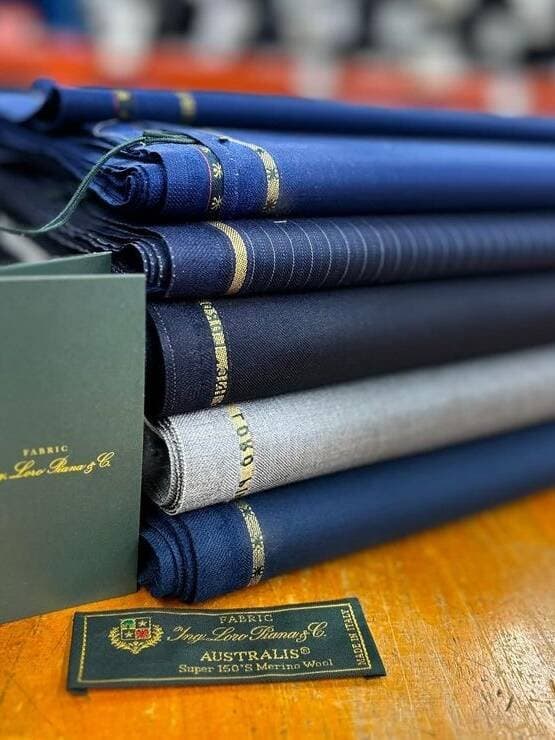
Our process is built around three principles: fit, fabric, and finish. Fit is the foundation. A garment that fits your body perfectly will always look better than one that fits almost. Fabric is the personality. We source the finest mills in the world, from Loro Piana to Holland and Sherry, to give you options that suit both the occasion and the climate. Finish is the detail. The pocket square, the cufflinks, the choice of lapel, the break of the trouser, these are the elements that elevate a good outfit to a great one.
Whether you need a custom tuxedo for a gala, a custom suit for a wedding, or simply advice on how to style what you already own, Bespoke By CB is here for you. We offer consultations at our Miami atelier, where you can see and feel the fabrics, discuss your needs, and begin the process of creating something that is uniquely yours.
Book a consultation with Bespoke By CB and let us help you show up to your next black tie optional event with confidence, elegance, and a fit that turns heads for all the right reasons.
Frequently Asked Questions
Is a suit acceptable for black tie optional?
Yes, a dark suit is completely acceptable. In fact, that is the entire point of the "optional" designation. A navy or charcoal suit paired with a white shirt, a dark tie, a pocket square, and black polished oxfords is an appropriate and elegant choice. At Bespoke By CB, we recommend choosing the suit that fits you best, because fit matters more than whether you choose a suit or a tuxedo.
Do I need to wear a tuxedo to a black tie optional event?
No, a tuxedo is not required. It is always welcome and will never look out of place, but it is not mandatory. If you own a tuxedo and the event is an evening affair, wearing it is a strong choice. If you do not own one and would need to rent, a well-tailored dark suit is a better option than an ill-fitting rental.
Can I wear a colored suit to a black tie optional event?
Generally, no. Stick to navy or dark charcoal. Lighter colors, patterns, and non-traditional suit colors like deep burgundy or forest green are risky. While they can work in very specific, fashion-forward contexts, they are more likely to look out of place at a formal event. If you want to express personality, do it through subtle details like a textured tie, a midnight blue tuxedo, or a velvet dinner jacket, not through the color of your suit.
What shoes should I wear with black tie optional attire?
Black leather oxfords are the standard. They should be closed-laced, highly polished, and free of heavy broguing. Patent leather oxfords are ideal with a tuxedo, while well-polished calf leather oxfords work perfectly with a dark suit. Avoid loafers, monk straps, brown shoes of any shade, and anything with a rubber sole.
Is a long tie acceptable, or do I need a bow tie?
A long tie is perfectly acceptable for black tie optional. If you are wearing a tuxedo, a bow tie is the traditional choice and generally looks more appropriate. If you are wearing a suit, a long tie in a solid dark color, like black, navy, or burgundy, is the natural pairing. You can wear a bow tie with a suit, but it will push the look toward the formal end of the spectrum.
What if I am the groom at a black tie optional wedding?
As the groom, you should set the tone for the wedding party. Even though the dress code is optional, you should choose the more formal option. A custom tuxedo is our recommendation for grooms at black tie optional weddings. Coordinate with your groomsmen so they either match you in tuxedos or complement you in matching dark suits. Your outfit should be distinct, either through fabric, lapel style, or a subtle detailing that sets you apart as the groom. At Bespoke By CB, we specialize in wedding formalwear and can help you design a look that is uniquely yours while keeping the wedding party cohesive.
Can I wear a tuxedo jacket with different trousers?
It is not recommended. A dinner jacket should be worn with its matching formal trousers. Pairing a tuxedo jacket with standard suit trousers looks incomplete and can come across as though you forgot the rest of your tuxedo. If you want the formality of a tuxedo, commit to the full look. If you prefer separates, a dark suit is the better path. For more guidance, our black tie attire guide covers tuxedo styling in detail.