Walking into a professional setting in the wrong suit is like showing up to a construction site with the wrong tools. The garment might look fine on its own, but it will not serve the purpose the moment demands. Most men own one or two suits and wear them to every occasion, from job interviews to weddings to charity galas. The result is a wardrobe that works for nothing specifically and fails at everything generally.
Building a professional suit wardrobe is not about owning as many suits as possible. It is about owning the right suits, each one chosen to serve a specific set of occasions and work together as a system. At Bespoke By CB, Christian Boehm has spent over 37 years helping Miami professionals build wardrobes where every suit earns its place. Here is the complete breakdown of the essential suit types every professional man needs.
The Navy Suit: Your Foundation
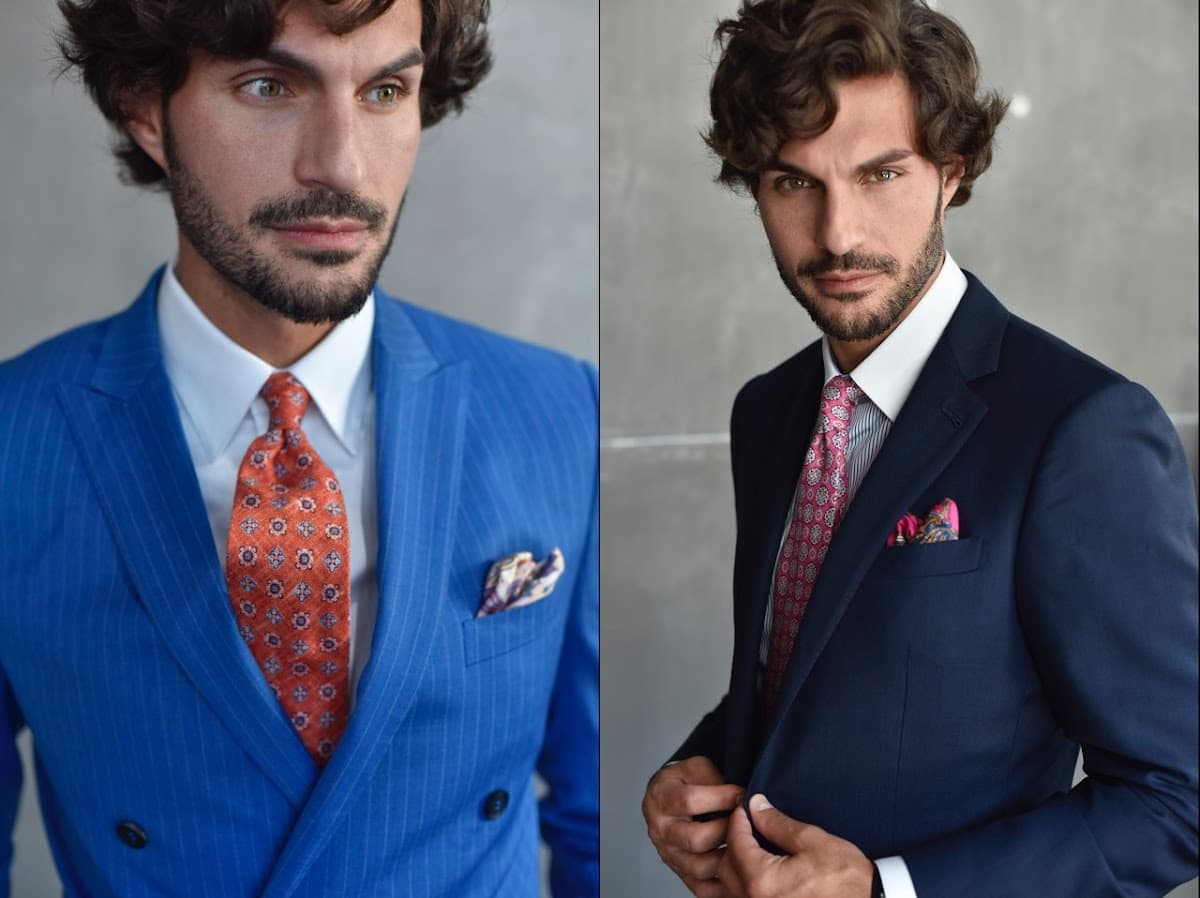
If you own only one suit, it should be navy. Navy is the most versatile color in menswear because it works across virtually every professional and social occasion. It reads as authoritative without being severe, approachable without being casual, and appropriate without being forgettable. In Miami, a navy suit in tropical wool is appropriate eleven months out of the year.
A navy suit pairs naturally with white and light blue shirts, burgundy and navy ties, and brown or black shoes. It works for job interviews, client meetings, court appearances, board presentations, networking events, and evening dinners. No other suit color offers this range of versatility. When Christian Boehm builds a wardrobe from scratch for a new client, navy is always the first suit he recommends.
The ideal navy suit for a Miami professional is a two-button, single-breasted model in tropical wool, Super 110s to Super 130s. Notch lapels are the most versatile choice. Flat-front trousers with a moderate taper work for most body types. This single suit covers roughly 80 percent of all professional occasions you will encounter.
The Charcoal Suit: Authority and Weight
Charcoal grey is the second suit you should own. Where navy is approachable, charcoal is commanding. It carries a visual weight that reads as serious, experienced, and authoritative. In professional settings where you need to project gravitas, charcoal is more effective than navy.
Charcoal pairs well with white, light blue, and pale pink shirts. Ties in burgundy, navy, and deep green provide strong contrast. Brown shoes work well with charcoal, though black is equally appropriate for more formal occasions. Charcoal is the standard choice for court appearances, annual reviews, serious negotiations, and any setting where you want to be taken at your word.
In Miami, charcoal should be in the same tropical wool weight as your navy suit so both wear consistently and you can rotate them evenly. A slightly heavier 10 to 12 ounce charcoal flannel is worth adding for the cooler months when you want warmth and the textured, slightly fuzzy finish that flannel provides. This gives you two distinct looks from the same color family.
The Medium Grey Suit: The Bridge
Medium grey occupies the space between navy and charcoal. It is less formal than charcoal but more serious than light grey. It is less approachable than navy but more interesting than black. Medium grey is the bridge suit that connects your formal and casual options.
Where medium grey really shines is in social and semi-formal settings. A medium grey suit with a patterned pocket square and polished brown oxfords is one of the most reliable combinations for cocktail parties, dinner dates, gallery openings, and evening events that fall somewhere between business and formal. It gives you a dressed-up look without the rigidity of navy or charcoal.
Medium grey also takes patterns exceptionally well. A subtle glen check, sharkskin, or birdseye in medium grey adds visual texture to your rotation without sacrificing professionalism. A patterned grey suit is often the most interesting garment in a professional wardrobe and the one that gets the most compliments.
The Light Grey or Khaki Suit: Summer Professional
Miami professionals need a warm-weather suit that maintains professionalism while acknowledging the climate. Light grey or khaki serves this purpose better than any other option. These lighter tones reflect heat rather than absorb it, and they pair naturally with the lighter shirts and accessories that feel right in South Florida.
A light grey suit in a linen-wool blend is one of the best investments a Miami professional can make. It breathes, it looks intentional, and it bridges the gap between a full linen suit (too casual for many offices) and a tropical wool suit in dark colors (still too warm for July and August). Pair it with a white shirt, no tie, and brown loafers for a look that reads as polished but relaxed.
Khaki or tan suits occupy similar territory but lean slightly more casual. A khaki suit is ideal for outdoor events, daytime meetings, and weekend professional functions. In a cotton or cotton-blend fabric, khaki reads as smart casual. In a wool or wool-blend, it reads as business casual. Choose the fabric based on the occasions you will attend most.
The Black Suit: Evening and Formal
The black suit occupies a specific and important niche in a professional wardrobe. It is not an everyday work suit. Black is the most formal solid color available, and wearing it too often diminishes its impact. Reserve your black suit for evening events, formal dinners, cocktail parties, and any occasion that calls for a heightened level of dress.
A black suit with a white shirt and black tie is the most formal non-tuxedo combination available to a man. It is appropriate for evening charity events, awards ceremonies, and formal restaurant dinners. With a dark shirt and no tie, it transitions into a sophisticated evening social look.
In Miami, black suits should be in a lightweight tropical wool or a wool-silk blend. The silk content adds a subtle luster that catches light beautifully in evening settings, making the garment look more expensive and more appropriate for formal occasions than a flat matte black wool.
The Patterned Suit: Visual Interest
Once your foundational solid suits are in place, a patterned suit adds visual interest to your rotation. Patterns break up the monotony of solid navy and grey and give you something distinctive to wear when you want to stand out without being flashy.
Pinstripes: The most traditional pattern for business suits. Pinstripes project authority and are closely associated with finance and law. A navy pinstripe suit is the quintessential Wall Street look, but it works equally well for Miami professionals in banking, investment, and corporate leadership. Keep the stripes subtle and closely spaced for the most refined appearance.
Windowpane: A bolder pattern that reads as confident and fashion-aware. Windowpane suits work best in medium grey or navy with a subtle contrasting windowpane overlay. They are more appropriate for creative and social settings than conservative professional ones.
Glen check or Prince of Wales: The most sophisticated of the classic patterns. A glen check suit in grey or brown reads as Old World elegance and works beautifully for professionals who want to look distinguished rather than trendy. This is a power pattern for men who understand style.
Houndstooth: A smaller, more textured pattern that works well in blazers and sport coats. A houndstooth blazer paired with solid grey trousers is one of the most versatile separates in menswear and a great addition to any professional wardrobe.
The Tuxedo: Formal Anchor
Every man who attends formal events needs a tuxedo. Renting is acceptable for rare occasions, but if you attend even one black tie event per year, owning a custom tuxedo is a better investment. Rentals never fit properly, and the difference in appearance between a rented and a custom tuxedo is immediately visible to anyone who knows menswear.
A black tuxedo with a satin-faced lapel, matching satin stripe down the trouser leg, and a white formal shirt is the foundation of formal menswear. Peak lapels or a shawl collar are both appropriate. The choice depends on your body type and personal preference. Peak lapels add breadth to the shoulders and work well for slimmer builds. Shawl collars create a smoother, more rounded silhouette that works for broader frames.
At Bespoke By CB, Christian Boehm builds tuxedos in barathea wool, mohair blends, and wool-silk combinations. Each fabric serves a slightly different purpose. Barathea is the traditional choice with a pebbled texture that photographs beautifully. Mohair is lighter and has a natural sheen that works well in warm climates. Wool-silk blends offer the richest hand-feel and the most luxurious drape.
The Sport Coat: The Most Worn Garment
Strictly speaking, a sport coat is not a suit. But no professional wardrobe is complete without at least one. Sport coats are the most frequently worn tailored garment for men who work in business casual environments or who attend a mix of professional and social events.
A navy blazer is the most versatile sport coat you can own. It pairs with grey trousers, khakis, jeans, and even tailored shorts for outdoor Miami events. Brass buttons give it a traditional look, while dark horn buttons create a more modern, understated appearance.
Beyond navy, consider adding a textured sport coat in a pattern like houndstooth, glen check, or a subtle herringbone. These patterns add interest to your wardrobe and work well as separates when you do not need the formality of a full suit. A linen or linen-blend sport coat is essential for Miami summer events where a full suit would be uncomfortable.

The Three-Piece Suit: Maximum Formality
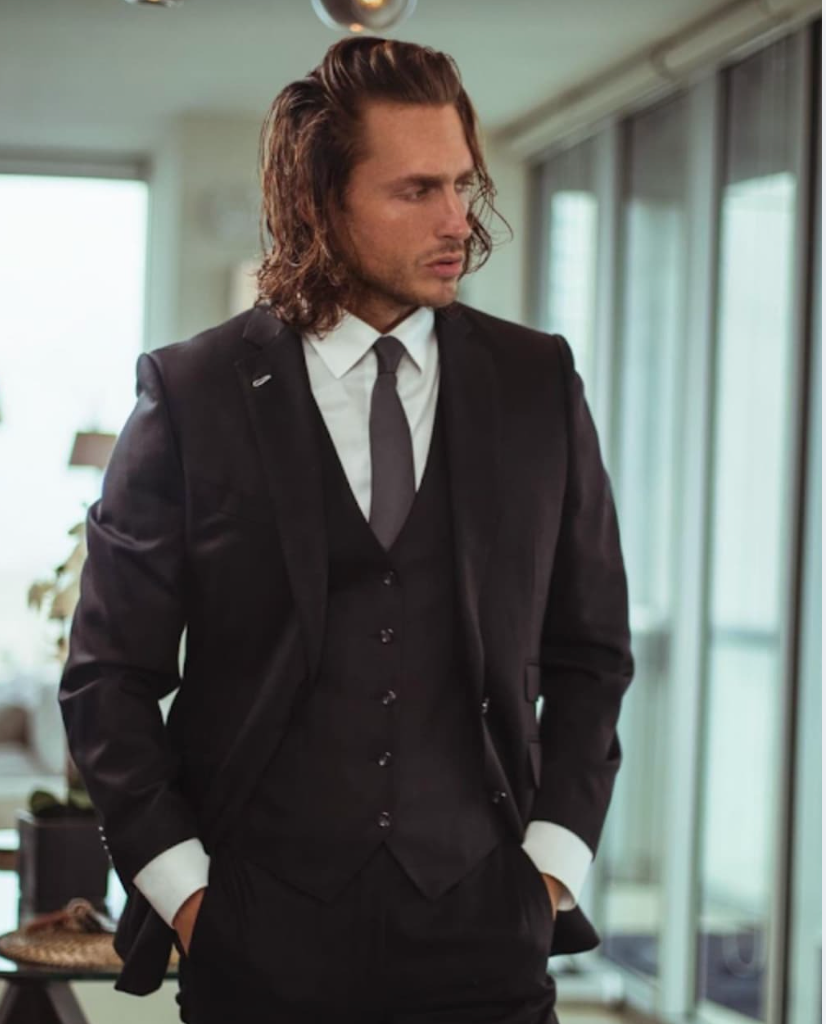
A three-piece suit includes a vest (waistcoat) in addition to the jacket and trousers. The vest adds a layer of formality and visual interest that a two-piece suit cannot match. Three-piece suits are appropriate for important presentations, formal business events, weddings, and any occasion where you want to project maximum authority and polish.
The vest should match the suit fabric and should be worn with the bottom button unfastened, following the traditional rule that ensures the garment drapes correctly. A well-fitted vest also provides a visual anchor for your tie and shirt, creating a clean, uninterrupted line from collar to waist that reads as extremely polished.
In Miami, three-piece suits are best reserved for air-conditioned indoor events. The additional layer of the vest adds warmth, which can be uncomfortable during outdoor occasions or in less climate-controlled venues. Choose lightweight tropical wool to minimize the heat impact.
Building Your Wardrobe in Phases
You do not need to buy every suit type at once. Christian Boehm recommends building in phases so you can wear and evaluate each garment before adding the next one. This approach also spreads the investment over time and ensures every purchase is informed by real experience.
Phase one (first year): Navy suit and charcoal suit. These two suits cover the vast majority of professional occasions. Choose the same fabric weight and weave for both so they wear consistently. Add a navy blazer for business casual days and social events.
Phase two (second year): Medium grey suit and a light grey or khaki suit for summer. Add a black suit if you attend evening events regularly. These additions round out your core rotation with a suit for every season and occasion.
Phase three (third year and beyond): Patterned suits, a tuxedo, a three-piece suit, and additional sport coats. These are the garments that add distinction and variety to your wardrobe. Choose each one based on the events you actually attend and the gaps you have identified in your rotation.
The Bespoke Advantage
Every suit type described above is available off the rack, but none of them will fit you as well as a custom garment. Off-the-rack suits are cut for average proportions, which means they fit almost nobody perfectly. The shoulders are slightly too wide or too narrow. The chest is slightly too loose or too tight. The waist suppression is too aggressive or not aggressive enough. The sleeves are too long or too short.
At Bespoke By CB, each suit is built from a pattern drafted specifically for your body. Christian Boehm takes over 30 individual measurements and builds the garment to match your exact proportions. The result is a suit that fits so cleanly that the color, fabric, and pattern become the focal point rather than the fit issues that distract from them.
A bespoke suit also lasts longer than an off-the-rack equivalent. Full canvas construction provides internal structure that drapes naturally and maintains its shape over years of wear. Fused construction, which is standard in most off-the-rack suits, uses adhesive to attach the chest piece to the shell fabric. This adhesive can degrade over time, causing the chest to bubble and the lapel to ripple. Full canvas suits do not have this problem.
To schedule a consultation and begin building your professional wardrobe, visit bespokecb.com or call (954) 498-8206. Christian Boehm will meet you at the Brickell showroom or arrange an in-home appointment anywhere in South Florida.
Frequently Asked Questions
How many suits does a professional man need?
For a basic professional wardrobe, two suits (navy and charcoal) plus a navy blazer will cover most situations. For a complete rotation that handles every season and occasion, aim for five to seven suits plus two to three sport coats. This gives you enough variety to rotate without repeating the same look too frequently.
What is the difference between a suit and a tuxedo?
A suit has self-faced lapels (the same fabric as the jacket body) and pairs with a dress shirt and tie. A tuxedo has satin-faced lapels, a satin stripe down the trouser leg, and is worn with a formal shirt and bow tie. Tuxedos are reserved for black tie events, while suits are appropriate for all other professional and social occasions.
Can I wear a black suit during the day?
You can, but it is not ideal. Black reads as very formal and is best reserved for evening events. During the day, navy or charcoal is more appropriate and more flattering for most skin tones. If you work in a very conservative industry where dark colors are standard, charcoal is a better daytime choice than black.
What suit fabric is best for Miami?
Tropical wool in the 7 to 9 ounce range is the best all-around choice for Miami. It breathes, drapes cleanly, and maintains its structure in humidity. For the hottest months, a linen-wool blend offers additional breathability while retaining enough structure for professional settings.
Should I buy a patterned suit as my first suit?
No. Your first suit should be a solid navy. Patterned suits are less versatile because the pattern limits what shirts, ties, and accessories you can pair with them. Build your foundation with solid colors first, then add patterns once your core rotation is established and you understand your preferences.