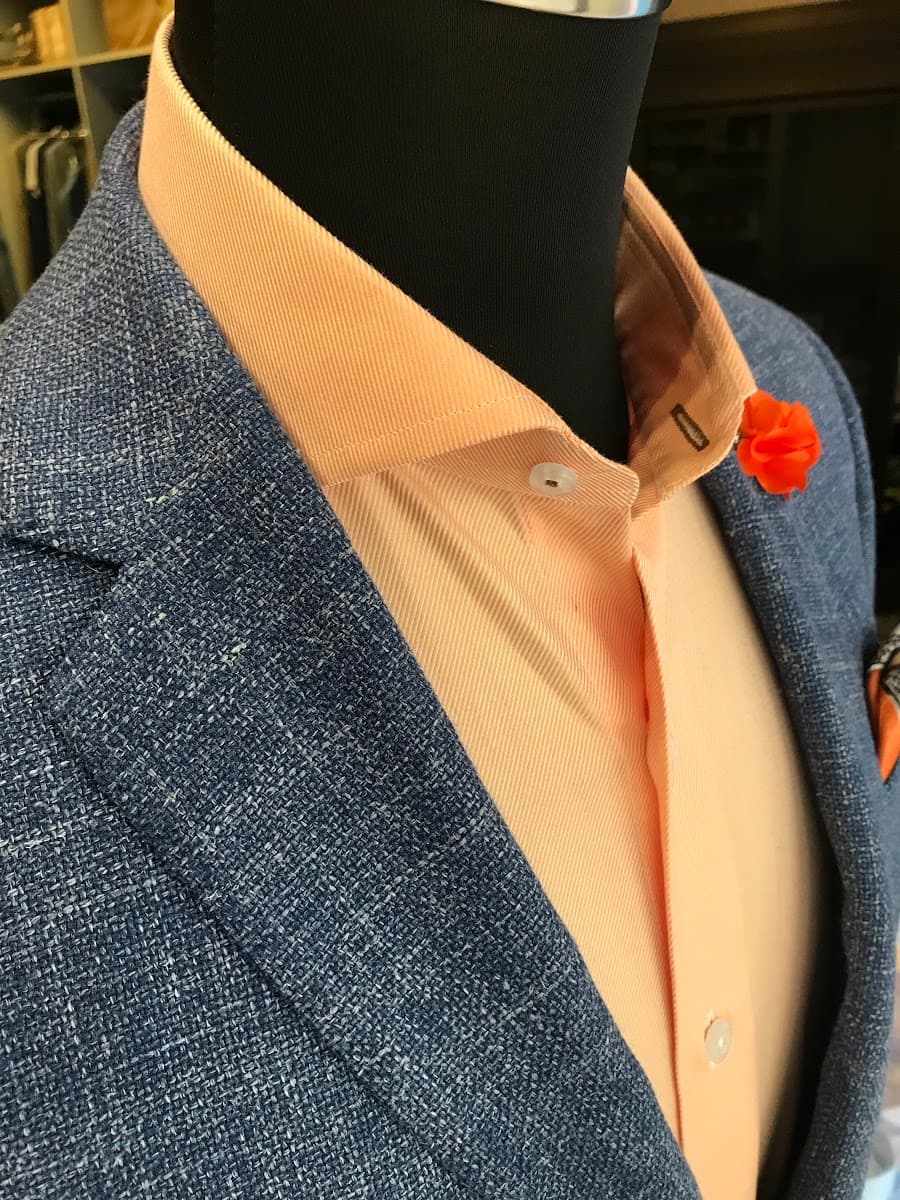
What Is Full Canvas Suit Construction?
When you hear a tailor mention "full canvas," they are referring to the internal structure of a suit jacket. A full canvas suit uses a layer of horsehair or camel hair interlining that runs the entire length of the jacket's front panels. This interlining is hand-basted or stitched to the outer fabric, allowing the suit to mold naturally to the wearer's body over time. It is the oldest and most labor-intensive method of building a jacket, and it remains the gold standard for serious tailoring.
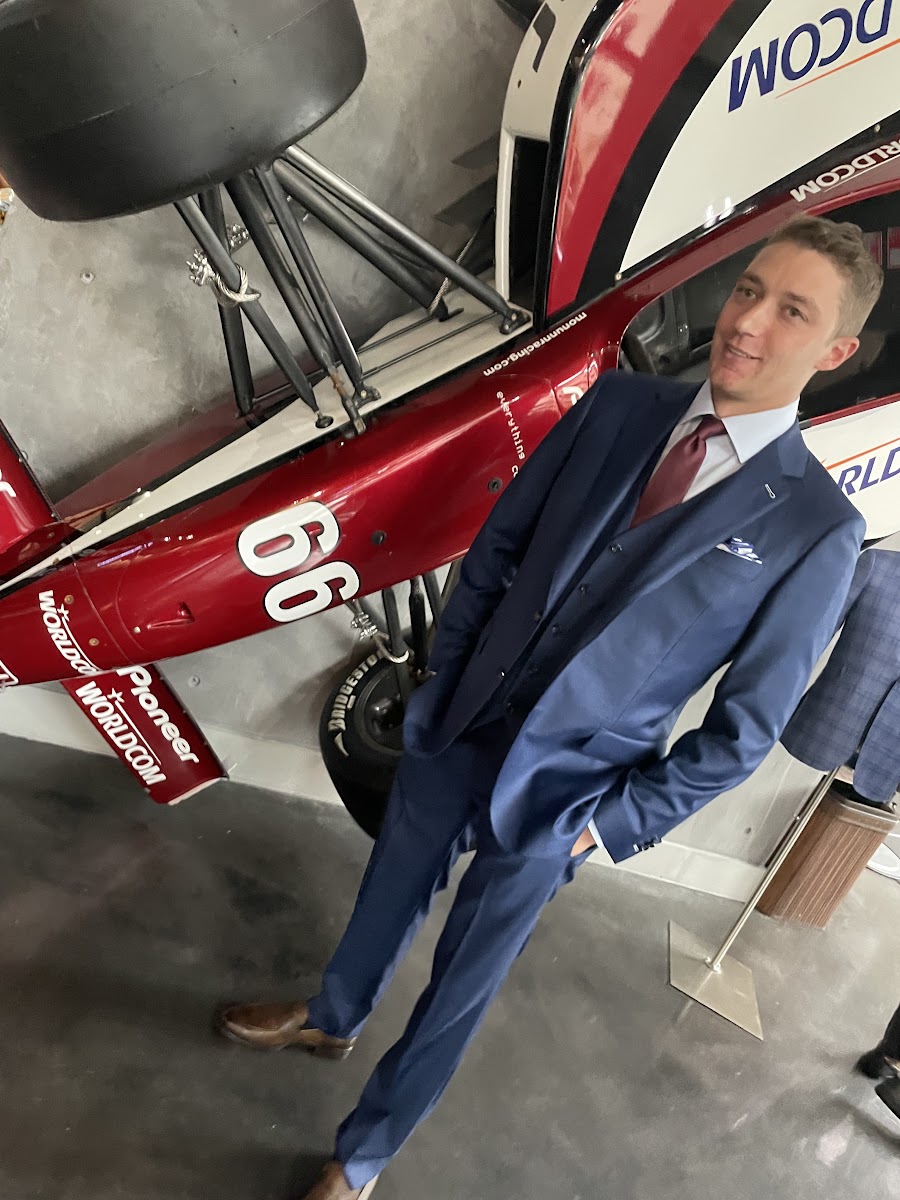
Unlike fused construction, where the interlining is glued to the outer fabric with heat-activated adhesive, full canvas allows the jacket to breathe, flex, and move independently. The result is a garment that feels lighter, drapes more elegantly, and improves with every wearing. At Bespoke By CB, every suit Christian Boehm builds relies on full canvas construction because nothing else delivers the same combination of comfort, durability, and refined appearance.
The Three Types of Suit Construction
Understanding the differences between suit construction methods helps you make a more informed investment. Here is what separates each approach.
Fused Construction
Fused jackets use adhesive to bond a synthetic interlining directly to the outer fabric. This is the fastest and cheapest method. Most off-the-rack suits under $500 use fused construction. While they can look sharp initially, fused jackets tend to develop bubbling or puckering over time as the glue degrades with dry cleaning and wear. They also trap heat, making them uncomfortable in warm climates like South Florida.
Half Canvas Construction
Half canvas is a middle ground. The canvas interlining extends through the chest and lapels but stops at the waist, with the lower portion fused. This gives you better drape and structure in the upper body while reducing production costs. Many mid-range custom clothiers use half canvas, and it is a reasonable option for men who want improved quality without the full investment.
Full Canvas Construction
Full canvas runs the entire length of the front panels, from the shoulder down to the hem. Every section of the jacket benefits from the canvas layer's ability to flex, shape, and conform. The lapels roll naturally. The chest fills out to match the wearer's posture. The skirt of the jacket follows the body's movement instead of fighting it. This is the standard at Bespoke By CB, and it is what separates a truly bespoke garment from everything else on the rack.
Why Full Canvas Matters in Miami's Climate
South Florida's heat and humidity put every garment to the test. Fused suits suffer the most in tropical conditions because heat accelerates the breakdown of adhesive bonding. After a few seasons of wear and professional cleaning, many fused jackets begin to show visible bubbling along the chest and lapels, a telltale sign that the construction is failing from the inside out.
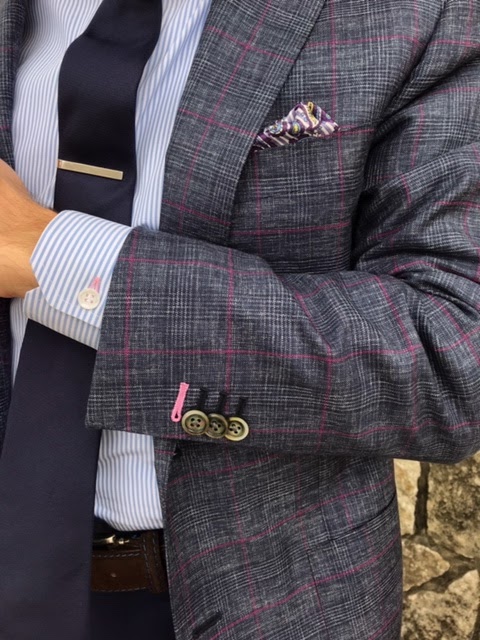
Full canvas construction avoids this problem entirely. Because there is no glue, there is nothing to degrade. The horsehair interlining actually performs better in humid conditions, allowing air to circulate between the layers of the jacket. Christian Boehm, with over 37 years of experience dressing Miami's professionals, has seen firsthand how fused suits deteriorate in the local climate. That experience is precisely why he insists on full canvas for every jacket that leaves his workroom.
For men who attend outdoor events, walk between meetings in Brickell, or simply need a suit that stays sharp from morning through evening in South Florida, full canvas is not a luxury. It is a practical necessity.
How Full Canvas Improves Fit Over Time
One of the most compelling advantages of full canvas construction is that the suit actually improves with wear. The canvas interlining gradually conforms to the wearer's unique body shape, creating a personalized fit that no amount of alteration can replicate. The chest learns your posture. The shoulders settle into your frame. The lapels develop a natural roll that reflects how you carry yourself.
This is the opposite of what happens with fused suits, which begin to lose their shape almost immediately. A full canvas jacket purchased today will look better in six months than it does on the first wearing, and it will continue to refine its fit for years. Many of Christian Boehm's long-standing clients have suits that are a decade old and still fit beautifully, because the canvas construction has molded itself to their body over thousands of wearings.
That kind of longevity is also a financial consideration. A well-constructed full canvas suit may cost more upfront, but it outlasts multiple fused replacements. When you calculate cost per wear, the full canvas garment almost always wins.
The Craftsmanship Behind Full Canvas
Building a full canvas suit requires significantly more skill and time than fused or half canvas alternatives. The canvas must be cut and shaped by hand to match the pattern of the outer fabric. It is then pad-stitched, a painstaking process where a tailor uses small, angled stitches to attach the canvas to the fabric while simultaneously shaping the chest and lapel. This pad-stitching is what gives a well-made lapel its characteristic roll, that gentle curve that sits perfectly flat against the chest without pressing or flattening.
At Bespoke By CB, the full bespoke process takes 8 to 12 weeks from the initial consultation to the final fitting. Multiple fittings ensure that the canvas layer is working in harmony with the outer shell and the client's body. Each fitting allows Christian Boehm to make precise adjustments that refine the drape, balance, and overall silhouette of the finished garment.
This level of attention is simply not possible with mass-produced suits, regardless of the brand name on the label. Full canvas construction demands hands-on expertise at every stage, from cutting the interlining to pressing the final seams.
How to Identify a Full Canvas Suit
If you are shopping for a suit and want to determine whether it uses full canvas construction, there is a simple test you can perform in any store. Pinch the outer fabric and the lining of the jacket just below the breast pocket. If you can feel a separate layer between them that moves independently, the suit has a canvas interlining. If the layers feel bonded together and do not separate, the jacket is fused.
Another indicator is the way the lapels behave. On a full canvas suit, the lapels will roll softly and naturally, returning to their original shape even after being pressed flat. Fused lapels tend to look stiffer and may crease if handled roughly.
The weight of the jacket can also be telling. Full canvas suits often feel slightly heavier in hand but paradoxically lighter on the body, because the construction allows the fabric to drape and distribute weight more evenly across the shoulders.
Full Canvas at Bespoke By CB: What to Expect
When you schedule a consultation with Christian Boehm, the conversation about construction begins at the very first appointment. He will walk you through fabric selection, discuss your lifestyle and wardrobe needs, and explain how full canvas construction will serve the specific suit you are commissioning. Whether it is a navy business suit, a grey tuxedo, or a summer-weight blazer for waterfront events, the canvas interlining is tailored to match the weight and behavior of the chosen fabric.
Consultations are available in-home or at a location convenient to you, anywhere from Miami to West Palm Beach. Christian brings the fabrics, the expertise, and over three decades of experience directly to your door. There is no showroom to visit, no appointment to rush through, and no off-the-rack compromise to settle for.
To begin building your next suit with full canvas construction, visit bespokecb.com and schedule your consultation today.
Frequently Asked Questions
What is the difference between full canvas and fused suit construction?
Full canvas uses a horsehair interlining stitched to the outer fabric, allowing the suit to mold to your body and improve with wear. Fused construction uses heat-activated adhesive to bond a synthetic lining, which can bubble and degrade over time, especially in warm climates like Miami.
Is a full canvas suit worth the extra cost?
Yes. Full canvas suits last significantly longer, fit better over time, and maintain their shape through years of wear and cleaning. When measured by cost per wear, a full canvas suit is often the more economical choice over the long term.
How long does it take to make a full canvas bespoke suit?
At Bespoke By CB, the full bespoke process takes 8 to 12 weeks from consultation to final fitting. This timeline allows for meticulous construction and multiple fittings to ensure a perfect result.
Can I get a full canvas suit in Miami?
Absolutely. Bespoke By CB, led by Christian Boehm with over 37 years of experience, offers full canvas bespoke suits throughout South Florida, from Miami and Brickell to Fort Lauderdale and West Palm Beach.
How do I know if my suit is full canvas?
Pinch the fabric below the breast pocket. If you feel a separate, movable layer between the outer fabric and the lining, the suit has a canvas interlining. If the layers feel bonded together, it is fused construction.