
Most men spend considerable time choosing suit colors, fabrics, and fits. Yet there is one detail that quietly shapes the entire personality of a jacket, and most people never give it a second thought. That detail is the lapel. The fold of fabric that frames your chest, draws the eye upward, and sends an immediate signal about the formality, style, and intention behind what you are wearing. Whether you are suiting up for a boardroom presentation, a black-tie gala at the Faena, or a Saturday evening dinner on Lincoln Road, your lapel choice matters more than you might realize.
At Bespoke By CB, we spend time with every client discussing lapel styles before a single measurement is taken. It is one of the first decisions in any suit or tuxedo build, and it sets the tone for everything that follows. This post breaks down the three main lapel types, explains when each one works best, covers pairing and proportion tips, and helps you make a confident choice the next time you step into a fitting.
What Exactly Is a Lapel?
Before diving into the three styles, it helps to understand the anatomy. A lapel is the folded flap of cloth on the front of a jacket, extending from the collar down to the button or buttons. The point where the collar meets the lapel is called the gorge, and its height, angle, and shape all influence how a lapel looks on your frame. Lapels can be narrow, medium, or wide, and they can sit at different angles on the chest. Every one of these variables affects proportion, but the most fundamental choice comes down to shape: notch, peak, or shawl.
The Notch Lapel: The Everyday Standard
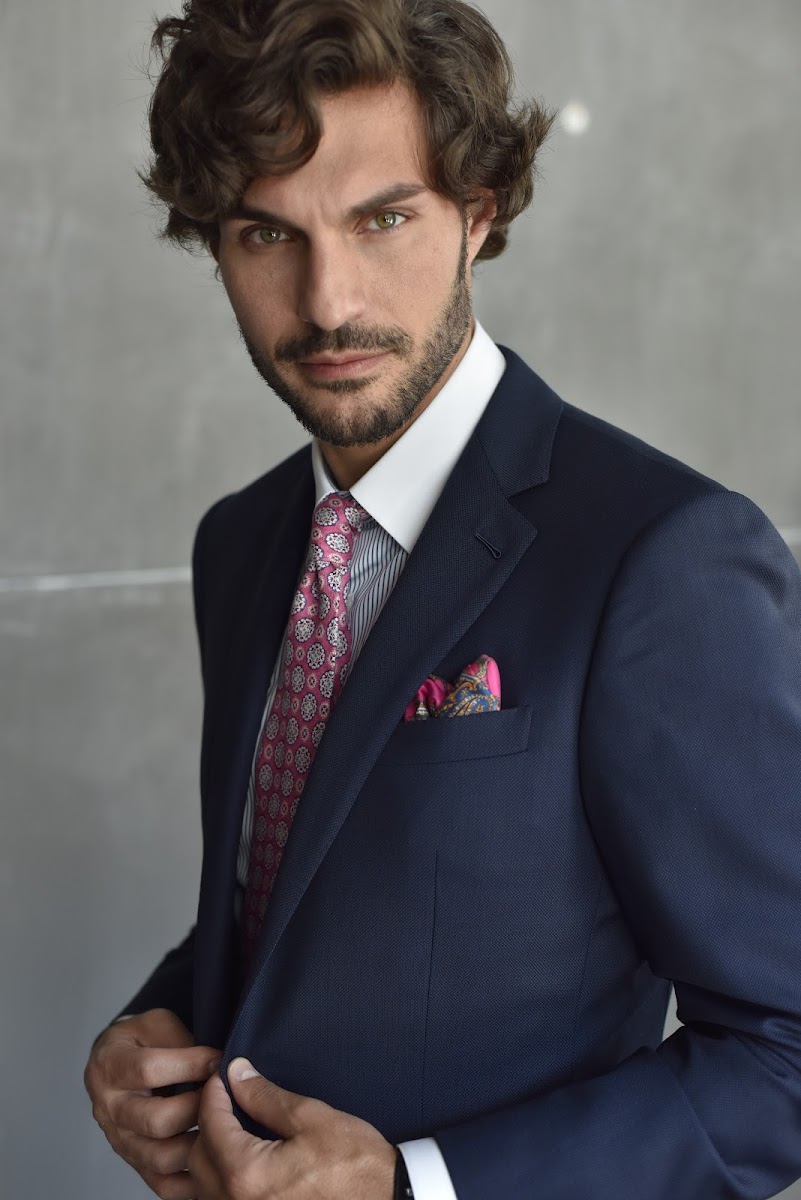
The notch lapel is the most common lapel style in menswear. If you pull a suit off the rack at any department store, there is a strong chance it features notch lapels. The defining characteristic is a triangular notch, or small V-shaped cutout, where the lapel meets the collar. That notch creates a clean visual break that reads as understated, versatile, and approachable.
When Notch Lapels Work Best
Notch lapels are the default choice for business suits, sport coats, and everyday blazers. If you work in a corporate office, attend client meetings, or simply want a go-anywhere jacket, notch lapels are the safe and polished option. They carry no implied formality beyond "well-dressed," which makes them incredibly flexible. A navy notch-lapel suit can go from a Monday morning staff meeting to a Friday dinner reservation without feeling overdressed or underdressed at either event.
In Miami, where the dress code leans slightly more relaxed than in cities like New York or London, notch lapels are especially popular for business-casual environments. Pair a notch-lapel blazer with tailored chinos and loafers, and you have an outfit that works for a Brickell lunch meeting or a Coral Gables networking event without a second thought.
Notch Lapel Proportions
The width of a notch lapel should generally fall between 2.75 and 3.5 inches, measured at the widest point. Slim-fit modern suits sometimes push the lapel narrower, closer to 2.25 inches, but this can look dated quickly as trends shift. A medium width around 3 to 3.25 inches tends to be the most timeless and flattering on most body types. The gorge line on a notch lapel typically sits at a moderate height, neither too high nor too low, which contributes to its neutral, balanced appearance.
If you are a broader man, a slightly wider notch lapel helps maintain proportion. If you have a narrower build, a medium-width lapel prevents the jacket from looking like it is wearing you. These are the types of proportion conversations we have during every consultation at Bespoke By CB, because getting the lapel width right is just as important as getting the shoulder seam right.
Where Notch Lapels Do Not Belong
There is really only one place where a notch lapel feels out of place: formal black-tie events. While some modern designers have experimented with notch-lapel tuxedos, the traditional rule holds that tuxedos should feature either peak or shawl lapels. If you show up to a gala in a notch-lapel tuxedo, nobody will escort you out, but the jacket will lack the visual authority that black-tie occasions demand.

The Peak Lapel: Authority and Presence
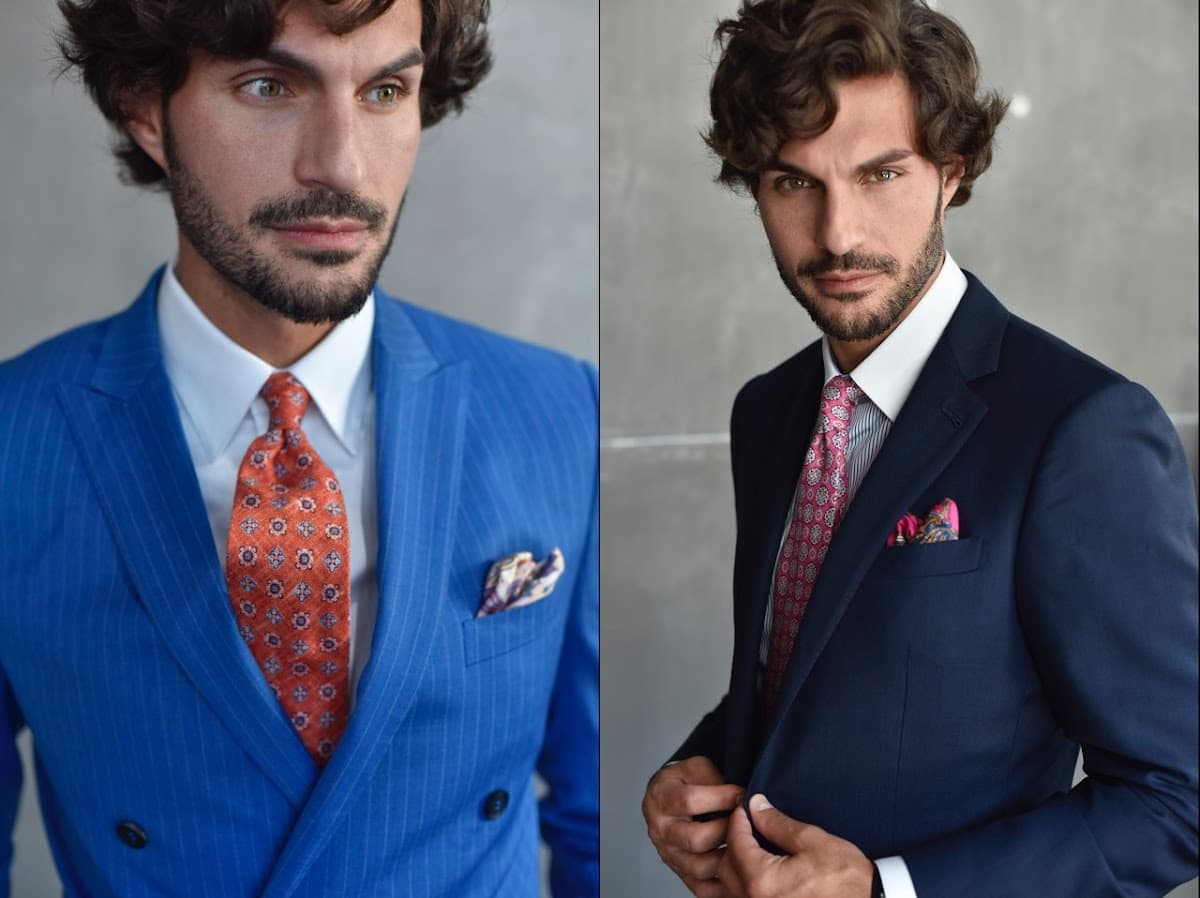
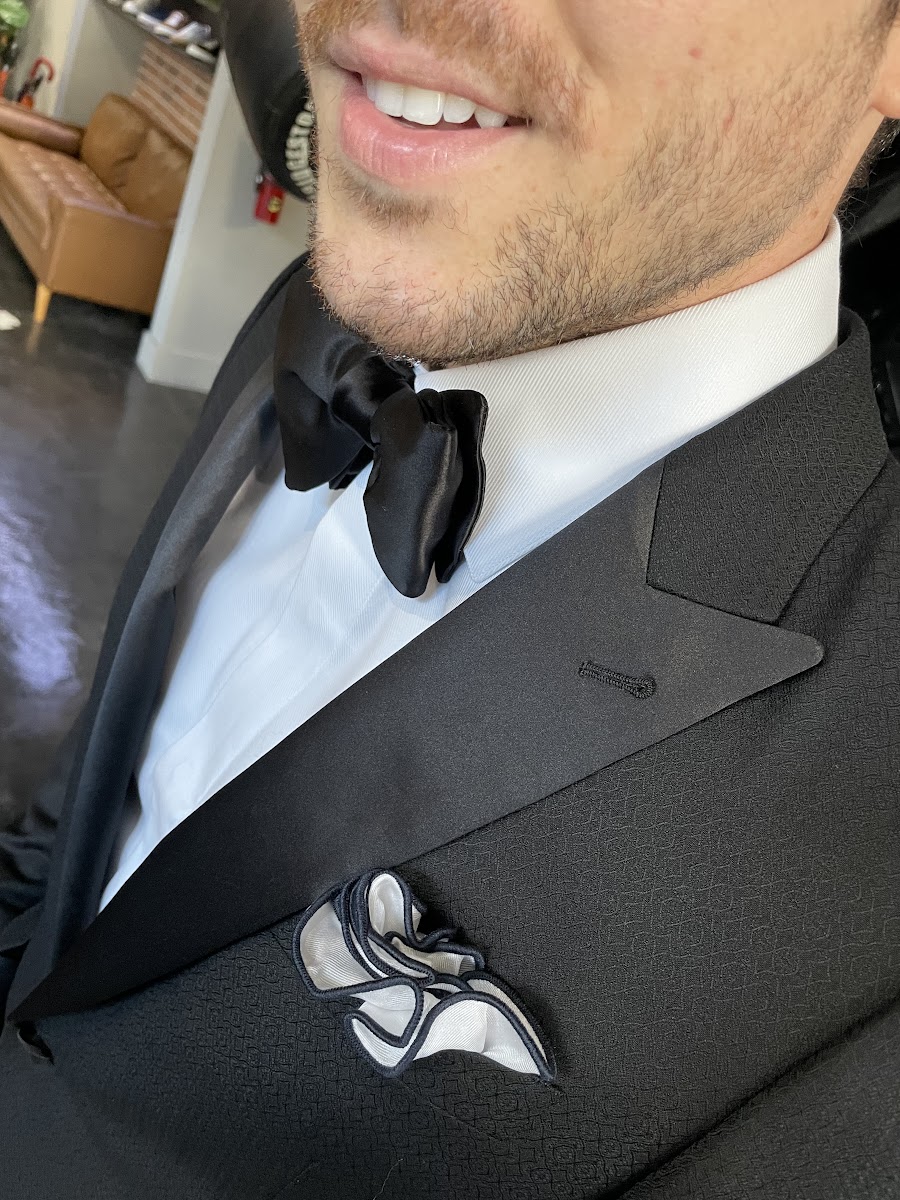
The peak lapel is the most assertive of the three styles. Instead of a notch cutting inward, the lapel points upward and outward toward the shoulders, creating two distinct "peaks" on either side of the chest. This upward sweep draws the eye along a powerful diagonal line, broadening the chest and giving the wearer an air of confidence and authority.
The History Behind Peak Lapels
Peak lapels have a long and distinguished heritage. They were the standard on double-breasted suits dating back to the early 20th century and have always been associated with formalwear. When you see photographs of old Hollywood stars at premieres, heads of state at diplomatic events, or financiers on Wall Street in the 1940s, peak lapels appear again and again. The style signals intentionality. A man wearing peak lapels has thought about his outfit and chosen something with presence.
When Peak Lapels Work Best
Peak lapels are ideal for any situation where you want to command attention. They are the standard on tuxedos, double-breasted jackets, and formal single-breasted suits meant for evening events, important presentations, or celebrations. In Miami, peak-lapel tuxedos dominate the black-tie scene at venues like the Adrienne Arsht Center, the Perez Art Museum galas, and waterfront weddings from Key Biscayne to Palm Beach.
But peak lapels are not limited to formal settings. A single-breasted peak-lapel suit in charcoal or navy makes a striking impression at a business dinner or a high-profile meeting. The key is that peak lapels carry a sense of occasion, so they work best when you want to elevate rather than blend in.

Peak Lapels on Double-Breasted Jackets
If you are considering a double-breasted suit or blazer, peak lapels are essentially non-negotiable. The overlapping front panels of a double-breasted jacket create a broad, structured chest silhouette, and peak lapels complement that geometry perfectly. The upward sweep of the lapels continues the expansive lines of the jacket, creating a cohesive, powerful look. A double-breasted jacket with notch lapels would look architecturally confused, which is why you almost never see that combination in quality tailoring.
Peak Lapel Proportions
Peak lapels tend to run slightly wider than notch lapels, often between 3 and 4 inches. The width needs to support the upward angle of the points. A narrow peak lapel can look pinched and awkward, while a well-proportioned peak lapel creates a strong frame for the chest. The gorge line on peak lapels typically sits higher than on notch lapels, which adds to the upward visual energy and makes the wearer appear taller. For clients at Bespoke By CB who want a peak-lapel suit, we often discuss gorge height carefully, because even a half inch can change the visual balance.

The Shawl Lapel: Smooth Elegance
The shawl lapel, sometimes called a shawl collar, is the most distinctive of the three styles. There is no notch, no peak, and no visible seam where the collar meets the lapel. Instead, the fabric rolls continuously from behind the neck, curves around the front of the chest, and tapers down to the button in one unbroken line. The effect is sleek, smooth, and unmistakably formal.
Origins of the Shawl Collar
The shawl collar traces its origins to smoking jackets and dinner jackets of the Victorian era. Wealthy men would retire to the smoking room after dinner and change into a more relaxed but still refined jacket. The shawl collar, with its soft, rounded lines, was a deliberate contrast to the sharp geometry of daytime business suits. Over time, the shawl collar migrated from the smoking room to the dinner table and eventually to the black-tie event circuit, where it remains a beloved choice for men who want understated sophistication.
When Shawl Lapels Work Best
Shawl lapels are almost exclusively reserved for formal and semi-formal evening wear. Tuxedos, dinner jackets, and velvet smoking jackets are the primary garments that feature this style. If you are attending a cocktail party at a Miami penthouse, a New Year's Eve celebration, or an intimate wedding dinner, a shawl-lapel dinner jacket projects effortless refinement. The smooth, rounded lines suggest a man who does not need sharp angles to command attention.
Shawl lapels are also a popular choice for grooms who want to stand apart from their groomsmen at weddings. While the wedding party might wear peak-lapel tuxedos, the groom steps out in a shawl-collar dinner jacket, creating a subtle but clear visual distinction that photographs beautifully.

Shawl Lapels in Velvet and Satin
One reason shawl lapels pair so well with evening wear is the way they interact with luxurious fabrics. A velvet dinner jacket with a shawl collar is one of the most striking garments in menswear. The continuous, rounded line of the shawl enhances the plush texture of velvet, creating a jacket that looks expensive, intentional, and elegant from across the room. Similarly, a satin-faced shawl lapel on a wool tuxedo catches light beautifully, adding a subtle shimmer that reads as evening-appropriate without being flashy.
At Bespoke By CB, we have built shawl-collar pieces in navy velvet, emerald green satin, midnight blue wool with satin facing, and even burgundy velvet for holiday events. The shawl collar is uniquely suited to these statement fabrics because the smooth lines let the material do the talking.
Shawl Lapel Proportions
Shawl lapels are measured at their widest point, where the curve is most pronounced near the mid-chest. A well-proportioned shawl lapel typically measures between 3 and 4 inches at this point. Too narrow, and the shawl looks like a thin ribbon draped around the neck. Too wide, and it overwhelms the jacket front. Because there is no angular geometry to work with, getting the curve and taper right on a shawl collar requires careful attention during pattern-making.
Lapel Fabric: Satin, Grosgrain, and Self-Fabric
Beyond the shape, the material covering the lapel adds another layer of decision-making. Business suits almost always use self-fabric lapels, meaning the lapel is made from the same cloth as the rest of the jacket. This creates a seamless, understated look appropriate for professional environments.
Tuxedos and dinner jackets, on the other hand, traditionally feature faced lapels, either in satin or grosgrain silk. Satin facing is the more common and more popular choice. It creates a smooth, reflective surface that catches ambient light and clearly signals that this is an evening garment. Grosgrain, with its ribbed texture, offers a slightly more matte and old-school aesthetic. Both are correct for black tie, but satin has become the dominant preference in modern formalwear.
The decision between satin and grosgrain is personal. Some men feel satin reads as too shiny, while others love the way it photographs. Grosgrain appeals to traditionalists who want their tuxedo to nod to mid-century formality. When we work with clients at Bespoke By CB on their first tuxedo, we always bring fabric swatches of both options so they can see the difference in person.
Gorge Height and Lapel Roll: The Subtle Details
Two additional technical details shape how any lapel style looks on the wearer: gorge height and lapel roll.
Gorge Height
The gorge is the seam or junction where the collar meets the lapel. A higher gorge creates a more modern, elongated look because it draws the eye upward. A lower gorge has a more vintage, relaxed feel. Current trends favor a moderate-to-high gorge on both notch and peak lapels, which creates a contemporary silhouette without veering into extreme territory. Shawl lapels do not have a visible gorge because the collar and lapel flow as one piece, which is part of their unique visual appeal.
Lapel Roll
The lapel roll refers to how the fabric turns over from the chest to form the lapel face. A soft, natural roll, common in unstructured Italian tailoring, gives the jacket a relaxed and elegant drape. A crisp, pressed roll, more typical of English and American tailoring traditions, creates clean lines and structure. Neither approach is wrong, but the roll affects the overall character of the jacket. A peak lapel with a soft roll feels Neapolitan and artisanal. The same peak lapel with a crisp roll feels British and authoritative.

Matching Lapel Style to Occasion: A Practical Breakdown
Choosing the right lapel style does not need to be complicated once you understand the basic rules. Here is a practical breakdown organized by occasion:
Business and Corporate Settings
Notch lapels are the standard. They communicate professionalism without calling attention to the suit itself. A navy or charcoal single-breasted suit with medium-width notch lapels is the backbone of any working wardrobe. Peak lapels can also work in business settings, especially for senior executives, attorneys, or anyone who wants their suit to project authority, but they carry slightly more visual weight.
Weddings
Peak and shawl lapels both shine at weddings. For a groom, a peak-lapel tuxedo projects strength and confidence at the altar. A shawl-collar dinner jacket suggests smooth sophistication at the reception. Groomsmen typically match in peak-lapel tuxedos for visual cohesion. Wedding guests can wear notch-lapel suits during the day and switch to peak-lapel options for evening ceremonies.
Black-Tie Galas and Formal Events
Peak or shawl lapels are expected here. A classic black tuxedo with satin peak lapels is never wrong. A midnight blue dinner jacket with a shawl collar stands out without trying too hard. Avoid notch lapels at strict black-tie events unless the invitation specifically says "creative black tie," which loosens the rules considerably.
Casual and Smart-Casual Outings
Notch lapels dominate the casual end of the spectrum. An unstructured blazer with soft notch lapels over a polo shirt is a Miami essential. Sport coats worn over jeans or chinos almost always feature notch lapels because they signal ease rather than formality.
Holiday Parties and Special Celebrations
This is where you can get creative. A velvet smoking jacket with a shawl collar is perfect for a holiday gathering. A burgundy peak-lapel suit makes a statement at a New Year's party. These events invite personality, and your lapel choice is part of the fun.
Lapel Width: Finding Your Ideal Proportion
We touched on width earlier, but it deserves its own section because it is one of the most common mistakes men make. Lapel width should always relate to three things: your body size, your tie width, and the overall jacket silhouette.
Body size: Broader men look best with wider lapels (3.25 to 4 inches) because the proportion matches their frame. Slimmer men can wear narrower lapels (2.75 to 3.25 inches) without the jacket looking oversized.
Tie width: Your tie and lapel should be roughly the same width at their widest points. A 3-inch lapel paired with a 2-inch skinny tie looks mismatched. A 3.25-inch lapel paired with a 3-inch tie creates visual harmony.
Jacket silhouette: A slim, close-fitting jacket with very wide lapels looks strange, just as a roomy, traditional jacket with very narrow lapels feels unbalanced. The lapel should feel like a natural extension of the jacket's overall proportions.
This is another area where working with a skilled clothier makes all the difference. At Bespoke By CB, we never default to a single lapel width for every client. We evaluate frame, face shape, and personal style preferences before recommending a specific measurement.
Can You Mix Lapel Styles Across a Wardrobe?
Absolutely, and you should. A well-rounded wardrobe includes multiple lapel styles because different occasions call for different jackets. The ideal foundation might look something like this:
Two notch-lapel suits (navy and charcoal) for everyday business wear. One peak-lapel suit (dark blue or black) for elevated occasions, presentations, and evening dinners. One tuxedo with peak or shawl lapels for formal events. One or two unstructured blazers with notch lapels for casual and smart-casual settings.
This lineup covers every dress code from business casual to black tie, and the variety in lapel styles ensures each jacket has its own identity and purpose. You never want five identical suits in a closet. Varying the lapel style, along with color and fabric, gives each garment a distinct role.
Lapel Accessories: Pins, Flowers, and Pocket Squares
Your lapel also serves as a staging ground for accessories. A well-chosen lapel pin, a fresh boutonniere, or a coordinated pocket square can transform a suit from sharp to exceptional.
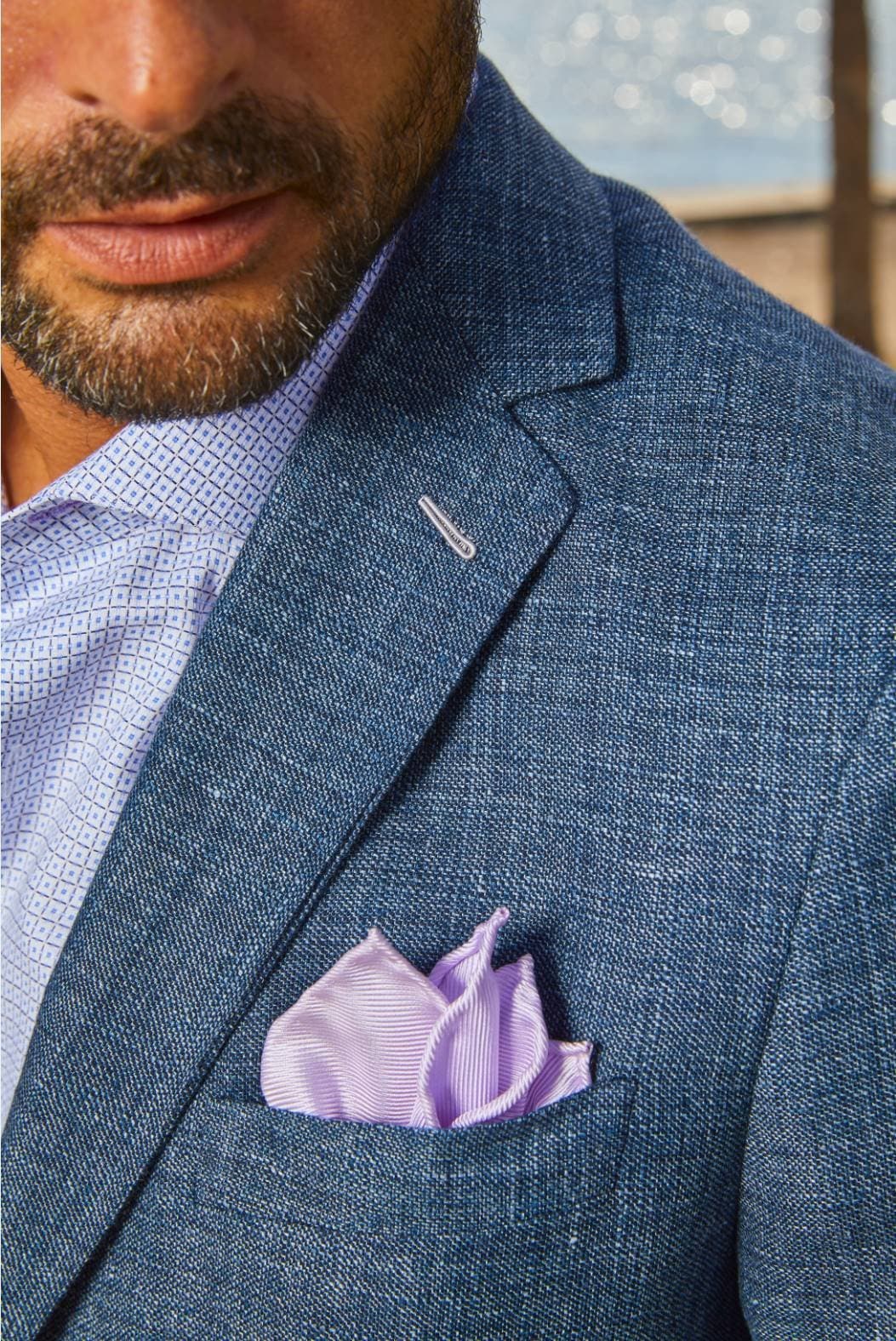
Lapel pins work on all three lapel types. On notch lapels, a pin sits just below the notch on the left side. On peak lapels, it anchors the upward sweep. On shawl lapels, it adds a focal point to the smooth curve. Choose a pin that complements rather than competes with the lapel style. A subtle metal pin on a business suit, a floral pin on a wedding suit, or a jeweled pin on a formal dinner jacket are all appropriate pairings.
Boutonnieres are traditional at weddings and formal events. The buttonhole on the left lapel was originally designed to hold a flower, and using it for that purpose adds a classic, romantic touch. Fresh flowers work best, but high-quality silk or dried alternatives are acceptable if the event is outdoors in heat.
Pocket squares technically sit in the breast pocket rather than on the lapel, but they visually interact with the lapel line and should be considered part of the same visual zone. A pocket square that echoes the angle of a peak lapel or softens the curve of a shawl collar elevates the entire chest area.
Common Lapel Mistakes to Avoid
Even well-dressed men sometimes stumble on lapel-related details. Here are the most common errors and simple ways to avoid them:
Going too trendy with width. Ultra-skinny lapels had a moment around 2010-2015, and many of those suits now look dated. Stick with moderate widths that will look good five or ten years from now.
Notch lapels on a tuxedo. Unless you are deliberately going for a fashion-forward look, keep notch lapels off your formalwear. Peak and shawl are the traditional options for a reason.
Ignoring the gorge line. A gorge that sits too low makes the jacket look old-fashioned. A gorge that sits too high can look like a costume. Moderate height works for most men.
Mismatched lapel and tie widths. This is one of the easiest proportion mistakes to fix. Buy ties that match your lapel width, and the outfit immediately looks intentional.
Pressing the roll flat. Some dry cleaners press lapels completely flat, removing the natural roll. If your lapel is supposed to roll softly, communicate that clearly or find a cleaner experienced with tailored garments.
Making the Decision: Trust the Process
If you are building a suit or tuxedo from scratch, the lapel conversation should happen early. It influences the jacket's character, its formality level, and even the patterns that work with it. A strong plaid or window-pane fabric, for example, can look spectacular with notch lapels on a business suit but might overwhelm a shawl collar. A solid midnight fabric with a satin sheen is a natural partner for peak lapels on a tuxedo.
At Bespoke By CB, we walk through lapel options using physical jacket samples so you can see each style on your body before committing. Seeing a peak lapel versus a notch lapel on your actual chest, in your actual proportions, removes all guesswork. It is one of many reasons the custom process produces results that off-the-rack simply cannot match.
The bottom line: your lapel speaks before you do. A notch lapel says reliable and versatile. A peak lapel says commanding and intentional. A shawl collar says elegant and refined. Know what you want to say, and let your lapel say it.
Frequently Asked Questions
What are the three main types of suit lapels?
The three main types are notch, peak, and shawl. Notch lapels have a V-shaped cutout where the collar meets the lapel and are the most common. Peak lapels point upward toward the shoulders and project authority. Shawl lapels feature a smooth, continuous curve with no notch or seam, commonly seen on tuxedos and dinner jackets.
Which lapel style should I choose for a tuxedo?
Peak lapels and shawl lapels are both traditional choices for tuxedos. Peak lapels offer a bold, structured look, while shawl lapels provide smooth, understated elegance. Notch lapels are generally not recommended for formal tuxedos, though some modern designers have experimented with them.
Are peak lapels too formal for everyday business suits?
Not at all. While peak lapels carry more visual weight than notch lapels, a single-breasted peak-lapel suit in a traditional color like navy or charcoal works perfectly in business settings. They project confidence and authority, which can be an advantage in executive or client-facing roles.
What lapel width should I choose?
Lapel width should relate to your body frame and tie width. A general rule is 2.75 to 3.5 inches for most men. Broader builds look best with wider lapels, while slimmer builds suit narrower options. Your tie should be approximately the same width as your lapel at their widest points.
Can I wear a shawl collar for something other than formal events?
Shawl collars are most associated with evening wear, but they also appear on smoking jackets and casual velvet blazers for holiday parties and special gatherings. They are rarely used on standard business suits.
Why does gorge height matter on a suit lapel?
Gorge height affects the overall visual line of the jacket. A higher gorge creates a more modern, elongated silhouette and draws the eye upward. A lower gorge has a more vintage, relaxed feel. The right gorge height depends on your body proportions and the style of suit you are building.