You have the tuxedo. It fits. The shirt is pressed, the bow tie is tied with care, and the studs are gleaming. And then you look down at your feet and realize you have not thought this part through.
Shoes are the most frequently neglected element of black tie dressing, and they are also one of the most visible. At a seated dinner, a theatre box, or a charity gala, your footwear is at eye level for everyone at the table. The wrong choice: rubber-soled dress shoes, scuffed oxfords, loafers with a tread pattern built for the street: signals a man who got nine-tenths of the way there and stumbled at the finish.
This guide covers everything you need to know about choosing, wearing, and caring for tuxedo shoes at Miami's most refined events. With over 37 years of experience dressing South Florida's most discerning gentlemen, Christian Boehm and the team at Bespoke CB have strong opinions on this subject: and they are happy to share them.
The Rule: Black Tie Requires a Black Shoe
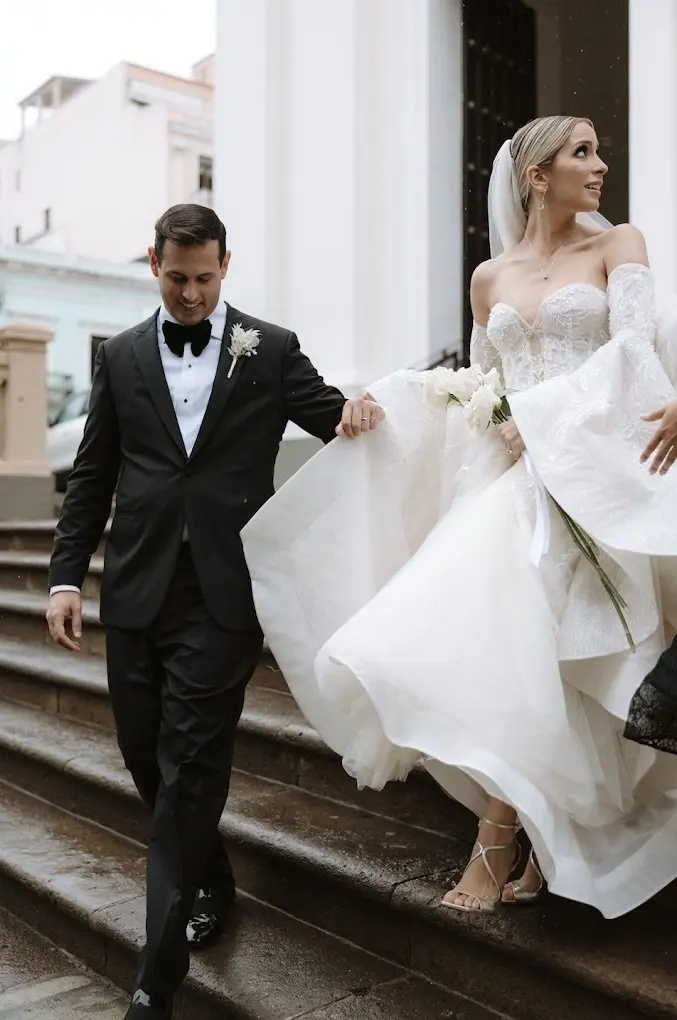
Start with the foundational rule: for true black tie, your shoes must be black. There is no exception, no creative interpretation, no Miami-specific deviation to this guideline. Brown shoes, tan shoes, burgundy shoes: all of them read as mismatch at a formal black tie event, regardless of how refined the shade or how expensive the leather.
Black tie is a formalized dress code with a history stretching back to the 1880s, and its rules exist for reasons of visual coherence and social signaling. When everyone at a black tie event is dressed in black and white: or some calibrated variation thereof: the whole room has a unity and elegance that is genuinely distinct from any other social setting. A brown shoe breaks that unity and draws attention to itself rather than to the man wearing it.
For black tie optional or smart formal events where you are wearing a very dark navy suit rather than a true dinner suit, a dark brown Oxford or derby is acceptable: but only because the event itself is a departure from strict black tie protocol.
The Four Classic Styles of Tuxedo Shoes
Within the constraint of black, there is genuine choice in style. Here are the four classic options, in order from most formal to least:
Opera Pumps: The most formal shoe in Western menswear. A low-cut black satin or patent leather pump with a grosgrain bow at the toe. Rarely worn outside of white tie and ultra-formal black tie events, but when the occasion demands it, nothing is more correct. If you are attending the kind of Miami charity gala where tiaras appear, this is your shoe.
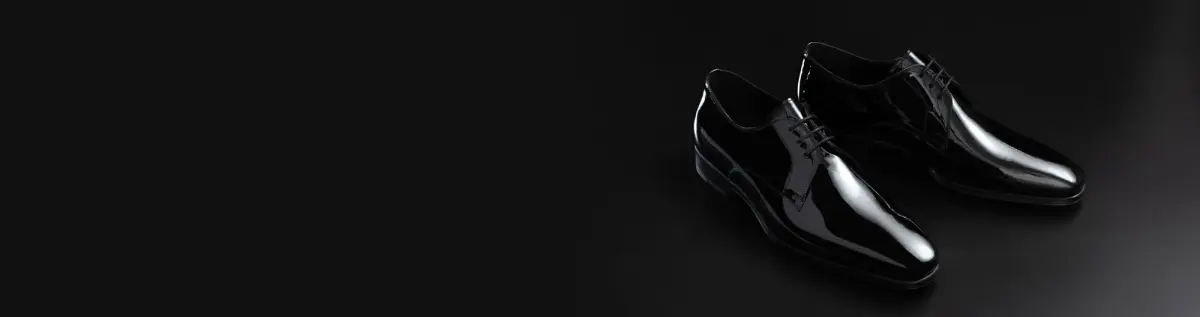
Patent Leather Cap-Toe Oxford: The gold standard of black tie footwear for most formal events. The mirror-like finish of patent leather was engineered specifically to complement the sheen of satin and silk in a dinner suit. A cap-toe line adds subtle visual interest without violating the formality of the event. This is the shoe that never requires an explanation or an apology.
Black Calf Leather Cap-Toe Oxford: A half-step down from patent in formality, but entirely acceptable at all but the most ceremonial black tie events. High-quality calf leather with a mirror shine from proper polishing is appropriate for the full range of Miami galas, charity dinners, and formal weddings. This shoe crosses over into non-black-tie occasions more naturally than patent, making it a more versatile investment.
Black Derby or Blucher: A slightly less formal silhouette than the Oxford (the open lacing system versus the closed Oxford construction). Fine for cocktail attire and black tie optional events. Less recommended for true black tie unless the Oxford styles have been exhausted: though a beautifully made black derby in high-gloss calf can look superb.
Patent Leather: Understanding the Look
Patent leather deserves its own section because it divides opinion among men who have not worn it before. The glossy finish looks theatrical compared to regular leather, and many men hesitate at first encounter. But this hesitation is unfounded: and historically misguided.
Patent leather became the standard for formal evening shoes specifically because candlelit and gaslit rooms demanded materials that reflected light elegantly. The sheen of patent leather coordinates with the sheen of silk lapels, satin bow ties, and grosgrain trim on a dinner suit. Under the chandeliers of a Brickell hotel ballroom or the pavilion lights of a Palm Beach gala, patent leather looks exactly as it should: deliberate, refined, and ceremonially correct.
Modern patent leather shoes from quality makers are not uncomfortable or impractical. They require a soft cloth to maintain, should be stored with shoe trees, and should be kept away from extreme flexing that can cause the finish to crack. Treat them well and they will serve you for decades.
Velvet Slippers: The Bold Alternative
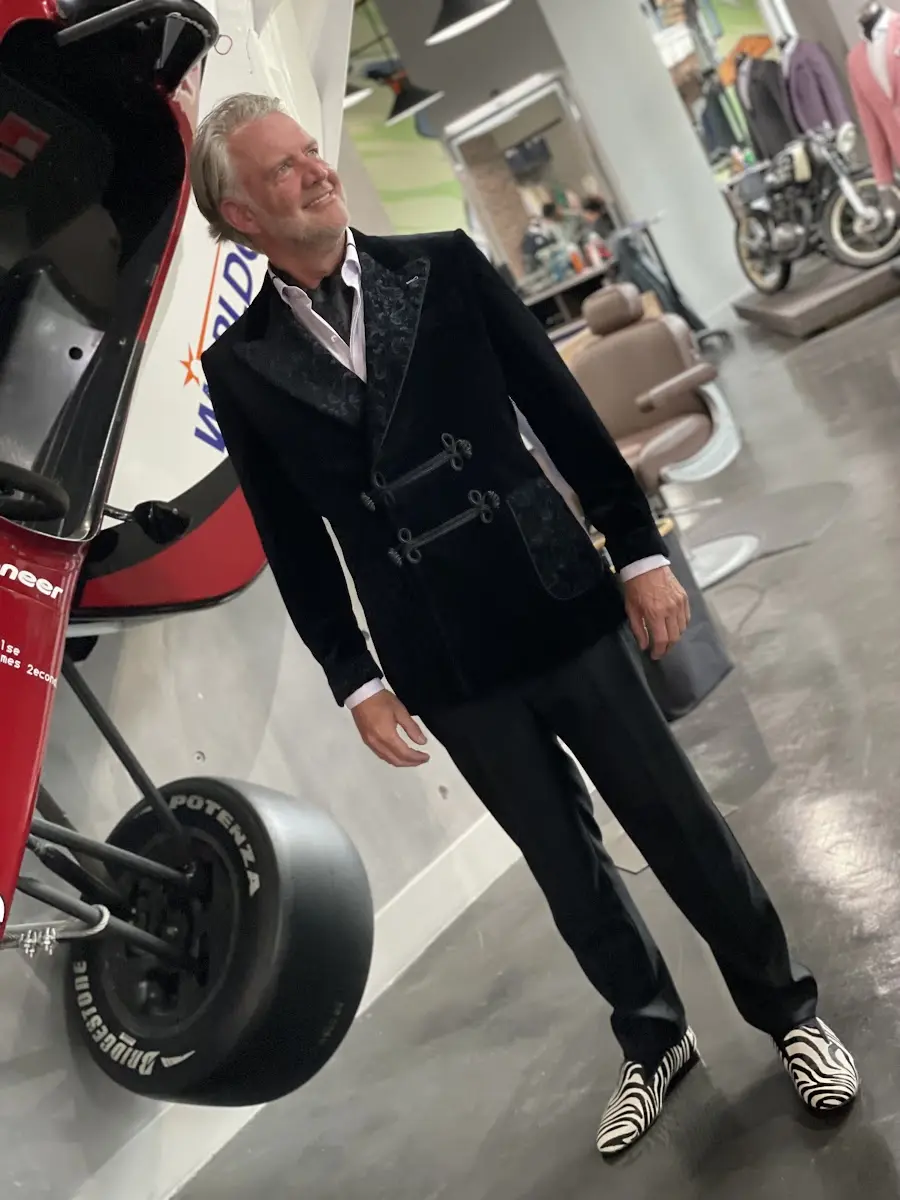
For those who want to signal deep familiarity with black tie conventions: and the confidence to play within them: black velvet evening slippers are an option worth knowing about. Often embroidered with a monogram or a small motif (a lion, a crest, an initial), velvet slippers are the traditional footwear choice of the British aristocracy at informal black tie occasions.
They communicate a particular kind of ease: the ease of a man who has been dressing for black tie so long that he can afford to be slightly relaxed about it. In Miami's social scene, where confident personal style is genuinely appreciated, velvet slippers work beautifully at private dinners, club events, and slightly less ceremonial galas: but not at full-ceremony affairs like charity auctions or awards events where the room will be conservative in its formality.
This style pairs naturally with a velvet dinner jacket: a combination that reads as intentional and assured rather than unconventional. For more on that pairing, see our post on the history of the tuxedo and how its variations have evolved into today's black tie options.
Loafers and Black Tie: The Exception, Not the Rule
The question of whether loafers are acceptable at black tie events comes up frequently, and the honest answer is: rarely. A plain black leather whole-cut loafer in very fine calf leather can function at black tie optional events, but it sits at the outer edge of acceptability.
The problem with loafers is their casual heritage. Even the most refined slip-on carries a suggestion of ease that works against the formal register black tie events demand. If you own a beautiful black penny loafer in burnished calf and you are attending a cocktail-attire dinner: yes. If you are wearing a dinner jacket to a Miami gala: reach for the Oxford.
Socks: The Overlooked Detail
Tuxedo shoes require black socks. Specifically, black over-the-calf socks that do not reveal skin when you sit down or cross your legs. The material should be a fine cotton or thin wool: not ribbed, not patterned, not novelty. Black silk socks are the traditional choice and pair beautifully with patent leather, though a thin fine-gauge black cotton or wool is entirely correct.
No-show socks at black tie: never. Patterned socks: only if the event is informal enough to count as black tie optional at best. Ankle socks: the same answer as no-show socks.
Fit and Construction: What to Look for in a Quality Formal Shoe
A tuxedo shoe is not a shoe you replace frequently. Buy well once and maintain it carefully. Here are the quality markers worth insisting on:
Goodyear Welt or Blake Construction: Both are superior to cemented soles. A welted shoe can be re-soled multiple times over its life, meaning the upper can last for decades with proper care. Cemented soles are glued on and cannot be replaced.
Full Leather Lining: Breathes better than synthetic lining and molds to your foot over time. A lined shoe becomes more comfortable with wear, not less.
Leather Sole: For formal occasions, a leather sole is correct. It provides a thinner silhouette and the appropriate visual weight for a black tie shoe. Rubber soles: even fine ones: are a business casual concession that does not belong in this context.
Proper Fit: A formal shoe should fit snugly through the heel and midfoot with comfortable room across the ball of the foot and toes. There should be no slipping at the heel. Break new formal leather in gradually: wear them at home before committing to a four-hour event.
Care and Maintenance for Black Tie Footwear
The best shoes in the world look mediocre if poorly maintained. For patent leather: wipe clean with a damp cloth after each wear, allow to dry fully, and store with cedar shoe trees in a cloth bag away from other shoes. Do not apply regular polish to patent leather: use a patent leather conditioner or simply a lightly damp cloth.
For calf leather Oxford shoes: brush off any dust after each wear, apply a high-quality cream polish to condition the leather, then follow with a wax polish for shine and a vigorous buff. Allow to rest between wears with shoe trees inserted. A well-maintained calf shoe will develop a natural patina over years of wear that is genuinely beautiful and impossible to fake with a new pair.
Store your formal shoes separately from everyday footwear. They are not made for daily use and should be treated accordingly. For a custom tuxedo that pairs with these shoes at the highest level, explore our guide to custom tuxedos in Miami and Brickell.
Frequently Asked Questions About Tuxedo Shoes
Do I have to wear patent leather shoes with a tuxedo?
No, patent leather is not strictly required, though it is the most traditional and formal option. A well-polished black calf leather cap-toe Oxford is fully appropriate for the full range of black tie events in Miami. Patent leather is the most correct choice for the most ceremonial occasions, but a high-gloss calf shoe will serve you beautifully in virtually every situation.
Can I wear black Oxford shoes I already own?
Possibly. It depends on their condition, construction, and finish. If they are cap-toe or plain-toe Oxfords in high-quality black calf with a good polish, they can work. Avoid wearing dress shoes with thick rubber commuting soles, visible scuffs or creases, or a matte finish: all of these reduce the formality of the shoe and the overall look.
What color socks do I wear with a tuxedo?
Always black, always over-the-calf, always a fine material. Black silk is traditional and pairs beautifully with patent leather. Fine black cotton or thin wool are also correct. Avoid anything patterned, ribbed, or novelty-printed at true black tie events.
Can I wear loafers to a black tie optional event?
A very refined black leather loafer: plain-toe, no tassels, fine calf leather: can work at black tie optional events. It sits at the edge of acceptability. If you want to be unambiguously correct, an Oxford is always the safer and more polished choice.
How long should a quality tuxedo shoe last?
A well-made welted tuxedo shoe maintained with shoe trees, regular polishing, and re-soling when needed can last 20 to 30 years or more. The upper leather of a quality shoe improves with age and care. This is one of the strongest arguments for investing in quality from the start rather than purchasing inexpensive replacements repeatedly.
Frequently Asked Questions
What is black tie attire?
Black tie attire requires a tuxedo with satin lapels, a white dress shirt, a black bow tie, and black formal shoes. It is the most common formal dress code for evening events. Bespoke By CB in Miami creates custom tuxedos that ensure you look impeccable at any formal occasion.
What is the difference between a tuxedo and a suit?
The primary difference is the presence of satin on a tuxedo's lapels, buttons, and trouser stripe. Tuxedos are more formal than suits and are typically reserved for evening events. Bespoke By CB can help you decide which is appropriate for your event.
Should I rent or buy a tuxedo?
If you attend formal events more than once a year, investing in a custom tuxedo is more cost-effective and ensures a superior fit. Bespoke By CB in Miami offers custom tuxedos that will last for years and always look sharp.
What shoes should I wear with a tuxedo?
Patent leather Oxford shoes are the most traditional choice for a tuxedo. Well-polished black leather Oxfords are also acceptable. Bespoke By CB provides complete formal styling guidance from head to toe.
Can I wear a tuxedo to a wedding?
Yes, a tuxedo is appropriate for formal weddings, especially evening ceremonies with a black-tie dress code. Bespoke By CB in Miami can create a custom tuxedo tailored perfectly for your special day.


