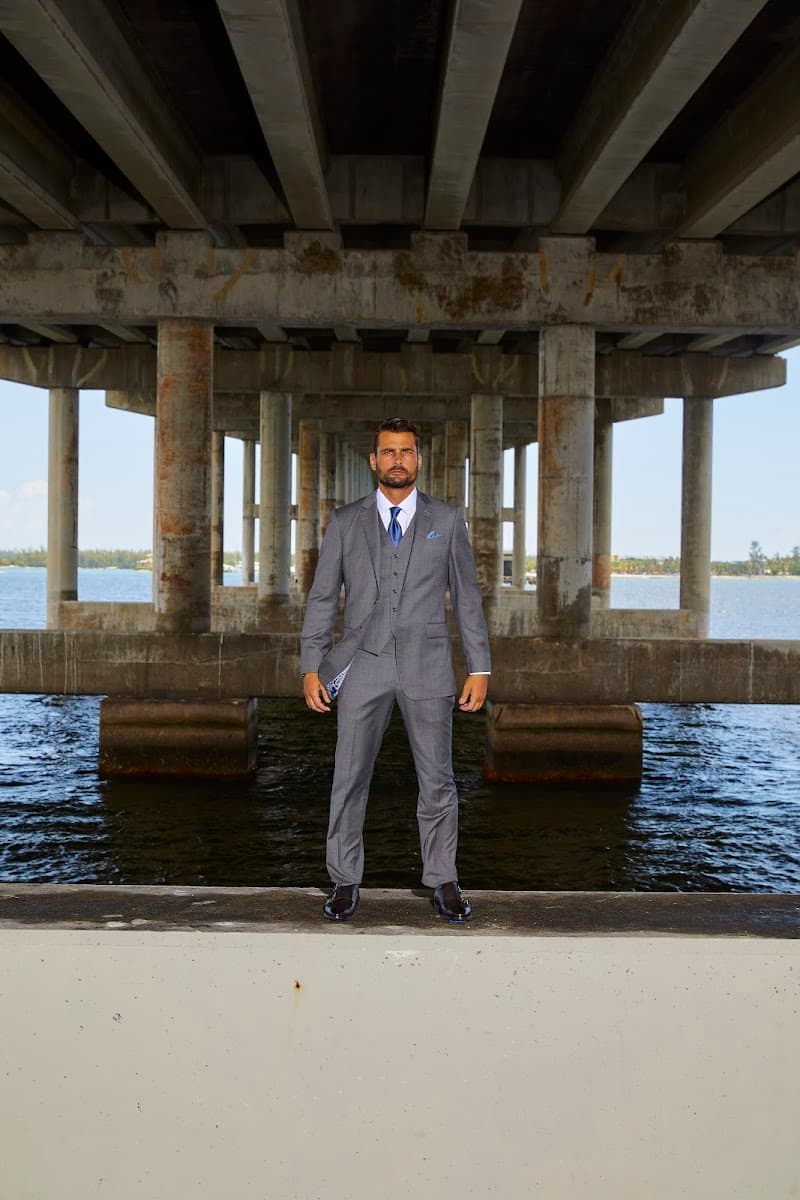
Choosing a wedding suit by body type is not about disguising your shape. It is about making the suit work with your frame so the eye sees clean proportion, confident posture, and intentional style. A wedding outfit has to do more than look sharp in a mirror. It has to photograph well, sit comfortably through a ceremony, move through a reception, and still feel like you when the jacket comes off at the end of the night.
The mistake many grooms make is starting with a trend before they understand fit. Slim lapels, cropped trousers, wide pleats, double breasted jackets, shawl collars, and bold colors can all look excellent on the right person. They can also fight the body when the proportions are wrong. A strong wedding suit starts with shape first, then cloth, then styling details.
At Bespoke By CB wedding appointments, the conversation begins with the groom's actual build, not a generic size chart. Shoulder slope, chest depth, waist position, seat, thigh, posture, and height all change how a suit should be cut. Two men can both wear a 42 jacket and need completely different patterns. That is why body type is less about labels and more about balance.
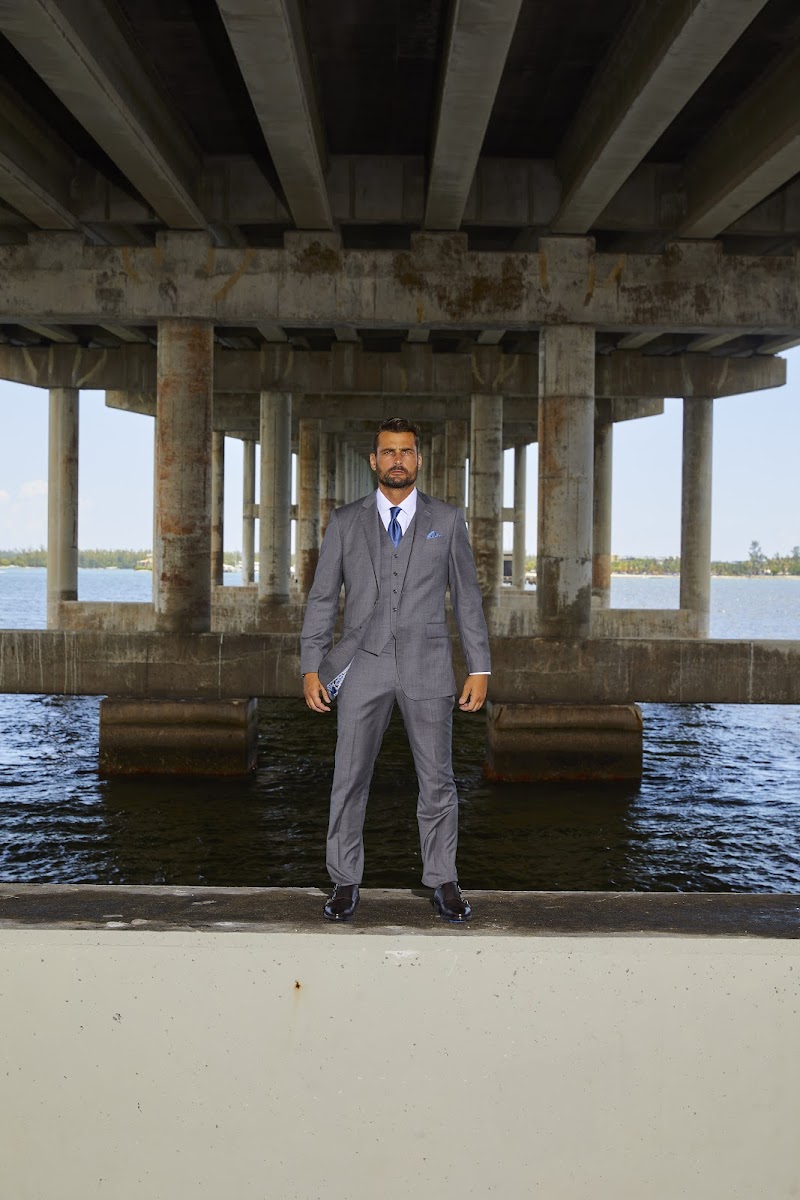
Start With Proportion, Not Size
Size tells you circumference. Proportion tells you how the garment should be shaped. A groom with broad shoulders and a narrow waist may need room through the upper body but a carefully suppressed jacket waist. A groom with a strong midsection may need a straighter jacket line, a lower button stance, and trousers that sit cleanly without pulling. A taller groom may need visual breaks that keep the body from looking stretched. A shorter groom may need uninterrupted lines that help the suit read longer and cleaner.
This is where custom tailoring matters. Off the rack suits are usually built around an averaged body. If your shoulders fit, the waist may be too loose. If the waist fits, the chest may pull. If the jacket length is right, the sleeves may be wrong. For a normal workday, a groom might tolerate that. For a wedding, where every camera is pointed at him, those compromises become visible.
The goal is not to make every body look the same. A well cut suit should respect the body in front of it. The groom should stand straighter because the jacket supports his frame, not because the garment is tight. The trousers should fall from the waist or hip without clinging. The lapels should frame the chest. The shirt collar should sit cleanly under the jacket. When those pieces are aligned, the entire outfit looks calmer and more expensive.
Broad Shoulders and Athletic Builds
Athletic grooms often have the opposite problem from what they expect. They assume they need the slimmest possible suit because their body is already in shape. In reality, overly slim tailoring can make an athletic build look strained. The jacket pulls across the biceps, the lapels bow away from the chest, the seat wrinkles, and the trousers grip the thighs. Instead of looking powerful, the suit looks too small.
For broad shoulders, the shoulder line should be clean but not exaggerated. Heavy padding can make the upper body look blocky, especially in wedding photos taken from a low angle. A natural shoulder or lightly structured shoulder usually works better. The chest needs enough room for movement, and the jacket waist can be shaped to show the V of the torso without pulling the front button into an X.
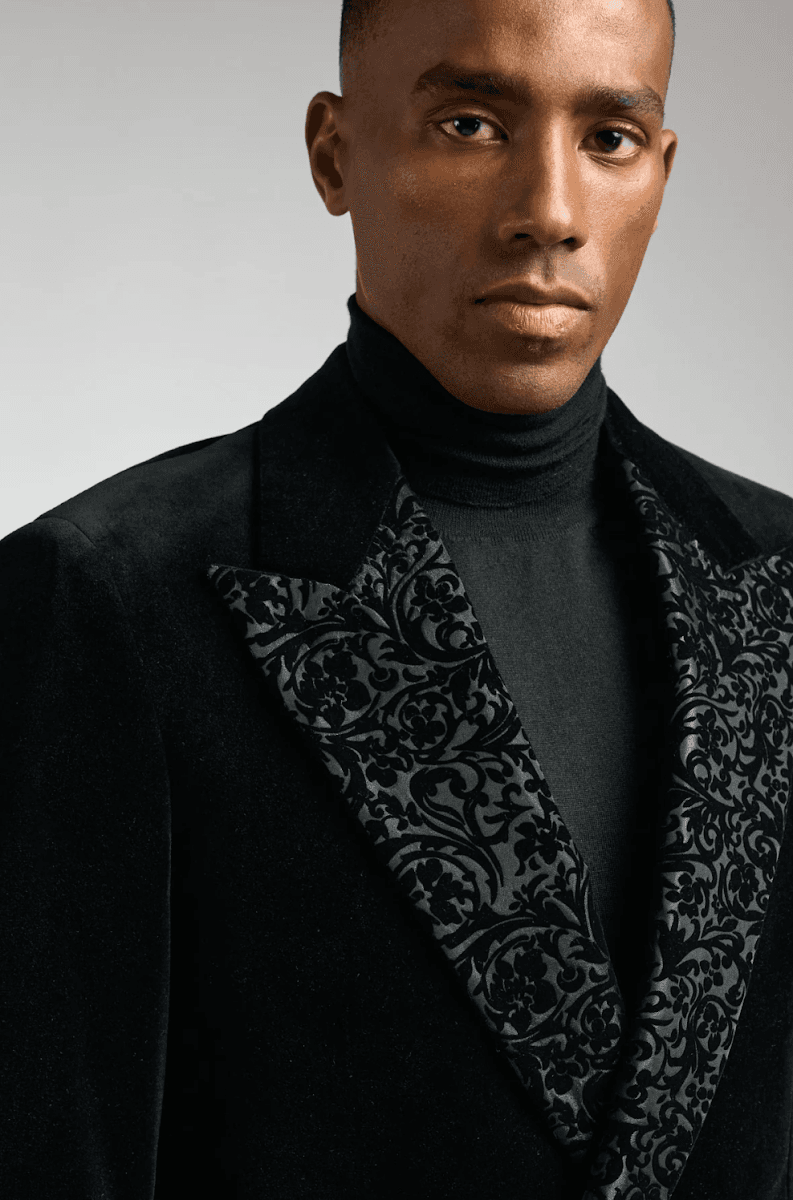
Lapel width matters here. Very skinny lapels can look out of scale on a broad chest. A medium to wider notch lapel, peak lapel, or shawl collar gives the upper body the visual strength it needs. For trousers, athletic thighs usually benefit from a tapered but not skinny leg. The line should narrow toward the shoe while leaving enough room through the thigh and seat for sitting, dancing, and walking.
If the wedding is formal, an athletic groom can wear a tuxedo very well. A peak lapel or shawl collar frames the chest cleanly and gives the outfit presence. For suits, a one button or two button jacket with a slightly lower button stance can keep the torso from looking compressed.
Shorter Grooms
Shorter grooms should prioritize uninterrupted vertical lines. The suit should make the eye travel smoothly from shoulder to shoe. This does not mean everything has to be black or plain. It means avoiding details that cut the body into small sections.
Jacket length is critical. A jacket that is too long makes the legs look shorter. A jacket that is too short can look trendy and awkward in formal photos. The right length covers the seat enough to feel dressed, but it does not drag the visual center downward. Button stance should sit at a natural point near the waist rather than too low. The goal is a balanced torso with as much leg line as possible.
Trousers should usually have little to no break. Excess fabric pooling at the shoe shortens the leg. A clean hem, a slightly higher rise, and a trim leg opening can make a shorter groom look taller without resorting to anything theatrical. Matching the trouser and jacket color also helps, especially in navy, charcoal, black, deep green, or ivory.
Patterns should be chosen carefully. Large checks can overwhelm a smaller frame. Fine texture, subtle herringbone, small birdseye, or a clean solid often works better. If the groom wants visual interest, use texture in the fabric or a refined accessory rather than oversized pattern.
Taller Grooms
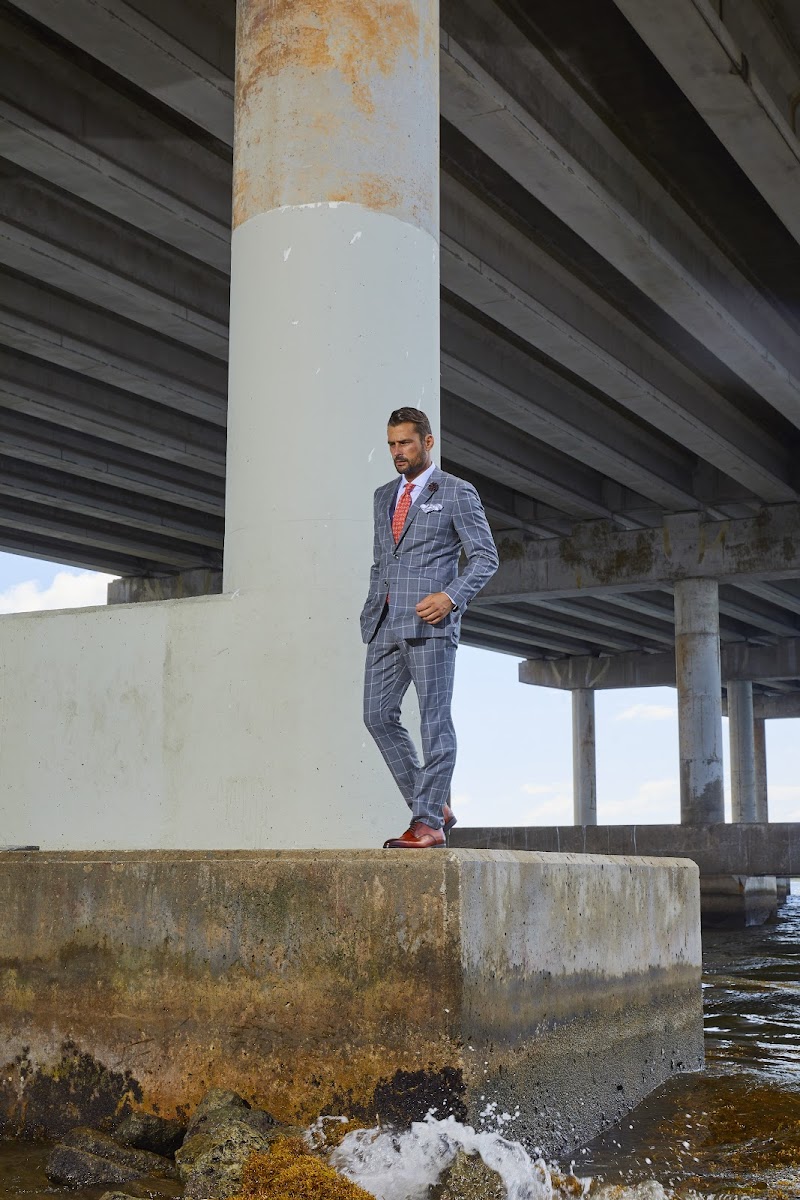
Taller grooms have more room to work with, but proportion still matters. A tall groom in a suit that is too narrow can look stretched, while a suit that is too loose can look unfinished. The jacket needs enough length to balance the torso, the lapels need enough width to match the chest, and the trousers need a rise that does not make the legs look disconnected from the jacket.
Taller grooms can wear bolder patterns and larger scale details more easily. Windowpane, subtle plaid, double breasted jackets, ticket pockets, and cuffed trousers can all work well because the frame can carry more visual information. This is one reason tall grooms often look excellent in a three piece suit. The vest creates a controlled center line and adds structure through the torso.
The key is avoiding a suit that looks skimpy. Sleeves must show shirt cuff, but they cannot ride too high. Trousers can have a small break if the shoe and venue call for it. A jacket that is too cropped will make a tall groom look like he borrowed a smaller man's suit. The best tall wedding suits feel generous in proportion but precise in fit.
Fuller Midsections
A groom with a fuller midsection should avoid two extremes: hiding inside too much fabric or squeezing into a suit that pulls across the front. Both draw attention to the exact area he may want to balance. The better approach is clean structure, a smooth jacket front, and trousers that sit at the right height.
Jacket shape should be slightly straighter through the waist. That does not mean boxy. It means the suppression should be controlled so the button closes without strain. A lower button stance can lengthen the torso and reduce the sense of width through the middle. Peak lapels can also help because they pull the eye upward toward the shoulders and face.
Trouser rise is often the most important decision. Low rise trousers tend to sit under the stomach, which creates shirt pulling and waistband pressure. A slightly higher rise lets the trousers sit more naturally and creates a cleaner line under the jacket. Side adjusters can be better than a belt because they reduce bulk at the waist and keep the front visually calm.
A vest can be excellent for this body type when it is cut correctly. It keeps the shirt covered, smooths the transition from jacket to trouser, and gives the groom a finished look even after the jacket comes off. The vest should not be tight, and it should be long enough to cover the waistband.
Lean and Slim Builds
Slim grooms often think any slim suit will work, but the wrong cut can make the body look flat or fragile. A wedding suit should add presence. That can come from shoulder shape, lapel width, fabric texture, and thoughtful layering.
A lightly structured shoulder can give a lean frame more architecture without looking padded. The chest should have a clean drape rather than clinging to the body. Lapels should not be too narrow unless the entire wedding look is intentionally minimalist. A medium lapel often gives a slim groom more maturity and formality.
Texture is useful here. A fine wool, subtle basketweave, mohair blend, or tonal pattern can add depth. A vest can also help, especially if the groom wants a more formal look. The three piece suit creates layers and gives the torso more dimension in photos.
For trousers, a tapered leg is usually appropriate, but there should still be enough room for movement. Ultra skinny trousers can look dated and can make dress shoes appear oversized. A clean taper that respects the leg is more timeless.
Big and Tall Grooms
Big and tall grooms need tailoring that treats height and size together. Many ready made options simply scale everything up, which can create oversized shoulders, long sleeves, low armholes, and trousers that feel heavy. A strong pattern solves each area separately.
The jacket should sit cleanly on the shoulders and allow the arm to move without dragging the body of the garment. Armhole height matters more than most people realize. A low armhole makes the whole jacket lift when the groom raises his arm. A properly cut armhole allows movement while keeping the jacket in place.
For cloth, structure and drape matter. Very thin cloth can cling, while overly heavy cloth can feel bulky in South Florida. A quality tropical wool, high twist wool, or refined wool and silk blend can hold shape without overheating. For summer or outdoor ceremonies, the advice in our summer wedding fabric guide is especially relevant.
Color should create confidence, not apology. Navy, charcoal, midnight blue, deep green, ivory, and brown can all work. The right shade depends on the venue, season, skin tone, and dress code. A big and tall groom does not need to disappear into black unless black is truly the right formal choice.
Choosing the Right Wedding Suit Style
Once the fit strategy is clear, the style decisions get easier. A two piece suit is clean, versatile, and ideal for many beach, garden, daytime, or semi formal weddings. A three piece suit adds ceremony and helps the groom look finished after the jacket comes off. A tuxedo is still the sharpest choice for black tie, evening receptions, and highly formal venues.
Double breasted suits can look outstanding on many body types, but they require precise balance. On a tall or broad groom, they can feel powerful and elegant. On a shorter groom, they can work if the jacket length, button placement, and lapel shape are carefully controlled. On a fuller midsection, they need enough room to close cleanly without creating horizontal pull.
Color should support the body and the event. Darker colors tend to sharpen the silhouette. Lighter colors feel fresh and warm weather appropriate but reveal fit issues more clearly. Pattern adds personality, but scale matters. A large windowpane can flatter a tall groom and overwhelm a smaller one. A fine stripe can lengthen the body, but too much contrast can feel businesslike instead of romantic.
If you are comparing silhouettes and current groom style ideas, our post on latest mens wedding suit trends is useful, but treat trends as ingredients. The best wedding look is the one that fits the groom, the venue, and the photos ten years from now.
Fabric, Photos, and Miami Weather
Body type affects fabric choice too. A cloth with good recovery can help an athletic groom move without wrinkling at the thigh or elbow. A cloth with clean drape can help a fuller groom avoid cling. A textured cloth can give a lean groom more dimension. A breathable cloth helps every groom survive a Miami ceremony without looking uncomfortable by the reception.
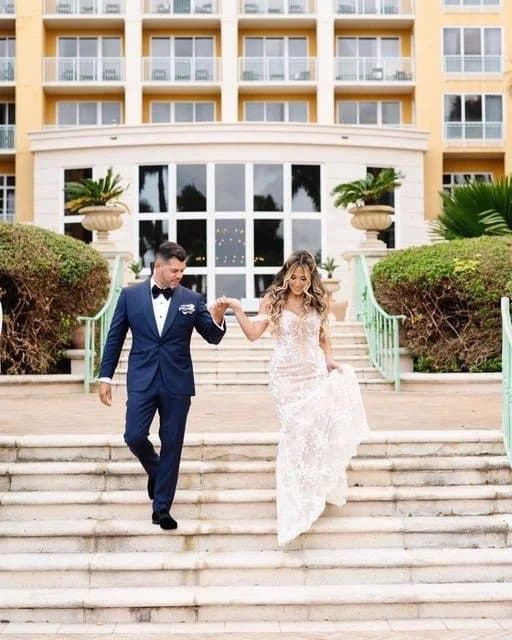
Photos matter because the camera exaggerates poor fit. Pulling at the button, collapsed shoulders, lapel bowing, trouser pooling, and shirt bunching are all more visible in wedding photography than they are in a fitting room. The suit has to work from the front, side, back, seated, walking, and dancing.
This is why a wedding suit should never be finalized from measurements alone. A real fitting shows how the body moves. It shows whether the jacket collar hugs the neck, whether the trouser seat is clean, whether the sleeve pitch matches the natural arm position, and whether the overall silhouette looks balanced. For grooms starting the process, the first time visit page explains how the appointment experience works.
What a Custom Pattern Solves
A custom pattern gives the tailor control over the entire garment. It can account for one shoulder sitting lower than the other, a forward posture, a prominent seat, strong calves, long arms, short legs, or a chest that needs more room than the waist. These are normal body realities, not problems. The point of tailoring is to build around them intelligently.
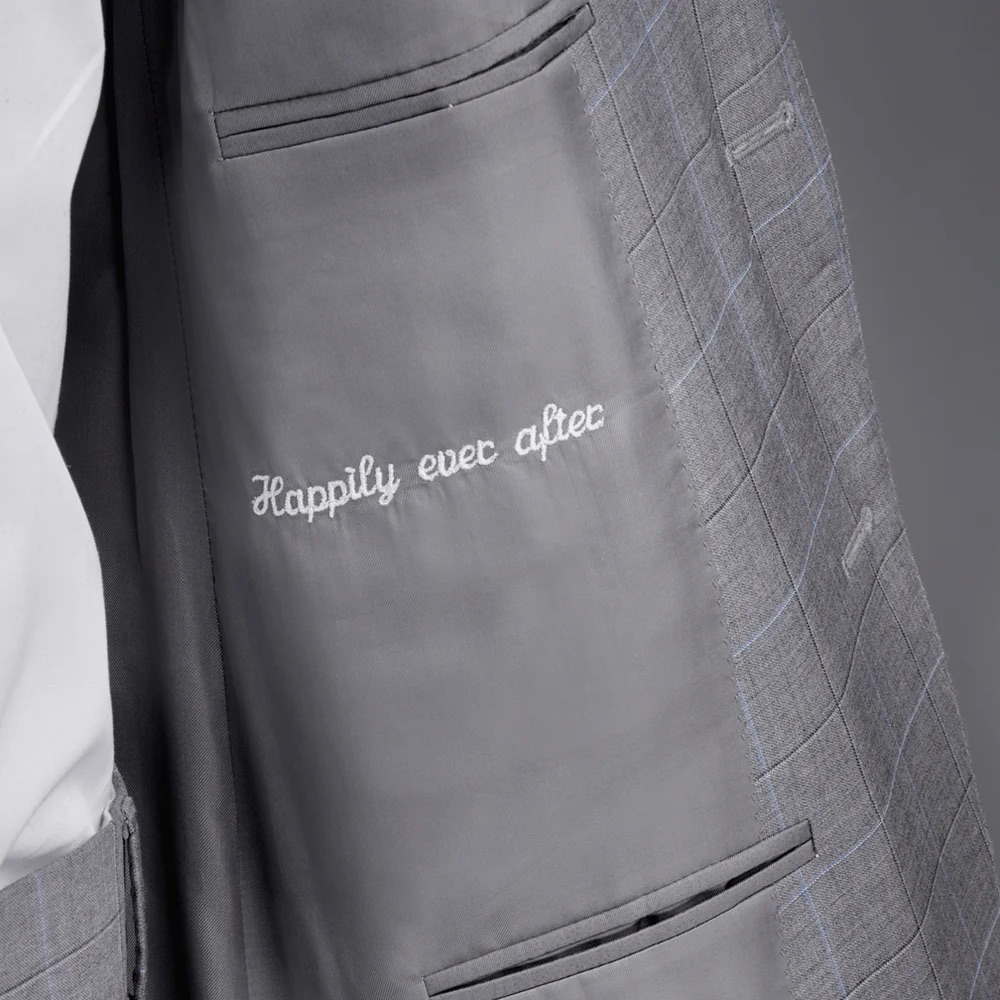
For a wedding, that control is especially valuable because the groom is not just buying a suit. He is buying the outfit he will be remembered in. The cloth, lining, buttons, lapels, trouser shape, vest, shirt, and accessories should all work together. A custom process also makes it easier to coordinate with the wedding party while keeping the groom distinct.
If you need a wedding suit that is built around your actual frame, start with custom suits rather than trying to force a ready made garment into submission. Alterations can improve a suit, but they cannot rewrite the original pattern.
Final Fit Checklist for Grooms
Before approving a wedding suit, check the full body, not just the jacket front. The shoulders should sit cleanly without divots. The collar should stay against the shirt collar. The lapels should lie flat. The front button should close without strain. The jacket should cover the seat in a way that matches the groom's height and proportions.
The sleeves should show a small amount of shirt cuff. The shirt collar should frame the face without gapping. The trousers should sit securely without a belt fighting the waistband. The seat should be smooth but not tight. The thigh should allow movement. The hem should meet the shoe cleanly. Most importantly, the groom should be able to breathe, hug, sit, and dance.
A great wedding suit is not about chasing one ideal body type. It is about building a garment that makes the groom look composed, comfortable, and unmistakably himself. When fit, proportion, fabric, and styling all support each other, the body type question disappears. What remains is a man who looks ready for the moment.
FAQ
What wedding suit style is best for a broad shouldered groom?
A broad shouldered groom usually looks best in a jacket with a natural or lightly structured shoulder, enough chest room, and medium to wider lapels. The suit should show shape at the waist without pulling across the front.
Can a shorter groom wear a three piece wedding suit?
Yes. A shorter groom can wear a three piece suit when the vest, jacket length, trouser rise, and hem are balanced carefully. Keeping the color consistent and the trouser break minimal helps preserve a longer vertical line.
What is the most flattering suit for a fuller midsection?
A fuller midsection is usually flattered by a smooth jacket front, a slightly straighter waist, a lower button stance, and higher rise trousers. A properly cut vest can also create a clean finished look after the jacket comes off.
Should athletic grooms choose slim fit wedding suits?
Athletic grooms should choose shaped fit, not tight fit. The suit needs room through the chest, biceps, seat, and thighs while still tapering cleanly. Tight tailoring often makes an athletic build look strained instead of sharp.
How early should a groom start a custom wedding suit?
Three to four months before the wedding is a strong starting point. That gives enough time for fabric selection, pattern work, fittings, and final adjustments without forcing rushed decisions close to the date.