The 1970s marked a dramatic shift in mens style, moving away from the slim and conservative tailoring of the preceding decade into an era of unapologetic expression. It was a time when wider lapels, flared trousers, and striking colors took center stage. From the glittering dance floors of the disco era to the aggressive boardrooms of corporate America, 1970s mens fashion demanded attention. At Bespoke By CB, we frequently draw inspiration from this bold decade, taking the most enduring elements of 1970s suiting and refining them for the modern Miami climate and contemporary proportions. Understanding this transformative period helps us appreciate how today's custom menswear continues to evolve.
The Evolution of the Suit Silhouette
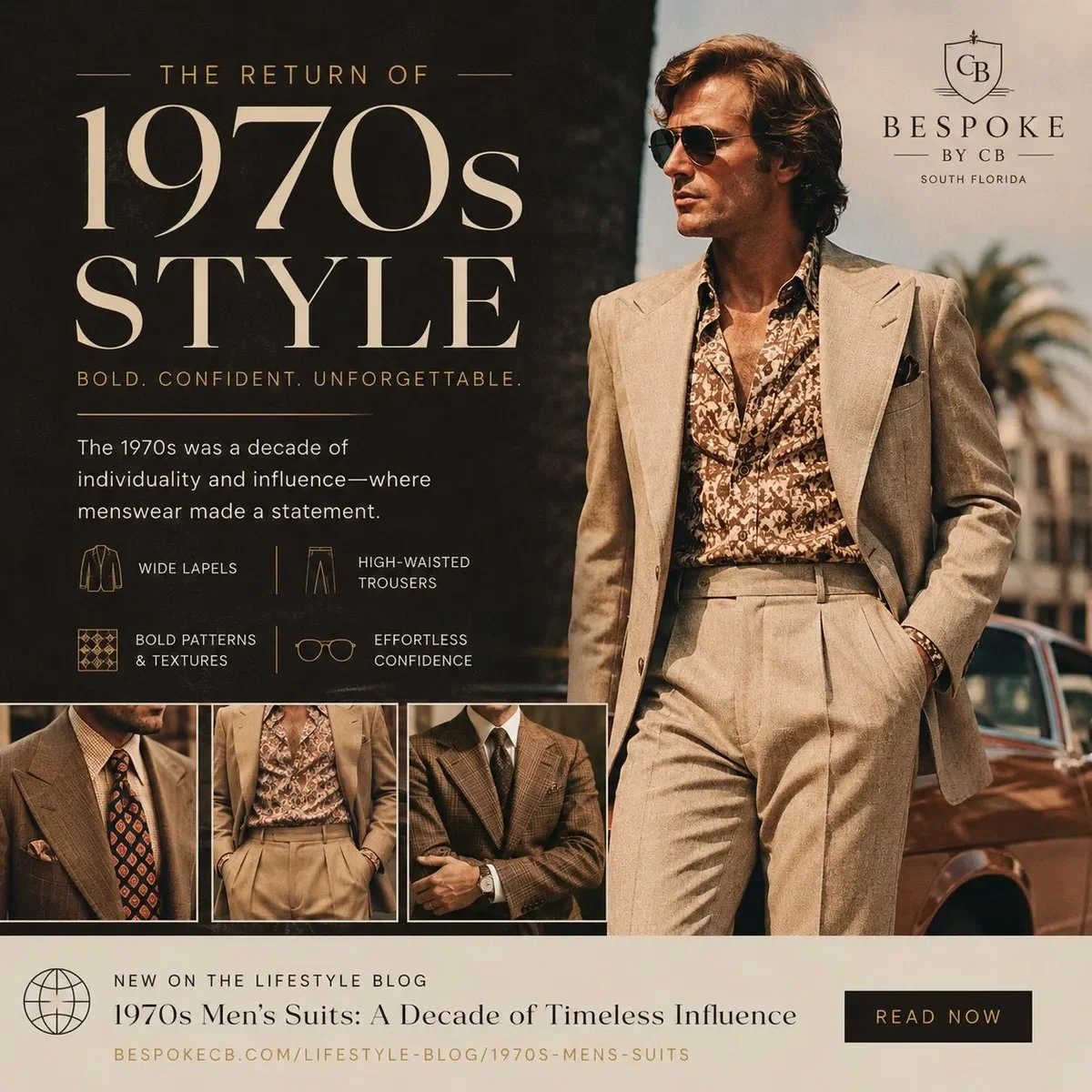
To truly grasp 1970s tailoring, you must look at how the silhouette changed. The decade began by amplifying the features of the late 1960s. The lapels grew wider, the collars grew taller, and the trousers developed a distinct flare. This was not a subtle transition. The conservative gray flannel suit was temporarily sidelined in favor of garments that made a statement before the wearer even spoke a word. The shoulder line became more pronounced, giving men a stronger and more assertive presence.
During this time, the peak lapel experienced a massive resurgence. A wider peak lapel sweeping upward toward the shoulder created the illusion of a broader chest and a narrower waist. The waist itself was often suppressed, and the jacket was cut slightly longer than in previous years. This emphasis on an hourglass shape was a defining characteristic of the era. While some of these exaggerations look costume-like today, the fundamental geometry behind them remains highly effective. We use controlled versions of these sweeping lapels at Bespoke By CB to enhance the natural build of our clients, proving that the architecture of the 1970s still holds immense value.
The trousers of the 1970s are perhaps the most recognizable element of the era. Starting slim at the thigh and flaring out dramatically below the knee, the bell-bottom or flared trouser was everywhere. While the extreme flare is rarely requested today, the concept of a trouser with more volume and presence has returned to modern menswear. Many men are moving away from the skin-tight fits of the early 2010s and embracing a slightly fuller leg, a trend that owes a significant debt to 1970s style.
Colors, Patterns, and Fabrics
If there is one word to describe the fabric choices of the 1970s, it is fearless. Men experimented with colors and patterns that had previously been reserved for women's fashion or eccentric artists. Mustard yellow, burnt orange, rich burgundy, and vibrant emerald green became acceptable options for suits and sport coats. These colors were often executed in textured fabrics like corduroy, velvet, and heavier wools, adding depth and visual interest to the garments.
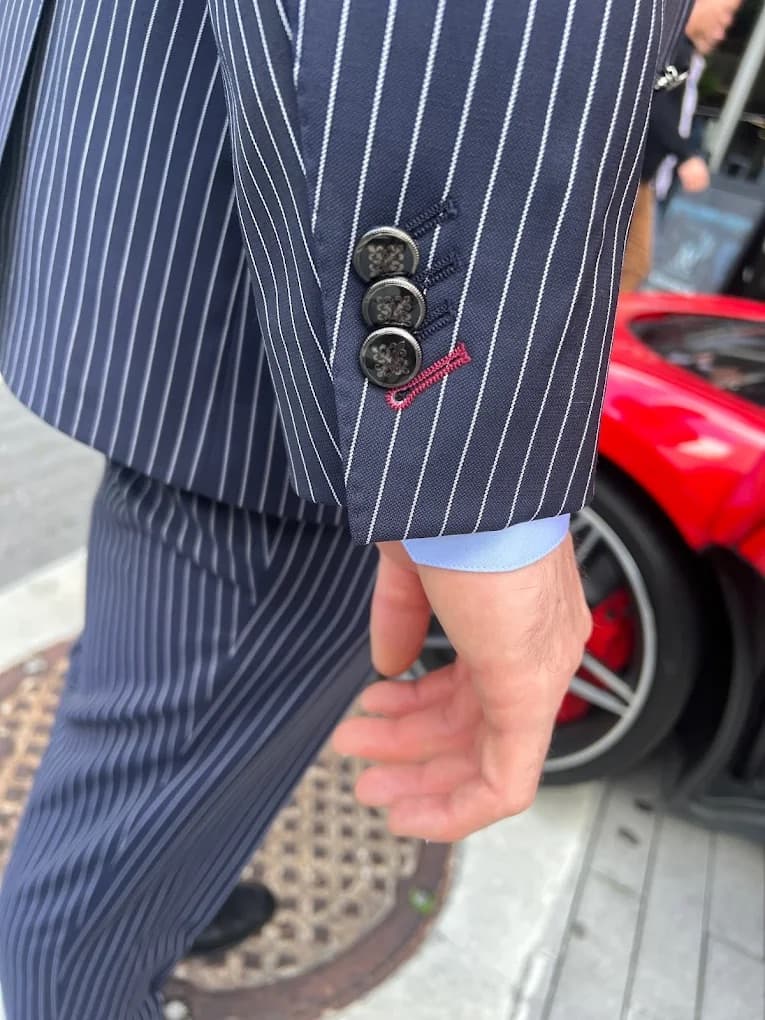
Patterned fabrics also reached new heights of popularity. Bold plaids, oversized houndstooth, and prominent windowpane checks were common sights in both professional and social settings. The conservative pinstripe was replaced by wider chalk stripes or multi-colored track stripes. This willingness to embrace pattern and color is something we actively encourage at Bespoke By CB. While a mustard yellow corduroy suit might be challenging for the office today, a rich burgundy hopsack sport coat or a subtle green windowpane suit can bring that same 1970s energy into a contemporary wardrobe without feeling out of place.
It is impossible to discuss 1970s fabrics without mentioning polyester. The introduction of synthetic fabrics revolutionized the clothing industry, offering cheaper and allegedly wrinkle-free alternatives to traditional wools and cottons. However, these fabrics breathed poorly and often looked synthetic. Today, we achieve the bold looks of the 1970s using superior natural fibers. The high-twist tropical wools and breathable silk-linen blends we use at Bespoke By CB offer the structure and vivid color saturation of the 1970s with the comfort and elegance required for the South Florida climate.
The Impact of Disco and Evening Wear
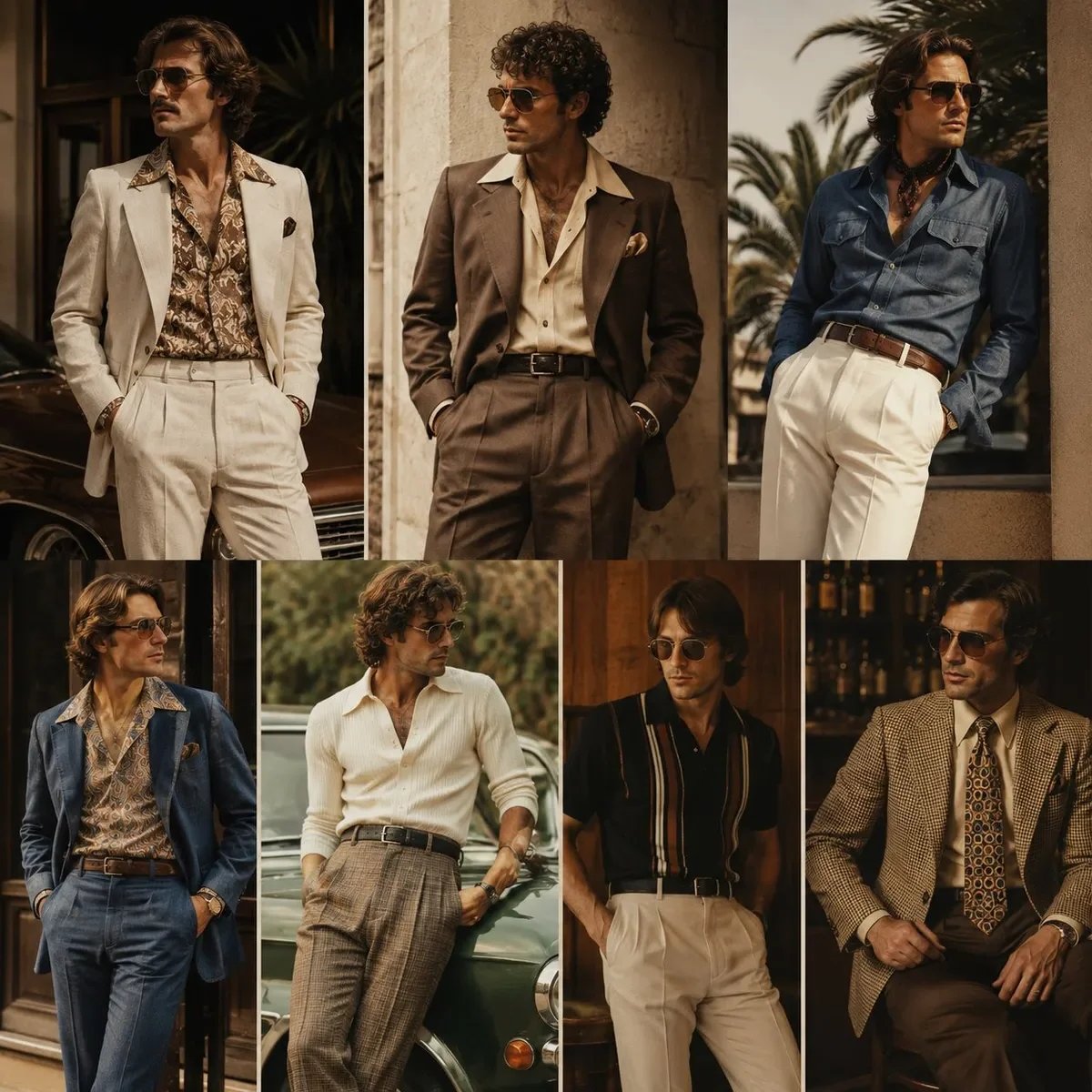
The disco phenomenon had a profound impact on menswear, bringing a glamorous and highly stylized look to the mainstream. Evening wear became less about tradition and more about visibility. The traditional black tuxedo was frequently bypassed in favor of white three-piece suits, ruffled shirts with massive collars, and velvet dinner jackets in vivid jewel tones. The goal was to stand out under the pulsing lights of the dance floor.
The open collar became a symbol of relaxed confidence. Men wore their shirts unbuttoned low on the chest, often displaying gold chains or medallions. The shirt collars themselves were enormous, designed to sit perfectly over the lapels of a jacket. While the extreme unbuttoned look is best left in the past, the underlying concept of relaxed elegance remains relevant. A beautifully tailored custom shirt worn open-necked with a structured blazer is a look that transitions seamlessly from a Miami dinner to a late-night lounge.
The velvet dinner jacket, popularized during this era, remains one of the most powerful garments a man can own. A custom velvet jacket in midnight blue or deep forest green offers a sophisticated nod to 1970s evening wear while remaining entirely appropriate for modern black-tie alternative events. The texture of velvet absorbs light beautifully, creating a richness that standard wool simply cannot match.
Power Dressing and the Corporate World
As the decade progressed into the late 1970s, the flamboyant disco styles began to recede, giving way to the early stages of power dressing. The corporate world demanded a more authoritative look, and fashion responded with suits designed to project influence and control. The shoulders remained strong, the lapels remained wide, but the colors became more subdued. Navy, charcoal, and deep brown dominated the boardroom.
The three-piece suit became a staple of professional attire. The addition of a waistcoat added a layer of formality and structure, creating a unified and imposing silhouette. A well-cut waistcoat visually elongates the torso and creates a clean line between the jacket and the trousers. At Bespoke By CB, we frequently build three-piece suits for clients who want to project authority. The three-piece configuration is incredibly versatile, allowing a man to remove his jacket while maintaining a polished and professional appearance.
This era also saw the rise of the double-breasted suit as a symbol of corporate power. A sharp six-on-two double-breasted jacket with wide peak lapels communicates confidence and traditional authority. It is a style that commands respect, which is why it continues to be a popular choice for executives and attorneys today. When cut correctly, a double-breasted suit enhances the chest and slims the waist, creating a highly flattering architectural shape.
Making It Modern at Bespoke By CB
The challenge of 1970s style is capturing its bold spirit without looking like you are attending a costume party. At Bespoke By CB, we specialize in taking the most powerful elements of this decade and translating them into modern, wearable garments. We refer to this process as making it modern, and it requires a deep understanding of proportion, fabric, and individual fit.
The first step is adjusting the proportions. While a four-inch lapel might have been standard in 1974, it can overwhelm a modern frame. We prefer a generous lapel, perhaps three and a half inches, which provides the strong, sweeping look of the 1970s but remains balanced with the rest of the jacket. We pair this with a suppressed waist and a slightly shorter jacket length to ensure the silhouette feels contemporary and sharp.
Fabric selection is crucial when updating 1970s trends. The heavy tweeds and stifling synthetics of the era are entirely unsuitable for the Miami climate. Instead, Bespoke By CB utilizes advanced, lightweight European cloths that breathe effortlessly while maintaining sharp tailoring. We can achieve the textured look of a 1970s Donegal or the rich color of a vintage corduroy using sophisticated silk, linen, and lightweight wool blends. This allows our clients to wear bold, expressive clothing year-round in complete comfort.
Trouser proportions must also be modernized. We eliminate the extreme flare but retain a comfortable, slightly fuller leg that drapes cleanly over the shoe. A subtle taper from the knee down provides a modern finish while honoring the relaxed comfort that 1970s tailoring championed. When combined with a slightly higher rise, this trouser cut elongates the legs and provides a highly flattering foundation for the suit.
Our approach at Bespoke By CB is deeply collaborative. We work closely with our clients to understand their personal style and professional needs, ensuring that every garment we build is a perfect reflection of their unique identity. Whether you are inspired by the sharp, slim lines we discussed in our guide to 1960s menswear, or the bold and assertive silhouettes of the 1970s, we have the expertise to bring your vision to life.
Why Fit Matters More Than Ever
If you are attempting to incorporate vintage-inspired elements into your wardrobe, precise fit is absolutely non-negotiable. A wide lapel on a poorly fitted jacket looks clumsy and outdated. A wide lapel on a bespoke jacket, cut precisely to your shoulder slope and chest width, looks powerful and intentional. The difference lies entirely in the tailoring.
Off-the-rack clothing is designed to fit an average block, meaning it rarely flatters anyone perfectly. When you introduce distinctive design elements like peak lapels or double-breasted closures, the flaws in off-the-rack sizing become even more apparent. Custom clothing eliminates this problem entirely. Every aspect of a Bespoke By CB garment is built around your specific measurements, ensuring that the proportions are flawless and the drape is immaculate.
A beautifully tailored suit is an investment in your personal brand. It communicates attention to detail, respect for your surroundings, and a confident sense of self. The men who defined the style of the 1970s understood this power, and the men who dress well today continue to leverage it.
Frequently Asked Questions
Can I wear wide lapels to a conservative office?
Yes, provided the overall execution is refined. A subtle increase in lapel width adds a touch of classic elegance without violating corporate dress codes. We recommend sticking to conservative colors like navy or charcoal and pairing the wider lapel with a clean, perfectly tailored silhouette to maintain professional authority.
What is the difference between a peak lapel and a notch lapel?
A notch lapel features a triangular cutout where the lapel meets the collar, making it the standard choice for business suits. A peak lapel sweeps upward and outward toward the shoulder, creating a more formal and aggressive look. Peak lapels were highly popular in the 1970s and remain an excellent choice for men who want to emphasize their chest and shoulders.
Are three-piece suits still relevant today?
Absolutely. A three-piece suit is one of the most versatile and distinguished garments a man can own. It provides a highly formal and polished look when worn completely, and the waistcoat allows you to maintain a sharp appearance even if you remove your jacket during the workday.
How does Bespoke By CB adapt heavy vintage fabrics for Miami?
We source premium lightweight fabrics from the world's finest mills that replicate the texture and appearance of vintage cloths without the suffocating weight. By using high-twist tropical wools, open-weave fresco fabrics, and luxurious silk-linen blends, Bespoke By CB ensures you look exceptional while remaining completely comfortable in the South Florida heat.
How long does the custom suit process take?
The full bespoke process at Bespoke By CB typically takes 8 to 12 weeks from the initial consultation and measurement session to the final delivery of the garment. This timeline allows for multiple fittings to ensure every detail is absolutely perfect.
Your Wardrobe, Defined by You
The 1970s proved that menswear does not have to be boring. It showed that men could embrace color, experiment with proportion, and use clothing as a powerful tool for self-expression. While the extreme trends of the disco era have faded, the core principles of bold, confident dressing remain as relevant as ever.
If you are tired of uninspired, off-the-rack clothing that fails to reflect your personality or fit your body correctly, it is time to experience true custom tailoring. Bespoke By CB creates garments that are as unique as the individuals who wear them, combining world-class craftsmanship with an unparalleled understanding of modern style. Schedule a consultation with Bespoke By CB today, and discover how a perfectly tailored suit can transform the way you present yourself to the world.
The Role of Accessories in 1970s Styling
No discussion of 1970s menswear is complete without addressing the accessories that defined the era. The minimalist approach of the early 1960s was entirely discarded. Men embraced bold accessories that complemented their wide lapels and vibrant fabrics. Ties became significantly wider, often measuring four or five inches across, and featured striking geometric patterns or loud paisley prints. These wide ties, known as kipper ties, were designed to balance the exaggerated lapels of the jackets. While a five-inch paisley tie is no longer recommended, the principle of matching tie width to lapel width remains a fundamental rule of tailoring that we emphasize at Bespoke By CB.
Jewelry also played a crucial role in the 1970s aesthetic. Chunky gold bracelets, heavy signet rings, and prominent chain necklaces were worn openly and unapologetically. Cufflinks became larger and more ornate, often featuring semi-precious stones or intricate metalwork. The integration of bold jewelry added a layer of personal flair and luxury to the overall look. Today, we see a resurgence in men wearing statement jewelry, and when paired with a sharply tailored custom suit, it creates a sophisticated and highly individualized appearance.
Footwear underwent its own transformation. The sleek oxfords and minimal loafers of previous decades were joined by platform shoes, chunky Chelsea boots, and intricate two-tone brogues. Higher heels on men's shoes altered the wearer's posture, pushing the chest forward and complementing the strong-shouldered suits. While platform shoes are best left in the archives, a well-made Chelsea boot or a custom loafer with a slightly thicker sole provides a modern nod to this era while remaining elegant and versatile.
The Cultural Icons Who Shaped the Look
The fashion of the 1970s was heavily driven by the cultural icons of the time. Musicians, actors, and public figures embraced the bold new silhouettes, broadcasting them to millions. Figures like Mick Jagger and David Bowie pushed the boundaries of gender and style, wearing velvet suits, satin blouses, and vibrant colors with absolute conviction. Their influence proved that menswear could be deeply expressive and theatrical.
On the cinematic front, actors like Robert Redford and Steve McQueen demonstrated how to wear 1970s tailoring with rugged masculinity. Redford's appearances in films featuring wide-lapel suits and perfectly styled hair became the gold standard for American suiting. His ability to make a three-piece suit look both powerful and effortlessly cool is a masterclass in classic style. Similarly, the cinematic portrayals of wealthy businessmen and powerful executives cemented the double-breasted suit as the ultimate symbol of success. These icons understood that confidence is the most critical component of any outfit.
At Bespoke By CB, we often reference these cultural touchstones when helping clients find their personal style. Whether a client wants the relaxed swagger of a 1970s rock icon or the sharp authority of a cinematic executive, we use those inspirations as a starting point to build a wardrobe that feels authentic and powerful.
Building a Versatile Wardrobe with 1970s Influences
Incorporating the best elements of the 1970s into your wardrobe does not mean overhauling your closet with vintage pieces. It means selecting specific details that enhance your personal style and having them executed flawlessly through custom tailoring. A versatile wardrobe should seamlessly blend classic foundations with expressive details.
Start with a core foundation of well-tailored business suits. A navy blue suit with a slightly wider lapel and a suppressed waist provides a powerful silhouette for any professional setting. Add a charcoal gray double-breasted suit for days when you need to project maximum authority. These foundational pieces will serve you well in any corporate environment while offering a subtle nod to the strong tailoring of the 1970s.
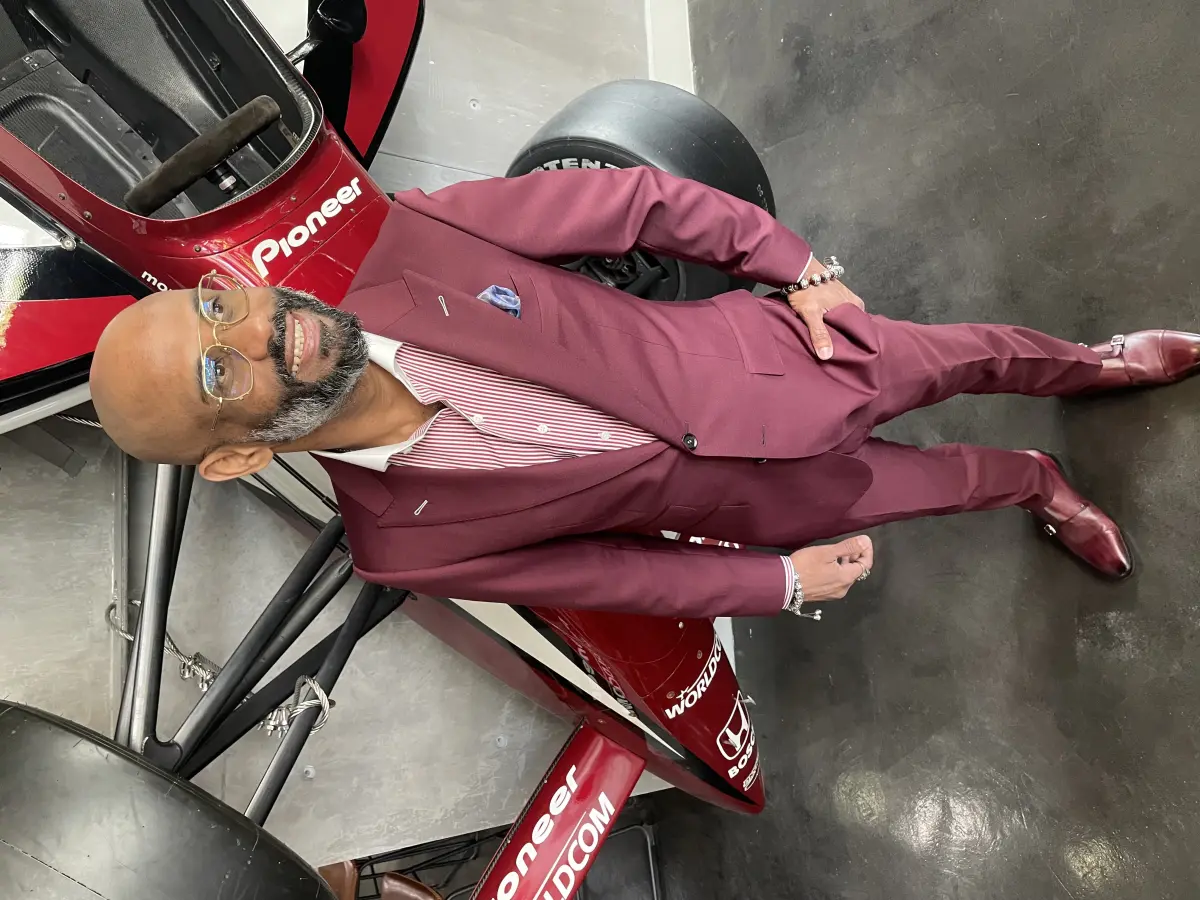
Once the foundation is set, introduce expressive sport coats and blazers. A burgundy hopsack blazer or a deep green textured sport coat can be worn with custom trousers for a smart-casual look, or paired with dark denim for a relaxed evening out. The key is to ensure the fabrics are sophisticated and the fit is impeccable. Bespoke By CB excels at creating these versatile, statement-making pieces that integrate perfectly with your existing wardrobe.
Finally, invest in custom shirts that offer variety in collar style and fabric. A classic spread collar is essential for business, but adding a few shirts with slightly taller collars or subtle patterns can elevate your weekend and evening attire. Remember that the fit of the shirt is just as important as the fit of the jacket; a bulky, ill-fitting shirt will ruin the line of even the finest bespoke suit.
The Enduring Legacy of the 1970s
The 1970s was a decade of extremes, but beneath the flamboyant colors and exaggerated proportions lay a fundamental truth: menswear should be expressive, confident, and tailored to the individual. The era challenged the strict rules of the past and proved that a man could command a room in a velvet dinner jacket just as effectively as he could in a gray flannel suit.
The legacy of the 1970s lives on in the modern appreciation for personalized tailoring, bold fabric choices, and strong silhouettes. It taught us that fit and proportion are the ultimate arbiters of style, and that a well-cut garment can completely transform a man's presence. At Bespoke By CB, we carry this legacy forward every day, crafting custom suits, sport coats, and formalwear that empower our clients to look and feel their absolute best. Embrace the bold spirit of the 1970s, refined for the modern world, and discover the unparalleled power of true bespoke tailoring.