Sport coats, blazers, and jackets: these terms are used interchangeably by many suiting retailers, causing a high level of confusion for shoppers. You will often see any tailored jacket listed for sale as just a "blazer," even if this is not the case.
A truly well-dressed gentleman must pay attention to the details. This includes understanding the foundations of any great wardrobe. For example, you don't want to wear a sport coat to a black-tie event.
At Christian Boehm, we are here to help. Our custom stylists have prepared a guide to help you understand the key differences between a sport coat and a blazer.
WHAT IS A SPORT COAT
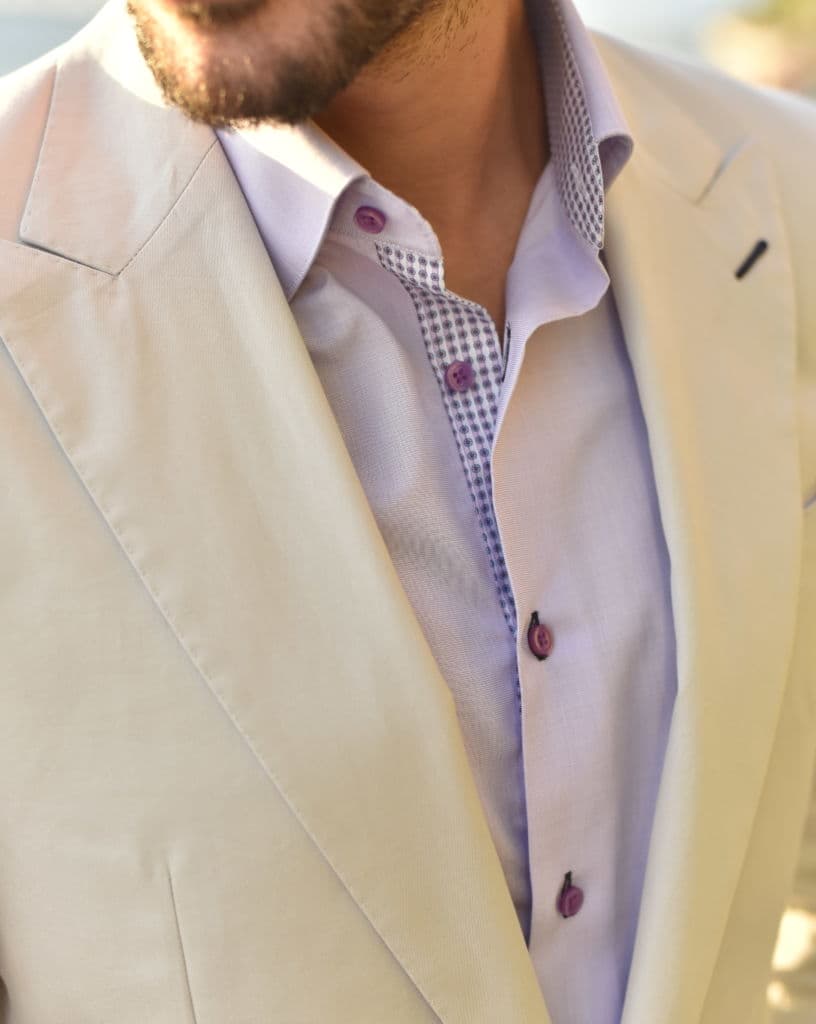
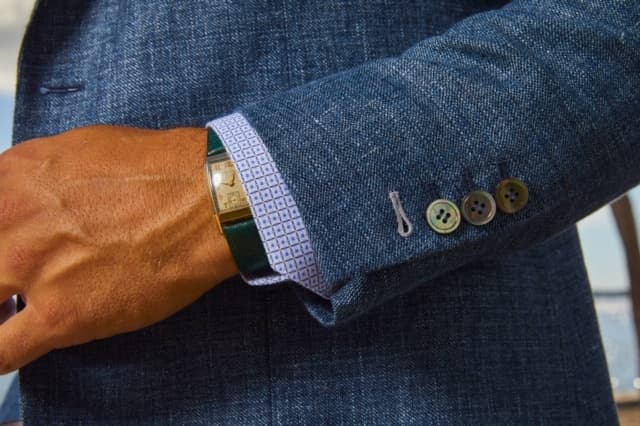
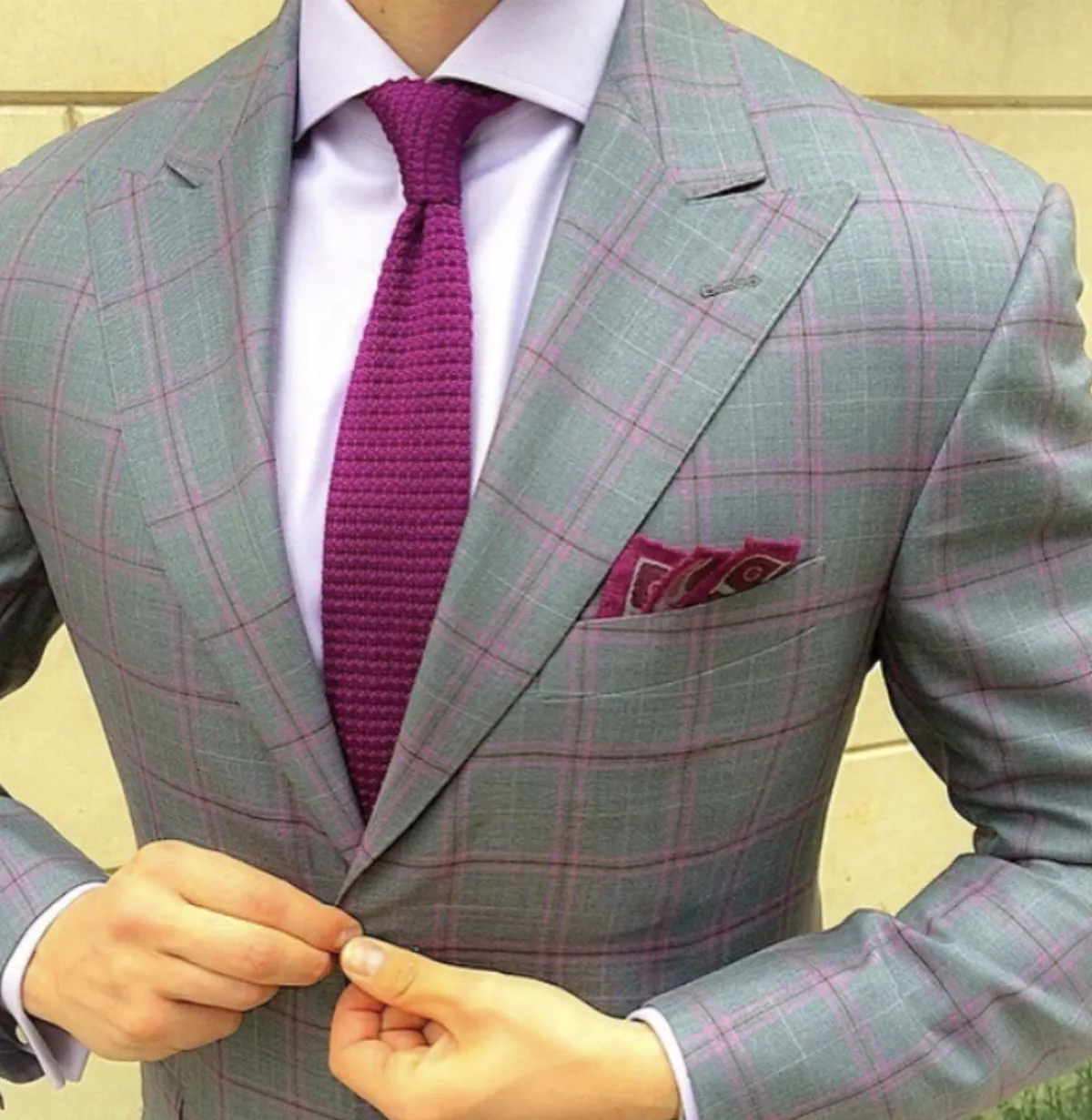
A sport coat, by definition, is a men's jacket that is made up of various textured weaves and fabrics. What makes a sport coat unique from a traditional suit or blazer is the use of pattern and texture.
A sport coat will generally be a bit more unstructured than a traditional suit jacket. Depending on your style, you might opt for a sport coat that has elbow patches on the arm.
Depending on the manufacturer, this jacket can either be called a sport coat or sport jacket. They both mean the same thing.
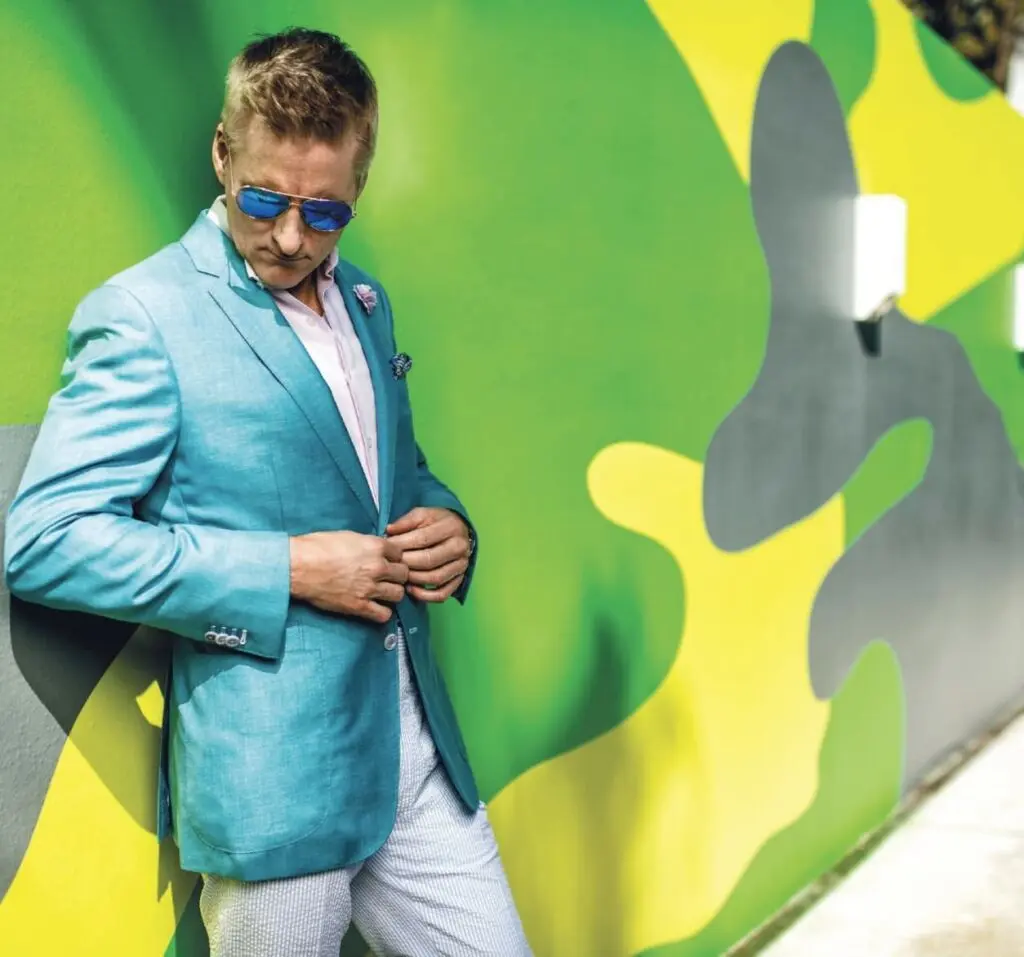
THE HISTORY OF A SPORT COAT
The sport coat originally came into fashion in the 1860s. The Duke of Norfolk wore the coat as part of his hunting ensemble. Because of the structure of the jacket, with its flapped pockets and ammunition storage, it was ideal for shooting. This Norfolk jacket also contained a fastening belt around the waist, providing the user with additional comfort while hunting.
The original sport coats were paired with knickerbockers and bowler hats. They were cut from heavy wool or tweed in muted earth tones. It was not until the 1920s that the sport coat made its way to mainstream fashion. They were first sported exclusively by the rich and famous. The sports jacket, over time, became more affordable to the masses.
Today, the sport coat is known as a staple of sharply dressed men.
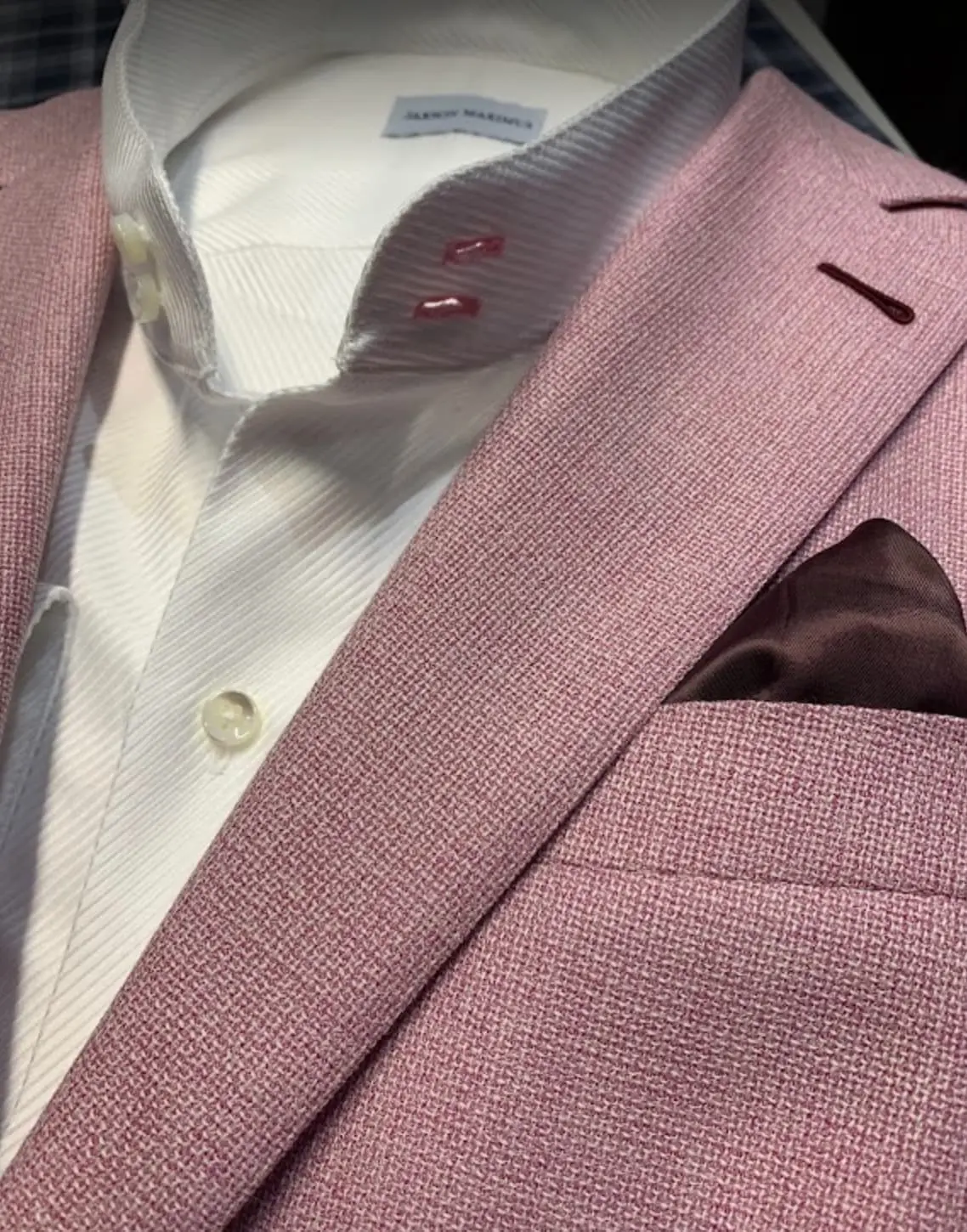
STYLING A SPORT COAT
A sport coat is an excellent option for work and also for a night on the town. Any pair of bottoms, except those with an identical color, will work with your sports coat. Pair it with your favorite pair of denim in a business casual environment or worn with trousers for an evening cocktail party.
If you live in a colder climate, a sports coat does exceptionally well when layered over sweaters and turtlenecks.
Some key patterns and fabrics you might want to consider for your sport coat are tweed, herringbone, houndstooth, and flannel.
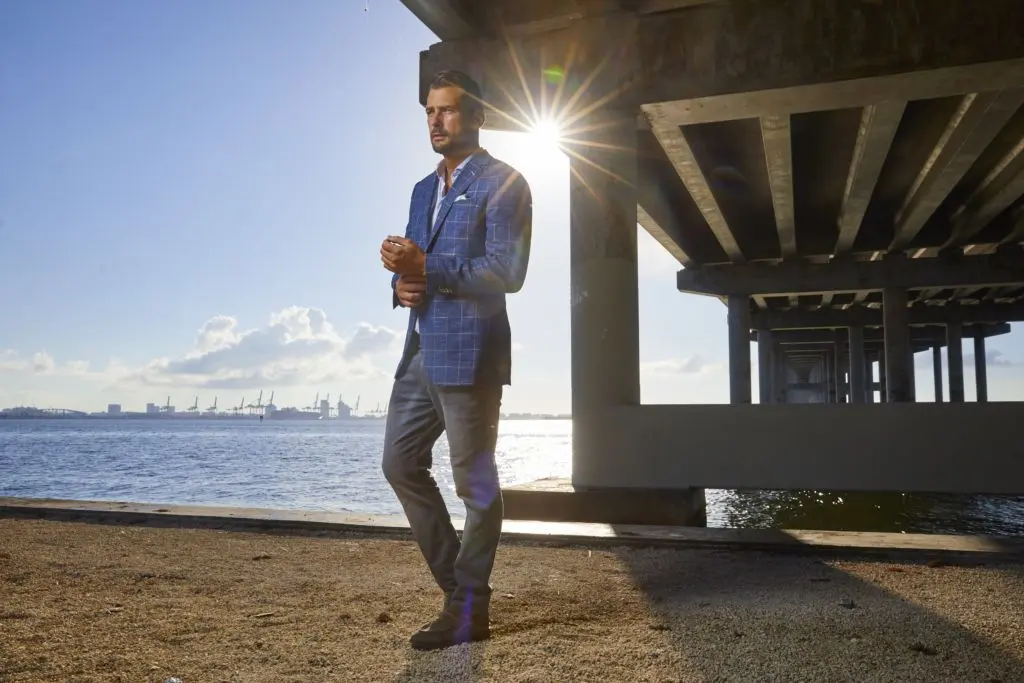
DEFINITION OF A BLAZER
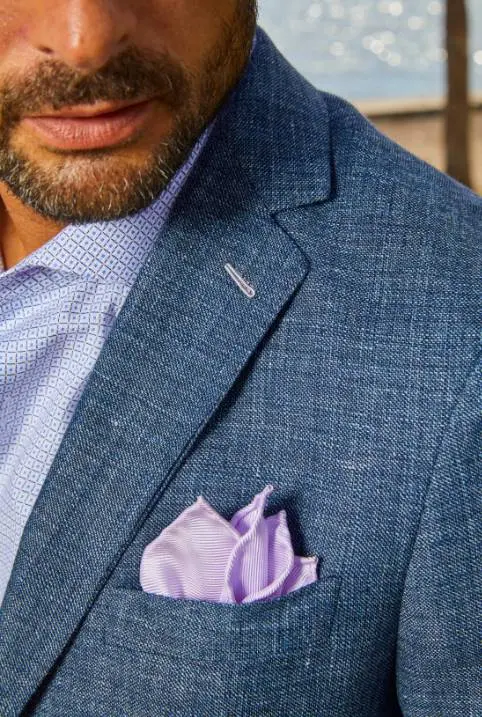
For a blazer to be a blazer, it must meet a specific set of criteria. The most important factor is that a blazer must come in a solid color. A blazer can incorporate fun details such as contrasting stitching, but technically speaking, having any pattern in the fabric will turn the blazer into a sports coat.
Blazers most often are seen in the color navy, but they come in a wide variety of shades such as green, red, light blue, and khaki.
A common addition to a blazer is a crest of some sort. This crest could be symbolic of a club, school, or association. You will not find crests on sports jackets or suits, only blazers. Depending on where you purchase your blazer or the social significance of your blazer, it might be adorned with distinctive contrasting buttons in gold or silver. For example, a yachting association might give their members a blazer adorned with anchor buttons symbolizing they are part of the association.
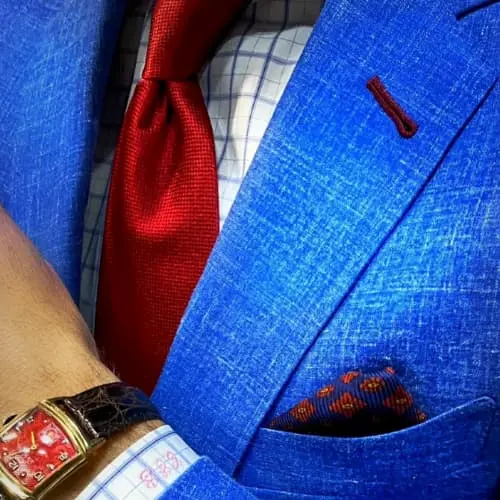
HISTORY OF THE BLAZER
Throughout history, blazers always gave off a nautical feel. The blazer's origins date back to 1825 when members of the rowing club at Oxford and Cambridge sported them as part of their uniforms. The original uniforms were made with bright colors, the most distinctive being red. The oarsmen would carry over their uniforms to social events, where they were seen by society as being rebellious.
Blazers soon made their way over to sailors in the British Navy. Some say that during 1837, Queen Victoria was said to have been so taken aback by the sight of a group of men from the British Navy dressed in blazers that she declared they were made the Navy's official uniform.
STYLING BLAZERS
A great way to style your blazer would be to pair it with your favorite pair of khakis, flannels, or colorful chinos. Adding a pair of jeans can be a great way to dress down your blazer for a business casual work environment or a night on the town.
At Christian Boehm, we recommend if you are going to go the denim route that you try pairing your blazer with colored jeans, such as the Paige Federal line, instead of just the traditional light and dark washes.
Depending on the occasion, you could pair your blazer with a basic white t-shirt to a crisp white button-up. Given the versatility of blazers, a wide variety of shoes can be worn. We recommend matching your shoes to the formality of your bottoms. If you opt for denim, try a loafer. If you choose flannel trousers, try adding oxfords or monk strap shoes.
SPORT COAT VS. BLAZER: WHAT DISTINGUISHES THE TWO
When we look at a sport coat and a blazer side-by-side, we will begin to notice some key characteristics such as:
SPORT COAT
- They will come in a wide variety of patterns, colors, and textures
- A sports coat will have a less structured fit. This provides you with more mobility and the ability to layer more underneath
- You will have more design options such as elbow patches, ticket pockets, pleats, etc.
- Paired with non-matching bottoms
BLAZER
- They will come in solid colors, most popularly in Navy
- A blazer will offer a structured shoulder and be more fitted
- Traditionally a blazer will come in 2-button or 3-button single-breasted or 6-button double-breasted varieties
- Looks best when paired with non-matching bottoms (khakis, chinos, etc.)
FABRIC GUIDE FOR SPORT COATS AND BLAZERS
Choosing the right fabric for your sport coat or blazer depends on when and where you plan to wear it. For year-round versatility in a warm climate like Miami, a hopsack weave is an excellent choice. Hopsack is an open weave that breathes well and resists wrinkling, making it ideal for travel and everyday wear.
For a navy blazer, consider a Super 120s wool for a crisp, structured look that works in both business and social settings. If you want something more textured, a birdseye weave adds subtle visual interest while maintaining a solid color, keeping it technically a blazer rather than a sport coat.
For sport coats, the world of fabrics opens up significantly. A tweed sport coat in winter months adds warmth and character. In spring and summer, a linen-cotton blend or a fresco wool sport coat keeps you comfortable while looking sharp. For Miami's climate, lightweight options like cotton-linen blends and tropical wools are the most practical choices.
MIAMI STYLING TIPS FOR SPORT COATS AND BLAZERS
In Miami's warm climate, the way you style sport coats and blazers requires some adaptation. Here are some tips specific to South Florida:
For a blazer in Miami, opt for an unstructured, half-lined or unlined model. A navy hopsack blazer with patch pockets is a versatile piece that works for business casual offices in Brickell, dinner dates in Coconut Grove, and weekend events in Coral Gables. Pair it with light grey or khaki trousers and brown suede loafers for a look that is polished but not stuffy.
For sport coats, consider fabrics in lighter weights and more casual textures. A linen sport coat in a subtle windowpane pattern worn with cream trousers and an open-collar shirt is a quintessential Miami look. Avoid heavy structured shoulders, which trap heat and look out of place in a tropical environment.
Color choices in Miami can be bolder than in northern markets. A light blue or pastel sport coat is perfectly appropriate for social events and even some business settings in South Florida. When in doubt, keep the color palette light and the fabrics breathable.
Book Free Custom Clothing Consultation
Frequently Asked Questions About Sport Coats And Blazers
Can I wear a sport coat with jeans?
Yes, a sport coat pairs excellently with jeans for a smart casual look. Choose dark wash denim in a slim or straight fit. Avoid distressed jeans, as they clash with the tailored nature of a sport coat. Complete the look with a crisp shirt or fine-gauge knit and leather shoes or boots.
Is a blazer appropriate for a wedding?
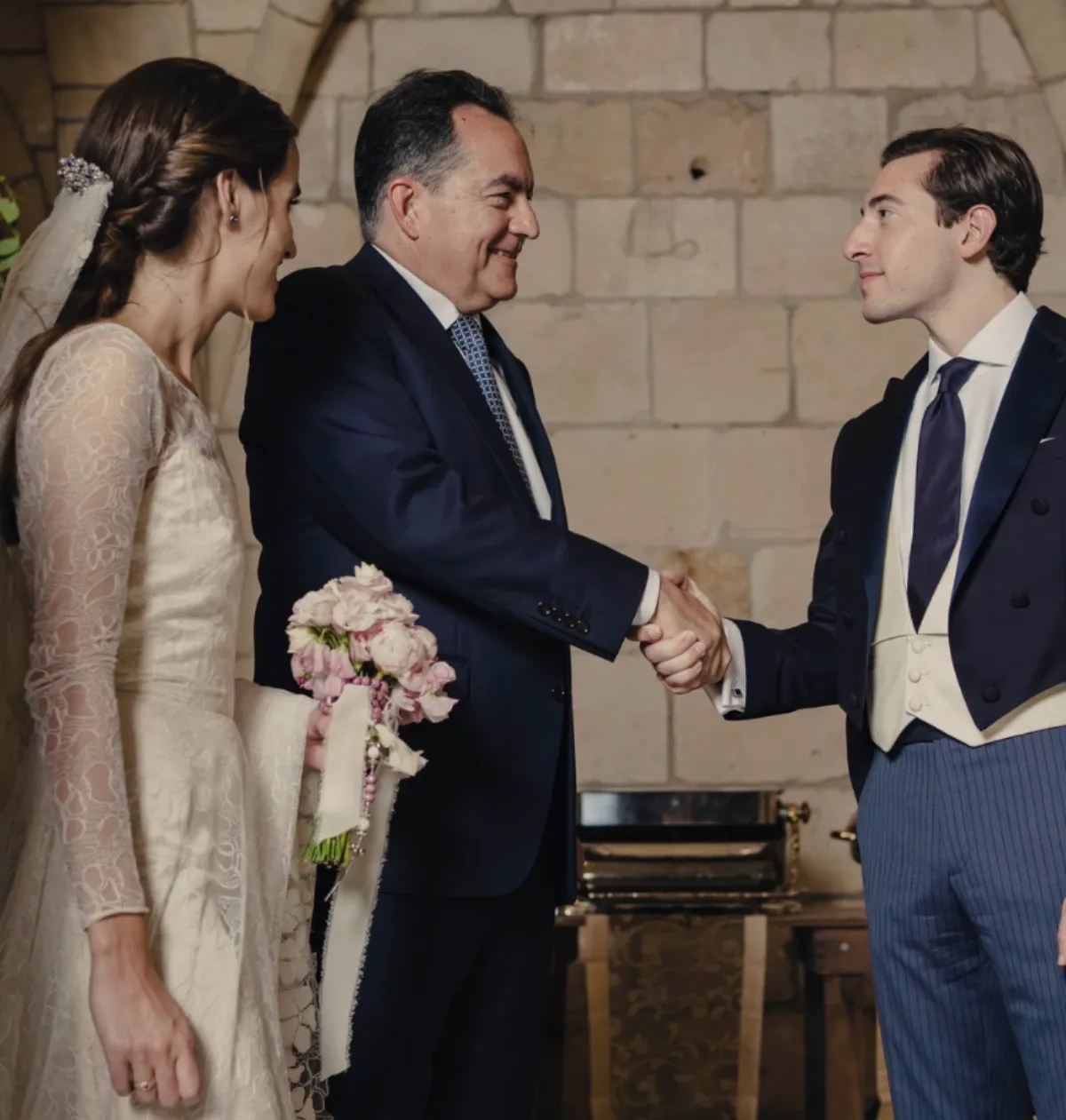
A navy blazer can work for a semi-formal or casual wedding, especially daytime or outdoor events. Pair it with grey trousers, a white shirt, and a tasteful tie. For evening or formal weddings, a full suit is more appropriate. When in doubt, ask the couple or check the invitation for dress code guidance.
How do I know if a jacket is a sport coat or a blazer?
The simplest way to tell is by looking at the fabric. If the jacket is a solid color with no pattern, it is likely a blazer. If it has any visible pattern, texture, or weave that creates visual interest, it is a sport coat. Blazers also often feature metal buttons or crests, while sport coats typically have horn or plastic buttons.
Sport Jackets vs Blazers for Casual Wear
While the existing guide covers the fundamentals, the question we hear most often at Bespoke By CB is simpler: which one do I grab on a Saturday? The answer depends on where you are going, what you are wearing underneath, and how much effort you want to put in. Let us break it down for everyday, casual situations.
When to Reach for a Sport Jacket Casually
A sport jacket is the natural choice when the dress code is ambiguous or when you want to look considered without looking like you tried too hard. If you are heading to a weekend brunch, a gallery opening, a dinner date, or a casual Friday at the office, a sport jacket is your best friend. The texture and pattern inherent to sport coats do the heavy lifting for you. You can pair a herringbone sport coat with a simple crewneck t-shirt and jeans, and the outfit works because the jacket itself provides enough visual interest to carry the look.
The unstructured nature of most sport jackets also makes them more comfortable for all-day wear. Soft shoulders, patch pockets, and half-lined constructions mean the jacket moves with you rather than constraining you. For a casual day that might involve walking, sitting at a cafe, or jumping between meetings, that comfort matters.
When to Reach for a Blazer Casually
A blazer, particularly in navy, is the right call when you need a step up in polish but still want to keep things relaxed. Think dinners at nice restaurants, evening events, or any situation where a sport jacket might feel a touch too rugged. A navy blazer over a white Oxford shirt and dark jeans is a timeless combination that works for men of every age and body type. The structure of a blazer, with its fitted shoulder and cleaner lines, communicates a level of intentionality that a sport jacket does not.
A blazer is also the safer choice when you are unsure. If the invitation says smart casual, or you cannot quite tell whether the event is dressy or laid-back, a navy blazer splits the difference perfectly. It is the most versatile single jacket a man can own, and at Bespoke By CB, it is one of the first pieces we recommend to clients building a wardrobe from scratch.
Styling Each With Jeans and Chinos
Both sport jackets and blazers pair well with denim and chinos, but the execution differs slightly. With a sport jacket, lean into the casual nature of the piece. Dark wash denim or chinos in a complementary earth tone work beautifully. Because the sport jacket already has texture and pattern, keep the rest of the outfit relatively quiet. A solid shirt, clean leather sneakers or chukka boots, and a simple belt are all you need.
With a blazer, treat it as the anchor of the outfit. Dark jeans in a clean wash or chinos in grey, khaki, or olive provide a neutral base. Because the blazer is a solid color, you have room to experiment with patterned shirts, knit ties, or pocket squares. The blazer gives you a structured frame to build on, so take advantage of it. Just remember the golden rule: if you add a pocket square, skip the tie. Wearing both at once in a casual context reads as trying too hard.
Fabric and Texture for Casual Contexts
Fabric choice shifts significantly when you are dressing casually. For a sport jacket, textured weaves are the whole point. Look for hopsack, tweed, donegal, herringbone, or cotton-linen blends. These fabrics look better the more lived-in they become. A hopsack sport coat in navy or olive is arguably the most useful casual jacket a man can own. It is breathable, wrinkle-resistant, and works in every season except the dead of winter in cold climates.
For a casual blazer, consider skipping the traditional worsted wool and opting for a more relaxed fabric. A navy hopsack blazer, a cotton blazer in tan or olive, or a linen blazer for summer all read as more approachable than a smooth worsted wool. The fabric itself signals that you are not heading to a boardroom. In Miami, lightweight cotton and linen blends are particularly effective for maintaining comfort without sacrificing structure.
The key difference is this: with a sport jacket, the fabric is the star. With a casual blazer, the fabric should support the overall look without calling attention to itself. A hopsack blazer still looks like a blazer, but the subtle texture makes it feel appropriate with jeans and an open collar, which a smooth worsted wool blazer never quite manages.
Dressing Each Down: What Works and What Does Not
The biggest mistake men make when dressing down a tailored jacket is going too far in the casual direction. A sport jacket or blazer with a graphic t-shirt and running shoes almost always looks disjointed. The jacket is communicating one thing and the rest of the outfit is communicating another, and the clash undermines the whole look.
Instead, dress down in stages. Swap a dress shirt for a well-fitted knit or polo shirt. Trade dress shoes for clean leather sneakers, loafers, or chukka boots. Replace a silk tie with an open collar. These are small substitutions that maintain the integrity of the outfit while lowering the formality by a clear degree. The goal is to look relaxed, not sloppy.
Layering is another effective way to dress down either jacket. A sport coat over a fine-gauge merino sweater with no shirt showing at the collar is a polished but casual combination. A blazer over a quarter-zip knit is equally effective for fall and winter. In warmer climates like Miami, skip the layers and instead rely on fabric choice and accessories to set the tone.
Color and Pattern Guidance for Casual Settings
For casual sport jackets, earth tones are your best starting point. Olive, rust, chocolate brown, and deep green all work beautifully in textured fabrics and pair effortlessly with denim and chinos. A subtle windowpane or prince of wales check adds personality without becoming loud. If you are new to patterned jackets, start with a herringbone or birdseye weave in navy or grey. These patterns are visible only up close, giving you the texture benefit of a sport coat with the versatility of a near-solid color.
For casual blazers, navy remains the undisputed king. It pairs with virtually every color of trouser and shirt, works in every season, and transitions seamlessly from day to night. After navy, consider a mid-grey blazer, a khaki cotton blazer for warm weather, or a light blue blazer for a fresh, summery look. Avoid black for casual wear. Black blazers tend to read as formal and can look harsh against the softer colors typically found in casual outfits.
Shoes and Shirts: Completing the Casual Look
The shoes you choose will make or break a casual tailored look. With a sport jacket, leather sneakers in white or cream, suede chukka boots, penny loafers, and brogue boots all work. The key is matching the shoe to the overall mood. Suede reads as more casual than smooth leather, and brown reads as more relaxed than black. When in doubt, brown suede is the most versatile casual shoe color for a man in a tailored jacket.
With a blazer, the shoe range shifts slightly more formal. Penny loafers, monk straps, and oxfords in brown leather are all appropriate. Clean white leather sneakers can work with a navy blazer for a sharp casual look, but avoid anything chunky or athletic. The blazer is still a structured garment, and the shoes should respect that structure.
For shirts, the casual hierarchy is straightforward. At the most casual end, a well-fitted crewneck t-shirt in merino or premium cotton works with a sport jacket, but not with a blazer. A step up, a polo shirt works with both. An Oxford shirt worn open-collar is perhaps the most versatile option of all, working equally well with either jacket. For a blazer specifically, an Oxford shirt with the sleeves rolled up is a classic warm-weather combination that never goes out of style.
At Bespoke By CB, we help men across Miami build wardrobes that work for every occasion, from the boardroom to the beach club. Whether you need a single versatile sport jacket or a complete casual wardrobe, our custom stylists will guide you through fabric selection, fit, and styling. Book a complimentary consultation at our Brickell showroom and let us help you find the right jacket for your lifestyle.
Can I wear a sport jacket with a t-shirt?
Yes, but choose carefully. A plain, well-fitted crewneck in a fine fabric like merino wool or premium cotton works. Avoid graphic tees, V-necks, and anything with visible logos. The t-shirt should look deliberate, not like you forgot to put on a real shirt. A neutral color, such as white, grey, or navy, keeps the look clean and lets the jacket be the focal point.
Which is more versatile for everyday wear: a sport jacket or a blazer?
For most men, a navy blazer is the more versatile starting point. It pairs with more colors, works in more settings, and transitions more easily between day and evening. However, once you already own a blazer, a textured sport jacket in a neutral color becomes the most useful second jacket you can buy. Together, the two cover nearly every casual and smart-casual situation you will encounter.