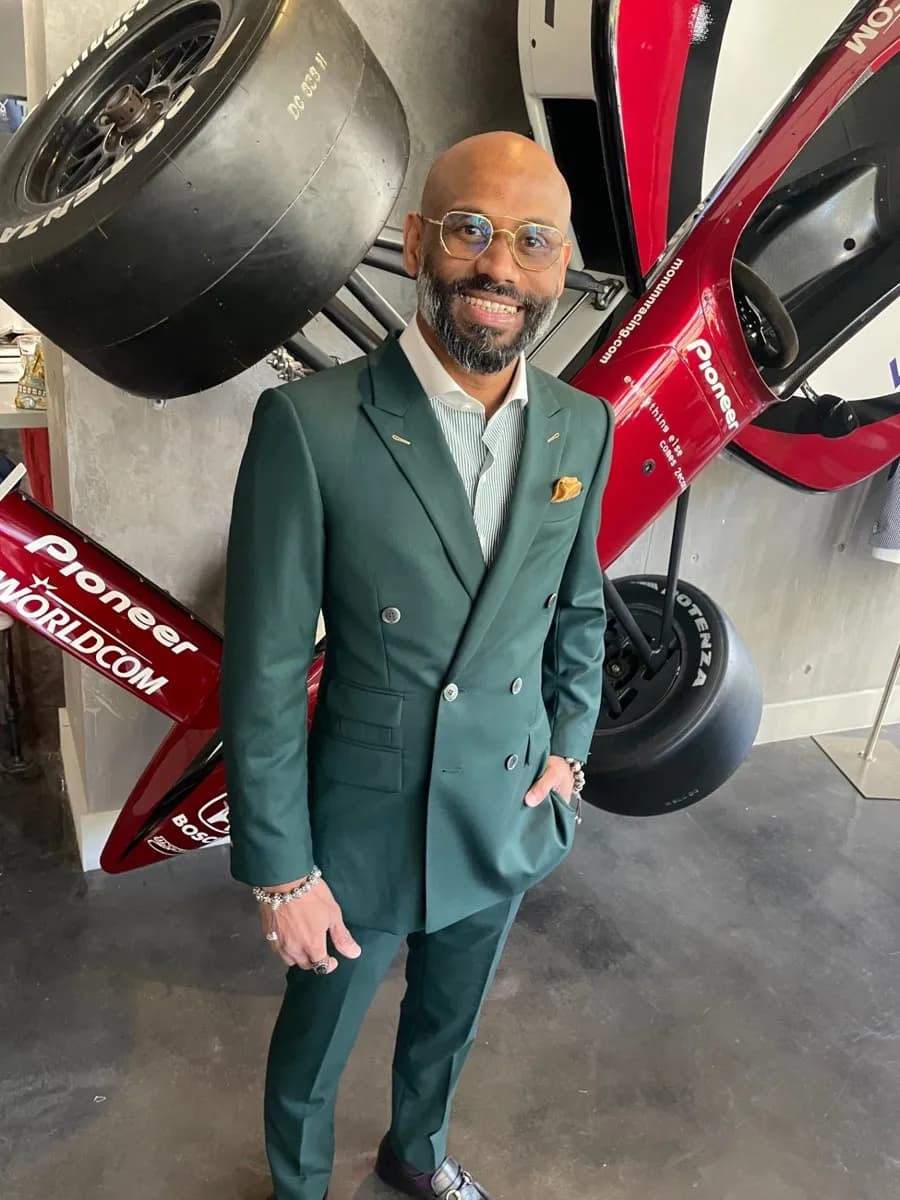
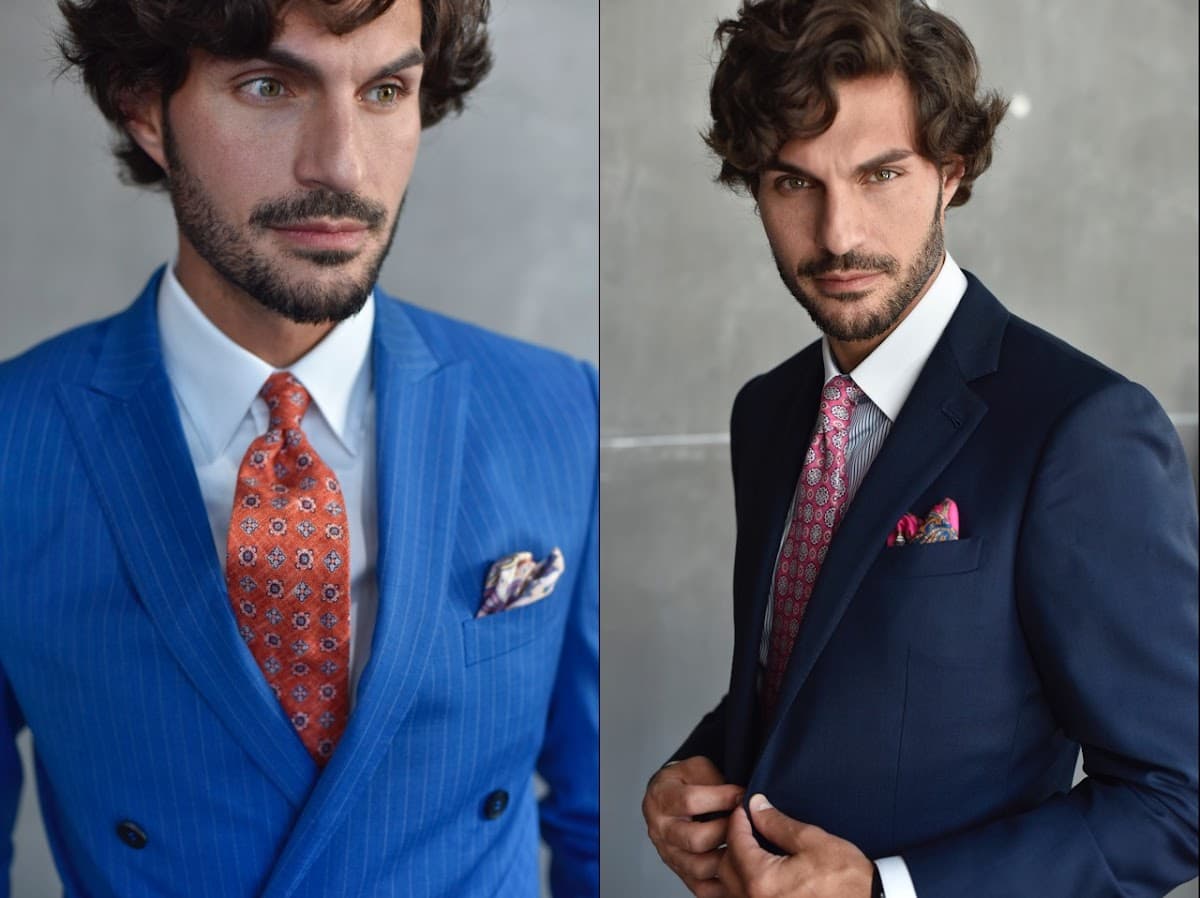
There is a moment most men know well. You pull a suit from the closet, try it on, and realize something is off. The shoulders sit wrong, the chest pulls, the seat is too tight, or the jacket hangs like a sack. The question that follows is always the same: can this be fixed?
The honest answer depends on the suit, the problem, and what you are trying to achieve. Suit alterations are a genuine and valuable service. They can transform a near-perfect garment into one that fits beautifully. But they have real limits, and understanding those limits will save you money, frustration, and wasted time. With more than 37 years of experience dressing South Florida's most discerning clients, Christian Boehm has seen every alteration scenario imaginable. Here is what he and his team at Bespoke CB want you to know.
What Suit Alterations Can Actually Do
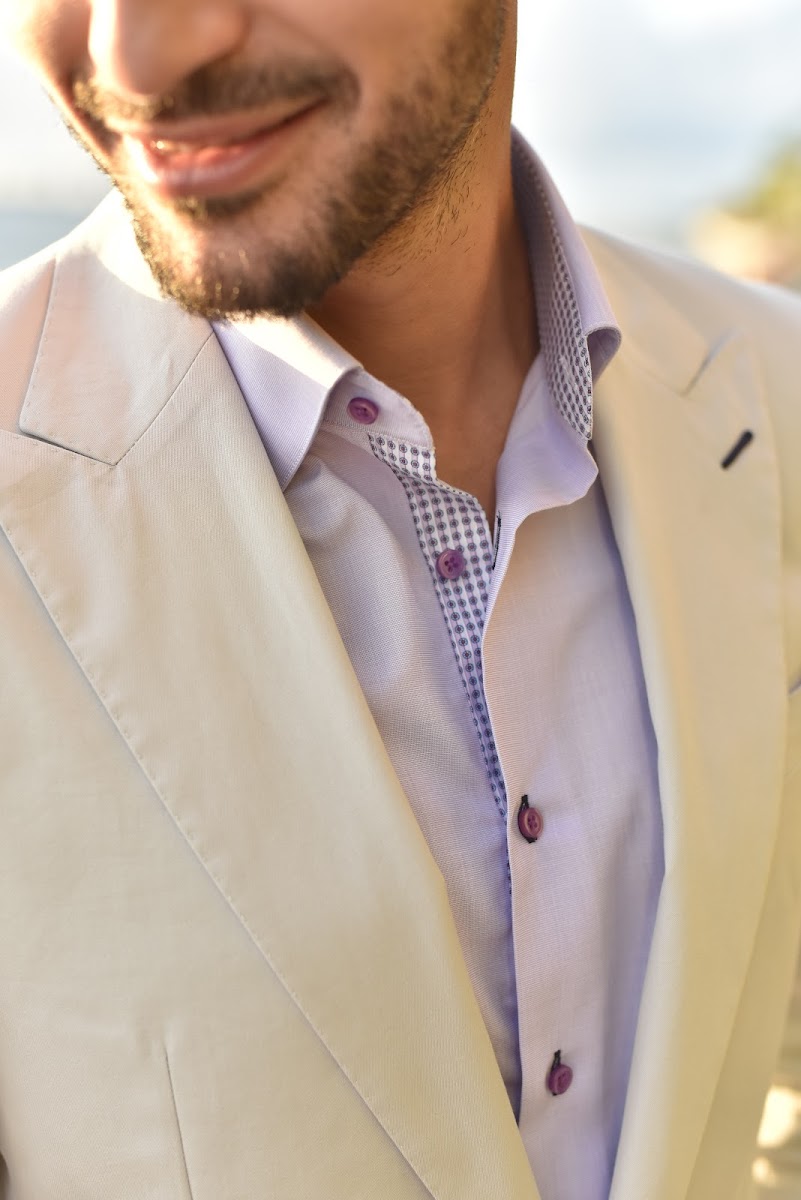
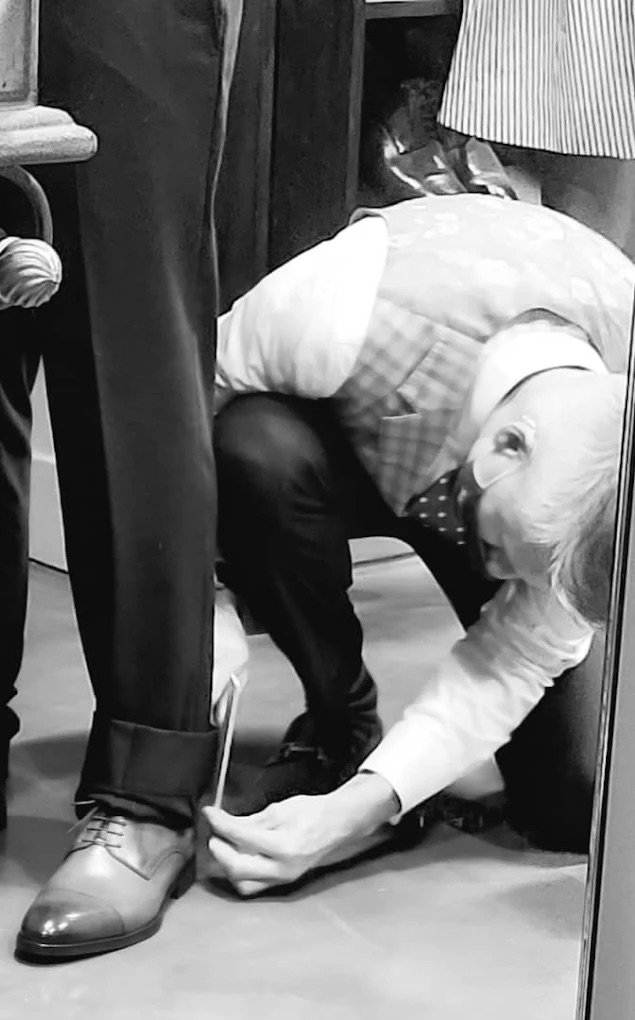
A skilled tailor can accomplish a great deal with the right garment. The most common and effective suit alterations include taking in or letting out the waist and seat of the trousers, shortening or lengthening the trouser hem, tapering the jacket body, adjusting sleeve length, taking in the seat of a jacket, and re-hemming or re-stitching linings. These are clean, predictable adjustments that produce reliable results when the base garment is well constructed and sized appropriately for the wearer.
For a suit that fits you reasonably well in the shoulders and chest but has excess fabric in the midsection or trousers that run a bit long, alterations are often the right call. The investment is modest, the turnaround is relatively quick, and the results speak for themselves. You walk out of the tailor shop with a suit that feels considerably more polished than when you walked in.
There is also real value in maintaining suits you already love. As your body changes over time, whether from added muscle, weight loss, or the natural shifts that come with age, a good tailor can help your wardrobe keep up. Alterations are how well-made suits earn their keep over the long haul.
Where Alterations Reach Their Limits
The shoulder is the single most important measurement in a suit jacket, and it is also the one alteration that simply cannot be done well. Moving a shoulder seam is a major reconstruction project. It requires deconstructing and rebuilding the entire upper portion of the jacket, and even when done expertly, the result almost never looks as clean as a suit that fit correctly from the start. If a jacket's shoulders are too wide or too narrow, the garment is structurally compromised.
The same limitation applies to the chest. A jacket that is too small across the chest cannot be let out in any meaningful way. Most off-the-rack and even made-to-measure suits are sewn with very little seam allowance, which means there is nothing to release. Letting out a chest by even a centimeter can distort the entire front of the jacket.
Significant length changes on a jacket present another challenge. Shortening a jacket is possible but affects the button placement, pocket position, and overall proportion in ways that are difficult to correct without compromising the design. Lengthening a jacket is rarely achievable at all.
Beyond structural limits, there is also the issue of proportion. A suit that is broadly too large is not simply a series of alteration tasks. It is a suit built around a different body. You can take in the waist, taper the sleeves, and hem the trousers, but if the jacket's chest, collar gap, and shoulder structure do not align with your frame, the suit will still look off. No amount of tailoring work will give a poorly proportioned suit the silhouette of one that was designed for your measurements from the beginning.
The Hidden Cost of Repeated Alterations
One pattern Christian Boehm sees regularly at Bespoke CB is clients who have spent hundreds of dollars altering a suit they bought off the rack, only to arrive still dissatisfied with the result. They tried to fix the trousers, then the jacket body, then the sleeves. Each alteration improved something. But the underlying problem, that the suit was never built for their body, remained.
When you add up the cost of three or four rounds of alterations on an off-the-rack suit, you may find yourself close to the investment required for a made-to-measure or entry-level bespoke garment. The difference is that a suit built to your measurements from the start will fit correctly from the first wearing. You are not chasing a solution. You begin with one.
There is also a quality ceiling to consider. Off-the-rack suits, including many popular department store brands, are typically made with fused interlinings rather than hand-stitched canvas construction. Over time and with repeated alterations, fused construction can bubble, delaminate, and lose its shape. You can alter the fit all you like, but the underlying construction quality stays the same. A bespoke or full-canvas made-to-measure suit holds its shape differently. It drapes better, breathes better, and responds to alterations more cleanly when they are eventually needed.
Why South Florida Clients Often Discover Custom Is the Better Path
Miami and South Florida present a unique set of challenges for men who rely on off-the-rack tailoring. The climate demands lighter fabrics, breathable constructions, and fits that work with the way the body actually moves in heat and humidity. A suit that fits perfectly in a climate-controlled showroom in New York may pull, sweat, and distort the moment you step outside onto Brickell Avenue in July.
South Florida men also tend to carry more physical variety than the narrow range of standardized sizing assumes. A client who lifts regularly may have a 44-inch chest and a 32-inch waist. A client who is broader in the hips than the shoulders will find almost no off-the-rack jacket that sits correctly without significant modification. These are not unusual bodies. They are just bodies that off-the-rack manufacturing was never designed to serve.
When Christian Boehm begins a bespoke consultation at Bespoke CB, he takes more than 30 individual measurements and studies the way each client stands, moves, and carries their weight. He accounts for posture, shoulder slope, arm position, and body symmetry. The resulting pattern is built around a specific person, not a size chart. The finished suit does not need to be chased with alterations because it was never built for anyone other than you.
The investment in a full bespoke suit through Bespoke CB includes multiple fittings over a process that typically takes 8 to 12 weeks from consultation to final delivery. That timeline exists because the work is done properly, not quickly. The result is a garment that will serve you for decades, require minimal maintenance, and look better over time as it conforms further to your body.
How to Decide: A Practical Framework
If you are trying to decide whether to alter a suit you own or invest in something custom, here is a simple way to think through it.
Alterations make sense when the suit fits well in the shoulders and chest, the issues are confined to the trousers or jacket waist, the suit is made from quality fabric and construction, and the cost of alterations is clearly less than replacing it. If all four of those conditions are true, find a skilled tailor and get it done.
Custom makes more sense when the suit does not fit in the shoulders, the chest is too tight or too loose, you have had the suit altered before without achieving the result you wanted, you are spending enough on alterations to approach the cost of a custom garment, or you simply want a suit that fits and performs the way a suit should. If any of those describe your situation, the better investment is a consultation, not another trip to the alteration counter.
Frequently Asked Questions About Suit Alterations
How much do suit alterations typically cost?
Basic trouser hemming usually runs between $15 and $40. Taking in a jacket waist might cost $50 to $100 or more depending on the tailor and the complexity of the work. Multiple simultaneous alterations on a single suit can add up quickly. If you are looking at more than $200 to $300 in alterations, it is worth comparing that figure to the cost of a made-to-measure or entry-level custom option.
Can a tailor fix a suit jacket that is too big in the shoulders?
Technically yes, but practically speaking it is rarely worth doing. Shoulder reconstruction is one of the most expensive and least reliable alterations in menswear. The results are usually imperfect, the cost is high, and the suit may never drape cleanly again. If the shoulders do not fit, the suit is not the right suit for your body.
How many times can a suit be altered before it is ruined?
There is no fixed number, but each alteration removes or reworks fabric that cannot be replaced. A well-made suit with full seam allowances can typically be altered two or three times over its life before running out of material to work with. Heavily altered seams also show stress over time. The better the original construction, the more forgiving the garment will be.
What is the difference between made to measure and bespoke?
Made to measure starts from an existing pattern that is adjusted to your measurements. The result is a significant improvement over off the rack, and many men are extremely happy with made-to-measure suits. Bespoke starts from a pattern drafted entirely for your body. It accounts for every asymmetry, posture nuance, and measurement that a standard pattern cannot capture. Full bespoke is the highest level of tailoring craft available.
Is a custom suit worth the investment for South Florida's climate?
Absolutely. One of the most important advantages of bespoke tailoring is fabric selection. Christian Boehm has worked with South Florida clients long enough to know exactly which lightweight wools, linens, tropical weaves, and performance fabrics hold up in Miami's heat and humidity while still looking impeccably sharp. An off-the-rack suit in a heavy wool blend will never perform the way a suit built for this climate will.
The Bottom Line
Suit alterations are a valuable tool, and a good tailor is worth knowing. But alterations work best when the foundation is already strong. When the foundation is weak, when the suit does not fit your body at its most critical points, the smartest investment you can make is to start fresh with a suit that was made for you from the beginning.
At Bespoke CB, Christian Boehm has spent more than 37 years helping South Florida men understand the difference. Whether you are dressing for business on Brickell, preparing for a gala at a Palm Beach estate, or building the kind of wardrobe that makes a permanent impression, the conversation starts with fit. And fit, done right, starts at the beginning.
If you are ready to experience what a suit built entirely around your body actually feels like, schedule your consultation at Bespoke CB. The first conversation is on us.