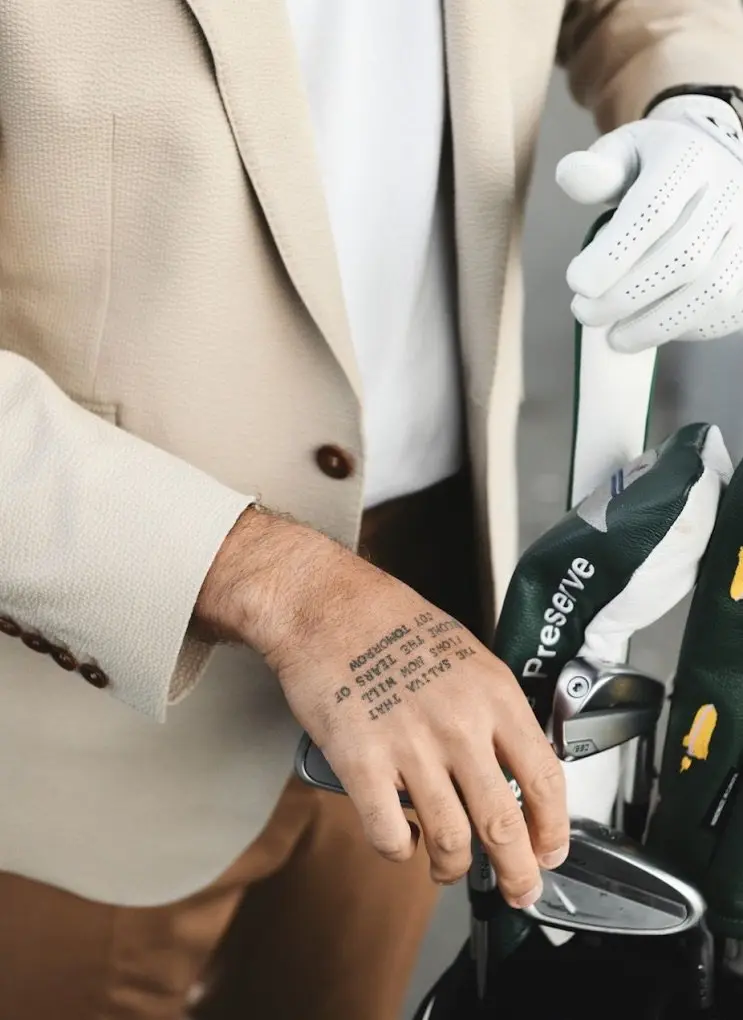
Why Beige Thrives in Miami (And Fails Everywhere Else)
Let's be honest about beige: in most of the country, it is a stretch. In London, it looks like you forgot your overcoat. In Chicago, it looks like you are heading to a beach in 40-degree weather. But in Miami, beige is not just acceptable, it is the smartest color you can wear between April and November.
The reason is light. Miami's intense, persistent sunlight makes dark colors absorb heat and look heavier than they are. Beige does the opposite. It reflects light, keeps you cooler, and reads as effortless in a way that navy simply cannot when the temperature crosses 85 degrees. The man in a beige suit at a Brickell lunch looks like he belongs in Miami. The man in navy looks like he is bracing for a board meeting in November.
This is not a style experiment. Beige has been the default warm-weather suit color for generations of men who actually live in hot climates, from the Caribbean to the Mediterranean to South Florida. The only question is whether you wear it well or let it wear you.
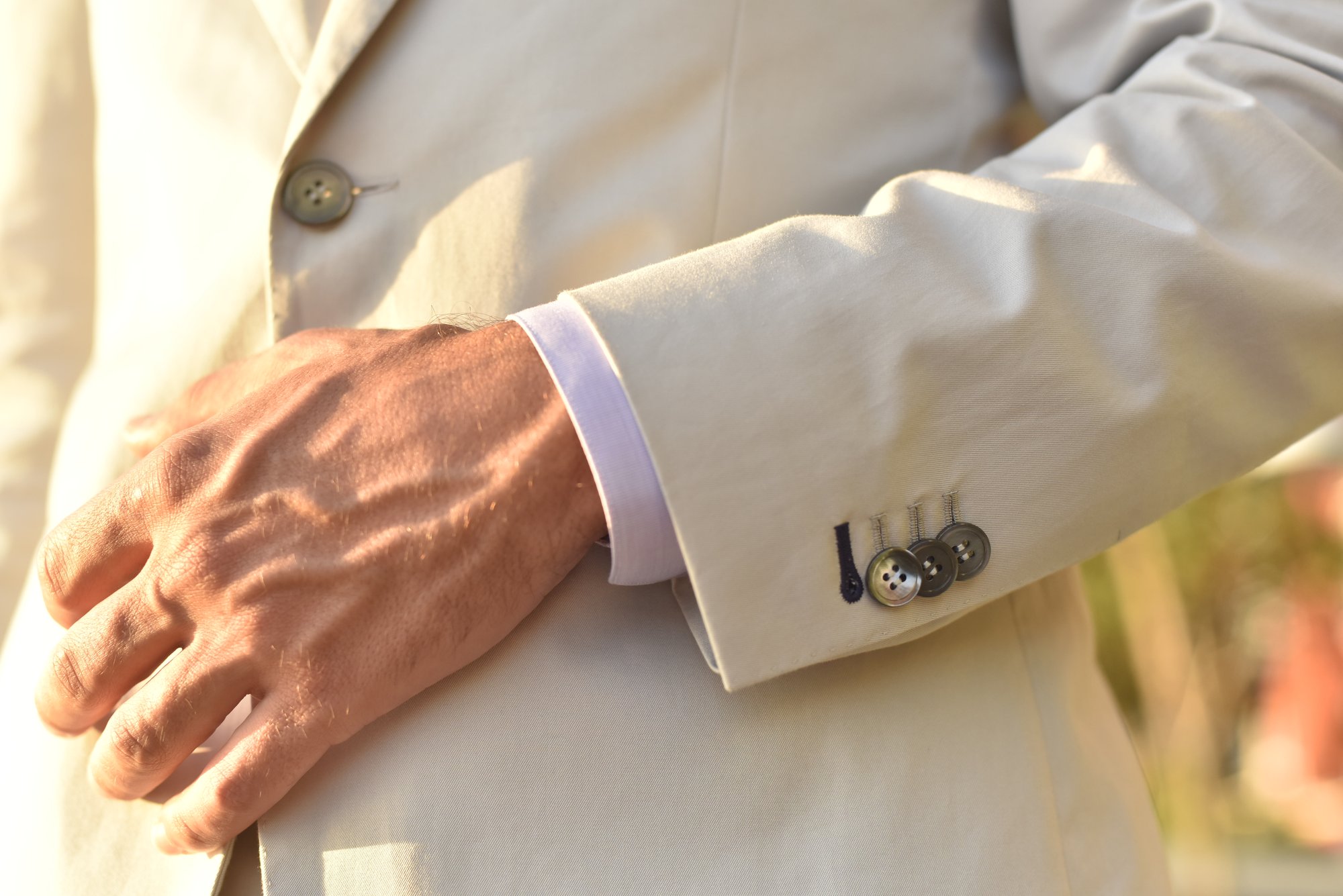
The Heat Test: Fabric Choices That Make or Break a Beige Suit
Beige will expose your fabric choice faster than any other color. In dark suits, you can hide a heavy, cheap fabric under the color. In beige, everything shows, the weight, the weave, the breathability, and unfortunately, the transparency.
What works:
Pure linen: The classic beige suit fabric. Breathable, textured, and unapologetic about its wrinkles. If you embrace the rumple, this is the most handsome option.
Linen-cotton blend (70/30): The practical choice. Retains linen's breathability and texture but resists wrinkles better than pure linen. The best all-around option for Miami.
Tropical worsted: For the man who needs structure. A lightweight, high-twist worsted wool in beige looks polished and holds a crease all day. Less character than linen but more appropriate for business settings.
Seersucker: The boldest move. A beige seersucker suit is the most distinctly American warm-weather garment you can own. It is not for everyone, but the men who wear it well never go back.
What does not work:
Standard worsted wool: Too heavy for beige in Miami. You will overheat, and the fabric will cling.
Polyester blends: They trap heat, they shine under direct light, and they make beige look like a cheap uniform.
Anything too sheer: If you can see your shirt through the suit fabric, it is too thin. Beige is the most unforgiving color for this particular problem.

Beige Isn't Boring: Five Outfits That Prove It
The mistake most men make with beige is pairing it with a white shirt and calling it done. That look works, but it is the floor, not the ceiling. Here are five distinct ways to wear beige that have nothing to do with looking like a khaki commercial.
1. The Power Lunch
Beige tropical worsted suit, pale blue end-on-end shirt, dark brown monk straps, no tie. This is Brickell on a Thursday at noon. The blue shirt gives you color contrast, the brown shoes ground the look, and the open collar says you are in control without needing to prove it.
2. The Garden Party
Beige linen suit, white poplin shirt, sage green knit tie, tan loafers. The green tie pulls in an unexpected earth-tone that elevates the entire outfit beyond the obvious. This is where beige stops being safe and starts being interesting.
3. The South Beach Sunset
Beige cotton suit, black crew-neck t-shirt, white sneakers. Deliberately casual and deliberately cool. The beige-and-black combination is sharp in a way that beige-and-white never manages to be. This is the look that says you understand contrast.
4. The Rehearsal Dinner
Beige linen-blend suit, cream shirt, burgundy knit tie, dark brown oxfords. Burgundy and beige is one of menswear's most underrated pairings. The warmth of the burgundy tie makes the beige feel intentional rather than default.
5. The Weekend Club
Beige cotton blazer (no trousers), navy polo, white denim, boat shoes. Not a full suit, but a demonstration that beige separates are just as useful as the suit. The navy polo provides the contrast beige needs, and white denim keeps it clean.

The Stain Problem (And How to Solve It)
No guide to beige suits is honest without addressing the obvious: beige shows everything. Coffee, wine, sauce, pen ink, if it touches your suit, you will see it. Here is how to manage the reality.
Choose textured fabrics: Hopsack, linen, and flannel hide minor marks better than smooth worsted. The texture breaks up the visual plane and makes small spots less visible.
Treat immediately: Carry a stain pen. Use it. The five seconds it takes to dab a spot will save you from a permanent reminder of your iced coffee habit.
Skip the white shirt: A cream or off-white shirt still reads as light and polished but conceals underarm discoloration and collar marks better than pure white.
Own two pairs of trousers: If you wear a beige suit regularly, have your tailor make an extra pair of trousers. Trousers take 80% of the wear and staining. Rotating two pairs doubles the life of the suit.
From Brickell to South Beach: Occasion-Specific Beige Styling
Business settings
Beige tropical worsted, white or pale blue shirt, subtle tie, brown oxfords. The key is structure, a more formal fabric gives beige the weight it needs for a boardroom. Skip the linen for business.
Cocktail hours and dinner parties
Beige linen or cotton blend, open collar, brown loafers or monk straps. This is beige's natural environment. Let it breathe.
Weddings (not yours)
Beige linen suit, white shirt, pale green or dusty rose tie, tan shoes. The tie color should coordinate with the wedding's palette if you know it. If not, earth tones always work.
Casual weekend events
Beige separates. A beige blazer over jeans or chinos gives you 80% of the impact with 20% of the formality. Reserve the full suit for events that call for it.
The Best Shades of Beige for Your Skin Tone
Not all beige is created equal, and the shade you choose can either make you look like you belong on Ocean Drive or like you are wearing someone else's suit. The right beige should make your complexion look healthier, not washed out. Here is how to find yours.
Light beige and cream are the most unforgiving shades. They work best on fair skin with cool undertones, think Northern European complexions. If you have warm or olive skin, cream can make you look sallow. If you are very dark-skinned, cream creates a striking contrast that reads as bold and intentional. For everyone in between, proceed with caution and check it in natural light, not under store fluorescents.
Mid-tone beige and wheat are the most versatile shades in the family. They flatter most skin tones, from light to medium to tan. Wheat has just enough warmth to add color to fair complexions without clashing, and enough neutrality to complement olive and golden skin. If you are unsure, start here. This is the shade your tailor should recommend first.
Dark beige and khaki sit closer to tan than to cream. They work beautifully on olive and darker skin tones, where the warmth in the fabric harmonizes with the natural warmth in the complexion. On very fair skin, dark beige can look muddy. The rule is simple: the warmer your skin, the warmer and darker your beige can go. To test, hold a fabric swatch against your face in natural daylight. If it makes your skin look brighter and more even, it is right. If it makes you look tired or sallow, move to a different shade.
Beige Suit Combinations: What to Wear With It
The beauty of a beige suit is that it is a blank canvas. The problem is that most men paint that canvas with the same three colors. Here is what actually works, what is worth trying, and what you should never do.
The safe combinations: A white shirt with brown shoes is the classic, it works, it is foolproof, and it is the reason beige suits exist. A pale blue shirt with brown shoes is just as reliable with a touch more personality. These two combinations will never fail you, and they are the ones to reach for when the dress code is ambiguous.
The bold combinations: A black crew-neck t-shirt with white sneakers turns a beige suit into a style statement. It is the look that separates men who follow rules from men who understand them. A sage green knit tie against a cream shirt brings an earth-tone richness that most men never consider. Burgundy knit ties in fall and pastel shirts in summer, pale pink, lavender, mint, give you seasonal range without changing the suit.
What not to pair with beige: Black shoes create a visual break that pulls the outfit apart, always choose brown. Bright primary colors, red shirts, electric blue ties, fight with beige instead of complementing it. Heavy patterns like loud plaids or bold stripes overwhelm the subtlety of the suit. Beige is a quiet color. Let it be quiet, and give it companions that respect that.
Beige Suit vs Navy Suit: When to Choose Which
Every man needs a navy suit. Not every man needs a beige suit. But if you live in a warm-weather city like Miami, the beige suit may be the one you reach for more often. Here is how to decide which one earns the invitation.
Navy is the universal safe choice. It works in every setting, boardrooms, weddings, funerals, interviews, evening events. Navy is the suit you wear when you cannot afford to be wrong. It is serious, it is expected, and it will never be out of place. If you own one suit, it should be navy. There is no debate about this.
Beige is the warm-weather specialist. It is the suit you wear when the temperature is above 80, the event is during the day, and the setting is somewhere between business casual and cocktail attire. Beige will never replace navy for evening events or conservative offices. But from April through October in Miami, and for destination weddings, outdoor events, and warm-weather travel, beige is the better choice. The man who wears both well is the man who understands that context determines everything.
The practical answer: own both. Navy for when you need to be bulletproof. Beige for when the weather demands it and the setting allows it. If your budget forces a choice, navy first. But once you have navy, a beige suit in linen or tropical worsted is the most useful second suit you can own in a warm climate.

How to Care for and Store a Beige Suit
A beige suit requires more care than navy, and pretending otherwise is how you ruin a good suit in one season. Here is the maintenance protocol that will keep your beige looking sharp for years instead of months.
Dry cleaning: Minimize it. Dry cleaning chemicals break down natural fibers and dull the color over time. For a beige suit, dry clean no more than twice a year, once at the end of the warm season and once mid-summer if needed. Spot clean small marks with a damp cloth and mild soap. Steam the suit between wears to kill bacteria and release wrinkles. If it smells fine and looks clean, do not dry clean it.
Steaming vs ironing: Steaming is always safer for a beige suit. A steamer relaxes wrinkles without pressing the fabric flat, which preserves the natural texture, especially important for linen and hopsack. Ironing, even on low heat, can create shine marks on beige fabric that are impossible to remove. If you must iron, use a pressing cloth between the iron and the fabric, and never let the iron touch the suit directly. Store the suit on a wide wooden hanger that supports the shoulders, in a breathable garment bag, never plastic, which traps moisture and invites mildew.
Rotation and travel: Never wear the same beige suit two days in a row. Fibers need 24 hours to recover their shape and release moisture. This is why owning two pairs of trousers matters, trousers wear out three times faster than jackets. When traveling, pack your beige suit in a garment bag, fold it along the natural trouser crease, and hang it immediately on arrival. A 60-second steam in the hotel bathroom while you shower will release any travel wrinkles. Never check a beige suit in luggage, baggage handling is the fastest way to arrive at a wedding looking like you slept in your clothes.
At Bespoke CB, we build beige suits for men who live in warm weather, because we live in it too. The right fabric, the right shade, and the right cut make the difference between a beige suit that looks like a uniform and one that looks like the smartest thing you own. Come see the fabrics in person and let us show you what Miami's best-dressed men already know.
Frequently Asked Questions
Is a beige suit appropriate for a formal event?
For daytime and outdoor formal events, absolutely. For evening black-tie events, no. A beige suit is inherently casual; it can be dressed up but it cannot be made formal.
What shoes go best with a beige suit?
Brown leather in every shade. Lighter tans for casual settings, darker chestnuts and oxblood for dressier ones. White sneakers for deliberate casual looks. Never black, it creates a visual disconnect with beige that pulls the outfit apart.
Can a beige suit be worn in a professional setting?
Yes, if you choose the right fabric. A tropical worsted beige suit with a white shirt and brown oxfords reads as professional in Miami and other warm-weather cities. In more conservative or northern offices, save it for summer Fridays.
What is the difference between beige, tan, and cream suits?
Beige has a slight gray undertone and reads cooler. Tan has more yellow-brown warmth. Cream is the lightest and most formal of the three. All three work in warm weather; the choice comes down to your skin tone and the setting.
How do I keep a beige suit looking clean?
Choose textured fabrics that hide minor marks, carry a stain pen, and own two pairs of trousers so you can rotate them. Beige rewards preparation.
Is a beige suit business professional?
Yes, in warm-weather cities like Miami, a beige tropical worsted suit with a white shirt and brown oxfords reads as professional. In conservative northern offices, save it for summer Fridays. The fabric and accessories determine whether it reads as professional or casual, so choose structure over texture when the dress code matters.
When can I wear a beige suit?
Daytime events, spring and summer, warm-weather destinations, outdoor weddings, cocktail hours, and business casual settings. Avoid evening formal events, beige does not have the weight or seriousness for black-tie. If the sun is out and the temperature is above 70, you are in the clear.
What color shirt goes with a beige suit?
White, pale blue, cream, and light pink are the safest choices. Sage green and burgundy work for more adventurous pairings. Avoid dark shirts, navy, black, and charcoal create too much contrast against beige and fight the warmth of the suit. Lighter shirts let the beige do the talking.
Is a beige suit appropriate for a wedding?
Yes for daytime and outdoor weddings, especially in spring and summer. Not for evening black-tie weddings. If you know the wedding palette, coordinate your tie and accessories with it. If not, earth tones and soft greens always work with beige.
How much does a beige custom suit cost?
At Bespoke By CB, custom suits start at $1,199. Beige suits are available across our full fabric range, tropical worsted for business, linen and linen-cotton blends for casual wear, and everything in between. Book a consultation to see the fabrics in person.
Can I wear a beige suit in winter?
Not recommended in most climates. In Miami, it works year-round. Anywhere else, retire it from October through March unless you are traveling to a warm destination. A beige suit in a snowy parking lot is not a style statement, it is a mistake.
