

A bespoke wool suit is one of the most significant investments a man can make in his wardrobe. When it is built properly, with quality fabric and full canvas construction, it should last decades. But even the finest suit in the world will deteriorate quickly if it is not cared for correctly. Knowing how to care for a wool suit is not complicated. It simply requires consistency and a few habits that most men overlook.
At Bespoke CB, Christian Boehm has spent more than 37 years helping clients in Miami and across South Florida build and maintain wardrobes that hold their value. The advice that follows comes directly from that experience, applied to the specific demands of South Florida's climate and lifestyle.
How Often Should You Dry Clean a Wool Suit?
This is the question clients ask most often, and the answer surprises many of them. You should dry clean a wool suit as infrequently as possible. The chemicals and heat involved in dry cleaning are hard on wool fibers over time. A suit that is dry cleaned every few weeks will show wear far sooner than one that is cleaned only when necessary.
For most professionals, dry cleaning two to four times per year is sufficient. Between cleanings, wool handles itself remarkably well. It is naturally odor-resistant and has a self-cleaning quality when given proper rest. The goal is to supplement the fabric's natural properties, not replace them with chemicals.
The exception is visible staining. If something spills on your suit, address it promptly and correctly. Blot, do not rub, and take the garment to a quality dry cleaner as soon as possible. Attempting to spot-clean wool at home often does more damage than the original stain.
The Most Important Habit: Let Your Suit Rest
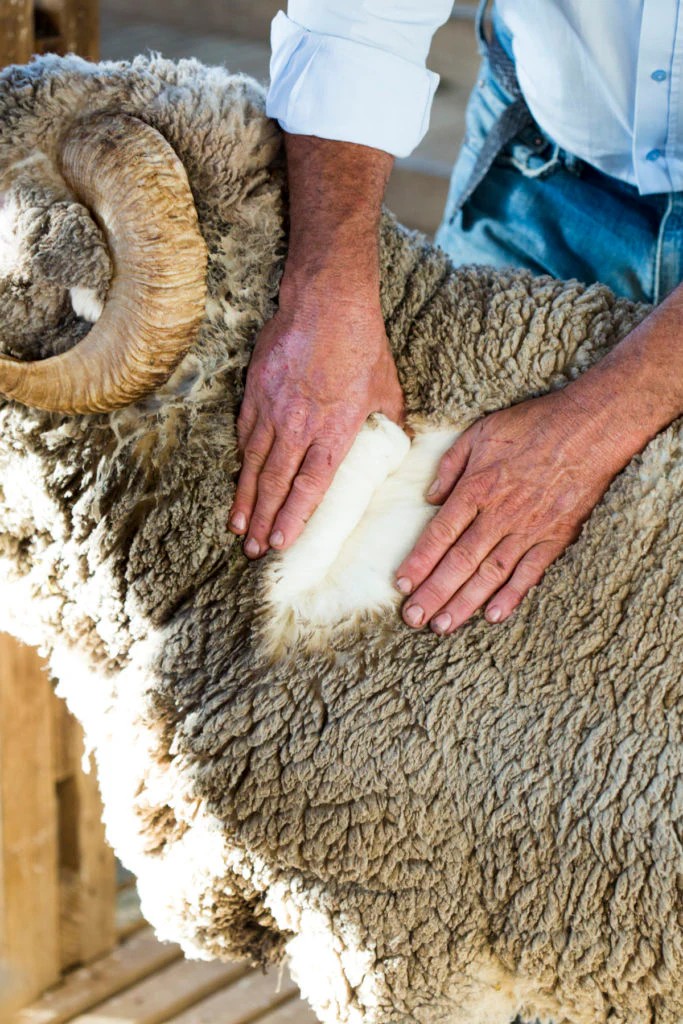
Wool is a living fiber. When you wear a suit all day, the fabric holds moisture from your body, and it needs time to release that moisture and return to its natural shape. This process requires rest, and that means you should never wear the same suit two days in a row.
After wearing a wool suit, hang it on a proper wooden suit hanger immediately. Cedar hangers are ideal because cedar is naturally moth-repelling and helps absorb residual moisture. The hanger should be shaped to support the jacket's shoulders without stretching them. Wire hangers collapse the shoulder and distort the silhouette over time.
Give the suit at least 24 hours before wearing it again. In Miami's humidity, 48 hours is even better. This rest period allows the wool to breathe, the fibers to relax, and any minor wrinkles to fall out on their own. Many clients are surprised to find that a suit hung properly after each wear requires far less pressing than one that is tossed over a chair or folded.
Brushing Your Suit: The Daily Habit That Makes a Difference
A suit brush is one of the most underrated tools in a man's wardrobe. A good natural-bristle brush, used after each wearing, removes dust, lint, and the microscopic debris that accumulates on fabric throughout the day. Left unchecked, this debris works into the wool fibers and accelerates wear.
Brush the suit with long, downward strokes following the direction of the fabric's nap. Pay particular attention to the lapels, collar, and cuffs, which collect the most debris. The entire process takes about two minutes and extends the life of the suit considerably.
Brushing also reduces how often you need to press or steam the garment. Combined with proper hanging and rest, a regularly brushed suit stays fresher, longer, and requires fewer interventions overall.
Steaming vs. Ironing: Which Is Right for Wool?
For wool suits, steam is almost always preferable to direct ironing. A handheld garment steamer relaxes the fibers, removes light wrinkles, and refreshes the fabric without the risk of scorching, shine, or crushing the texture that comes with a hot iron pressed directly against wool.
If you need to use an iron, always use a pressing cloth between the iron and the fabric, and use the lowest heat setting that achieves results. Never press directly on wool without a cloth. The heat can damage the fibers and create a permanent shine on the surface that cannot be reversed.
For most wrinkles, steaming alone will do the job. Hang the suit in the bathroom while you shower, and the steam from the hot water will relax the fabric. This is a technique that experienced travelers use to refresh suits after a flight, and it works just as well at home.

Storing Your Suits Properly Between Seasons
In Miami, there is no true cold season, so year-round storage is less of a concern for most clients. But even in South Florida, some suits get more use at certain times of year than others. When a suit will not be worn for several weeks or longer, proper storage matters.
Use a breathable garment bag, not a plastic dry-cleaning bag. Plastic traps moisture and creates conditions that accelerate mildew and fiber breakdown. A cotton or canvas garment bag allows airflow while protecting the suit from dust. Cedar blocks or cedar rings placed inside the garment bag will deter moths without the chemical smell of mothballs.
Store suits in a cool, dry area of your closet, away from direct sunlight. Prolonged sun exposure will fade the fabric and weaken the fibers over time. In South Florida's humid climate, a dehumidifier in the closet is worth considering if you have a significant wardrobe investment to protect.
If you are storing a suit for an extended period, check it monthly. Wool is vulnerable to moths, and a problem caught early is far easier to address than one that has been allowed to develop over several months.
Handling Wrinkles and Travel
Travel is one of the most common causes of suit damage. A wool suit packed incorrectly in a checked bag will arrive wrinkled and potentially stretched in ways that are difficult to correct. Understanding how to pack a suit for travel is a skill that protects your investment every time you leave Miami for a business trip or destination event.
When traveling, always use a garment bag that allows the suit to hang rather than fold. If folding is unavoidable, fold the jacket inside out, which protects the outer fabricavoidable, fold the jacket inside out, which protects the outer fabric, and stuff the sleeves lightly with tissue paper or a soft shirttuff the sleeves lightly with tissue paper or a soft shirt to maintain their shape. For the trousers, fold along the natural crease and lay flat in the center of your bag.
When you arrive, hang the suit immediately and give it at least a few hours to recover before wearing. If wrinkles persist, steam is your best tool. Most hotels have handheld steamers available on request, or you can use the bathroom steam method described above.
When to See a Professional for Repairs
Even the most carefully maintained suit will eventually need professional attention. Common issues include worn elbows, fraying cuffs, weakened button threads, and lining tears. These are all repairable if addressed early, and a skilled clothier can often extend the life of a quality suit significantly.
At Bespoke CB, suit alterations and repairs are part of the long-term relationship with every client. A suit that was built to your measurements and maintained properly should serve you for decades. Periodic professional attention, whether for alterations as your body changes or repairs as the garment ages, is part of the investment.
If you have a suit that you love but it no longer fits or shows signs of wear, bring it in for an assessment before assuming it is beyond saving. A skilled clothier can evaluate what is possible and give you an honest assessment of whether repair, alteration, or replacement makes the most sense.
To explore custom wool suits made for Miami's climate and your specific wardrobe needs, visit bespokecb.com and schedule your consultation today.
Caring for Your Suit in Miami's Specific Climate
South Florida presents wool suit care challenges that men in cooler climates never encounter. Miami's year-round humidity accelerates two of the biggest threats to a wool wardrobe: mold and moths. Understanding how to protect against both is essential for anyone making a significant investment in custom suiting here.
Humidity is the primary enemy. When a suit absorbs moisture from the body and the air and is then sealed in a plastic dry-cleaning bag or a poorly ventilated closet, the conditions are ideal for mildew to develop within the fabric. This is why breathable storage is non-negotiable in South Florida. Cotton or canvas garment bags, cedar blocks, and closets with some air circulation are the foundation of a Miami suit care routine.
A dehumidifier in the master closet is one of the best investments a wardrobe-conscious Miami professional can make. Running it consistently, especially through the summer months, keeps the environment dry enough to protect even the finest wools from humidity damage. This single step can significantly extend the life of an entire wardrobe.
For suits worn during the warmer months, consider adding a light brushing to your routine as soon as you return home. Brush the jacket with a natural-bristle brush while the fabric is still slightly warm from body heat. The combination of warmth and brushing helps release absorbed moisture and prevents it from settling into the fibers.
Recognizing Quality Construction and Why It Makes Maintenance Easier
One of the overlooked benefits of a quality full-canvas suit is that it is genuinely easier to maintain over time than a fused garment. This is a conversation Christian Boehm has with every client who asks about the investment in bespoke construction, and the logic is straightforward.
In a fused suit, the canvas layer is bonded to the outer fabric with adhesive. Over time, especially in humid climates and through repeated dry cleaning cycles, that adhesive bond weakens. The canvas begins to separate from the outer fabric, creating the characteristic bubbling effect that ruins the appearance of the jacket permanently. There is no repair for delamination. The garment is finished.
A full-canvas suit has no adhesive. The canvas floats freely inside the jacket, held in place by skilled hand-stitching at key structural points. It never laminates, never bubbles, and actually improves over time as it molds to the wearer's body. This is why a well-maintained full-canvas suit can look better after ten years of wear than a fused suit looks after two.
The investment in bespoke construction, therefore, is also an investment in lower long-term maintenance costs and a much longer garment lifespan. Dry clean it less. Brush it more. Let it rest properly. That is genuinely all a full-canvas suit needs to remain exceptional for decades.
Frequently Asked Questions
How often should a wool suit be dry cleaned?
Two to four times per year is sufficient for most wearers. Dry cleaning too frequently breaks down wool fibers over time. Between cleanings, regular brushing, proper hanging, and adequate rest will keep the suit in excellent condition.
Can I wash a wool suit at home?
No. Machine washing will shrink the fabric, distort the structure, and damage the canvas and interfacing inside the jacket. Always take a wool suit to a professional dry cleaner. For stains, blot immediately and bring it in promptly.
How should I hang a wool suit?
Use a wide wooden or cedar hanger shaped to support the jacket's shoulders without stretching them. Never use wire hangers. Hang the trousers over the bar of the hanger or use a dedicated trouser hanger with grip clips at the waist.
How do I remove wrinkles from a wool suit without ironing?
A handheld garment steamer is the safest and most effective method. Alternatively, hang the suit in the bathroom while running a hot shower. The steam relaxes the fibers and removes most light wrinkles without any direct heat contact.
How do I protect a wool suit from moths?
Use cedar blocks, cedar rings, or cedar hangers in your closet. Store suits in breathable garment bags rather than plastic. Avoid storing suits for long periods without checking on them, and bring in any garment showing signs of moth damage to a professional immediately.
How long should a well-cared-for wool suit last?
A quality full-canvas bespoke wool suit, cared for properly, can last 20 to 30 years or more. Regular brushing, proper hanging, infrequent dry cleaning, and professional repairs as needed are the keys to maximizing longevity.