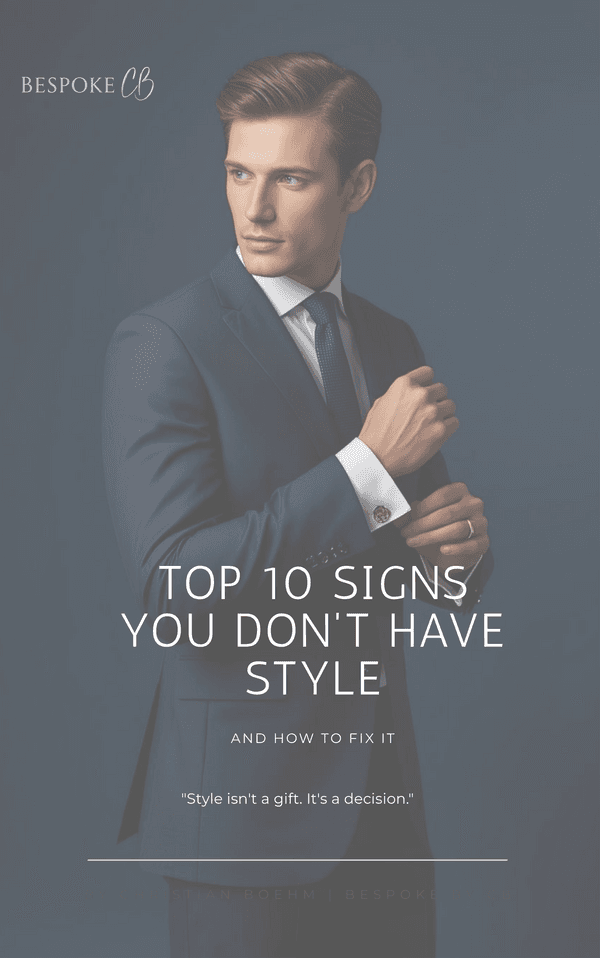
Wedding suit accessories are small decisions with a large visual effect. The right tie, pocket square, shirt, shoes, boutonniere, watch, cufflinks, and finishing details can make a groom look intentional without making him look over styled. The wrong choices can do the opposite, especially when every photograph is close enough to capture texture, proportion, shine, and color.
For a Miami wedding, accessories also have to solve a practical problem. The look needs to feel formal enough for the ceremony, comfortable enough for heat and humidity, and personal enough to belong to the groom rather than a rental catalog. That balance is easier when the accessories are chosen after the suit, venue, dress code, and wedding colors are clear. Accessories should support the outfit, not compete with it.
This guide focuses on wedding suit accessories for grooms who want a polished, modern result. It covers what matters most, what to skip, how to coordinate with the wedding party, and how to use accessories to separate the groom from the groomsmen in a refined way. If you are still choosing the base garment, start with the broader wedding clothing service or compare options for a custom suit before finalizing the details.
Start With the Dress Code
The first accessory decision is not color. It is formality. A black tie wedding calls for a different accessory language than a beach ceremony, garden wedding, or cocktail reception. Black tie usually means a tuxedo, a formal shirt, a bow tie, patent or highly polished black shoes, and restrained jewelry. A suit wedding gives the groom more flexibility with neckwear, pocket squares, footwear, and seasonal color.
When the dress code is formal, accessories should be crisp and narrow in purpose. The bow tie should be proportionate to the face and lapels. The shirt should have the right front, collar, and cuff treatment. Studs, cufflinks, and shoes should feel connected rather than collected from separate outfits. This is where a groom can look exceptional by choosing fewer things and making each one correct.
When the wedding is semi formal or tropical, the accessories can soften. A silk tie, textured pocket square, suede or calfskin shoe, and lighter shirt fabric may feel more natural. For a daytime wedding in South Florida, a slightly softer finish often photographs better than a heavy evening look. The goal is still ceremony level polish, but the materials can breathe and move with the setting.
Choose Neckwear With Proportion in Mind
Neckwear is the accessory most guests notice first because it sits near the face. For tuxedos, a self tied bow tie is the standard. It does not need to be perfectly symmetrical, but it should be scaled correctly. A very small bow tie can make broad lapels feel heavy, while an oversized bow tie can distract from the groom's face. The right size should look deliberate and relaxed once tied.
For suits, a tie is usually the easiest choice. A wedding tie should have enough texture to feel special, especially if the suit is solid. Grenadine, satin, jacquard, silk knit, and subtle woven patterns all work depending on the formality. In Miami, mid weight silk usually behaves better than anything too thick or too shiny. The tie width should relate to the lapel width, and the knot should relate to the collar spread.
Color should be handled with restraint. The groom does not need to match the bridesmaids exactly. A tie can echo the floral palette, the invitation design, or the venue mood without turning into a color swatch. For example, a sage tie with a tan or light grey suit can feel seasonal. A midnight tie with a navy suit can look formal without being black tie. A soft ivory tie can work well when the shirt and suit have enough contrast to avoid looking washed out.
Use the Pocket Square as a Finishing Detail
A pocket square should finish the jacket, not announce itself across the room. White linen is still the cleanest option for many weddings because it works with almost every suit or tuxedo. It can be folded straight for a formal look or softened into a slightly relaxed puff for a daytime ceremony. If the groom is wearing a tuxedo, white linen or white silk is usually the strongest choice.
Colored and patterned pocket squares can work, but they require discipline. The square should coordinate with the outfit without matching the tie exactly. A matching tie and pocket square set often looks flat in wedding photos because it removes depth from the outfit. A better approach is to repeat one secondary color or choose a square with texture that relates to the fabric. If the tie is solid, the square can have a subtle pattern. If the tie is patterned, the square should calm the look down.
The fold also matters. A presidential fold gives structure and seriousness. A puff fold gives movement. Points can look elegant in a classic setting, but they can also become fussy if the rest of the outfit is already detailed. For most grooms, the best pocket square is the one that adds shape to the chest and then disappears into the full composition.
Think Carefully About the Shirt
The shirt is often treated like a background piece, but it controls the collar, cuffs, chest texture, and the way every accessory sits. A wedding shirt should fit cleanly at the neck and sleeve because those areas stay visible in portraits even when the jacket is buttoned. The collar should frame the face and support the tie or bow tie without collapsing.
For a tuxedo, the shirt choice depends on the level of formality. A pleated or pique front can look correct for black tie. A covered placket can feel cleaner and more modern. A wing collar should be used carefully because it has a specific formal character and can look costume like when paired with the wrong bow tie. Many modern grooms look better in a spread collar formal shirt, especially when the tuxedo is tailored close to the body.
For suits, the shirt can be white, ivory, pale blue, or a quiet seasonal tone. White is safest and most formal. Ivory can work if it relates to the wedding palette and does not clash with the partner's attire. Pale blue can soften navy, grey, and tan suits beautifully, particularly for outdoor weddings. The shirt fabric should feel elevated, but it should not be so sheer or delicate that it loses structure in heat.
Cufflinks, Studs, Watches, and Jewelry
Jewelry should be edited. A groom can wear cufflinks, a watch, a wedding band, and perhaps one meaningful personal piece, but each item should earn its place. For formal weddings, cufflinks and studs should be simple and coordinated. Black onyx, mother of pearl, silver, white gold, yellow gold, and brushed metal can all work depending on the outfit. The key is consistency. Mixing too many metals can make a polished outfit feel accidental.
A watch is optional. For a strict black tie interpretation, some traditionalists skip the watch because the event is not about checking time. In real life, many grooms wear a watch because it has sentimental value or because it completes their personal style. If the watch stays, it should be slim enough to sit under the cuff and formal enough for the suit or tuxedo. A large sport watch rarely works with a refined wedding look unless the entire outfit has a deliberate fashion angle.
Lapel pins, chains, tie bars, and collar jewelry should be used carefully. They can add personality, but they can also crowd the upper body. If the boutonniere is already present, the lapel may not need anything else. If the tie fabric has texture, a tie bar may be useful, but it should sit at the correct height and should not be wider than the tie. One strong detail is usually better than five small ones competing for attention.
Shoes and Belts Should Match the Formality
Shoes carry the outfit from stylish to complete. For black tie, black patent leather or highly polished black calfskin is the standard. Velvet slippers can work in the right setting, especially for a fashion forward evening wedding, but they should be chosen intentionally. For suits, oxfords, loafers, monk straps, and refined lace ups can all work depending on the venue and fabric.
The shoe color should relate to the suit. Black shoes work with black, charcoal, midnight, and many formal navy looks. Dark brown can work with navy, medium blue, tan, and some grey suits, but it reads less formal. Burgundy or oxblood can be elegant with navy or charcoal if the wedding palette supports it. Tan shoes should be handled carefully. They can look good at daytime outdoor weddings, but they can also make a formal suit feel too casual.
Belts are not always necessary. On a custom wedding suit, side adjusters or a clean waistband often look more elegant than a belt because they keep the front of the outfit uninterrupted. If a belt is worn, it should match the shoe leather closely and stay slim. For tuxedos, skip the belt and use proper formal trousers with side adjusters, braces, or a clean waistband treatment.
Coordinate Without Matching Everyone Exactly
The groom should look connected to the wedding party, but he should not disappear into it. Accessories are one of the easiest ways to create separation. The groom might wear a different tie texture, a white pocket square while the groomsmen wear no square, a boutonniere with an extra bloom, or cufflinks with personal significance. The differences should be visible but not loud.
For groomsmen, consistency matters more than complexity. If the suits are the same, the accessories should be simple and repeatable. If the wedding party includes different body types and complex logistics, avoid delicate accessory plans that require perfect execution. A clean tie, consistent shirt, and coordinated shoes will do more for the photos than a complicated set of colors and folds that only works in theory.
If the groom is wearing a custom suit, the accessories can help reinforce his role. A vest, different lapel style, richer fabric, or formal shirt treatment can set him apart while keeping the wedding party cohesive. The same principle applies when the groom wears a tuxedo and the groomsmen wear suits. The hierarchy should be clear, tasteful, and easy to understand in photos.
Use Color as an Accent, Not a Costume
Wedding colors are important, but they should not control every accessory. A groom can nod to the palette through one or two details rather than wearing the palette head to toe. If the wedding colors are terracotta and cream, the tie might be a muted clay tone while the pocket square stays white. If the palette is navy and blush, the groom might wear a navy suit with a soft textured tie and a white square rather than a bright pink accessory set.
Season and location matter too. For Miami weddings, lighter colors and breathable textures often work beautifully, but they still need enough contrast for photography. A beige suit with an ivory shirt, pale tie, and pale square can look elegant in person but flat in photos. Adding texture, a slightly deeper tie, or a sharper shoe can solve that. For more help choosing the base palette, see the existing article on wedding suit colors.
Do not ignore the partner's attire. The groom's accessories should respect the formality, color temperature, and mood of the other look. That does not mean matching fabric or copying color. It means making sure the two outfits feel like they belong at the same ceremony. If one look is highly formal and the other is relaxed, accessories can help bridge the gap.
Miami Weather Changes the Accessory Plan
Heat, humidity, wind, and outdoor photography all affect accessories. Heavy ties can feel uncomfortable during a daytime ceremony. Loose pocket squares can shift in wind. Certain shirt fabrics can show moisture quickly. Shoes chosen for a ballroom may not behave well on grass, stone, sand, or a waterfront deck. A wedding outfit should be planned for the actual day, not just the hanger photo.
For warm weather, choose breathable shirt fabrics, controlled tie weight, and shoes that suit the surface. If the ceremony is outdoors and the reception is indoors, the accessories should be flexible enough for both. A textured silk tie, white linen pocket square, and polished loafers may work better for a coastal wedding than a heavy satin tie and high shine oxfords. For fabric choices in the heat, the related post on summer wedding suit fabrics is a useful companion.
Comfort is not a luxury on a wedding day. If the groom is uncomfortable, it shows in posture, photos, and mood. Accessories should stay in place, feel natural, and let the groom move. That is another reason to choose the full look in a fitting environment rather than collecting pieces at the last minute.
Personal Details Should Be Private First
Custom lining, monograms, meaningful dates, family heirlooms, and engraved accessories can make a wedding suit feel personal. These details are strongest when they are intentional and not forced into every visible part of the outfit. A jacket lining with a personal image, a monogram under the collar, or cufflinks connected to family history can carry emotional weight without changing the public formality of the look.
The best personal details often reveal themselves in motion or in close photos. They do not need to dominate the ceremony. A groom can keep the front of the outfit refined while building meaning into the inside of the jacket, the shirt cuff, or the accessory choice. This is one advantage of custom work. Personalization can be built into the garment rather than added on top of it.
There is one important rule. Do not let sentimental accessories undermine the dress code. If an heirloom watch is too large for the cuff, wear it later at the reception or keep it for detail photos. If a novelty accessory does not match the ceremony, save it for a private moment. The wedding outfit should honor the day first.
Final Fitting Checklist
Bring the real accessories to the final fitting whenever possible. That includes shoes, shirt, tie or bow tie, cufflinks, pocket square, belt or braces, watch, and any jewelry. Seeing everything together prevents surprises. It also allows the tailor or stylist to adjust sleeve length, trouser break, collar behavior, and overall balance with the actual finished look in mind.
At the fitting, check the shirt cuff reveal on both arms. Confirm that the tie length reaches the waistband. Make sure the pocket square does not collapse into the pocket. Sit, stand, button the jacket, and walk. If the shoes change the trouser break, catch it before the wedding week. If the bow tie fights the collar, solve it early. Small fixes at this stage make the full outfit feel calm on the day itself.
For grooms who want a guided process, custom tuxedo planning and wedding suit styling should happen together. Accessories are not an afterthought. They are part of the garment's final architecture, especially when the suit is being made for one event, one body, and one set of photographs that will last for decades.
FAQ
What accessories should a groom wear with a wedding suit?
Most grooms should consider a tie or bow tie, pocket square, dress shirt, shoes, belt or side adjusters, cufflinks if the shirt requires them, a boutonniere, and a watch or personal jewelry if it fits the formality. The exact mix depends on the dress code, venue, and suit style.
Should the groom's tie match the wedding colors?
The tie can relate to the wedding colors, but it should not look like a direct fabric match unless that is part of a very specific design plan. A subtle tone, texture, or secondary color usually looks more refined than an exact match to bridesmaid dresses or florals.
Can a groom wear a pocket square and boutonniere together?
Yes, but the two details should be balanced. A white or quiet pocket square works well with a boutonniere because it does not fight the floral detail. If the boutonniere is large or colorful, keep the square simple.
Are brown shoes acceptable for a wedding suit?
Brown shoes can be acceptable for many suit weddings, especially daytime, outdoor, or semi formal events. They are less appropriate for strict black tie or very formal evening weddings. The darker and more polished the brown shoe, the more formal it usually reads.
When should wedding accessories be chosen?
Accessories should be chosen after the suit or tuxedo fabric, shirt, venue, and dress code are clear. Ideally, the real accessories should be brought to the final fitting so the full outfit can be reviewed together.