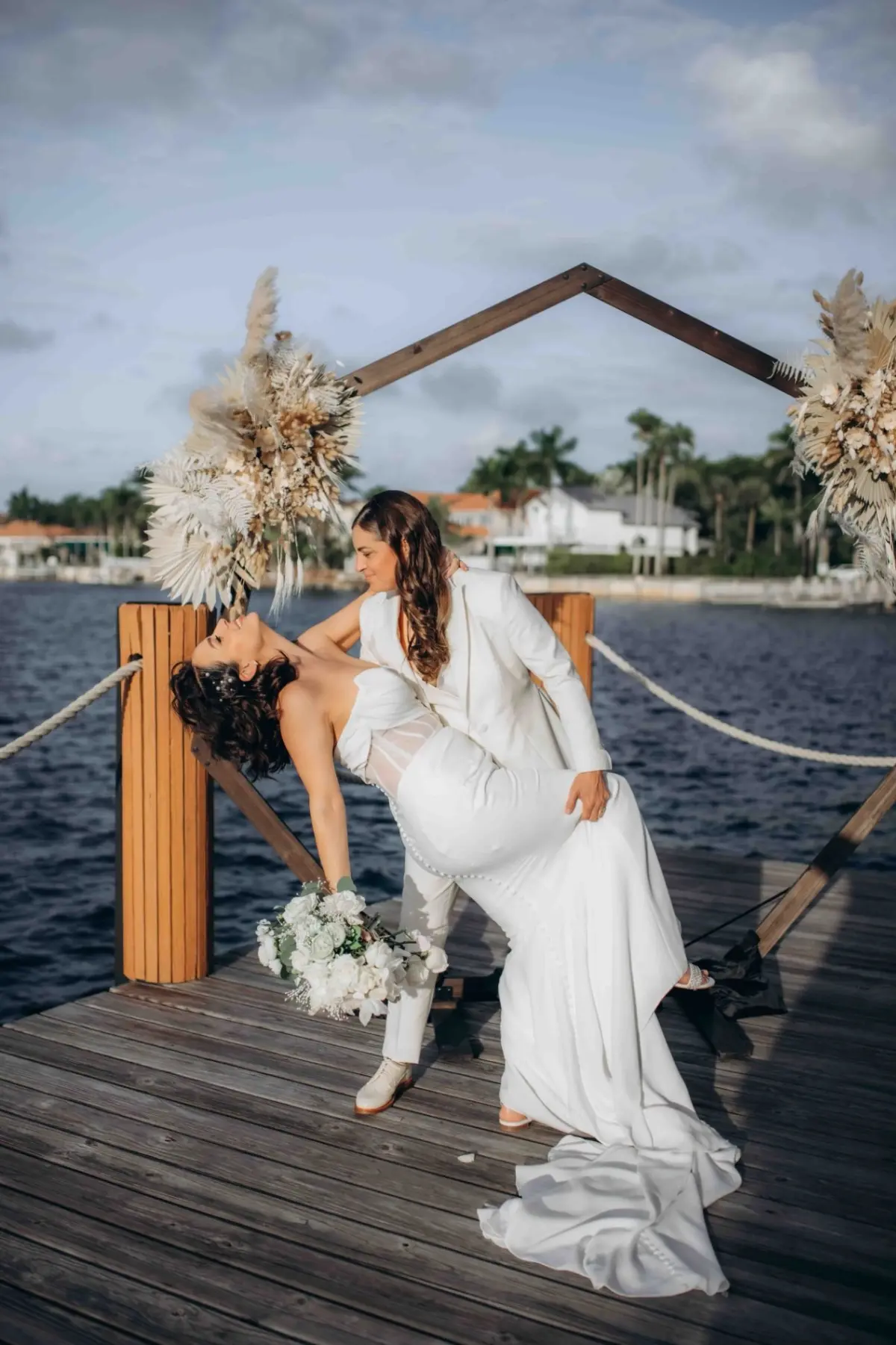
Women's wedding suits are no longer a fringe alternative to the gown. They are a serious, elegant, and deeply personal way to dress for a ceremony, reception, rehearsal dinner, courthouse wedding, destination celebration, or second look. The strongest examples do not borrow from office tailoring. They use tailoring as the foundation for something more deliberate: a wedding garment with structure, grace, movement, and presence.
That distinction matters. A wedding suit for a woman should not feel like a blazer and trouser combination pulled from a weekday wardrobe. It should feel designed for the moment. The shoulders, waist, sleeve shape, trouser line, fabric, buttons, shirt, jewelry, and shoes all need to speak the same language. When those choices are aligned, the result can be softer than a tuxedo, sharper than a gown, and more personal than anything taken from a standard bridal rack.
For Miami weddings, the suit also has to work in real conditions. Heat, humidity, travel, outdoor light, waterfront venues, rooftop receptions, and long photo schedules all affect how the garment performs. A beautiful suit that feels stiff, heavy, or restrictive will become a problem by the second hour. A suit made with the right fabric and balance can hold its shape through the ceremony while still feeling natural enough to move, sit, dance, and be photographed from every angle.
At Bespoke By CB's women's custom clothing appointments, the conversation starts with the full wedding plan, not just a measurement tape. The venue, ceremony time, partner's outfit, dress code, floral palette, photography mood, and comfort preferences all shape the finished garment. A city hall wedding may call for a sharp ivory double breasted suit. A garden ceremony may need a softer cream fabric with gentle texture. A black tie reception may justify a shawl collar tuxedo jacket, satin detail, and a cleaner evening trouser.
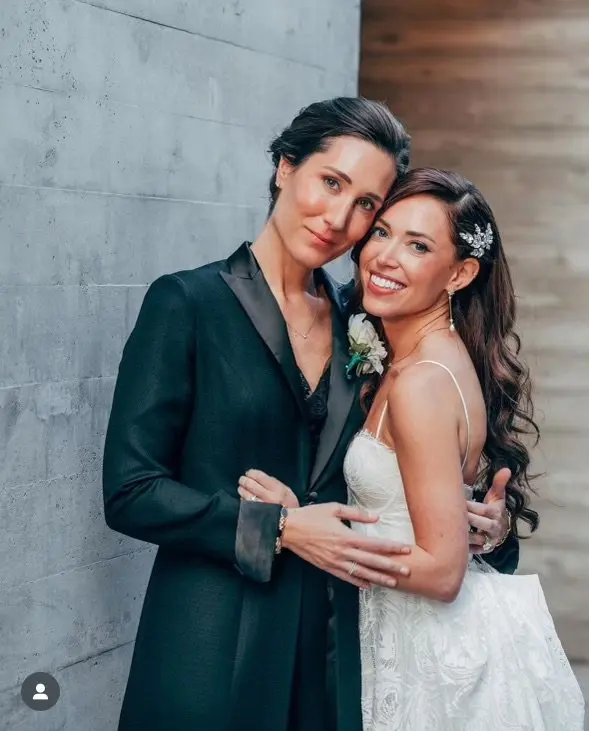
An ivory wedding suit can feel bridal, modern, and formal when the fabric, shape, and details are chosen together.
Start With the Role of the Suit
The first question is not whether the suit should be white, ivory, black, or navy. The first question is what role the suit plays in the wedding. Is it the main ceremony look, the reception change, a rehearsal dinner outfit, an engagement party look, or a civil ceremony suit? Each answer changes the level of formality and the amount of visual drama the garment needs.
If the suit is the main ceremony outfit, it has to carry the same emotional weight that a gown would carry. That does not mean it needs lace, sparkle, or theatrical styling. It means the silhouette must be clear, the cloth must feel special, and the finishing details must be refined enough for close photography. The suit should make the wearer look like the person being celebrated, not like a guest who wore a good suit.
If the suit is a second look for the reception, it can be more playful. A cropped jacket, wider trouser, satin lapel, unexpected color, or statement blouse can work beautifully after the ceremony. Reception suits can prioritize movement and confidence because the formal vows and family portraits may already be complete. Still, the garment should be properly tailored. A relaxed look is not the same thing as an imprecise fit.
For courthouse weddings, rehearsal dinners, and engagement parties, the suit can sit between bridal and everyday tailoring. These events often reward restraint. A clean cream suit, soft white blouse, elegant loafer or heel, and subtle jewelry can feel correct without looking like a costume. The goal is polish that photographs well and still feels true to the setting.
Choose a Silhouette Before Choosing Details
Silhouette controls the entire mood of a women's wedding suit. A long single breasted jacket with slim trousers feels different from a double breasted jacket with a wider leg. A cropped jacket can feel modern and architectural. A softly shaped jacket with a flowing trouser can feel romantic. A tuxedo jacket with a satin lapel can feel formal and evening focused. None of these is automatically better. The right silhouette depends on body shape, venue, movement, and personal style.
The shoulder is especially important. Too much structure can make the suit look borrowed from menswear in a literal way. Too little structure can make the jacket collapse in photos. A good wedding suit usually needs a clean shoulder that frames the body without overpowering it. The jacket should create shape through proportion rather than tightness. It should define the wearer without making her feel locked into the garment.
The waist can be sharp, relaxed, or lightly shaped depending on the look. A nipped waist creates a more formal, sculpted effect. A straighter jacket can feel cooler and more modern, especially with a strong trouser line. The key is intention. If the jacket is meant to be straight, it should look designed that way. If it is meant to shape the waist, it should do so cleanly without pulling across the front or opening at the button.
Trousers deserve just as much attention as the jacket. A narrow trouser can look sleek, but it must not pull across the hip or knee. A wider trouser can look graceful and ceremonial, but it needs the correct rise, drape, and hem length. A high waisted trouser often works well for wedding suits because it lengthens the body and creates a more elegant line under a jacket. Hem length should be chosen with the actual shoe, not guessed during an early fitting.
Make the Fabric Feel Bridal
Fabric is where a wedding suit separates itself from business clothing. A plain office suiting cloth can technically be tailored well, but it may not feel special enough for the day. Wedding fabrics often need a richer surface, more graceful drape, or cleaner color. That can mean ivory wool, cream silk blend, lightweight mohair, tropical wool, linen blend, satin trimmed formal cloth, or a subtle jacquard. The right cloth makes the suit feel intentional before any accessory is added.
In South Florida, weight and breathability matter. Heavy cloth may look beautiful indoors, but it can become uncomfortable outside. A tropical weight wool or refined wool silk blend can hold shape while staying more breathable than a dense winter fabric. Linen can be beautiful for a coastal or garden wedding, but it must be chosen with a realistic understanding of wrinkling. Some creasing looks relaxed and elegant. Too much creasing can make a ceremony suit look tired before the reception begins.
Color also changes how fabric behaves. White can look striking, but flat white may appear harsh beside skin, flowers, or a partner's outfit. Ivory and cream are often more forgiving because they carry warmth. Champagne and pale grey can be excellent when the wedding palette is soft but not strictly white. Black and midnight navy are strong choices for evening weddings, especially when the suit leans toward tuxedo styling.
If the partner is also wearing white, ivory, cream, or black tie, coordination should happen early. The two outfits do not need to match, but they should respect each other. A warm ivory suit beside a cool white gown can look accidental if the undertones clash. A midnight tuxedo beside a cream suit can look excellent if both garments share a similar level of formality. This is one reason wedding clothing should be planned as a full visual story, especially for couples who care about photography.
Use Tailoring to Create Ease
Many women come to custom tailoring after years of compromising with standard sizing. A jacket fits the shoulder but not the waist. Trousers fit the hip but not the seat. Sleeves are too long. The rise is wrong. The waistband gaps. The jacket pulls when buttoned. Wedding clothing magnifies those problems because the garment is photographed constantly and worn during an emotionally important day.
A custom suit solves these problems by beginning with the wearer instead of a generic block. The jacket can be balanced for shoulder slope, bust, waist, posture, and arm position. The trouser can be cut for the actual hip, rise, seat, thigh, and preferred shoe height. These adjustments are not vanity details. They determine whether the suit moves naturally and whether the wearer can forget about the garment after putting it on.
Good fit is also what allows a wedding suit to feel feminine, androgynous, classic, dramatic, or minimal without forcing the body into an uncomfortable shape. A suit does not need to be tight to be elegant. In fact, many of the strongest women's wedding suits have ease. The fit is precise, but the garment still has air in it. That small difference is what makes the wearer look composed rather than constrained.
For clients comparing options, it helps to understand the difference between a true custom process and ordinary alterations. A garment bought off the rack can be improved, but it still begins with someone else's proportions. A purpose built suit gives the clothier more control over balance, line, and comfort from the beginning. If the wedding suit is central to the day, that control is worth having.
Coordinate With the Wedding Setting
The venue should influence the suit. A beachfront ceremony, luxury hotel ballroom, art museum, private club, garden, courthouse, and rooftop reception all ask for different visual weight. A soft ivory linen blend may be perfect for an outdoor afternoon ceremony. The same suit may look too casual in a black tie ballroom. A satin trimmed tuxedo suit may look powerful at night, but it may feel heavy at a morning garden wedding.
The broader wedding clothing service is built around these context decisions because formalwear is never just about the garment by itself. A wedding suit has to relate to the partner's outfit, the wedding party, the photographs, and the venue. It should stand apart enough to signal importance without fighting the rest of the day.
For daytime Miami weddings, lighter tones and breathable textures often make sense. Ivory, cream, pale grey, soft blue, champagne, and stone can all work when the setting is bright. For evening weddings, stronger contrast can look more intentional. Black, midnight blue, deep green, charcoal, and formal ivory can all feel elevated when the lighting is lower and the reception is more formal.
Wedding party coordination should be handled carefully. If the bride, groom, partner, or wedding party is also wearing tailored clothing, the suit should not disappear into the group. A woman in the central wedding role can separate herself through fabric, lapel shape, button choice, trouser silhouette, shirt styling, jewelry, or color depth. The difference can be subtle, but it should be visible.
Style the Shirt, Shoes, and Jewelry as One System
The shirt or blouse under a wedding suit is not an afterthought. A crisp white shirt can make the look sharp and architectural. A silk shell can soften the jacket. A low contrast ivory blouse can create a continuous bridal line. A formal tuxedo shirt can work under a women's tuxedo jacket, but only when the rest of the outfit supports that level of formality. The neckline matters because it frames the face in every close photograph.
Shoes affect both style and fit. A heel changes trouser length, posture, and the visual line of the leg. A loafer or flat can make the suit feel more relaxed and modern. A sandal may work for a destination ceremony, but the trouser hem needs to be considered carefully. The final fitting should happen with the real shoe or a shoe of identical height.
Jewelry should support the tailoring rather than fight it. A strong earring can work beautifully with a clean neckline. A necklace may be perfect under an open jacket, but it can clutter a high shirt collar. A watch, bracelet, or cufflink detail can add personality if it feels intentional. With wedding suits, fewer accessories often look more expensive because the tailoring itself carries the look.
Button choice, lining, lapel treatment, and pocket style are also part of the styling system. These details should be chosen in relation to the full outfit, not because they look interesting on their own. A satin lapel asks for a more formal shirt and shoe. A matte horn button keeps the suit quieter. A covered button can make an ivory jacket feel more ceremonial. The best details disappear into the overall effect.
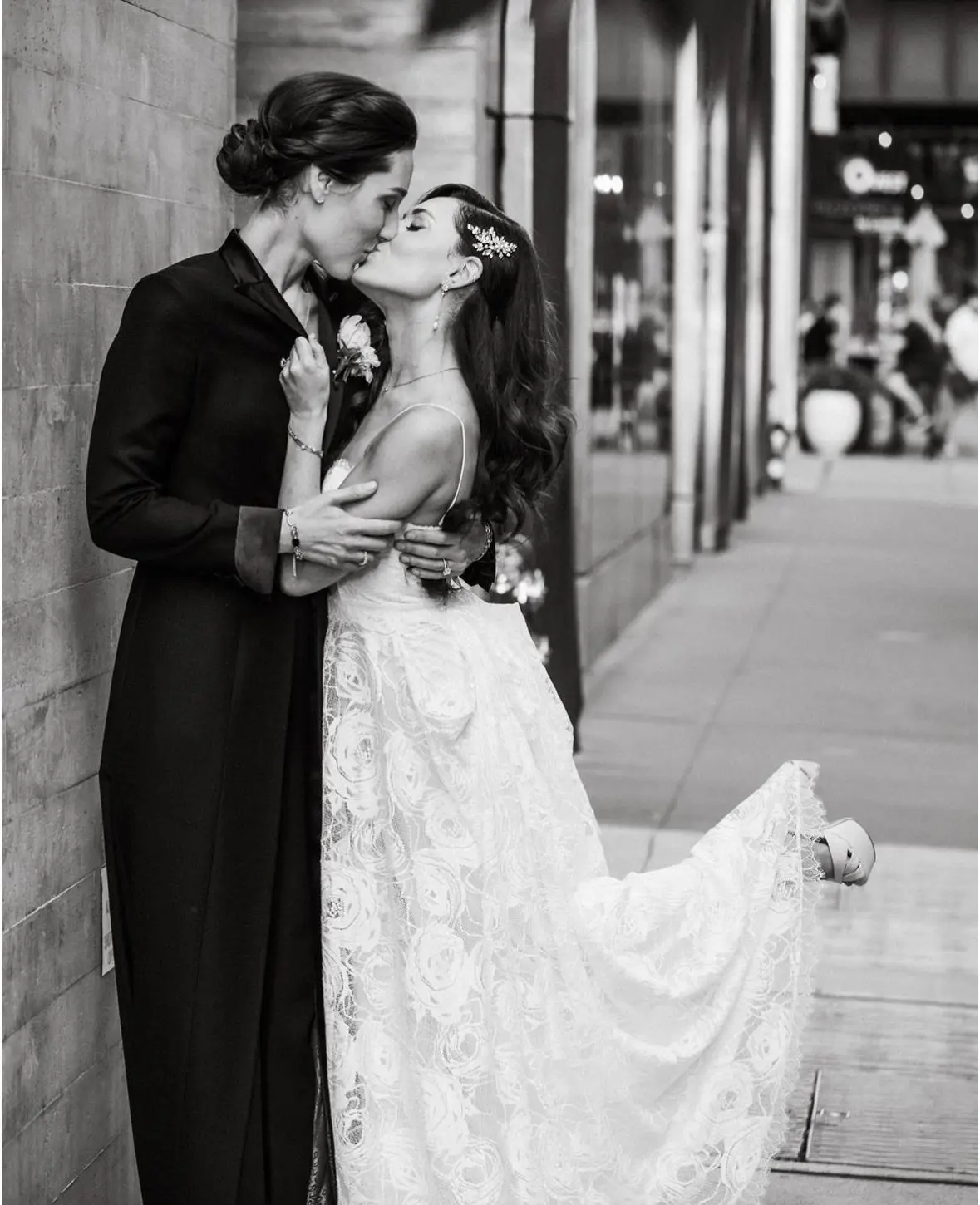
A darker tailored suit can work for wedding events when the proportions, shirt, and accessories are elevated.
Plan the Timeline Early
A custom wedding suit should not be rushed. Starting 10 to 12 weeks before the wedding is a practical minimum for most clients. More time is better if the wedding is destination based, if multiple looks are being made, or if the partner's outfit needs to be coordinated at the same time. Early planning gives room for fabric selection, fittings, styling decisions, and final adjustments without forcing compromises.
The first appointment should clarify the purpose of the suit, preferred silhouette, colors, comfort needs, and the wedding setting. From there, cloth selection and measurements can happen with a clear direction. Fittings then refine the garment. This is where posture, sleeve length, waist shape, trouser break, shoulder line, and overall balance are corrected. The final garment should feel natural, not newly discovered the week of the wedding.
If the suit is one part of a larger wardrobe, plan that too. Some clients need the ceremony suit, rehearsal dinner look, welcome party jacket, or honeymoon separates. Others need tailored clothing for both partners or key family members. Building the plan early helps the wardrobe feel cohesive rather than assembled in a rush.
For many women, the custom process is also clarifying. It allows them to choose what kind of wedding presence they want instead of accepting a narrow bridal category. Some want crisp and minimal. Some want romantic and soft. Some want black tie power. Some want a suit that feels quietly personal. Tailoring can support all of those goals when the process is thoughtful.
When a Suit Is Better Than a Dress
A suit can be the better choice when the wearer wants structure, movement, comfort, or a clearer expression of personal style. It can also be better for courthouse weddings, destination weekends, second marriages, same sex weddings, reception changes, and ceremonies where a traditional gown simply does not feel right. The point is not to reject bridal style. The point is to define it more precisely.
A well made wedding suit gives the wearer authority without stiffness. It lets the body move. It can be formal without being fragile. It can be reused, restyled, or separated after the wedding in ways a gown often cannot. An ivory jacket may later become an evening piece. The trouser may be worn with a silk blouse. A navy tuxedo suit may work for galas, formal dinners, or future events. That versatility does not make the suit less special. It makes the investment more intelligent.
For clients considering a broader tailored wardrobe, the same principles behind a wedding suit apply to custom suits more generally. Fit, cloth, proportion, and context decide whether a garment looks merely adequate or genuinely considered. The wedding simply raises the stakes because the garment has to perform in memory, motion, and photography.
Color planning is especially important if the wedding suit sits near other tailored looks. For more detail on coordinating shade, venue, and photography, the guide to wedding suit color is a useful companion. The same ideas apply whether the suit is being made for a groom, bride, partner, or wedding guest: color should serve the person and the setting at the same time.
FAQ
Can a woman wear a suit to her wedding?
Yes. A woman can wear a suit as the primary wedding look, a ceremony outfit, a reception change, or an engagement and rehearsal dinner look. The key is making the suit feel intentionally bridal through fabric, fit, proportion, and finishing details rather than simply wearing business tailoring in a wedding setting.
What color works best for a women's wedding suit?
Ivory, cream, white, soft champagne, pale grey, and midnight navy are common choices, but the best color depends on the venue, ceremony time, partner's outfit, and photography style. The suit should have enough depth and texture to hold its shape in photos.
Should a women's wedding suit be made differently than a work suit?
Yes. A wedding suit usually needs a more considered silhouette, finer cloth, stronger finishing, cleaner trouser or skirt proportion, and styling that supports the ceremony. It should feel special without becoming costume-like.
When should I start a custom women's wedding suit?
Start at least 10 to 12 weeks before the wedding when possible. That gives enough time for consultation, cloth selection, fittings, adjustments, and final styling without rushing decisions close to the event.
Frequently Asked Questions
What should I wear to a Miami wedding?
For a Miami wedding, choose lightweight fabrics like linen, wool-linen blends, or tropical wool. Light colors such as tan, grey, or navy work well for daytime, while darker suits suit evening affairs. Bespoke By CB in Miami specializes in wedding attire that balances style and comfort.
How far in advance should I get my wedding suit?
Order your custom wedding suit at least 3-4 months before the wedding date to allow time for consultations, fittings, and adjustments. Bespoke By CB in Miami recommends starting even earlier during peak wedding season.
What colors work best for a Miami wedding suit?
Light grey, navy, tan, and champagne are popular choices for Miami weddings. The color should complement the wedding's theme and formality level. Bespoke By CB can help you select the perfect color and fabric for your specific wedding.
Should the groomsmen match the groom?
Groomsmen should complement, not exactly match, the groom's attire. Coordinating colors and styles creates a cohesive look while allowing the groom to stand out. Bespoke By CB offers group styling services for wedding parties.
Can I wear a tuxedo to a daytime wedding?
Tuxedos are traditionally reserved for evening weddings, but daytime black-tie weddings have become more common. For a Miami daytime wedding, a light-colored suit may be more appropriate. Bespoke By CB can advise on the best choice for your event.


