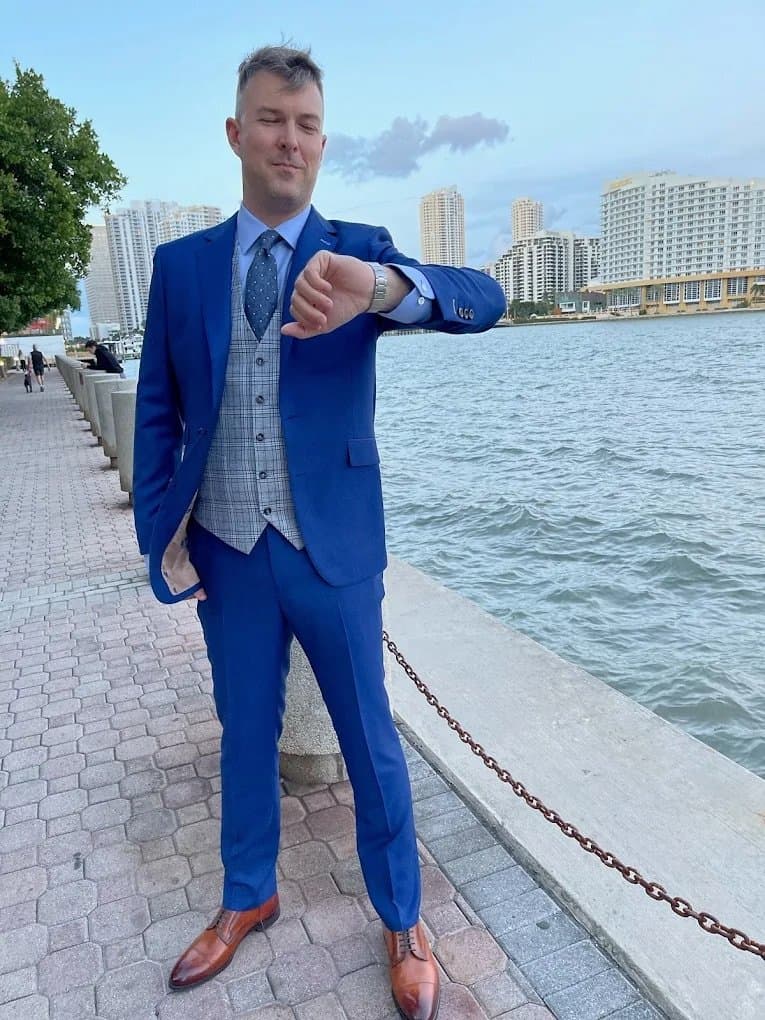
Before investing in a custom suit, almost every client asks the same question: what happens if it needs to be altered later? It is a smart question, and the answer is more reassuring than most people expect. Yes, custom made suits can be altered. In fact, a well-constructed bespoke suit is built to accommodate future adjustments more gracefully than anything you will find hanging on a rack. But there is nuance here, and understanding it can save you both money and frustration down the road.
At Bespoke By CB, Christian Boehm has spent more than 37 years fitting clients across Miami and South Florida. Over the course of thousands of consultations, he has seen every scenario: the client who lost 20 pounds after a major life change, the groom who needed a last-minute tweak before the ceremony, and the executive whose body changed over a decade of wearing the same suit. What makes a true bespoke garment special is not just how it fits on day one. It is how it serves you for years and years afterward.
This guide covers everything you need to know about altering a custom made suit, from the construction details that make alterations easier to the limits every tailor faces, and how to decide when it is worth altering versus when ordering fresh is the smarter investment.
Why Custom Suits Are Built with Alteration in Mind
The difference between a bespoke suit and an off-the-rack garment often comes down to what you cannot see. Inside a quality custom suit, the construction is designed with longevity in mind. Two features matter most when it comes to alterability: seam allowance and canvas construction.
Seam allowance refers to the extra fabric left inside the seams beyond the stitching line. A factory-made suit is cut to minimize fabric use, which means the seam allowances are often paper-thin. Alter the waist in or out by more than half an inch and you may find you have run out of material to work with. A properly made bespoke suit, by contrast, is cut with generous seam allowances throughout. This gives a skilled tailor room to let the garment out or bring it in as your body changes over time. For a side-by-side look at how these construction choices play out in real wear, read our comparison of tailored suits vs. normal suits.
Canvas construction matters for a different reason. Most mass-produced suits use fused interlinings, where the chest piece is glued to the fabric with heat and adhesive. This gives the suit shape initially, but over time the glue breaks down, creating bubbling and stiffness. More critically, fused construction limits what can be done during alterations because taking the garment apart risks damaging the layers. A full canvas suit, like every garment made at Bespoke By CB, uses hand-stitched horsehair canvas that floats freely inside the chest. This construction is not only more durable and more comfortable, it is also far more forgiving during alterations because the tailor can work through each layer independently.
These are not minor details. They are the reason a bespoke suit made today can still be fitting perfectly ten or fifteen years from now. It is a fundamental difference between a garment that is designed to last and one that is designed to sell quickly. Understanding these construction differences can help you make better long-term decisions about your wardrobe, and it is one of the key areas covered in our guide on what separates a professional clothier from a standard tailor.
What Can Be Easily Altered on a Custom Suit
Many of the most common fit issues are straightforward adjustments for an experienced tailor. Here is what typically falls into the easy alteration category:
Waist suppression: Taking in or letting out the waist of a jacket is one of the most requested alterations. With proper seam allowance, a tailor can typically adjust the waist by one to two inches in either direction without disrupting the overall silhouette. This adjustment alone can make a significant difference in how a suit presents on the body.
Sleeve length: Shortening or lengthening jacket sleeves is routine, assuming the original suit was made with enough seam allowance at the cuff. Button placement needs to move as well, but this is considered a standard adjustment and is well within the capabilities of any skilled tailor.
Trouser break: The amount of fabric that falls over the top of the shoe is a matter of personal preference and style era. Hemming trousers up or down is one of the simplest alterations available and can dramatically modernize an older suit. A clean, contemporary break can make a suit look ten years newer without any other changes.
Seat and thigh: The seat and upper thigh of a trouser can often be let in or out depending on available seam allowance. For clients who have gained or lost weight in the lower body, this adjustment can extend the life of a suit significantly and restore the original clean line of the trouser.
Trouser waistband: Expanding or reducing the trouser waistband is another common and accessible alteration. Most quality trousers have a waistband extension that allows for a comfortable adjustment of up to an inch and a half without any visible change to the exterior of the garment.
Back seam: The center back seam of a jacket can be adjusted to address posture-related fit issues, such as a slight lean forward or uneven shoulder height. This is a more nuanced alteration but well within the capability of a skilled bespoke tailor who knows how to read the way a garment hangs on the body.
The key thread running through all of these adjustments is available seam allowance. A high-quality custom suit built with generous seams gives the tailor the flexibility to make these changes cleanly and invisibly, so the finished result looks as intentional as the original construction.
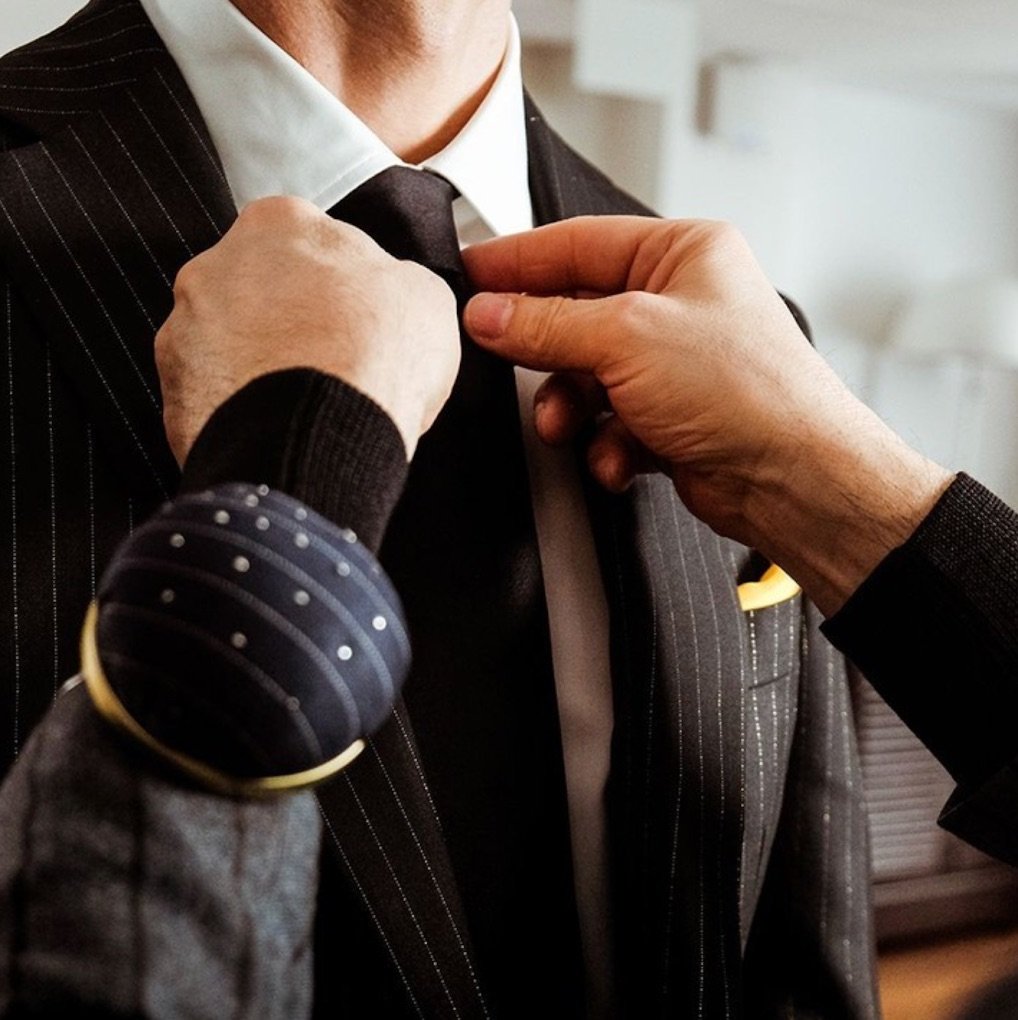
What Is Harder to Alter and Why
While many things can be adjusted, there are structural limits to what alterations can achieve. Understanding these limits helps you have realistic expectations and make better decisions about your wardrobe investments.
Shoulders: The shoulder is the foundation of a jacket. Once set, it is extraordinarily difficult to change without essentially rebuilding the garment from scratch. Making a shoulder wider or narrower requires re-cutting the collar, the sleeves, the chest canvas, and the lining. The cost and labor involved often equals or exceeds the price of a new jacket. This is why getting the shoulder measurement exactly right at the initial fitting is so critical, and why a trained eye matters so much in the early stages of the bespoke process. A suit that fits perfectly through the shoulders can be adjusted almost everywhere else. One that does not fit through the shoulders is a much harder problem to solve.
Chest: While minor chest adjustments are possible, significant changes to the chest are limited by the canvas construction and the cut of the jacket front. Letting out a chest more than one to one and a half inches is generally considered at or beyond the limits of practical alteration. The chest canvas must be repositioned, the lining must be removed and reset, and the armhole shape may need to change to compensate. It is doable in skilled hands, but the cost and complexity are real.
Lapels: Narrowing or widening lapels to update a suit's style is technically possible but labor-intensive. The lapel must be unstitched from the chest, re-shaped, re-padstitched, and re-pressed into its new form. The result can be good in skilled hands, but the work involved is significant, and the outcome is rarely as clean as it would be on a freshly made garment. If a style update is the main goal, a new commission may be the more practical route.
Overall proportions: If a jacket is significantly too large or too small in multiple dimensions at once, alteration becomes a game of diminishing returns. At a certain point, the number of changes required is so extensive that the suit loses its original integrity and the cost of alterations approaches the cost of a new garment anyway. A clear-eyed conversation with your tailor is the best way to determine when that line has been crossed.
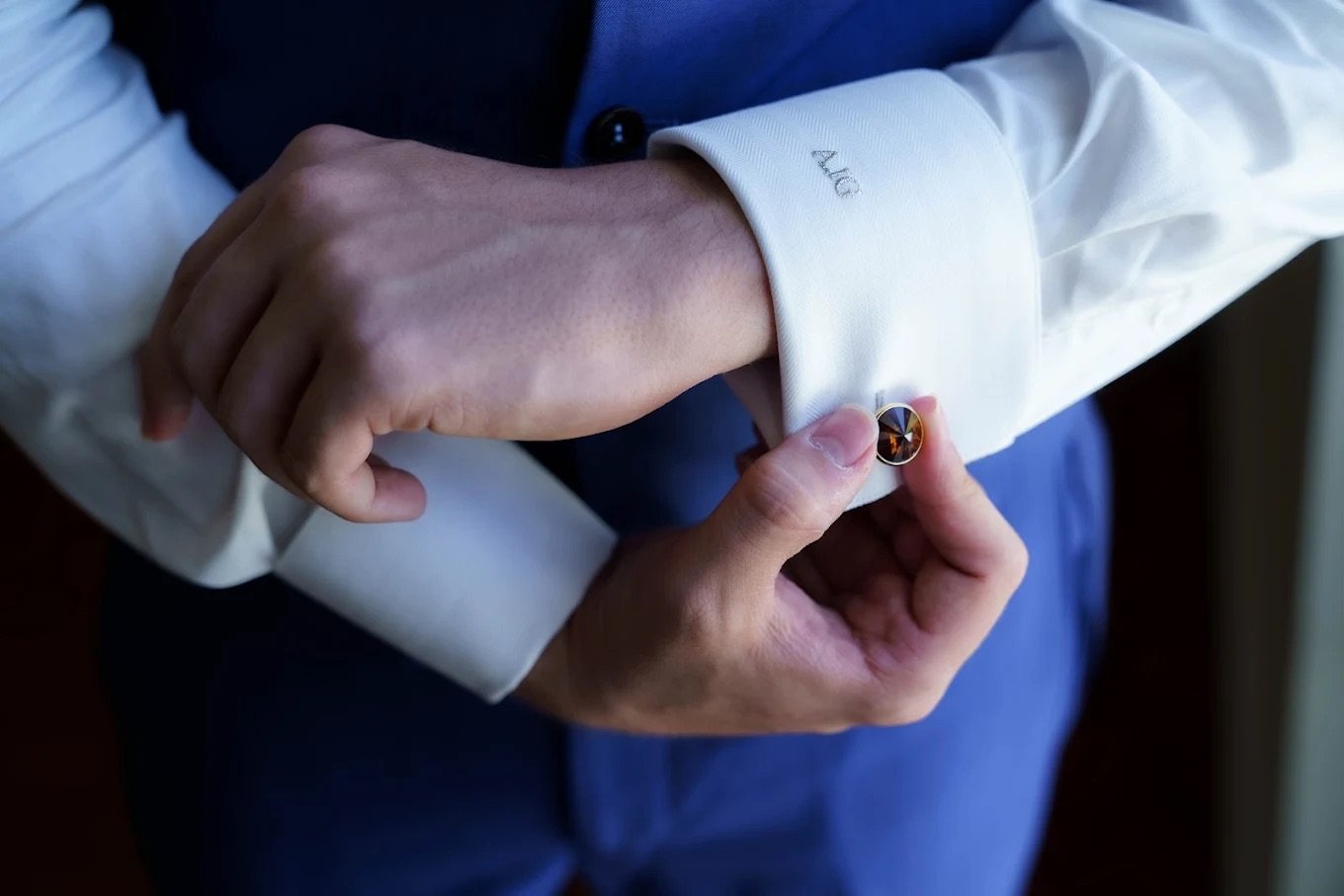
When Alteration Makes Sense vs. Ordering a New Suit
The decision to alter or replace a suit comes down to a few practical questions: how much has the fit changed, what is the condition of the fabric and construction, and what is the realistic cost comparison?
Alteration makes good sense when the changes needed fall in the easy category described above. A jacket that needs the waist taken in half an inch and the sleeves shortened by a quarter inch is a quick, affordable fix that extends the life of a high-quality garment. A trouser that needs the seat let out and the break shortened falls in the same territory. These are minor adjustments that preserve the investment.
Alteration also makes sense as a way to update a suit's silhouette while keeping a fabric you love. If you have a suit in an exceptional cloth that no longer matches your current style preferences, a skilled tailor may be able to modernize it meaningfully without the cost of a full remake. Updating the trouser shape, adjusting the jacket waist, and re-hemming can make an older suit feel genuinely current.
Ordering new makes more sense when the changes required touch the shoulders, when the suit is structurally compromised, or when the overall scope of alterations is so extensive that the costs overlap. It also makes sense when a client's body has changed significantly enough that the original measurements no longer serve as a reliable foundation. For a deeper look at how to think through this decision, see our dedicated guide on when to alter and when to go custom.
In South Florida, where the social and business calendar runs year-round and a suit may see regular use across professional meetings, events, and dinners, having a properly fitting suit is not optional. It is part of how you present yourself. Investing in the right solution, whether that is an alteration or a new commission, always pays for itself.
How the Bespoke By CB Fitting Process Minimizes Future Alterations
The best alteration is the one you never need. This is the philosophy behind the fitting process at Bespoke By CB, where Christian Boehm has been perfecting the fit of custom garments for over 37 years across Miami and South Florida.
From the first consultation, the goal is to understand not just the client's current measurements but their lifestyle, posture tendencies, and how their body has historically changed over time. Many experienced clients will note that they tend to carry weight in the midsection, or that one shoulder sits slightly higher than the other. These are the kinds of details that get built into the pattern from the start, before a single piece of cloth is cut. The result is a garment that accounts for who the client actually is, not just what a tape measure says on a given morning.
The bespoke process at Bespoke By CB includes multiple fittings, not just one. Each fitting is an opportunity to refine the fit further, catching issues early while they are still easy to correct at the pattern stage. A slight drag here, an extra half inch of ease there. By the time the suit is delivered, the client and tailor have gone through the garment together in careful detail, checking every seam and every measurement against the client's body in both static and natural movement positions.
In-home consultations are available throughout Miami and South Florida, making the fitting process genuinely convenient rather than a logistical challenge. Christian comes to the client, which means fittings can happen at home, at the office, or wherever the client is most comfortable and most natural. To learn more about how the full process works, visit our guide on getting a suit tailored in Miami.
The result is a suit that arrives fitting correctly and stays fitting correctly. And for the rare occasions when life demands an adjustment, the construction is fully there to support it.
Frequently Asked Questions
Can a custom suit be altered if I gain or lose weight?
Yes, in most cases. A well-made bespoke suit includes generous seam allowances that allow a skilled tailor to adjust the waist, seat, and trouser fit to accommodate moderate body changes. Significant changes affecting the shoulders or chest may require more extensive work, and in some cases a new commission offers a better result than attempting a major structural alteration.
How much does it cost to alter a custom suit?
The cost of alterations varies depending on what needs to be changed. Simple adjustments like hemming trousers or taking in a jacket waist are relatively affordable and quick. More complex work involving the chest canvas or collar structure is considerably more involved in both labor and cost. A consultation with your tailor is the best way to get an accurate estimate before committing to any alteration.
How many times can a bespoke suit be altered?
A high-quality bespoke suit with proper seam allowances can typically be altered two or three times across its lifetime without losing structural integrity. Each alteration uses some of the available seam allowance, so there are practical limits, but a well-made garment has significantly more flexibility here than a factory-made suit with minimal seam allowances.
Is it better to alter a suit or buy a new one?
It depends on what needs to change. For minor fit issues, alteration is almost always the right answer. When the required changes are structural, such as shoulder width, or when the scope of alterations becomes extensive enough to approach the cost of a new garment, ordering a new bespoke suit often results in a better outcome at a comparable investment.
Can a tailor alter a suit that was not custom made?
Yes, though the options are more limited. Off-the-rack suits are typically cut with minimal seam allowances and often use fused construction, which restricts how much can be changed without damaging the garment. Custom and bespoke suits offer significantly more room for alteration because of how they were originally constructed, making them a better long-term investment from an alterability standpoint as well.
Ready to invest in a suit that fits perfectly from day one and holds up beautifully over time? Contact Bespoke By CB to schedule your consultation with Christian Boehm. With over 37 years of experience fitting clients across Miami and South Florida, Christian brings the craftsmanship and attention to detail that transforms how a suit wears. Schedule your consultation today.