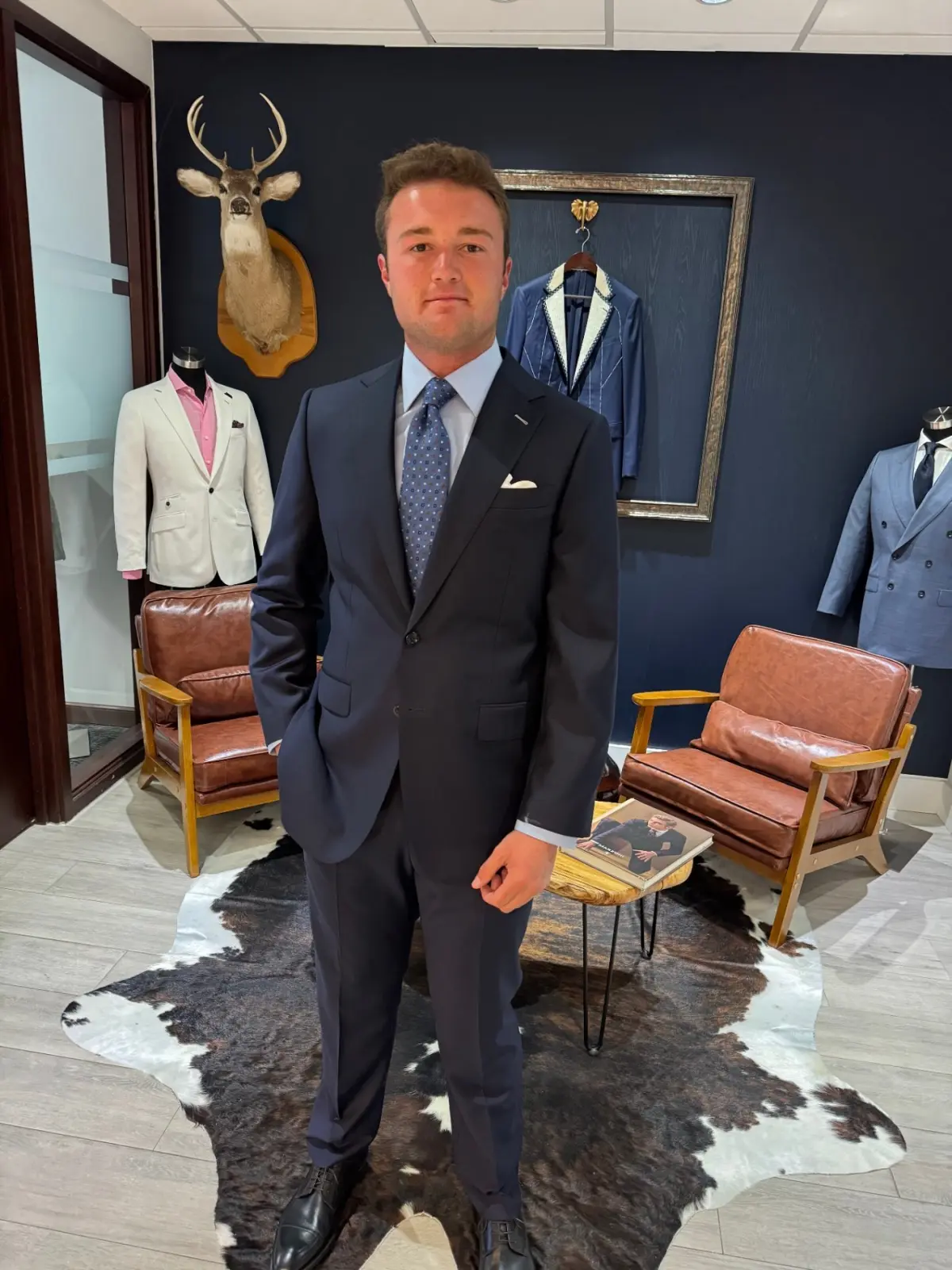
Walking into a business meeting requires more than just a well-prepared presentation and a confident handshake. Your physical presence sets the tone for the entire interaction. In the professional world, your attire serves as your visual resume. It communicates competence, attention to detail, and respect for the people sitting across the table from you. Whether you are pitching a new client, negotiating a complex contract, or leading a team strategy session, the right business meeting outfits for men can significantly influence the outcome of your professional endeavors.
The modern business landscape has evolved significantly over the past decade. The strict corporate uniform of the past has given way to a more nuanced approach to professional dressing. However, this shift does not mean that standards have been lowered. In fact, navigating the nuances of contemporary business attire requires even more skill and discernment. You must strike a delicate balance between approachability and authority. Your clothing should enhance your message rather than distract from it. In this comprehensive guide, we will explore the essential components of a successful business meeting outfit and how you can build a wardrobe that works as hard as you do.
The Anatomy of a Perfect Business Meeting Outfit
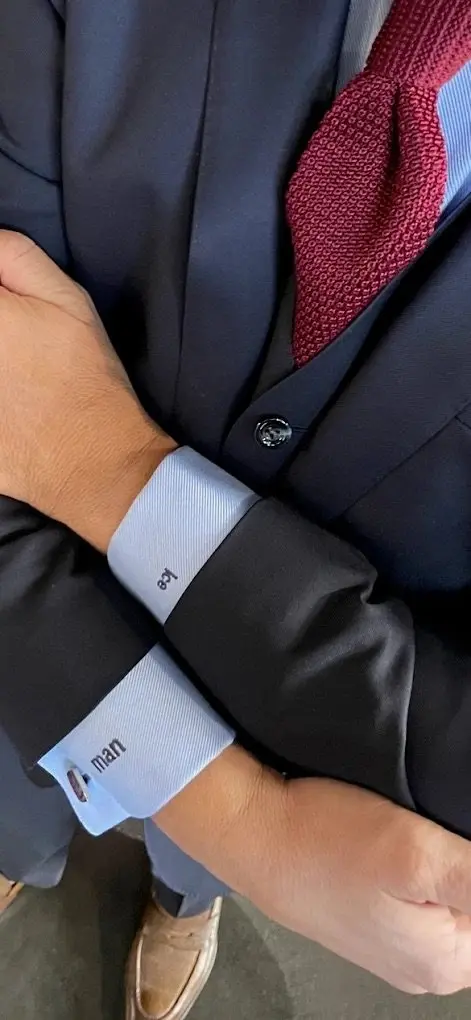
The foundation of any successful outfit begins with the fit. You can purchase the most expensive garment in the world, but if it does not fit your body properly, it will look cheap and unprofessional. A well-tailored suit or blazer should follow the natural lines of your body without pulling, stretching, or sagging. The jacket shoulders must sit flush with your natural shoulder line. The sleeves should end exactly at the wrist bone to reveal roughly half an inch of your shirt cuff. The trousers should feature a clean drape with a slight break over your shoes. This level of precision is virtually impossible to achieve with off-the-rack clothing, which is why investing in custom tailoring is essential for the modern professional.
Beyond the fit, the fabric of your garments plays a crucial role in your overall presentation. The climate you work in should dictate your fabric choices. For professionals operating in warm environments like Miami or South Florida, heavy worsted wools are entirely impractical. Instead, you should focus on lightweight tropical wools, breathable cotton blends, and sophisticated linen blends that resist wrinkling. These fabrics allow you to maintain a crisp and polished appearance even in high humidity. A premium fabric not only looks better but also drapes more elegantly and breathes more efficiently, keeping you comfortable during high-pressure negotiations.
The Formal Boardroom: High-Stakes Meetings
There are still many environments where the traditional power suit reigns supreme. If you work in finance, law, or corporate banking, or if you are meeting with conservative clients, a full suit is absolutely mandatory. For these high-stakes meetings, your objective is to project unwavering confidence and stability. The foundational colors for the formal boardroom are navy blue and charcoal grey. These colors are universally flattering and inherently authoritative. They convey a sense of seriousness without being as severe as a solid black suit. A man wearing a perfectly tailored navy suit instantly commands respect.
When selecting a suit for a formal meeting, opt for a classic two-button, single-breasted jacket with notch lapels. If you want to assert a slightly more dominant presence, peak lapels offer an excellent alternative that broadens the shoulders and draws the eye upward. Your shirt should be pristine white or a very pale blue. The collar should be crisp and well-proportioned to your face shape. Custom shirts are invaluable in these situations because they ensure the collar sits perfectly against the neck and the cuffs remain visible throughout the meeting. Pair this combination with a conservative silk tie in a subtle pattern or a solid texture like grenadine. The goal is to look polished without appearing flashy.
The Business Casual Meeting: Modern Office Environments
The term business casual can be notoriously ambiguous. In the context of a business meeting, it generally means losing the tie while maintaining a highly structured and professional silhouette. This is where the tailored blazer or sport coat becomes your most valuable asset. A perfectly fitted navy blazer paired with tailored trousers in grey or khaki creates a look that is sophisticated yet relaxed. This combination is ideal for client lunches, creative brainstorming sessions, and internal team meetings.
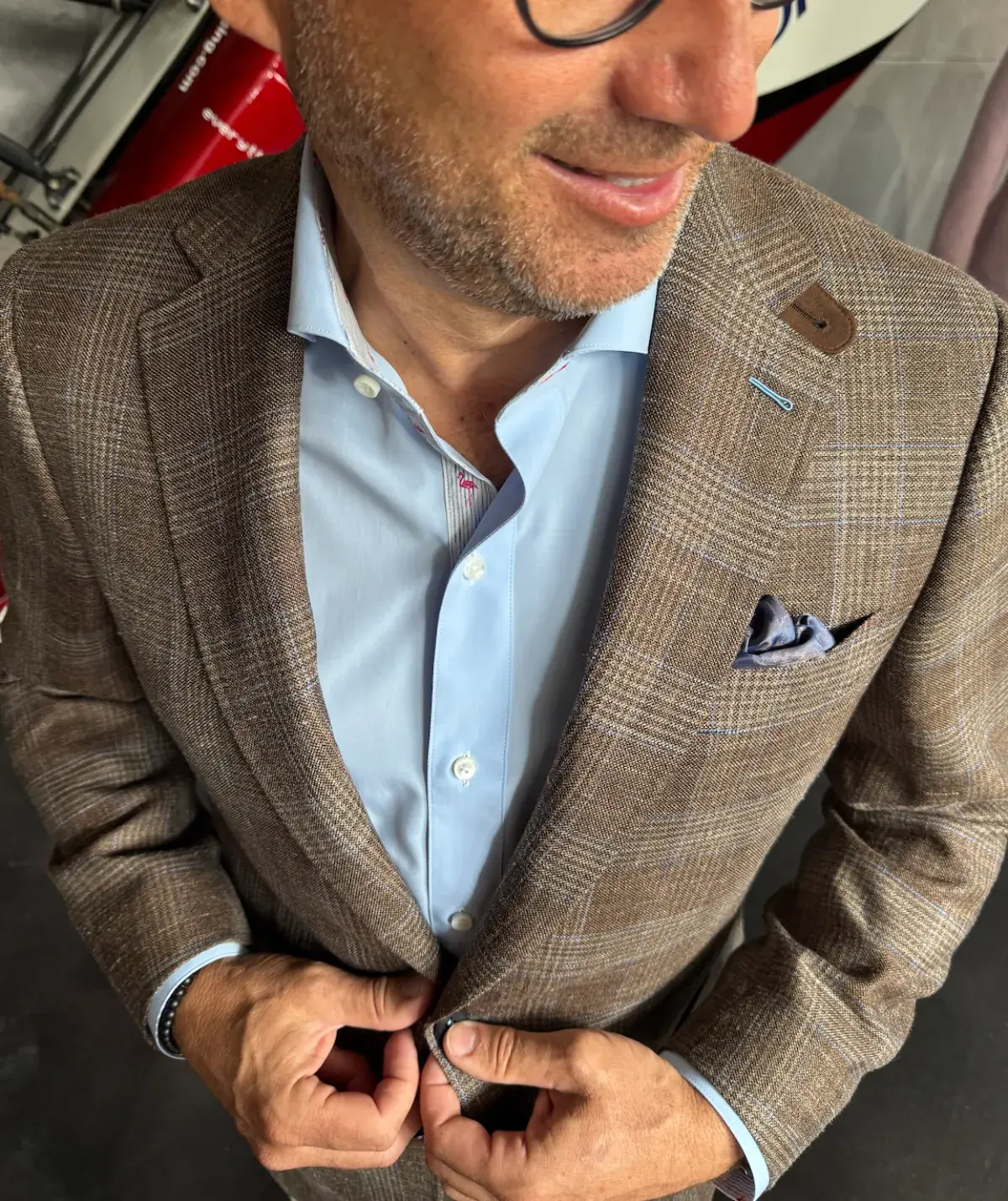
To master the business casual look, you must focus on the details. Since you are not wearing a tie, your shirt collar becomes the focal point of your outfit. A custom shirt with a sturdy collar construction will stand up proudly under a jacket rather than collapsing limply around your collarbones. You can experiment with subtle patterns like micro-checks or fine stripes to add visual interest. Your footwear should remain elevated. A pair of well-polished loafers or derbies will anchor the outfit and maintain a professional standard. Never substitute running shoes or heavily worn sneakers when attending a business meeting.
The Creative Pitch: Creative Agencies and Tech Startups
If you are pitching to a tech startup, a marketing agency, or a design firm, showing up in a conservative three-piece suit might actually work against you. In these creative industries, you want to demonstrate that you understand their culture while still commanding respect. The goal is to look intentional and polished without appearing overly rigid. This requires a masterful mix of high and low elements. Your attire should signal that you are innovative and forward-thinking.
Consider swapping the traditional dress shirt for a high-quality merino wool polo or a crisp, premium t-shirt worn under a custom-tailored suit. This creates a highly contemporary silhouette that feels both authoritative and approachable. Alternatively, you can wear a textured sport coat over a fine-gauge knit turtleneck during the cooler months. The key to pulling off these creative looks is impeccable tailoring. Because the garments themselves are inherently more casual, the fit must be absolutely flawless to ensure you still look like the person in charge. If you need help mastering this look, a tailor shop can adjust your existing pieces for a sharper profile.
Industry-Specific Guidelines for Men
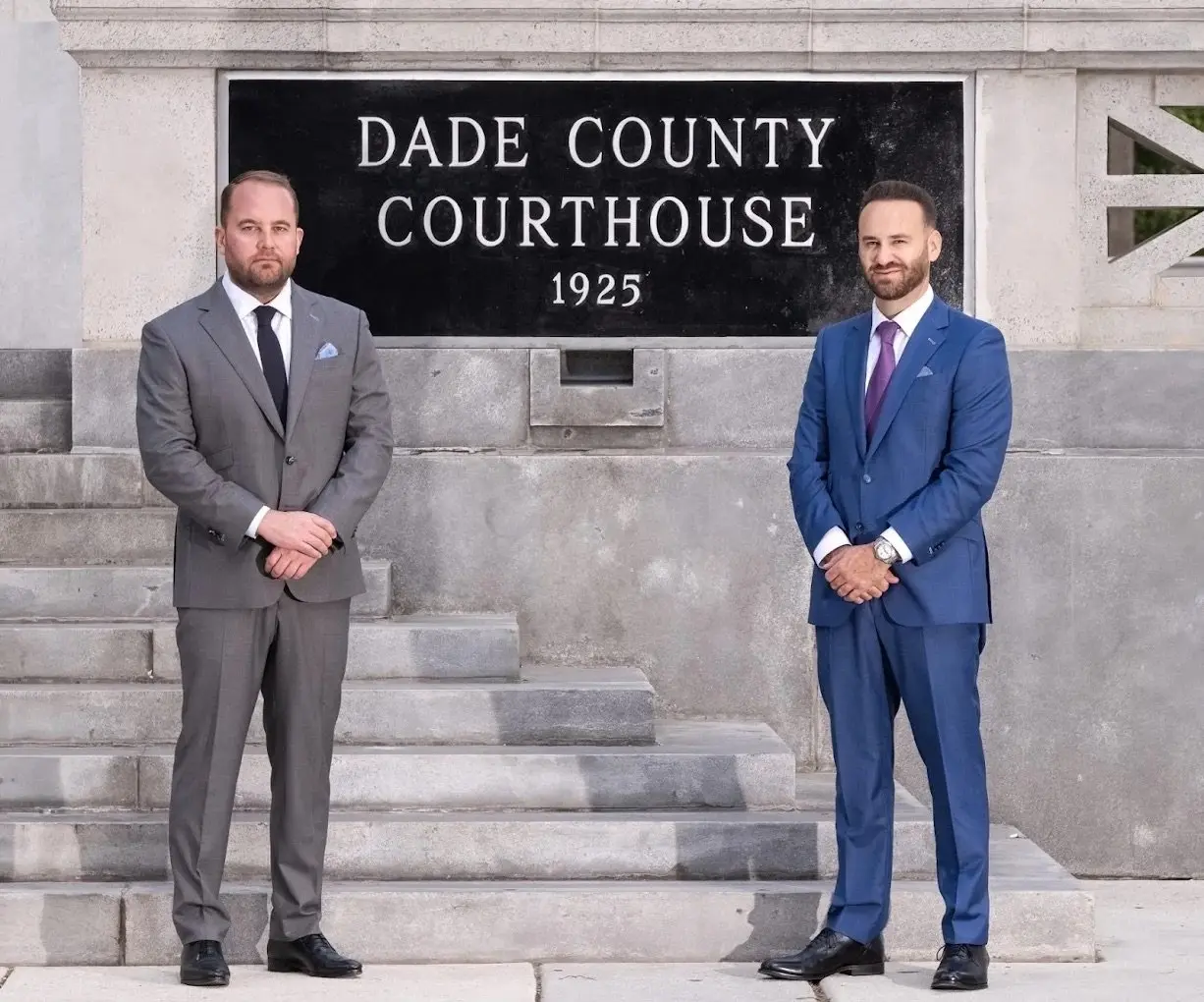
Different industries carry different expectations for professional attire. Understanding these unspoken rules is critical for building rapport with your counterparts. In the legal and financial sectors, conservatism is paramount. Your clothing should inspire trust and reliability. Stick to dark, solid suits or very subtle pinstripes. Your accessories should be minimal and elegant. Avoid flashy watches, brightly colored socks, or overly aggressive tie patterns.
In the real estate and luxury sales markets, your appearance must reflect success and an appreciation for the finer things. This is where you can incorporate slightly more daring elements into your wardrobe. A suit in a rich shade of midnight blue, a jacket with a subtle windowpane check, or a carefully folded pocket square can set you apart from the competition. For more insights on commanding a room, you might explore our thoughts on executive suit style. In these client-facing roles, a custom wardrobe is not just a luxury but a crucial business investment.
Essential Wardrobe Components for Meetings
Building a reliable rotation of business meeting outfits requires investing in several key components. First and foremost is the versatile navy or charcoal suit. This is the cornerstone of your professional wardrobe. Look for a half-canvas or full-canvas construction that will conform to your body over time and provide superior breathability. Next, you need a collection of impeccably fitted dress shirts. At least three crisp white shirts and two light blue shirts are non-negotiable. Custom shirts are strongly recommended because they eliminate the excess fabric around the waist that can ruin the line of your suit.
Your footwear is equally important. Many people judge a professional by the quality and condition of their shoes. A pair of black cap-toe oxfords and a pair of dark brown derbies or loafers will cover almost any meeting scenario. Ensure your shoes are polished and well-maintained. Scuffed or worn-out shoes can instantly undermine the impact of an expensive suit. Finally, invest in a quality leather briefcase or portfolio. Walking into a meeting clutching a disorganized stack of papers or a battered nylon backpack detracts from your professional image. Every detail contributes to the overall impression you make on your colleagues and clients.
Common Mistakes to Avoid in Professional Settings
Even the most expensive garments can look terrible if they are not worn correctly. One of the most common mistakes men make is neglecting garment care. A wrinkled shirt or a stained lapel sends a message of carelessness. Always ensure your clothing is freshly pressed and meticulously clean before a meeting. Another frequent error is wearing inappropriate accessories. Keep your jewelry to a minimum. A classic wristwatch and a wedding band are generally all you need. Novelty ties, excessive cologne, and unkempt facial hair are all major distractions that can negatively impact your professional interactions.
Furthermore, avoid the temptation to chase fleeting fashion trends. Skinny lapels, ultra-tight trousers, and exaggerated proportions have no place in a professional setting. Business attire should transcend seasonal fads. Classic proportions and timeless styling will always project more authority and competence than the latest runway trend. Focus on fit and quality rather than flashy details. When you invest in timeless pieces, you guarantee that your business wardrobe will serve you well for years to come.
The Impact of Color Psychology in Business
Color psychology plays a subtle yet profound role in how you are perceived during a business meeting. Navy blue is almost universally associated with trust, stability, and intelligence. This makes it an ideal choice for initial client meetings or crucial negotiations. Charcoal grey communicates sophistication, neutrality, and strength. It is slightly less formal than navy but still commands a great deal of respect. Black, while formal, can sometimes appear overly severe or aggressive in a daytime business setting. It is usually best reserved for evening events or highly specific corporate cultures.
Lighter colors like medium grey or khaki are excellent for summer meetings or more relaxed office environments. They project approachability and ease. However, they lack the innate authority of darker shades. When selecting your shirt colors, white is the ultimate symbol of crisp professionalism. Light blue suggests calmness and reliability. Subtle patterns like a faint stripe can add visual interest without detracting from your overall message. Always consider the specific goals of your meeting when selecting the colors of your outfit.
How to Accessorize for a Business Meeting
Accessories should enhance your outfit, not dominate it. A high-quality silk tie is the most traditional business accessory. Choose a width that roughly matches the width of your jacket lapels. The knot should be neat and proportioned to your shirt collar. A pocket square is another excellent way to add a touch of personality to a conservative suit. A simple white linen square with a presidential fold is appropriate for almost any business setting. It demonstrates a refined attention to detail without being overly flashy.
Your belt should always match the color of your shoes. Black shoes require a black belt, and brown shoes require a brown belt. The buckle should be understated, ideally a simple silver or gold frame. Suspenders are a classic alternative to a belt, especially when wearing a custom suit, as they allow the trousers to drape more naturally. However, if you choose to wear suspenders, you must never wear a belt at the same time. Finally, select a professional watch with a leather or metal strap. Leave the brightly colored athletic watches at home when attending a formal meeting.
Navigating the Transition from Day to Night
Many business interactions extend beyond the traditional workday. A late afternoon meeting can easily transition into a client dinner or a networking event. When building your business wardrobe, versatility is key. A well-tailored navy suit can easily transition from the boardroom to a high-end restaurant. By simply removing your tie and unbuttoning the top button of your shirt, you instantly create a more relaxed yet still sophisticated look.
If you know your day will end with an evening event, you might consider wearing a slightly bolder shirt pattern or a pocket square with a bit more color. These elements can be downplayed during the day by keeping your jacket buttoned and then showcased in a more social setting. The ability to adapt your outfit to different environments demonstrates social intelligence and a keen understanding of professional etiquette. It ensures you always look appropriate, regardless of where the evening takes you.
The Importance of Grooming and Personal Presentation
Your clothing is only one part of your overall presentation. Impeccable grooming is absolutely essential for a successful business meeting outfit. A fresh haircut, neatly trimmed facial hair, and clean fingernails are non-negotiable requirements. Pay attention to the details. Ensure your eyebrows are tidy and that you have addressed any stray hairs. Use a subtle, high-quality cologne, but apply it very sparingly. Your scent should never announce your presence before you enter the room or linger long after you leave.
Your posture and body language also play a significant role in how you are perceived. Stand up straight, make confident eye contact, and offer a firm handshake. A perfectly tailored suit will naturally encourage better posture, but you must still be conscious of your physical presence. When you combine exceptional clothing with excellent grooming and confident body language, you create a powerful professional aura that commands respect and attention.
Investing in Your Professional Future
Purchasing high-quality business attire is an investment in your career. When you look your best, you perform your best. The confidence that comes from wearing a perfectly fitted, beautifully crafted garment translates into more persuasive presentations, more effective negotiations, and stronger professional relationships. While custom clothing represents a higher initial cost than off-the-rack alternatives, the long-term value is undeniable. A custom suit will last longer, fit better, and provide a superior return on your investment over time.
Consider your wardrobe as a critical business tool, much like your laptop or your smartphone. You would not use an outdated or malfunctioning computer to manage your important projects. Similarly, you should not rely on poorly fitting or low-quality clothing to represent your professional brand. By prioritizing quality and fit, you ensure that your visual presentation aligns with your professional ambitions.
How Bespoke By CB Elevates Your Professional Wardrobe
At Bespoke By CB, we understand that your professional image is a critical component of your career trajectory. As Miami's premier custom clothier, Bespoke By CB specializes in crafting garments that perfectly balance style, comfort, and authority. We know that the South Florida climate presents unique challenges for men who need to wear suits and blazers year-round. That is why Bespoke By CB offers an extensive selection of premium, lightweight fabrics sourced from the finest mills in Italy and England.
When you book an appointment with Bespoke By CB, you are not simply buying a garment. You are engaging in a comprehensive wardrobe consultation. Our experts will assess your industry, your personal style preferences, and your specific physical proportions to create business meeting outfits that empower you to perform at your best. Whether you need a commanding three-piece suit for a board presentation or a versatile sport coat for client dinners, Bespoke By CB ensures you step into every room with absolute confidence.
We invite you to discover the profound difference that true custom tailoring can make in your professional life. Contact Bespoke By CB today to begin building a wardrobe that reflects your unique success and ambition.
Frequently Asked Questions
What is the most appropriate suit color for a first-time business meeting?
Navy blue is universally considered the most appropriate and versatile color for a first-time business meeting. It is less severe than black but still projects a high level of authority, trust, and professionalism. Charcoal grey is an excellent secondary option that offers similar benefits and pairs exceptionally well with a wide variety of shirt and tie combinations.
Can I wear a polo shirt to a business meeting?
Wearing a polo shirt to a business meeting depends entirely on the industry and the specific context of the meeting. In conservative fields like finance or law, a polo shirt is generally inappropriate. However, in creative industries, tech startups, or casual Friday settings, a high-quality, fine-gauge merino wool polo worn under a well-tailored blazer can create a sophisticated and modern business casual look.
How should a custom dress shirt fit around the collar?
A custom dress shirt should fit comfortably around the neck without being restrictive. You should be able to slide one or two fingers between the collar and your neck when the shirt is fully buttoned. If the collar is too tight, it will cause discomfort and look strained. If it is too loose, it will gap unprofessionally and fail to support your tie properly.
Are brown shoes acceptable for formal business meetings?
Yes, brown shoes are highly acceptable for most business meetings, provided they are a dark, rich shade of brown like espresso or dark chocolate. Dark brown shoes pair beautifully with navy, grey, and charcoal suits. However, if the meeting is strictly formal or if you are wearing a black or very dark charcoal suit in a highly conservative environment, black oxfords remain the safest and most traditional choice.
How many suits do I need for a standard professional wardrobe?
A standard professional wardrobe should include at least three well-tailored suits. A solid navy suit, a solid charcoal suit, and a subtle pattern like a faint windowpane or pinstripe will provide enough variety for most business environments. By rotating these suits and mixing them with different custom shirts and accessories, you can create a diverse array of outfits while allowing the garments time to rest and recover between wears.