
Planning a wedding during the warmer months presents a unique stylistic challenge. You want to look impeccable, sophisticated, and entirely appropriate for the gravity of the occasion. However, you also need to survive the heat, remain comfortable, and avoid looking wilted by the time the reception begins. The solution to this sartorial puzzle lies entirely in your choice of material. Selecting the right wedding suit fabrics for summer ceremonies is the single most important decision a groom can make. The climate of South Florida, with its intense sun and high humidity, demands clothing that works with your body rather than against it. At Bespoke CB, Christian Boehm has spent decades perfecting the art of warm weather tailoring. Through countless consultations across Miami and beyond, he has refined a selection of textiles that offer both breathability and elegance. This comprehensive exploration will guide you through the premier options available for your summer wedding, ensuring you look as fresh during the final dance as you did walking down the aisle.
The Anatomy of a Summer Suit: Why Construction Matters
Before exploring into specific textiles, it is crucial to understand that fabric alone cannot save a poorly constructed garment. The interior architecture of a jacket plays a massive role in how it performs in the heat. Most mass-produced suits are constructed using fusible interlinings, a layer of heat-activated glue that gives the chest its shape. This glued layer acts as an impermeable barrier, trapping heat against your body and completely negating any breathable properties the outer material might possess. This is why an off-the-rack summer suit often feels surprisingly suffocating.
By contrast, true bespoke garments use a floating canvas construction. Layers of natural horsehair and cotton are stitched loosely inside the chest, creating a flexible skeleton that holds the shape of the jacket without restricting airflow. For summer weddings, Bespoke CB often recommends a half-canvas or unstructured build. Removing the lining from the back of the jacket, a technique known as quarter-lining or buggy lining, allows the outer shell to breathe directly. Also, the lining itself must be considered. Inexpensive suits use synthetic polyester linings that trap moisture. A proper bespoke summer jacket features a lining made from Bemberg cupro, a natural cellulose fiber that is exceptionally porous and silky against the skin. When combined with a lightweight outer shell, these construction techniques create a garment that flows seamlessly and keeps you remarkably cool.
Tropical Wool: The Undisputed Champion of Summer Tailoring
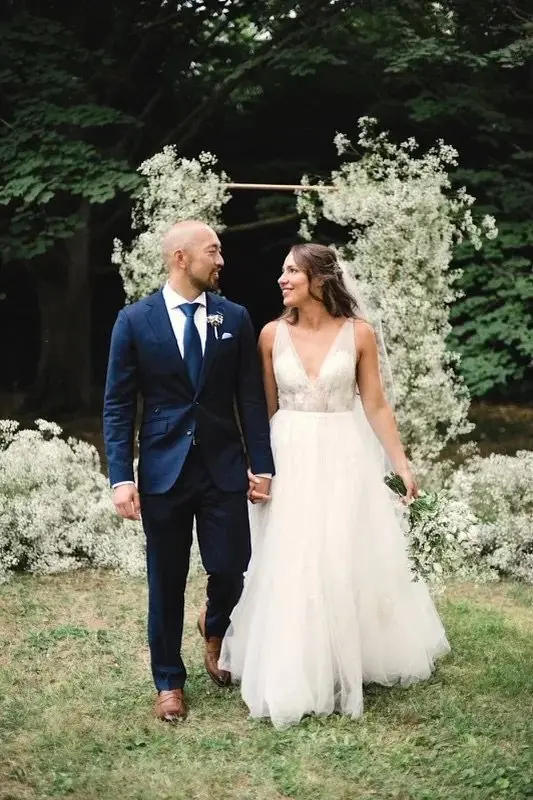
There is a pervasive misconception that wool is strictly a winter material. In reality, fine wool is one of the most versatile and highly breathable natural fibers on the planet. For summer weddings, tropical wool is often the absolute best choice. Also known as high-twist wool or fresco wool, this material is woven using yarns that have been tightly spun. The twisting process creates a crisp, dry texture and forces the yarns to stand apart from one another, creating an extremely open weave. If you hold a swatch of premium tropical wool up to the light, you can literally see through the microscopic gaps in the fabric.
These gaps allow air to circulate freely around your body, venting heat instantly. Despite this porous nature, high-twist wool possesses incredible structural integrity. The tightly spun yarns act like tiny springs, giving the fabric a natural resistance to wrinkling. This means your suit will maintain sharp creases and a clean silhouette throughout an incredibly long day of sitting, standing, and dancing. Tropical wool represents the perfect intersection of formal elegance and climate control. It drapes beautifully, takes dye exceptionally well, and presents a polished appearance that is perfectly suited for a formal church ceremony or a sophisticated evening reception. It is the foundation of the warm weather bespoke wardrobe.
Linen: The Classic Warm Weather Statement
When most people think of a summer wedding, they immediately picture linen. Made from the fibers of the flax plant, linen is celebrated for its unmatched ability to wick moisture away from the skin and dry rapidly. It feels cool to the touch and possesses a distinct, slightly slubby texture that exudes effortless charm. Linen is the traditional choice for beach weddings, destination ceremonies, and daytime events with a relaxed dress code. It absorbs perspiration efficiently and allows maximum airflow, making it a lifesaver in extreme humidity.
However, linen comes with a defining characteristic that must be embraced: it wrinkles. The fibers have very little natural elasticity, so every bend of the elbow or crease behind the knee will leave a lasting mark. In the world of bespoke tailoring, these wrinkles are not seen as a flaw, but rather as the inherent character of the fabric. It demonstrates a relaxed, confident attitude. If you are a groom who demands a perfectly pristine appearance at all times, pure linen might cause you unnecessary stress. But if you appreciate the sprezzatura,the studied carelessness,of a slightly rumpled, effortlessly stylish garment, linen is spectacular. To mitigate the wrinkling while preserving the benefits, Bespoke CB often recommends a wool-linen blend. The wool adds structure and wrinkle resistance, while the linen provides texture and breathability.
Cotton: Crisp, Clean, and Versatile
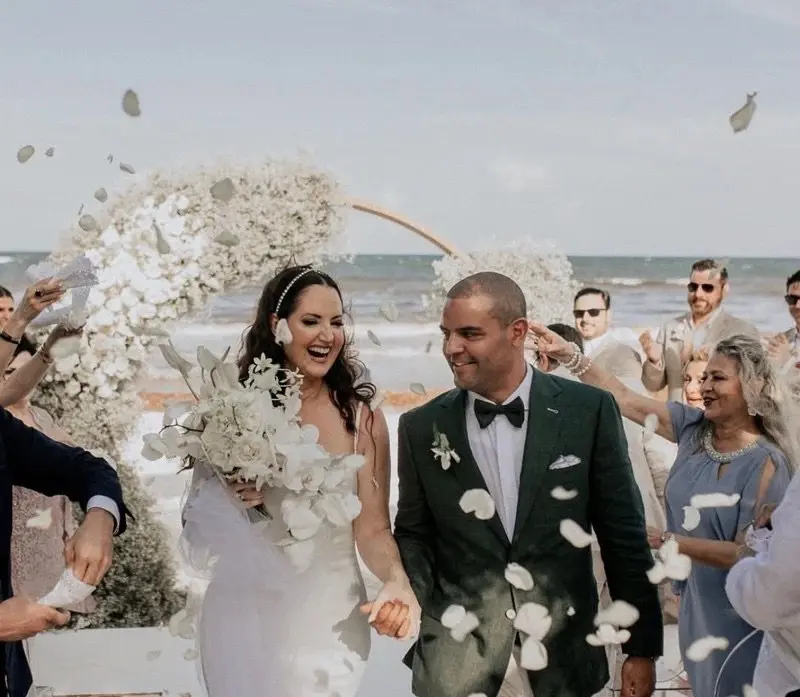
Cotton is another staple of the summer wardrobe, offering a different aesthetic profile than either wool or linen. A pure cotton suit provides a clean, matte finish that feels modern and approachable. It is slightly stiffer than wool, which gives it a crisp silhouette, and it can be woven into various styles, from lightweight poplin to textured twill. Cotton is less formal than worsted wool but generally appears sharper than pure linen, occupying an excellent middle ground for semi-formal summer weddings.
One of the most iconic summer cotton fabrics is seersucker. Recognized by its signature puckered texture, usually featuring blue and white stripes, seersucker was engineered specifically for the sweltering heat of the American South. The puckering causes the fabric to sit away from the skin, facilitating air circulation and heat dissipation. While a full seersucker suit makes a very specific, bold statement, it remains a beloved choice for daytime outdoor weddings. For a more understated look, a lightweight cotton twill in a solid color like khaki, light blue, or stone offers excellent durability and comfort. Like linen, cotton will wrinkle over the course of the day, though the creases tend to be softer and less pronounced. A touch of elastane is sometimes added to premium cotton blends to increase flexibility and comfort during a long event.
Silk and Wool Blends: Elevated Elegance for the Evening
If your summer wedding takes place in the late afternoon or evening, and the dress code leans toward the formal end of the spectrum, you need a fabric that combines breathability with a touch of luxury. This is where silk and wool blends truly shine. Blending fine silk with tropical wool creates a material that boasts the breathability and structure of wool, enhanced by the lustrous sheen and incredible softness of silk. The silk fibers catch the light beautifully, giving the suit a subtle radiance that looks spectacular in wedding photographs.
These blends are exceptionally lightweight and feel incredibly luxurious against the body. They are ideal for sophisticated evening receptions, black tie optional events, or ceremonies held in upscale venues where a pure linen or cotton suit might appear too casual. The addition of silk also improves the drape of the fabric, allowing the jacket to fall cleanly and follow the natural lines of your body. When selecting a silk blend, it is important to choose a conservative color palette. The natural sheen of the fabric already draws attention, so opting for a rich navy, midnight blue, or deep charcoal ensures the final look remains elegant and refined rather than ostentatious.
Bamboo and Innovative Modern Textiles
The world of bespoke tailoring is steeped in tradition, but it is also constantly evolving. One of the most exciting developments in recent years is the emergence of bamboo fabrics. Woven from the processed pulp of the bamboo plant, this material has rapidly gained popularity for summer garments due to its remarkable properties. Bamboo fabric is exceptionally soft, often compared to the feel of cashmere or high-grade silk, yet it remains incredibly lightweight and breathable. It possesses natural moisture-wicking capabilities that rival linen, making it a fantastic choice for humid environments like Miami.
Beyond its comfort, bamboo is highly regarded for its beautiful drape. It hangs heavily and cleanly, creating a sleek, fluid silhouette that moves gracefully with the wearer. It also has a subtle, sophisticated sheen similar to a silk blend. As an added benefit, bamboo is a highly sustainable and rapidly renewable resource. For grooms who want a luxurious, modern alternative to traditional textiles, a bespoke suit crafted from premium bamboo fabric is an outstanding choice that guarantees both comfort and visual impact on the big day.
Strategic Color Choices for Summer Ceremonies
The fabric you choose is only half the equation; the color plays an equally important role in both aesthetics and comfort. Dark colors absorb solar radiation, transforming your suit into a heat trap during an outdoor afternoon ceremony. Lighter shades reflect the sun's rays, keeping the fabric significantly cooler to the touch. Summer weddings offer the perfect opportunity to step away from traditional dark navy and charcoal and explore a brighter, more festive palette.
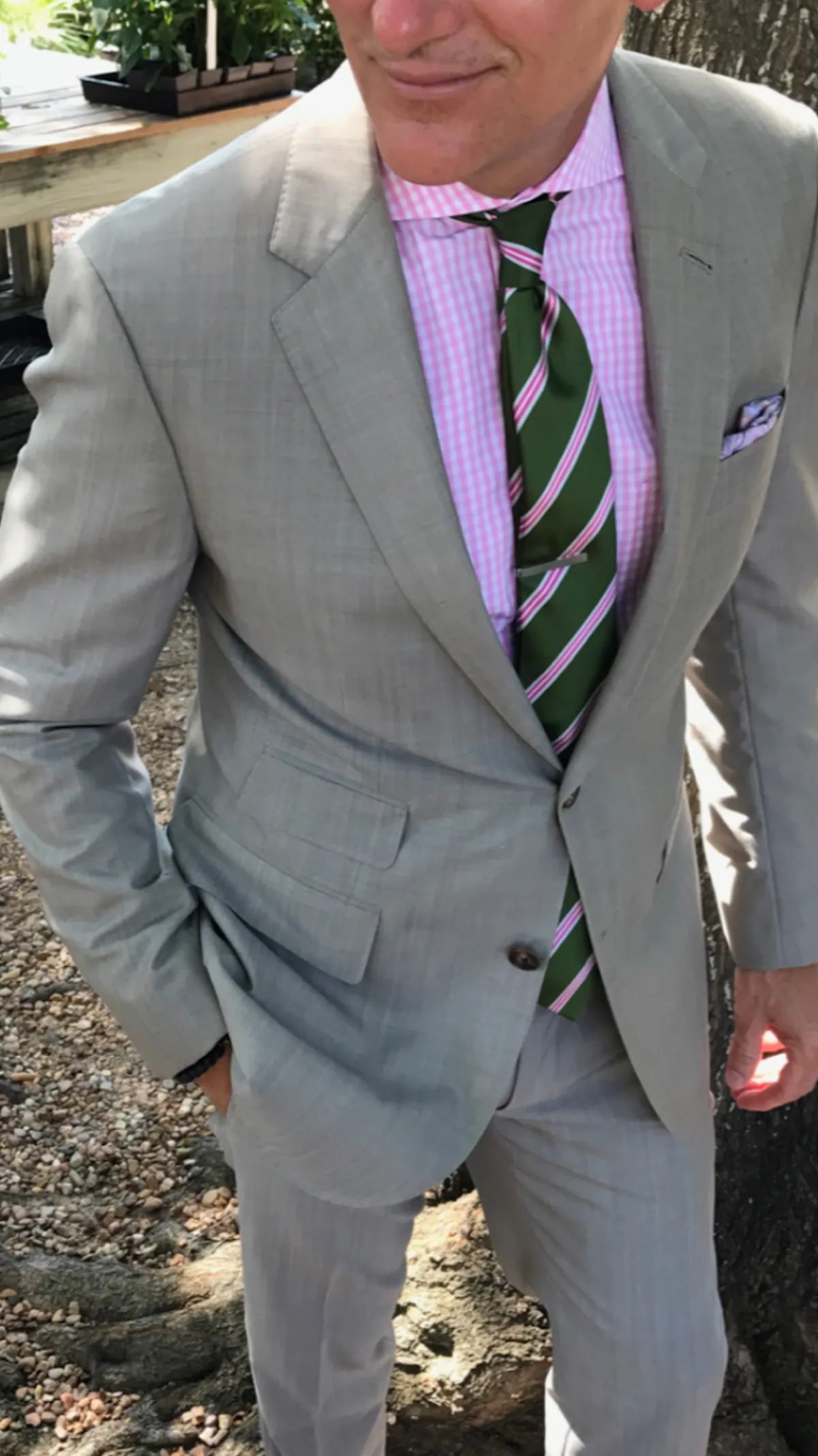
Light grey is incredibly versatile and universally flattering. It looks crisp in photographs and transitions effortlessly from daytime ceremonies to evening receptions. A light grey tropical wool suit is perhaps the most foolproof choice a groom can make. Tan and beige are classic summer staples, particularly when executed in cotton or linen. These earthy tones harmonize beautifully with outdoor settings, gardens, and beach backdrops. For a more contemporary approach, consider shades of blue. A medium French blue or a soft powder blue can look incredibly striking under the summer sun, offering a modern twist on classic wedding attire. Olive green is another fantastic, slightly unexpected option that works exceptionally well for rustic or outdoor venues. When choosing your color, always consider the bridesmaids' dresses, the floral arrangements, and the overall aesthetic theme of the wedding to ensure a cohesive visual presentation.
Styling Your Summer Wedding Suit
Once the bespoke suit is crafted, styling it correctly is essential for maximizing comfort and achieving the desired look. The shirt is the layer closest to your skin, making its fabric composition critical. Always opt for 100 percent natural fibers. A lightweight cotton poplin or a fine cotton voile will allow heat to escape. Avoid shirts with high thread counts for summer weddings; while they feel silky, the dense weave restricts airflow. A slightly looser, lower thread count weave is vastly superior for hot weather.
Footwear also requires consideration. Heavy leather oxfords can feel oppressive. Depending on the formality of the event, consider wearing loafers. A beautiful pair of suede tassel loafers or penny loafers worn without visible socks (using hidden loafer socks instead) allows air to circulate around your ankles, which significantly lowers your perceived body temperature. This is a classic stylistic move that looks sharp and keeps you cool. Your accessories should also reflect the season. Swap heavy silk ties for lighter silk knits, linen blends, or cotton ties. A carefully chosen pocket square can add a pop of color and personality without adding an extra layer of warmth around your neck.
The Bespoke Experience in South Florida
Choosing the perfect fabric is a refined process that requires expert guidance. At Bespoke CB, the journey begins with an in-depth consultation. Christian Boehm brings over 37 years of sartorial expertise to every client relationship. He will discuss the specific details of your wedding, including the location, the time of day, the dress code, and your personal style preferences. He will then present a curated selection of fabrics from the world's finest mills, including legendary names like Loro Piana, Ariston, and Scabal.
You will be able to feel the textures, examine the drape, and understand the precise benefits of each material. Once the fabric is selected, a unique pattern is drafted exclusively for your body. The suit is then meticulously constructed using the finest half-canvas or full-canvas techniques, ensuring it breathes properly and fits flawlessly. The bespoke process is not merely about ordering a suit; it is about creating a garment that empowers you to feel completely confident and comfortable on one of the most important days of your life. Whether you are marrying in a grand Miami ballroom or on a sun-drenched beach, Bespoke CB ensures you look exceptional from the first photograph to the final farewell.
For more insights into enhancing your personal style, you can explore the Bespoke CB website and discover how a truly custom garment can transform your wardrobe.
Conclusion
A summer wedding should be a joyous celebration, not an endurance test against the elements. By prioritizing the correct fabric and insisting on proper bespoke construction, you can navigate the heat with effortless grace. Tropical wool offers unmatched resilience and ventilation, linen provides classic textured charm, and modern blends deliver luxurious comfort. The key is to align your fabric choice with the specific demands of your venue and your personal threshold for wrinkles and warmth. Investing in a thoughtfully crafted bespoke summer suit ensures that your focus remains entirely on your partner and your guests, rather than on your own discomfort. It is an investment in your appearance, your comfort, and your memories of the day.
Additional Warm-Weather Fabric Options for Wedding Suits
While tropical wool, linen, and cotton cover most summer wedding scenarios, several specialist fabrics solve specific challenges. For grooms in demanding climates like South Florida, understanding these options can mean the difference between a suit that performs beautifully and one that merely survives.
Bamboo Fabric: Nature's Cooling System
Bamboo has become one of the most exciting developments in warm-weather tailoring. The cross-section of a bamboo fiber contains micro-gaps that give the fabric an extraordinary ability to wick moisture and circulate air. A bamboo suit actively pulls perspiration outward and disperses it across the surface, where it evaporates rapidly. At Bespoke CB, bamboo fabrics from select Italian mills have become a signature recommendation for grooms in the most demanding conditions. The fabric drapes with a fluid quality, and its natural anti-bacterial properties keep it fresh even after hours of dancing. Book a consultation to experience these fabrics in person.
Silk-Wool Blends: The Technical Deep Dive
The ratio of a silk-wool blend dramatically affects performance. A blend with 30 to 40 percent silk has a pronounced luster and soft hand, ideal for evening weddings. Conversely, a blend with 10 to 15 percent silk retains the crisp structure of tropical wool while gaining a barely perceptible sheen that adds depth pure wool cannot achieve. When you examine a silk-wool swatch alongside pure tropical wool in the same navy, the blend simply looks richer.
Cotton-Linen Blends: The Best of Both Worlds
A cotton-linen blend combines the most desirable characteristics of both fibers while mitigating their weaknesses. The linen provides breathability and textured character, while the cotton adds softness, structure, and reduced wrinkling. A typical 55 percent cotton to 45 percent linen blend creates a fabric that feels substantial but not heavy, with a matte finish that photographs beautifully. Explore the full range of custom suit fabrics available in Miami to find the blend that suits your wedding.
Fresco Weaves: Open-Weave Engineering at Its Finest
The term fresco refers not to a fiber but to a specific weaving technique using high-twist yarns in an open, porous pattern that maximizes airflow. Premium fresco fabrics from mills like Smith Woollens are woven specifically for extreme heat, typically weighing 240 to 270 grams per meter. When you hold fresco wool up to a window, you can see daylight through the weave. Yet the high-twist yarns give the fabric surprising resilience. For a groom facing a long outdoor ceremony in direct sun, fresco wool is arguably the single best fabric choice available.
Tropical Weight Wool: Understanding the Numbers
Tropical weight wool falls between 240 and 280 grams per meter. Fabrics at the lighter end offer maximum breathability but require careful construction, as the material has very little body. This is where floating canvas construction becomes critical. Super 120s and Super 130s wool grades are the sweet spot. Learn more about summer wedding suit fabrics.
Seersucker for Outdoor Weddings: A Deeper Look
Seersucker's puckered surface is achieved by weaving alternating yarns at different tensions, causing some to contract while others remain taut. This puckering is the functional mechanism of the fabric: the raised areas hold it away from the skin, creating a continuous channel of air. The fabric is essentially self-ventilating, and because the puckering is permanent, wrinkles from wear simply disappear into the existing texture. Modern interpretations offer seersucker in solid colors and tonal stripes beyond the classic blue-and-white. For a garden wedding or tented reception in July, seersucker is hard to beat.
Mohair Blends: The Breathable Luxury
Mohair, spun from the Angora goat's fleece, is one of the most underappreciated warm-weather fabrics. Its smooth, glass-like fiber surface naturally reflects light and resists heat absorption. A mohair-wool blend, typically 20 to 30 percent mohair, creates a fabric that is exceptionally breathable, wrinkle-resistant, and possesses an understated sheen. Mohair adds crispness to the wool, giving the suit a sharp drape that holds its shape through the longest wedding day. A mohair-wool suit in midnight blue is particularly striking for an evening reception.
Matching Fabric to Venue
The choice of fabric should be guided as much by venue as by personal preference. Beach ceremonies demand maximum breathability and moisture management, making bamboo and cotton-linen blends ideal. Garden weddings present mixed sun and shade, where seersucker and fresco wool excel. Tented outdoor receptions can trap heat; tropical weight wool in a fresco weave allows trapped heat to escape. Indoor venues with AC allow the widest range of choices, but the transition from hot exterior to cool interior favors silk-wool and mohair blends.
Frequently Asked Questions About Warm Weather Wedding Fabrics
What is the coolest fabric for a summer wedding suit?
There is no single coolest fabric, as perceived coolness depends on airflow, humidity, and personal metabolism. However, fresco-weave tropical wool and bamboo fabric are the top performers in extreme heat. Fresco wool maximizes airflow through its open weave, while bamboo actively wicks moisture away from the skin. For the hottest conditions, a quarter-lined jacket in either fabric provides the most cooling effect. The key is pairing the fabric with proper bespoke construction, as even the most breathable material will feel hot if the jacket is fully lined and fused with glue.
Can I wear a wool suit to a summer outdoor wedding?
Absolutely, provided you choose the right weight and weave. Tropical weight wool in the 240 to 280 grams per meter range with an open or fresco weave is engineered specifically for hot weather. The misconception that wool is exclusively a winter fabric comes from experience with heavy flannel or worsted suitings weighing 340 grams or more. A properly woven tropical wool suit will keep you cooler than a cotton or linen suit of equivalent weight, because wool actively wicks moisture and regulates temperature. Visit our Miami showroom to feel the difference.
Additional Warm-Weather Fabric Options for Wedding Suits
While tropical wool, linen, and cotton cover most summer wedding scenarios, several specialist fabrics solve specific challenges. For grooms in demanding climates like South Florida, understanding these options can mean the difference between a suit that performs beautifully and one that merely survives.
Bamboo Fabric: Nature's Cooling System
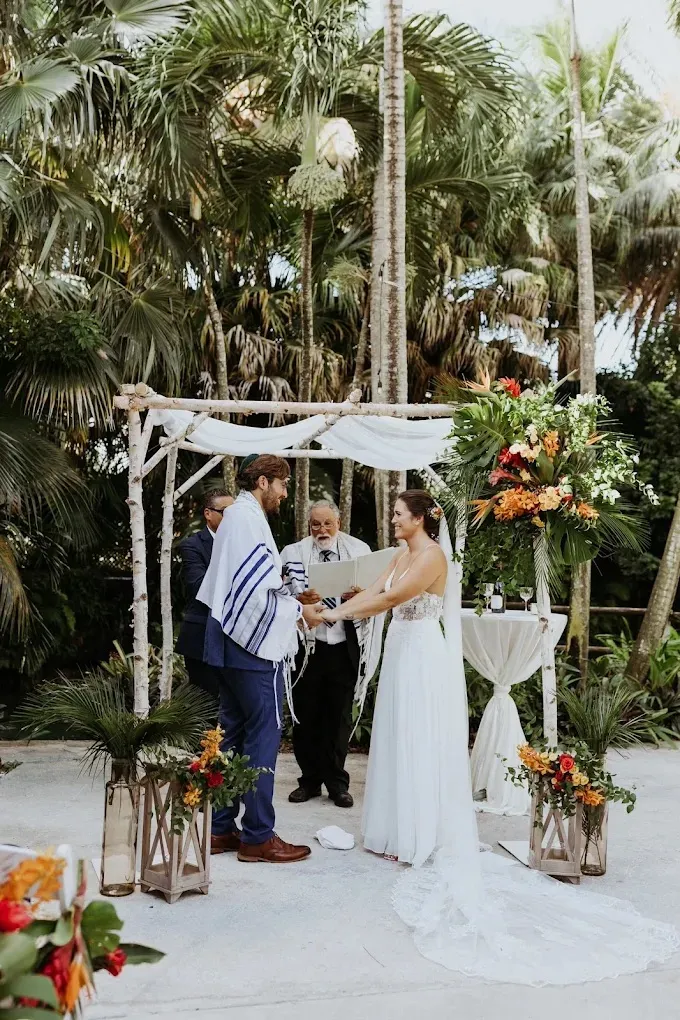
Bamboo has become one of the most exciting developments in warm-weather tailoring. The cross-section of a bamboo fiber contains micro-gaps that give the fabric an extraordinary ability to wick moisture and circulate air. A bamboo suit actively pulls perspiration outward and disperses it across the surface, where it evaporates rapidly. At Bespoke CB, bamboo fabrics from select Italian mills have become a signature recommendation for grooms in the most demanding conditions. The fabric drapes with a fluid quality, and its natural anti-bacterial properties keep it fresh even after hours of dancing. Book a consultation to experience these fabrics in person.
Silk-Wool Blends: The Technical Deep Dive
The ratio of a silk-wool blend dramatically affects performance. A blend with 30 to 40 percent silk has a pronounced luster and soft hand, ideal for evening weddings. Conversely, a blend with 10 to 15 percent silk retains the crisp structure of tropical wool while gaining a barely perceptible sheen that adds depth pure wool cannot achieve. When you examine a silk-wool swatch alongside pure tropical wool in the same navy, the blend simply looks richer.
Cotton-Linen Blends: The Best of Both Worlds
A cotton-linen blend combines the most desirable characteristics of both fibers while mitigating their weaknesses. The linen provides breathability and textured character, while the cotton adds softness, structure, and reduced wrinkling. A typical 55 percent cotton to 45 percent linen blend creates a fabric that feels substantial but not heavy, with a matte finish that photographs beautifully. Explore the full range of custom suit fabrics available in Miami to find the blend that suits your wedding.
Fresco Weaves: Open-Weave Engineering at Its Finest
The term fresco refers not to a fiber but to a specific weaving technique using high-twist yarns in an open, porous pattern that maximizes airflow. Premium fresco fabrics from mills like Smith Woollens are woven specifically for extreme heat, typically weighing 240 to 270 grams per meter. When you hold fresco wool up to a window, you can see daylight through the weave. Yet the high-twist yarns give the fabric surprising resilience. For a groom facing a long outdoor ceremony in direct sun, fresco wool is arguably the single best fabric choice available.
Tropical Weight Wool: Understanding the Numbers
Tropical weight wool falls between 240 and 280 grams per meter. Fabrics at the lighter end offer maximum breathability but require careful construction, as the material has very little body. This is where floating canvas construction becomes critical. Super 120s and Super 130s wool grades are the sweet spot. Learn more about summer wedding suit fabrics.
Seersucker for Outdoor Weddings: A Deeper Look
Seersucker's puckered surface is achieved by weaving alternating yarns at different tensions, causing some to contract while others remain taut. This puckering is the functional mechanism of the fabric: the raised areas hold it away from the skin, creating a continuous channel of air. The fabric is essentially self-ventilating, and because the puckering is permanent, wrinkles from wear simply disappear into the existing texture. Modern interpretations offer seersucker in solid colors and tonal stripes beyond the classic blue-and-white. For a garden wedding or tented reception in July, seersucker is hard to beat.
Mohair Blends: The Breathable Luxury
Mohair, spun from the Angora goat's fleece, is one of the most underappreciated warm-weather fabrics. Its smooth, glass-like fiber surface naturally reflects light and resists heat absorption. A mohair-wool blend, typically 20 to 30 percent mohair, creates a fabric that is exceptionally breathable, wrinkle-resistant, and possesses an understated sheen. Mohair adds crispness to the wool, giving the suit a sharp drape that holds its shape through the longest wedding day. A mohair-wool suit in midnight blue is particularly striking for an evening reception.
Matching Fabric to Venue
The choice of fabric should be guided as much by venue as by personal preference. Beach ceremonies demand maximum breathability and moisture management, making bamboo and cotton-linen blends ideal. Garden weddings present mixed sun and shade, where seersucker and fresco wool excel. Tented outdoor receptions can trap heat; tropical weight wool in a fresco weave allows trapped heat to escape. Indoor venues with AC allow the widest range of choices, but the transition from hot exterior to cool interior favors silk-wool and mohair blends.
Frequently Asked Questions About Warm Weather Wedding Fabrics
What is the coolest fabric for a summer wedding suit?
There is no single coolest fabric, as perceived coolness depends on airflow, humidity, and personal metabolism. However, fresco-weave tropical wool and bamboo fabric are the top performers in extreme heat. Fresco wool maximizes airflow through its open weave, while bamboo actively wicks moisture away from the skin. For the hottest conditions, a quarter-lined jacket in either fabric provides the most cooling effect. The key is pairing the fabric with proper bespoke construction, as even the most breathable material will feel hot if the jacket is fully lined and fused with glue.
Can I wear a wool suit to a summer outdoor wedding?
Absolutely, provided you choose the right weight and weave. Tropical weight wool in the 240 to 280 grams per meter range with an open or fresco weave is engineered specifically for hot weather. The misconception that wool is exclusively a winter fabric comes from experience with heavy flannel or worsted suitings weighing 340 grams or more. A properly woven tropical wool suit will keep you cooler than a cotton or linen suit of equivalent weight, because wool actively wicks moisture and regulates temperature. Visit our Miami showroom to feel the difference.


