

Moving from Chicago to Miami is more than a change of address. It is a complete lifestyle shift that demands a wardrobe reset. The Windy City taught you to layer for sub-zero wind chills, invest in heavy wool overcoats, and build a closet around survival in harsh winters. South Florida flips every one of those assumptions upside down. The humidity, the year-round warmth, the vibrant social culture, and the distinctly relaxed approach to professional dress all require a fundamentally different approach to what you wear.
If you have recently relocated from Chicago to Miami, or you are planning the move, this guide walks you through exactly what changes, what to leave behind, and how to rebuild a wardrobe that works for coastal city life. And if you want to skip the trial and error, Bespoke By CB specializes in helping transplants build climate-appropriate custom wardrobes from scratch.
Why Your Chicago Wardrobe Fails in Miami
Chicago is a city built around seasonal dressing. You own heavy topcoats for January, cashmere sweaters for October, flannel suits for the office, and maybe a lighter cotton blazer for the brief summer. Your wardrobe follows the calendar, and most of your pieces are designed to retain heat and block wind.
Miami does not have seasons in the way Chicago does. From November through April, temperatures hover between 65 and 80 degrees. From May through October, you are looking at 80 to 95 degrees with humidity that can make a wool suit feel like a sauna. There is no winter. There is no fall layering season. There is warm, warmer, and hot.
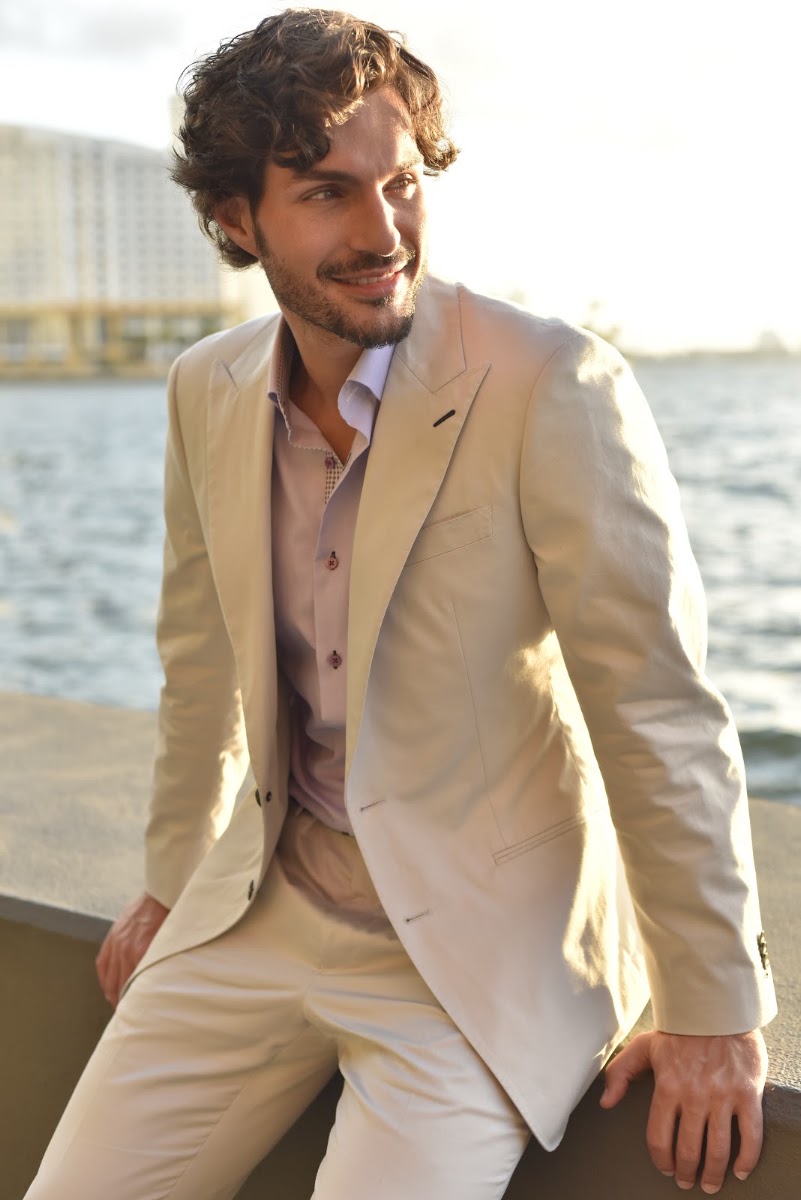
This means most of your Chicago wardrobe is functionally useless in Miami. Your wool overcoats will sit in storage collecting moths. Your flannel suits will make you sweat through your shirt before you reach your car. Your heavy knitwear will never see the light of day. And your winter boots will look absurd on Lincoln Road.
The transplants who struggle the most are the ones who try to force their Chicago wardrobe to work in Miami. They show up to meetings in heavy wool suits, pour sweat through their jackets, and wonder why nobody else is dressed that way. The answer is simple: Miami dress codes account for the climate. You need to as well.
The Fabric Transition: Heavy Wool to Tropical Weight
The single biggest wardrobe change when moving from Chicago to Miami is fabric weight. Chicago suits tend to be 11 to 14 ounce wool, designed to hold shape against wind and provide insulation. Miami suits should be 7 to 9 ounce fabrics, designed to breathe and release heat.
Here are the fabrics that should form the backbone of your new Miami wardrobe:
Tropical Wool
Tropical wool is the workhorse of warm-weather suiting. Woven loosely to allow airflow, it retains the structure and professionalism of traditional worsted wool but weighs a fraction of what your Chicago suits weigh. A tropical wool suit in navy or mid-grey will handle 90 percent of your professional needs in Miami. Bespoke By CB offers an extensive selection of tropical wool fabrics from mills that understand hot-climate dressing, including Italian mills like Drago and Caccioppoli that specialize in lightweight weaves.
Linen and Linen Blends
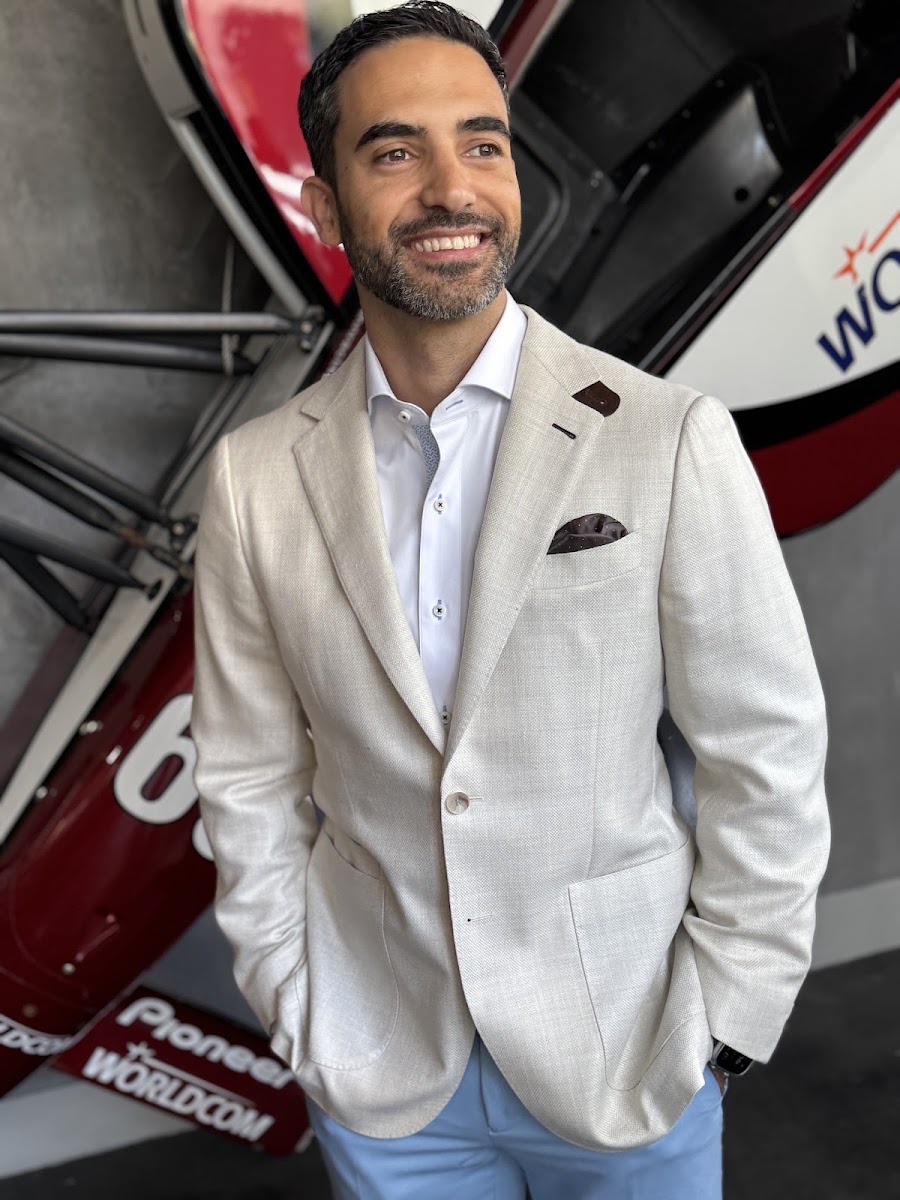
Linen is the fabric Miami was made for. It breathes better than any other natural fiber, it looks intentional even when wrinkled, and it signals that you understand the climate. A linen jacket over a cotton shirt is the Miami equivalent of a cashmere sweater over a collared shirt in Chicago. Pure linen has a beautiful drape but wrinkles easily, which is why Bespoke By CB often recommends linen-silk or linen-wool blends that maintain breathability while resisting creasing.
Cotton and Seersucker
Cotton suits and seersucker fabrics have a place in your Miami rotation for casual Fridays, outdoor events, and weekend socializing. Seersucker in particular has a strong Southern tradition that translates naturally to South Florida. The puckered texture lifts the fabric off the skin, creating airflow without sacrificing structure.
Bamboo and Performance Blends
For shirts, bamboo fabric has become a game-changer in Miami. It feels like silk, breathes like cotton, and resists wrinkles better than both. Bespoke By CB has been working with bamboo shirting fabrics for years, and clients who switch rarely go back to traditional cotton. For a transplant from Chicago who is used to heavy oxford cloth shirts, the difference is revelatory.
Suit Weight and Construction: Deconstructed Is King
In Chicago, you want structured suits. Full canvas construction, heavy shoulder padding, and firm chest pieces help your suit hold shape against winter winds and maintain a formal silhouette in a city where the dress code leans conservative.
Miami rewards the opposite approach. Half-canvas or unstructured jackets with minimal shoulder padding allow air to circulate and let the jacket move with your body rather than against it. Neapolitan-style tailoring, with its soft shoulders and relaxed drape, is ideal for South Florida. Bespoke By CB offers both structured and unstructured options, but for Miami transplants, we almost always recommend starting with softer construction.
The other construction change is lining. Chicago suits are fully lined to add warmth and structure. Miami suits should be half-lined or unlined in the back to maximize breathability. This is a small detail that makes an enormous difference in comfort when you are walking from an air-conditioned office to a lunch meeting in 90-degree heat.
Color Palette: Dark and Muted to Light and Vibrant
Chicago color palettes run dark. Navy, charcoal, black, and deep earth tones dominate because they match the mood of the city for eight months of the year. Miami is the opposite. Lighter colors reflect heat, look natural against the tropical backdrop, and align with the city's generally optimistic visual culture.
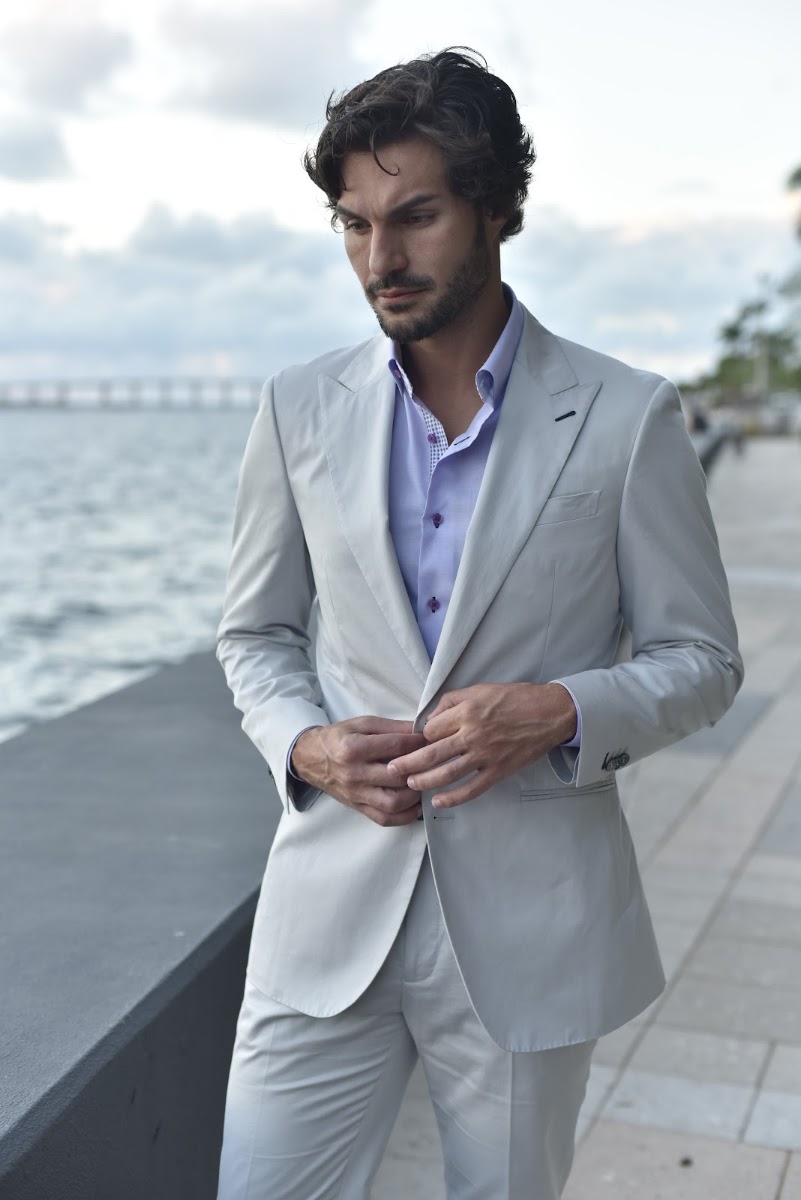
Your Miami wardrobe should build around these core colors:
- Navy still works, but in lighter weights. A 8-ounce navy tropical wool suit is your most versatile piece.
- Light grey replaces charcoal. It reflects heat and looks crisp year-round.
- Cream and ivory are not just for weddings in Miami. A cream linen suit is a legitimate professional option.
- Tan and khaki in cotton or linen blends handle casual to smart-casual needs.
- Olive and sage offer a sophisticated alternative to navy that pairs beautifully with the tropical landscape.
- Teal and slate blue are statement colors that feel native to Miami's coastal setting.
You do not need to abandon dark suits entirely. A navy suit in tropical wool still belongs in your rotation for evening events and formal occasions. But it should no longer be the default. Bespoke By CB can help you build a color palette that feels appropriate for Miami while still expressing your personal style.
What to Leave in Chicago (and What to Bring)
When packing for your move, be ruthless about what comes south. Here is a practical breakdown:
Leave in Storage or Sell
- Heavy overcoats and topcoats (you will never wear them)
- Flannel and tweed suits (too hot for Miami, even in January)
- Thermal underwear and heavy knitwear
- Winter boots and anything designed for snow
- Heavy worsted wool suits in 12+ ounce weights
- Anything with a quilted lining
Bring to Miami
- One or two medium-weight wool suits for formal evening events in winter
- Dress shirts in cotton (they still work, just not oxford weight)
- Leather dress shoes (these are climate-neutral)
- Silk ties and pocket squares
- Any custom pieces that could be altered or re-fabricated
Buy New in Miami
- Two to three tropical wool suits in light colors
- One linen suit for casual and social occasions
- Three to five lightweight dress shirts in cotton, linen, or bamboo
- A cream or tan sport coat for smart-casual needs
- Linen or cotton trousers for off-duty wear
- Loafers or unlined shoes that breathe better than winter oxfords
This is where Bespoke By CB becomes invaluable for transplants. Rather than guessing what works in Miami, you can work with a clothier who understands the climate, the dress codes, and the social landscape. We have helped hundreds of clients rebuild their wardrobes after relocating to South Florida, and we know exactly which fabrics, weights, and constructions translate to the tropical environment.
Miami Dress Codes vs Chicago Dress Codes
Dress codes in Miami are generally more relaxed than in Chicago, but they are also more nuanced. Chicago has a straightforward corporate dress culture: suit and tie for finance, law, and client-facing roles; business casual for everyone else. Miami has a wider spectrum depending on industry, neighborhood, and time of day.
Corporate and Professional
In Brickell and downtown Miami, the corporate dress code still requires a suit for client meetings, court appearances, and formal business events. However, the suit can be lighter in weight and color than what you would wear in the Loop. A 9-ounce navy or grey tropical wool suit with a white cotton shirt and a conservative tie is the standard. Bespoke By CB has dressed countless Brickell professionals and understands the specific expectations of Miami's financial and legal communities.
Creative and Hospitality
Miami's hospitality, real estate, and creative industries have a more expressive dress code. A sport coat over an open-collar shirt, often without a tie, is the norm. Colors can be bolder. Linen and cotton fabrics are acceptable in professional settings where they would be considered too casual in Chicago.
Social and Evening
Miami's social scene runs the gamut from rooftop bars in Wynwood to galas in Coral Gables. For evening events, a dark suit still works, but the fabric should be lightweight. For outdoor socializing, linen shirts and tailored trousers are the uniform. The key difference from Chicago is that Miami social dressing is more individual and less conformist. Your personal style has more room to breathe.
The Role of Custom Clothing in Your Wardrobe Reset
When you move from Chicago to Miami, you have two options for rebuilding your wardrobe. You can buy ready-to-wear pieces from department stores or online retailers, or you can invest in custom clothing designed specifically for your body, your style, and the Miami climate.
Ready-to-wear has one significant advantage: speed. You can walk into a store and leave with a suit today. But it has significant disadvantages for transplants. Off-the-rack suits are often cut for a generic body type and use whatever fabric the manufacturer chose for that season. You have no control over weight, weave, lining, or construction. You are buying someone else's idea of what a suit should be.
Custom clothing is the opposite. You choose the fabric, the weight, the construction, the lining, the buttons, and every other detail. The garment is built to your exact measurements, which means it fits perfectly and moves with your body rather than against it. For a transplant who is learning an entirely new dress culture, this level of control is invaluable.
Bespoke By CB offers a fully custom experience that begins with a consultation at our Miami showroom. We measure you, discuss your lifestyle and dress needs, and guide you through fabric selections that are appropriate for the South Florida climate. Whether you need a full wardrobe reset or just a few key pieces to anchor your new closet, we tailor the process to your needs.
How Bespoke By CB Helps Chicago Transplants
As Miami's premier custom clothier, Bespoke By CB has become the go-to destination for professionals relocating from cold-weather cities. Our team understands the specific challenges that come with a climate-driven wardrobe overhaul, and we have developed a process that makes it efficient and even enjoyable.
Personal Style Consultation
When you book a consultation with Bespoke By CB, we start by understanding your lifestyle. What industry do you work in? How often do you wear a suit? What events do you attend? What colors do you gravitate toward? This conversation shapes every fabric and style recommendation we make. For Chicago transplants, we pay special attention to the gap between what you are used to wearing and what will actually work in Miami.
Fabric Education
Most transplants have never heard of tropical wool, do not know the difference between linen and linen-silk blends, and have never considered bamboo as a shirting fabric. Bespoke By CB provides hands-on fabric education as part of every consultation. You will feel the difference between a 13-ounce flannel and a 7.5-ounce tropical wool. You will understand why certain weaves breathe better than others. You will leave knowing exactly what you are buying and why it works.
Climate-Appropriate Recommendations
Every recommendation Bespoke By CB makes is filtered through the lens of Miami's climate. We will steer you away from fabrics that will make you miserable in July and toward options that will keep you comfortable and confident year-round. This is not something you get from a department store salesperson or an online retailer.
Fittings and Adjustments
Custom clothing is not just about fabric selection. It is about fit. Bespoke By CB conducts multiple fittings to ensure every garment drapes correctly, moves naturally, and flatters your body. For transplants who may have gained or lost weight during the move, or whose bodies are adjusting to a different climate and activity level, this process is especially important.
Building Your Miami Wardrobe: A Practical Timeline
You do not need to rebuild your entire wardrobe in one weekend. Here is a realistic timeline for Chicago transplants:
Month 1: The Essentials
Start with two tropical wool suits in navy and light grey. These will handle 80 percent of your professional needs immediately. Add three lightweight dress shirts and one casual sport coat. Bespoke By CB can turn this initial order around efficiently, getting you dressed appropriately while you settle in.
Month 2-3: Building Depth
Add a linen suit for social occasions, a second sport coat in a different color, and two to three more shirts. At this point, you should also add a pair of tailored linen or cotton trousers for smart-casual wear. This gives you enough variety to avoid repeating outfits too frequently.
Month 4-6: Refinement
By now you understand Miami's dress culture better. You know which events require a suit and which do not. You know what colors you feel comfortable in. This is the time to add statement pieces: a teal or olive jacket, a patterned linen shirt, or a specialty fabric like a bamboo blend. Bespoke By CB can help you identify the gaps in your rotation and fill them strategically.
Footwear Considerations for the Climate Change
One often overlooked aspect of the Chicago-to-Miami transition is footwear. Chicago winters demand heavy, insulated, often waterproof shoes. Miami requires the opposite: breathable, lightweight, and breathable options that can handle humidity without trapping heat.
Unlined loafers are a Miami staple. Penny loafers and tassel loafers in suede or unlined calf leather work for both professional and social settings. Bespoke By CB can recommend specific styles and brands that complement your custom wardrobe, and we now offer Oliver Cabell shoes in our showroom, which have become a favorite among Miami professionals for their Italian construction and climate-friendly designs.
Avoid heavy rubber soles, which trap heat. Go for leather soles or thin rubber alternatives. And if you are wearing leather shoes in summer, invest in moisture-wicking socks. Small details like this make a noticeable difference in daily comfort.
Accessory Adjustments
Your Chicago accessories need updating too. Heavy silk ties in dark patterns look out of place in Miami. Lighter silk ties in brighter colors, knit ties, and linen pocket squares all fit the tropical aesthetic better. Swap your wool overcoats for a lightweight rain jacket or a linen overshirt for Miami's brief rain showers.
Belts should be thinner and lighter in color. A 1.25-inch belt in tan calf leather works with almost everything in a Miami wardrobe. Bespoke By CB can coordinate accessories with your custom garments during the consultation process, ensuring a cohesive look from head to toe.
Frequently Asked Questions
Can I alter my Chicago suits to work in Miami?
In most cases, no. The fabric weight and construction of a Chicago suit cannot be changed through alterations. A 13-ounce flannel suit will always be a 13-ounce flannel suit, regardless of how it is tailored. You are better off investing in new, climate-appropriate pieces than trying to force old garments to work in a climate they were never designed for.
How many suits do I need for a Miami wardrobe?
For most professionals, three to four suits is sufficient. Two tropical wool suits in navy and grey for professional use, one linen suit for social occasions, and one darker suit for formal evening events. Bespoke By CB can help you determine the right number based on your specific lifestyle and dress requirements.
Is custom clothing worth it for a wardrobe reset?
Absolutely. When you are rebuilding your entire wardrobe for a new climate, custom clothing ensures every piece is optimized for Miami's conditions. You control the fabric weight, the construction, the lining, and the fit. Off-the-rack suits force you to compromise on at least one of those factors. Bespoke By CB makes the process efficient and the results are garments that last for years.
What should I wear to my first Bespoke By CB consultation?
Wear whatever you feel comfortable in. Many transplants arrive in casual clothes straight from unpacking boxes. The consultation is about measuring you and discussing your needs, not about impressing us. Bring any garments you love and want to reference, and bring questions about what works in Miami.
How long does a custom suit take to make?
Typically four to six weeks from consultation to final fitting. Bespoke By CB offers rush options for transplants who need professional wardrobe pieces quickly. We recommend booking your consultation as soon as you know your move date so we can begin the process before you start your new job or social life in Miami.
Start Your Miami Wardrobe Today
Moving from Chicago to Miami is an exciting chapter, and your wardrobe should reflect the optimism and energy of your new city. Rather than sweating through wool suits designed for a different climate, invest in pieces that were built for South Florida from the ground up. Bespoke By CB has the fabric knowledge, the tailoring expertise, and the local experience to make your wardrobe reset seamless. Book a consultation at our Miami showroom and let us help you dress for the life you are building in paradise.


