Ethically Sourced Bespoke Materials in Miami
Miami has always been a city that appreciates the finer things. But as luxury evolves, so do the values of those who inhabit it. Today's discerning client isn't just asking how does this garment fit? They're asking where did this fabric come from, and who made it possible?
At Bespoke By CB, we believe true luxury leaves nothing to chance, including the origins of every thread that touches your skin. Here's what ethically sourced materials mean, why they matter, and how we bring that philosophy to Miami.
What Does "Ethically Sourced" Mean in Bespoke Tailoring?
Ethical sourcing in bespoke tailoring means selecting fabrics produced with respect for people and the planet, tracing a fabric's journey from farm to mill to atelier.
In practical terms, this covers several key areas:
Animal welfare: Wool, cashmere, and silk from animals raised in humane conditions with responsible shearing and harvesting.
Labor standards: Fabrics from mills that pay fair wages, maintain safe environments, and prohibit forced labor.
Environmental impact: Materials grown and processed with minimal chemical use and responsible water management.
Traceability: The ability to verify every step of the supply chain, not just take a supplier's word for it.
When a fabric is truly ethically sourced, your tailor should be able to tell you not just the mill name, but the region the fiber came from and the certifications that back it up.
Why Ethical Sourcing Matters for Luxury Clients
Traceability Equals Quality
Responsibly sourced fibers tend to be higher quality. A cashmere goat that lives at high altitude in Mongolia, grazing naturally and sheared at the right time, produces a longer, finer fiber than one raised in industrial conditions. That translates directly into a softer, more durable garment.
The Environmental Reality
The fashion industry is one of the world's largest polluters. Conventional cotton farming accounts for roughly 16% of global insecticide use. Choosing ethically sourced materials means voting for a supply chain that doesn't poison waterways or exploit communities. For clients who lead companies and care about their legacy, this matters.
Longevity and Value
Ethically sourced fabrics are better for your wardrobe too. Higher-quality fibers hold their shape and age gracefully. A suit made from responsibly sourced Loro Piana wool will still look impeccable in ten years, while a cheaper alternative will have gone threadbare.
Materials to Look For
If you want to build a wardrobe that's both ethical and exceptional, here are the materials and mills to ask about:
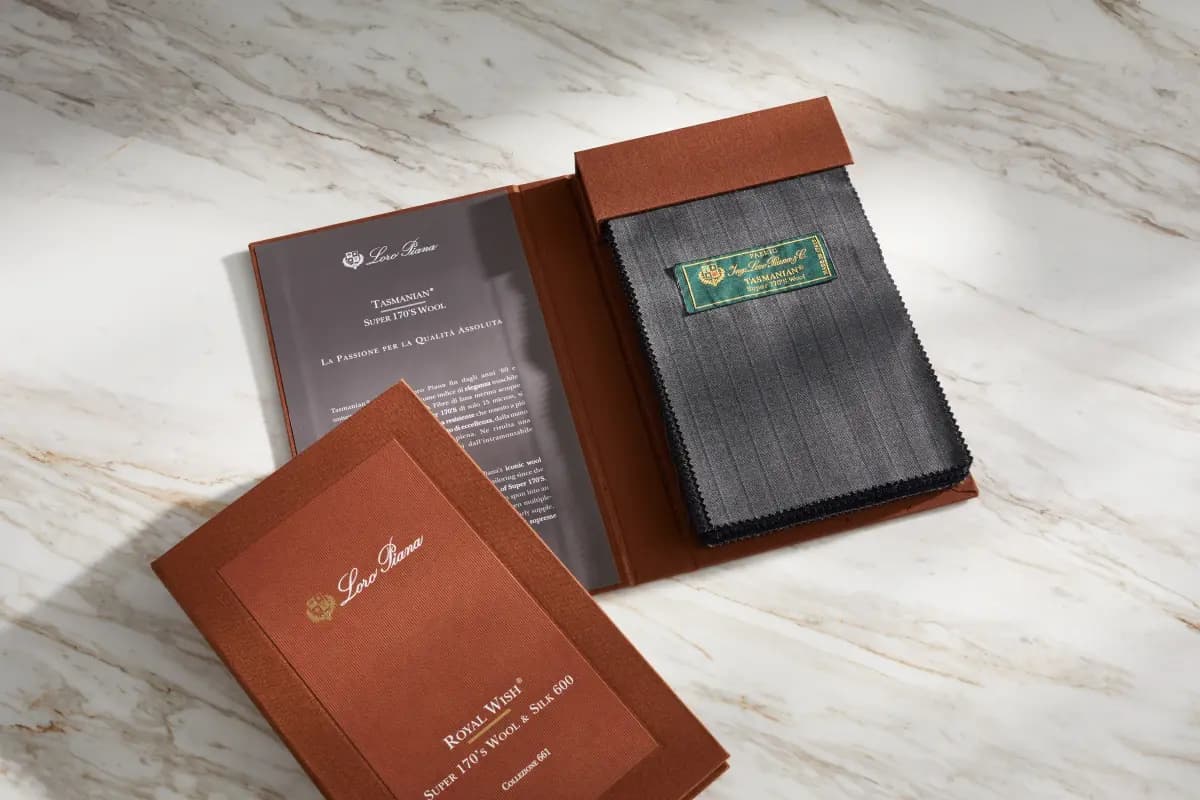
Loro Piana: The gold standard for responsibly sourced luxury wool and cashmere, sourced through partnerships with herding communities. Explore our suit options featuring Loro Piana fabrics.
Organic cottons: Look for GOTS certification, grown without synthetic pesticides, ideal for custom shirts that feel luxurious against the skin.
Ethically sourced wool: Merino from New Zealand and Patagonia with ZQ Merino certification for rigorous animal welfare and traceability.
European linen: Naturally rain-fed, minimal pesticides, fully traceable through European Flax-Linen certification.
Peace silk: Allows the moth to emerge naturally before harvesting, a meaningful distinction for clients who care about animal welfare.
How Bespoke By CB Approaches Material Sourcing
In Miami, we've built our reputation on a simple principle: we only work with mills we'd be proud to visit. Every fabric in our collection has been vetted not just for its hand and drape, but for the story behind it.
We partner directly with established European mills, many family-run for generations, that publish sustainability reports and hold recognized certifications. We visit suppliers in person, walking the mills in Biella, Italy. We maintain a curated fabric library so clients can touch and feel ethically sourced materials before committing. Book a consultation to experience it yourself.
This isn't a marketing position, it's a craft position. The best materials make the best garments, and they come from suppliers who treat their people, animals, and land with respect.
What to Ask Your Tailor About Fabric Origins
Whether you're working with us or another tailor, you deserve clear answers. Here are the questions that separate a thoughtful tailor from a transactional one:
Which mill produced this fabric, and where is it located?
What certifications does this fabric carry? Look for GOTS, ZQ Merino, European Flax, or OEKO-TEX Standard 100.
Can you trace the raw fiber to its source? The best mills can tell you the region, sometimes the farm.
How does this mill handle water and chemical management?
What's the environmental footprint compared to alternatives? A knowledgeable tailor should welcome this question.
If your tailor can't answer these, it doesn't necessarily mean the fabric is unethical, but they haven't done the homework. In bespoke tailoring, that's a red flag.
Ethics and Excellence Are the Same Thing
There's an old saying in tailoring: the fabric makes the suit. But the fabric also makes a statement about what you value. The finest cashmere comes from goats that lived well. The most breathable cotton comes from soil that was cared for. Ethics and quality aren't in tension, they're two sides of the same cloth.
At Bespoke By CB, we've made that connection the foundation of our practice. If you're ready to experience clothing that's as responsible as it is beautiful, we'd love to start the conversation.
Book your private consultation in Miami today →
Frequently Asked Questions
What makes a fabric "ethically sourced" in bespoke tailoring?
Ethically sourced fabrics are produced with verifiable respect for animal welfare, fair labor practices, and environmental sustainability. This includes responsible shearing, safe working conditions, minimal chemical use, and full traceability from raw fiber to finished cloth. Certifications like GOTS, ZQ Merino, and OEKO-TEX verify these claims.
Are ethically sourced fabrics more expensive?
They can be, but the price difference is often modest and the value is significant. Ethically sourced fibers tend to be higher quality because they're produced with more care. A responsibly sourced cashmere garment may cost slightly more upfront but will outlast cheaper alternatives by years.
How does Bespoke By CB verify that fabrics are ethically sourced?
We work directly with established mills, many in Biella, Italy, that hold recognized sustainability certifications and publish transparent supply chain information. We visit these mills in person, review certifications, and maintain direct relationships rather than working through middlemen. When a client asks about a fabric's origin, we provide the mill name, region, and certification details.
Can I request specific ethically sourced fabrics for my custom suit?
Absolutely. Our fabric library includes a curated selection of ethically sourced materials from mills like Loro Piana, and we source specific fabrics on request. If you have a particular mill, certification, or fiber in mind, book a consultation and we'll walk you through options that match your values and style.
Is ethical sourcing a trend or a permanent shift in luxury fashion?
It's a permanent shift. Major luxury houses have integrated sustainability into their core sourcing strategies, and clients increasingly expect traceability as a baseline. For bespoke tailoring, ethical sourcing is a natural extension of the philosophy that the best garments come from the best materials, responsibly obtained.