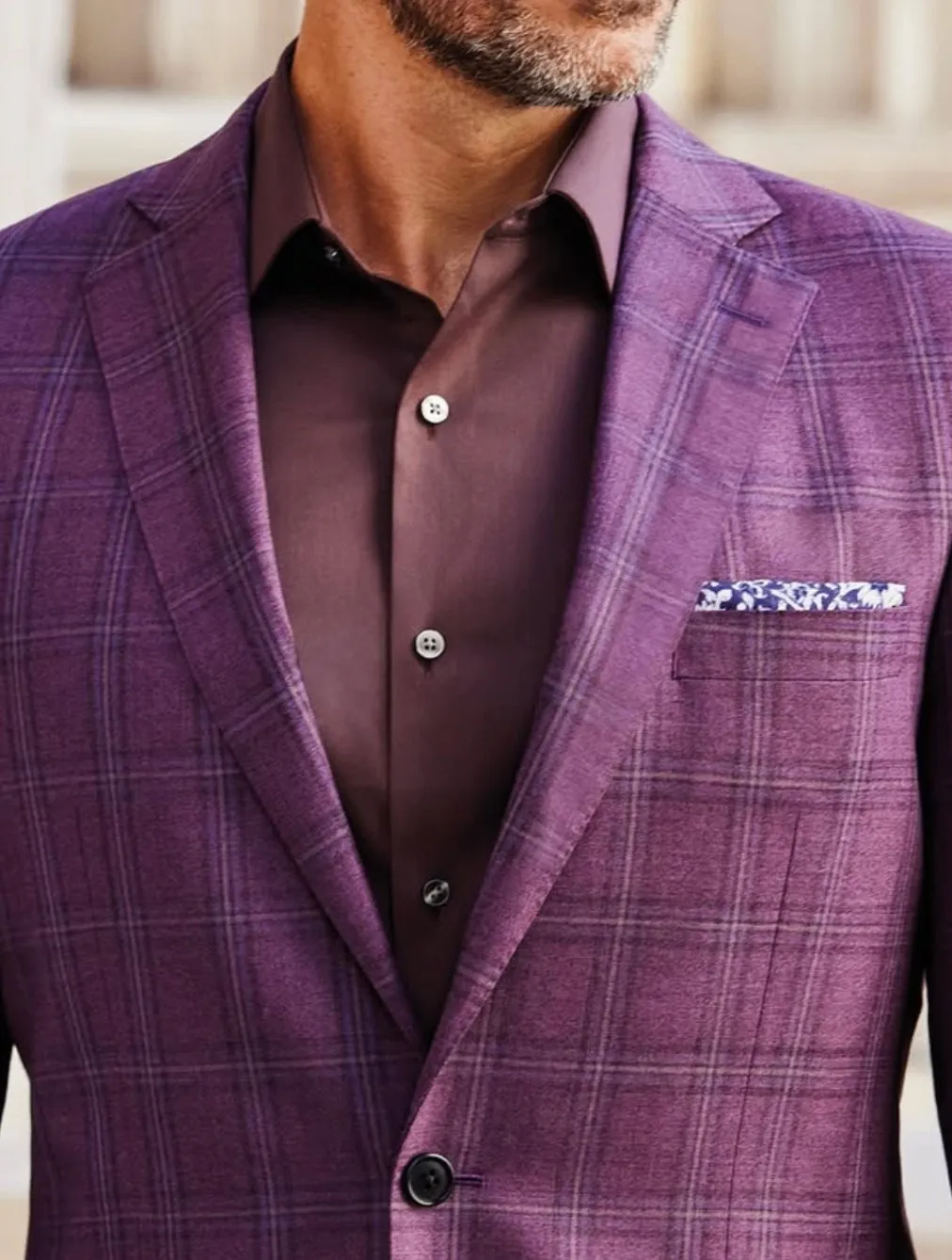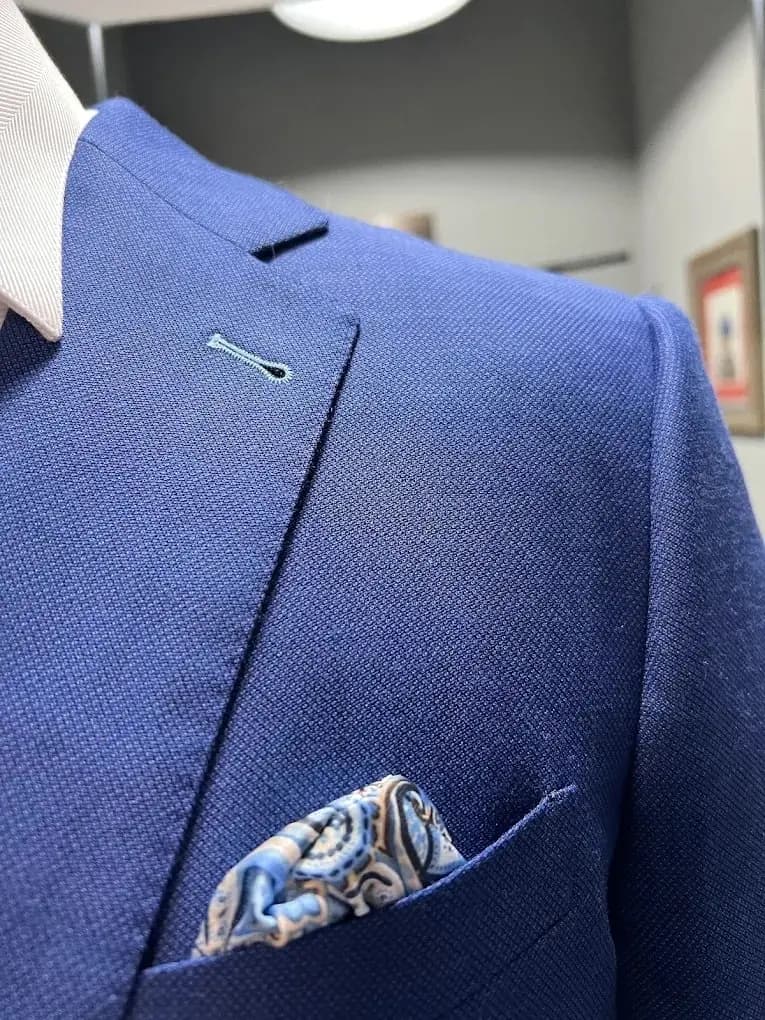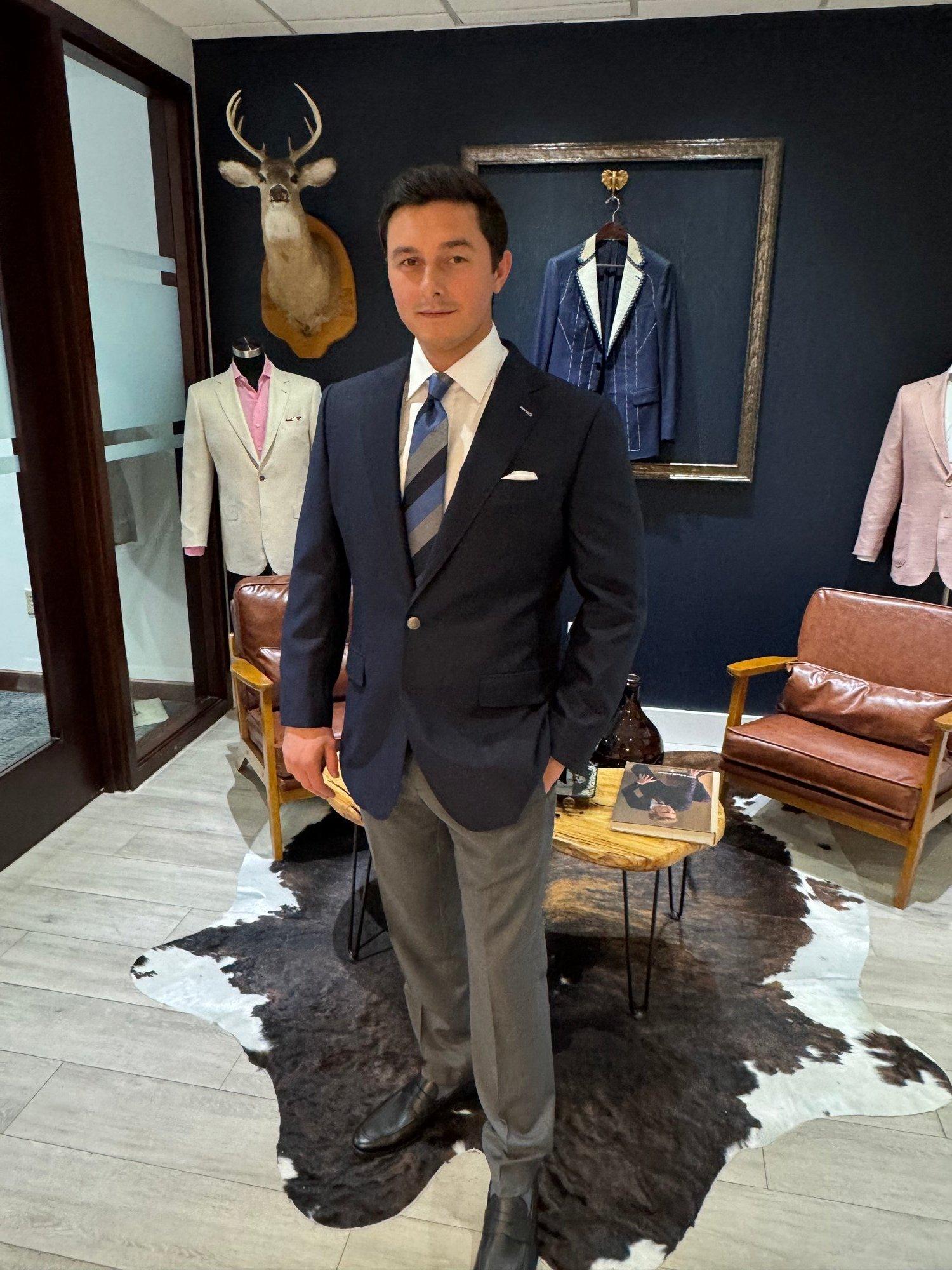
Lapels get the compliments, buttons start arguments about rules, and vents have already had their moment in this series. But the pockets on a jacket quietly do more work than almost any other detail. They set the formality ceiling of the garment, they change how the chest and hip read from across a room, and once a jacket is cut, they are one of the hardest things to change. Choosing between patch, flap and jetted pockets is therefore not a decoration decision made at the end. It is a structural decision made at the beginning, and it deserves the same attention as the fabric and the fit.
This guide explains the three main hip pocket styles, how each one is constructed, what each one signals about formality, and how to match pocket style to the jacket you actually plan to wear. At Bespoke By CB, pocket style is a standard part of every custom jacket consultation in Miami, because a detail this permanent should be chosen deliberately rather than inherited from whatever the pattern house happened to prefer.
What Jacket Pockets Actually Do
Before comparing styles, it helps to separate the jobs a jacket pocket performs. First, it is a functional opening. You can put your hands in it, and on many casual jackets you genuinely will. Second, it is a visual anchor. The hip pockets and the breast pocket define the horizontal lines of the jacket body, which is why pocket placement and height are tailored decisions, not accidents. Third, the pocket's edges add or subtract visual weight. A pocket that sits flush against the cloth reads lighter and sleeker than a pocket that adds a layer on top of it.
That third job is where the formality ladder comes from. The smoother and more integrated the pocket, the dressier the jacket reads. The more layered and visible the pocket, the more relaxed and textural it reads. Almost everything about patch, flap and jetted pockets follows from that single principle.
Jetted Pockets: The Formal Standard
A jetted pocket, sometimes called a welt pocket, is a horizontal slit in the jacket body with a narrow band of fabric, the jet, folded back along the top and bottom edges of the opening. Nothing is added to the surface of the jacket. The pocket mouth sits flush with the cloth, and when the jacket is worn and standing, it nearly disappears into the seam lines.
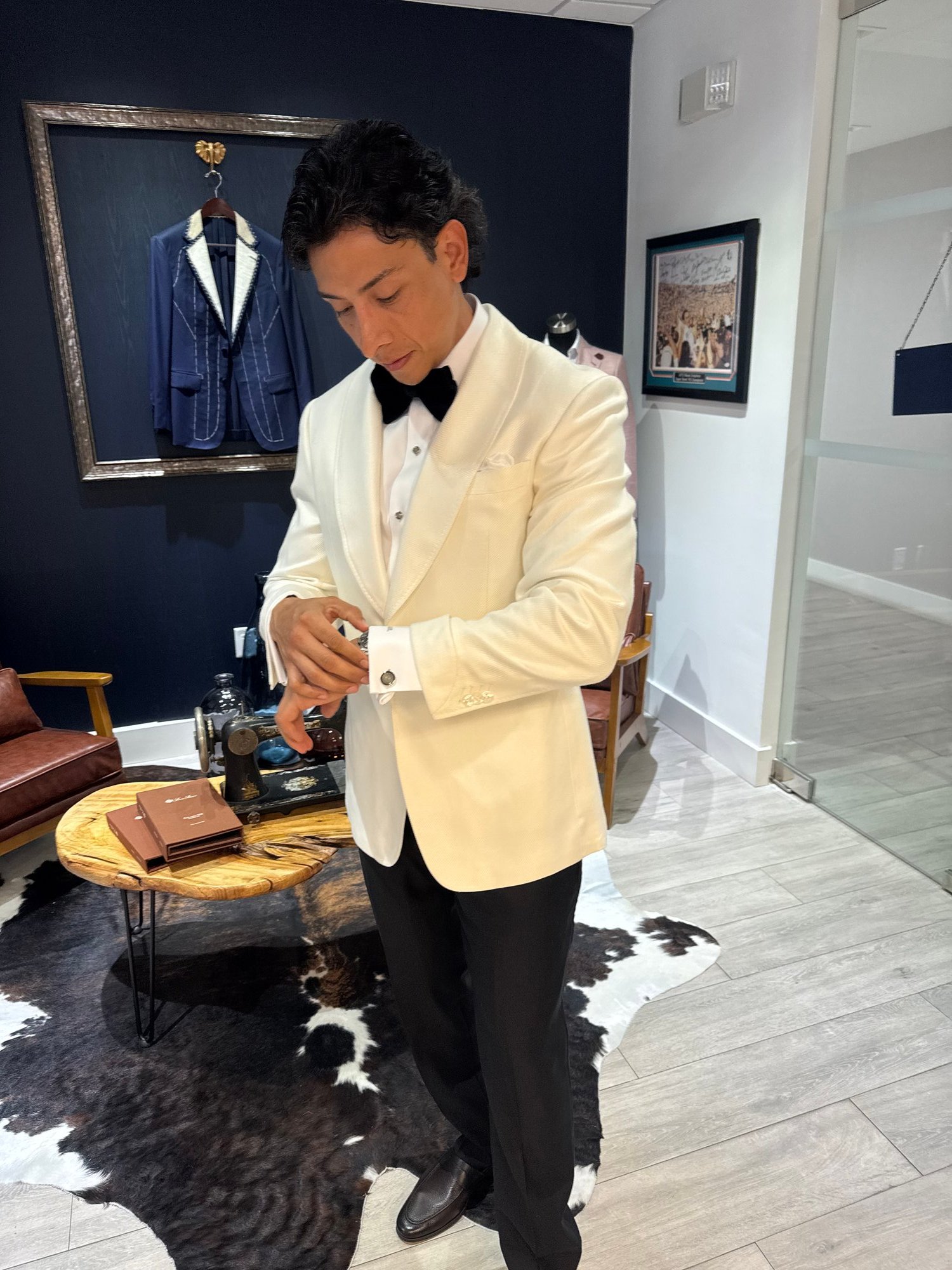
This is the traditional formal pocket. On a dinner jacket or a tuxedo, jetted pockets are the classic choice because they keep the front of the garment clean and uninterrupted. The eye travels across smooth cloth, satin lapels and a covered button front without snagging on extra layers. The same logic applies to a dark business suit worn in the most conservative settings. A jetted pocket does not call attention to itself, which is exactly the point.
The tradeoff is practicality. A jetted pocket has no flap to shield the opening, and it sits close and often tight, which makes it more of an architectural feature than somewhere to park your hands. It is also the least forgiving pocket to alter later, because the opening is cut into the jacket body itself. All of this argues for treating jetted pockets as a deliberate choice for dress garments rather than a default for everything.
Flap Pockets: The Everyday Workhorse
A flap pocket is the same slit and jet construction as above, but with a finished flap of matching fabric sewn along the top edge, hanging down over the opening. The flap adds a visible horizontal band across the hip, which does two things at once. It gives the jacket a clear visual line at the hip, and it adds a small amount of layered depth that reads as sturdy and classic rather than sleek.
Flap pockets are the most common choice on business suits and blazers for good reason. The flap offers some protection to the pocket opening, the look is familiar and appropriate in almost every professional setting, and the style flatters a wide range of body types because the horizontal line at the hip helps define the waist suppression above it. A well placed flap pocket makes a tailored jacket look like a tailored jacket.
There is a useful piece of tailoring knowledge worth knowing here. On many jackets, the flap can be tucked into the pocket, turning the flap pocket into what looks like a jetted pocket. That is why some dressier suits are cut with flap pockets that can be worn tucked for evening. If you want one business suit that can dress down for the office and up for a dinner, a tuckable flap pocket gives you that range. If you are certain the jacket will only ever be worn formally, jetted pockets from the start are the cleaner expression.
Patch Pockets: The Casual Signature
A patch pocket is not cut into the jacket body at all. Instead, a shaped piece of cloth is sewn on top of the outside of the jacket, like a patch laid over the surface. The pocket is literally an addition rather than an interruption, and that inside-out construction is what gives patch pockets their relaxed character.
Because the pocket adds a layer on top of the garment, it reads casual, soft and unpretentious. Patch pockets are the natural choice on sport coats, unstructured jackets and summer pieces. On an airy linen jacket for South Florida, patch pockets feel right at home. They suit the lightweight cloth, they move with the garment rather than fighting it, and they signal that the jacket is meant to be worn approachably rather than ceremonially.
Patch pockets also have a genuine construction advantage for certain cloths. Cutting a jetted or flap opening into a very loose weave or a delicate fabric stresses the material around the slit. Sewing a patch on top avoids that stress, which is part of why the style travels so naturally with linens and soft wools. If you have ever wondered why so many great summer jackets have patch pockets, it is not purely an aesthetic tradition.
What patch pockets are not is formal. A patch pocket on a dinner jacket would read as a style experiment, not an upgrade. The formality ceiling is real, and it is the one thing to be certain about before choosing them.
Matching Pocket Style to the Garment
The clearest way to choose is to start from what the jacket is for, not from which pocket looks best in isolation.
- Business suits for conservative settings: flap pockets are the standard, dependable choice, and a tuckable flap gives you the option of a cleaner look for evenings.
- Dinner jackets and formalwear: jetted pockets are the classic pairing with satin or grosgrain lapels, keeping the front as clean as possible.
- Sport coats and blazers: flap pockets read traditional and dressed, patch pockets read softer and more casual, and both are correct depending on how you wear the jacket.
- Warm-weather and unstructured jackets: patch pockets pair naturally with linen, open weaves and soft shoulders.
- A wardrobe-building first jacket: flap pockets offer the widest usable range across occasions.
It is also worth saying plainly that these styles can be mixed thoughtfully. A soft jacket with patch hip pockets but a welt breast pocket is a common and handsome configuration. The breast pocket is almost always a welt, since it needs a clean opening for a pocket square and sits at the chest where a patch would clutter the line of the lapel. The hip pockets are where the real choice lives.
Fit and Placement: The Decisions Around the Pocket
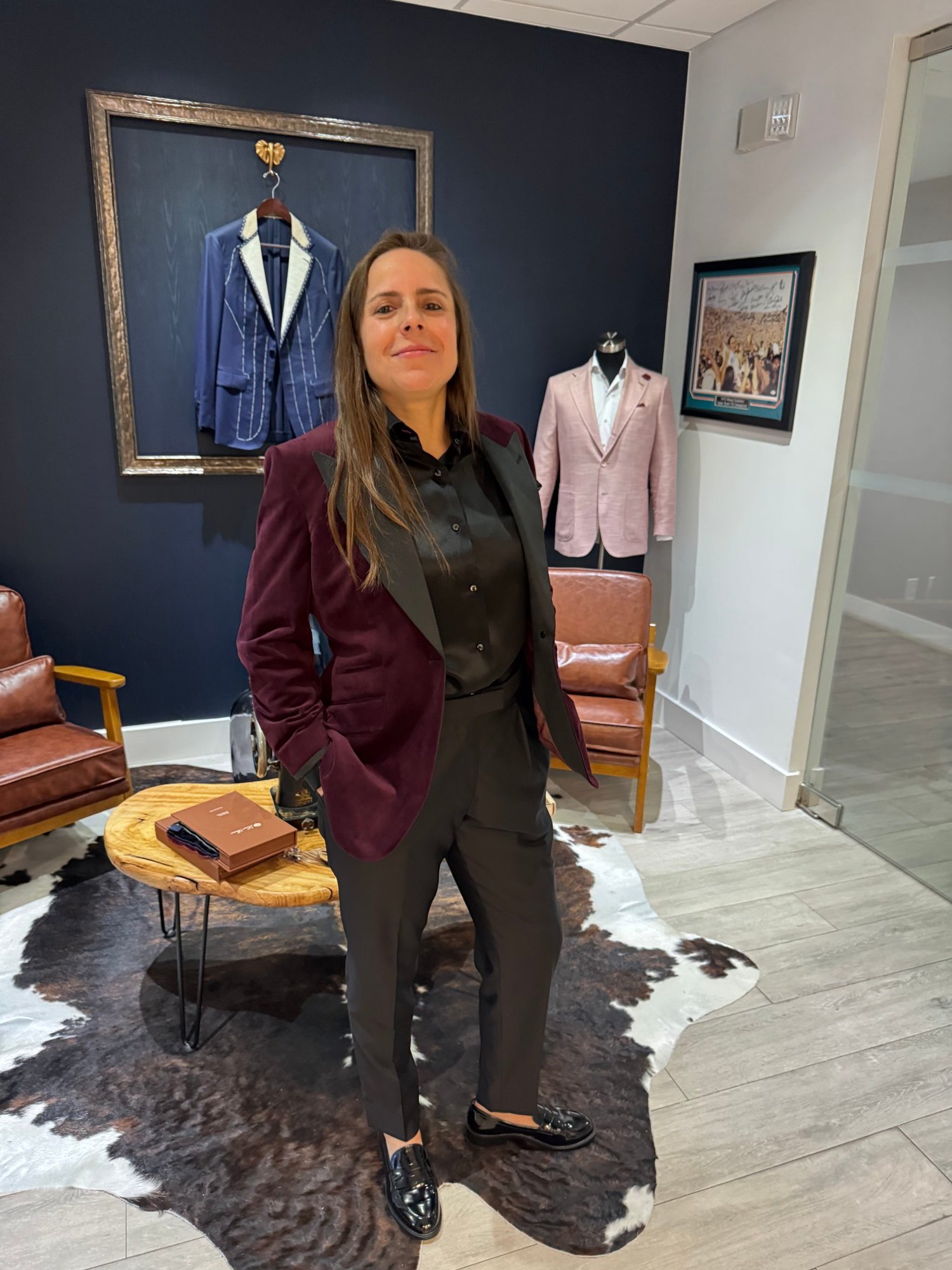
Pocket style matters, but pocket placement matters just as much, and it is a place where custom tailoring clearly separates itself from ready-made. The height of the hip pockets affects the perceived length of the jacket body and the position of the waist. Pockets set slightly higher can shorten the visual space between chest and hip, which can flatter a shorter rise or a longer torso. Pockets set lower do the opposite. The tilt of the pocket, subtle on some patterns and more pronounced on others, changes the way the waist suppression reads.
The width and length of the pocket matter too. A wide flap pocket adds horizontal emphasis at the hip, useful for balancing broad shoulders, while a narrower, shorter pocket reads more compact. On a patterned cloth, cutting pockets so the pattern aligns across the flap and the body is a mark of careful making, and it is one of those quiet quality signals worth looking for in any jacket you own.
Then there is the ticket pocket, a small additional flap pocket set above the right hip pocket. It descends from riding and travel garments where it held tickets, and today it is a style choice that adds a traditional, English flavor to a suit. It suits some builds and some cloth choices better than others, and it belongs in the same deliberate category as the main pocket decision, not treated as a free upgrade to accept by default.
Practical Living With Each Style
Think about how you will actually wear the jacket week to week. If you put your hands in your pockets while walking, flap and patch pockets both tolerate this, though it will crease the flaps and shape the patches over time. Jetted pockets are tighter and discourage the habit. If you carry a slim phone, a credit card holder or a ticket, patch pockets are the most generous and forgiving, followed by flap pockets. Jetted pockets are best treated as untouched architecture.
Care considerations are modest but real. Flaps should be smoothed flat when the jacket is hung, and patch pockets should not be overloaded or they will sag and distort the panel behind them. Any pocket that is stretched out of shape is a repair job, not a cleaning job, and prevention is cheaper than correction. The existing suit care guidance on this site covers the broader maintenance routine.
South Florida weather adds a note in favor of lighter constructions. On a lightweight cloth, every added layer shows, and a jetted pocket preserves the sleekest line on a fine-wool suit, while patch pockets suit the softest and airiest casual jackets. The choice of pocket and the choice of cloth should be made together, which is exactly how a custom consultation works.
How Bespoke By CB Can Help
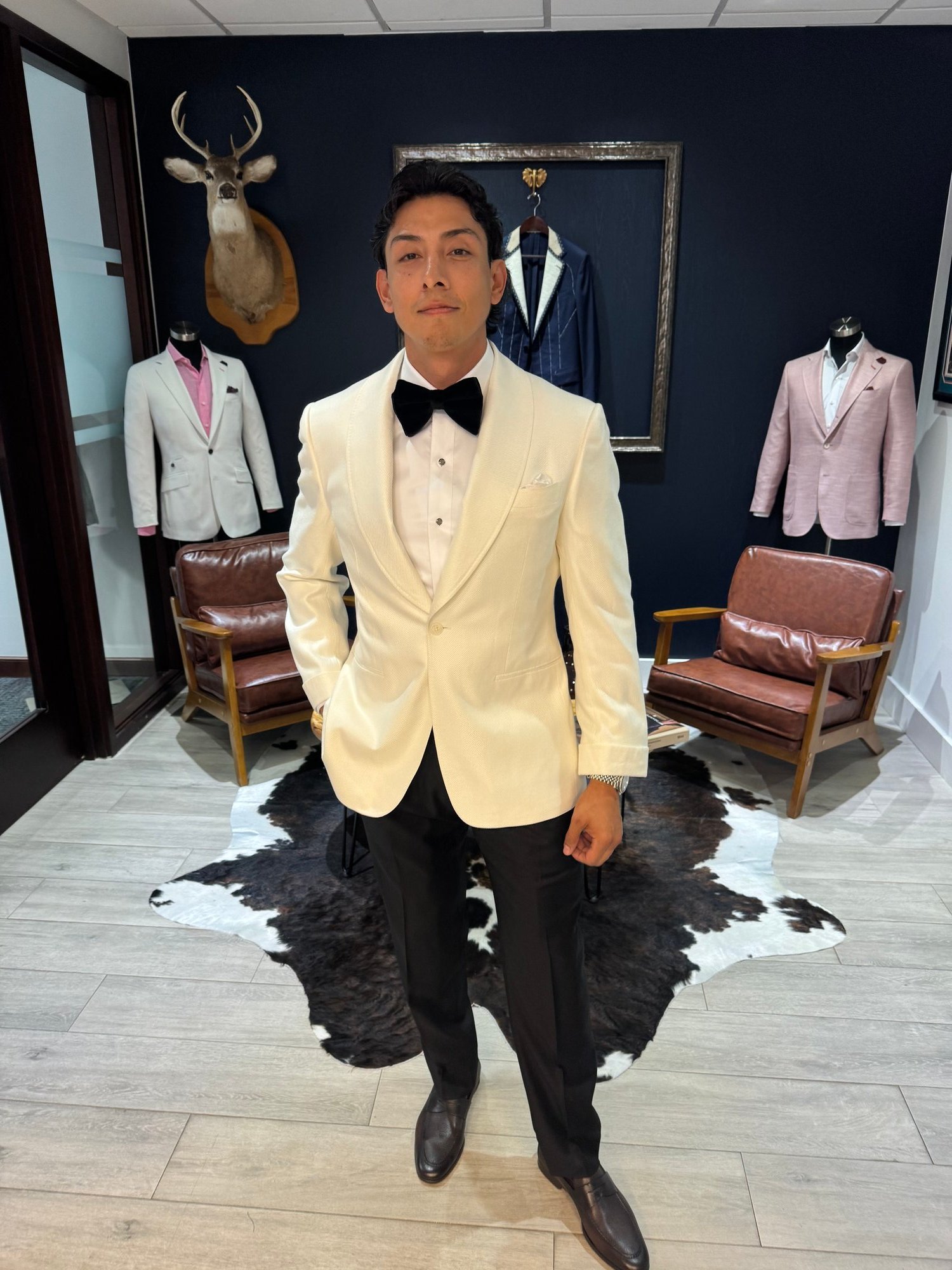
Pocket style is one of the many construction decisions we walk through together at Bespoke By CB. During a custom jacket or suit consultation in Miami, we look at the cloth, the setting, your proportions and how you actually dress week to week, then translate that into specific recommendations for pocket style, placement, tilt and finish. Our sport coats and blazers start at $1,199 and our custom suits start at $1,299, each cut to your measurements with the details chosen by you rather than by a rack. Bespoke By CB does not offer rentals of any kind; every garment we make is yours, made to be worn for years. Whether you are ordering your first navy blazer or adding a formal dinner jacket to the wardrobe, Bespoke By CB makes the pocket decision easy to get right the first time.
Frequently Asked Questions
What is the difference between patch, flap and jetted pockets?
A patch pocket is sewn onto the outside of the jacket as a visible layer. A flap pocket is cut into the jacket with a fabric flap hanging over the opening. A jetted pocket is a slit with a narrow welt band and nothing covering it, sitting flush with the jacket body. The three styles run from most casual, patch, to most formal, jetted.
Which pocket style is most formal?
Jetted pockets are the most formal. Because they sit flush with the cloth and add nothing to the surface, they are the classic choice on dinner jackets and tuxedos, where the front of the garment is kept as clean and uninterrupted as possible.
Can a flap pocket be converted to a jetted pocket?
It depends on the jacket. Because a flap pocket is a jetted opening with a flap attached, removing the flap can approximate a jetted look on some garments, but the result depends on the jet construction and how the flap was set. This is a question for a tailor assessing the specific jacket, not a universal upgrade. If you want the tucked look regularly, order the flaps designed to tuck cleanly.
Are patch pockets acceptable on a blazer for business casual settings?
Yes. Patch pockets on a blazer or sport coat are widely accepted in business casual and smart casual settings, and they are a classic look on soft tailoring. What they are not is a substitute for a suit in a conservative, formal or ceremonial context, where the blazer itself, not just the pocket, changes the message.
Do patch pockets or flap pockets work better in hot weather?
Patch pockets pair naturally with lightweight, casual summer cloths because they add construction without cutting slits into a delicate weave, and they suit the soft silhouettes typical of hot-weather tailoring. For a lightweight formal or business suit in Miami heat, jetted or flap pockets keep the garment dressier. The pocket should follow the cloth and the setting together.
Does pocket style change how the jacket fits?
Pocket style does not change the fit itself, but it changes how the fit reads. Flaps add a horizontal line at the hip, patch pockets add visible layering, and jetted pockets keep the eye moving smoothly. The placement, height and tilt of the pockets, which we set during a custom fitting, affect the perceived balance of the jacket body as much as the style does.
What is a ticket pocket and should I order one?
A ticket pocket is a small extra flap pocket above the right hip pocket, originally for travel tickets. Today it is a traditional style detail that gives a suit an English character. Order it if you like the look and it suits the cloth and the proportions of the jacket. It is a style choice, not a quality marker, so treat it as an informed preference rather than a default.
Which pocket style should I choose for my first custom jacket?
For a first custom blazer or suit intended to work across many settings, flap pockets are the most versatile choice because they read appropriately from the office to dinner, and many can be tucked for a cleaner evening look. If your first jacket is specifically a summer casual piece, patch pockets are the natural pairing. Bring the question to a consultation with the actual occasions you dress for in mind.