What Makes Premium Wool Fabric Superior
Not all wool is created equal. If you're investing in a custom suit, understanding what separates premium wool from ordinary wool will help you make a better choice, and help you understand why some fabrics cost more than others. At Bespoke By CB, we guide clients through fabric selection every day, and wool quality is one of the most important factors we discuss.
Super Numbers: What They Mean
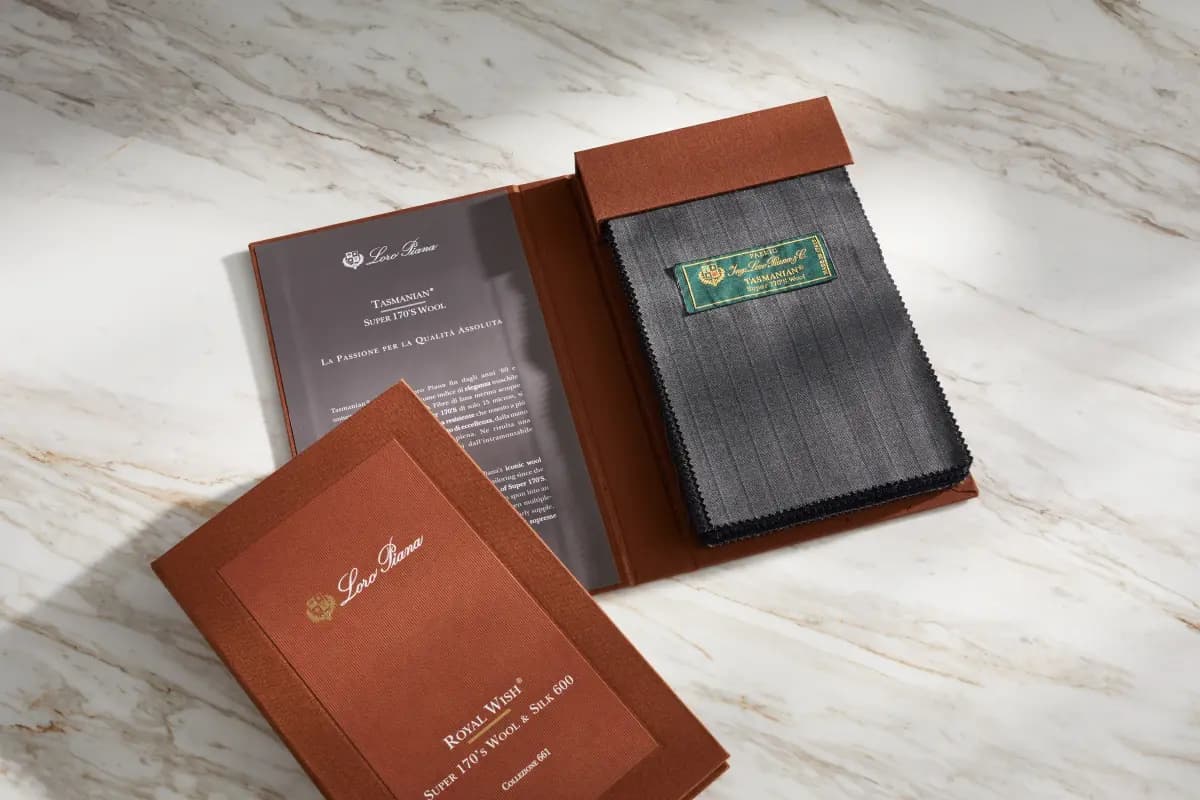
The most common metric you'll see on wool fabric is the "Super" number. Super 100s, Super 120s, Super 150s, and so on, up to Super 250s. This number refers to the fineness of the wool fiber, measured in microns. The higher the Super number, the finer the fiber.

Here's how the range breaks down:
- Super 100s–120s: Good everyday wool. Durable, versatile, and a solid choice for workwear suits.
- Super 130s–150s: Premium range. Softer hand, better drape, ideal for most custom suits.
- Super 160s–180s: Luxury range. Exceptionally smooth and lightweight, but more delicate.
- Super 200s–250s: The finest available. Incredibly soft and light, but requires careful handling. Best for special occasions rather than daily wear.
Higher Super numbers mean a finer, softer fabric, but also one that's more delicate and less wrinkle-resistant. For Miami's climate, we often recommend fabrics in the Super 130s to 150s range, which balance fineness with practical durability.
Fiber Fineness: The Micron Measurement
Behind the Super number is a precise measurement: fiber diameter in microns. One micron is one-thousandth of a millimeter. The lower the micron count, the finer the fiber:
- 19+ microns: Standard wool. Good durability, slightly coarser hand.
- 17–19 microns: Fine wool. Smooth hand, good for most tailored clothing.
- 15–17 microns: Very fine wool. Exceptionally soft, approaching cashmere territory.
- Under 15 microns: Ultra-fine. The rarest and most expensive wools, including vicuna and baby cashmere.
Finer fibers create a fabric that feels smoother against the skin and drapes more gracefully. They also tend to be lighter, which is a significant advantage in warm climates like South Florida's.
Staple Length: Why It Matters
Staple length, the length of the individual wool fibers, is less talked about than micron count but equally important. Longer staple fibers produce a smoother, stronger yarn that pills less and wears better over time. Shorter fibers create a yarn that's more prone to pilling and fuzzing.
Premium wool fabrics are made from long-staple fibers, which is one reason they maintain their appearance through years of wear. When you see a suit that still looks crisp after several seasons, staple length is part of why.
Crimp: The Natural Wave
Wool fibers have a natural wave or curl called crimp. More crimp means more bulk, elasticity, and insulation. Less crimp means a smoother, sleeker fabric. Premium suiting wools are typically bred for moderate crimp, enough to give the fabric resilience and a slight natural stretch, but not so much that it looks bulky.
Crimp also contributes to wool's natural wrinkle resistance. The natural elasticity of crimped fibers helps the fabric bounce back after being compressed, which is why a wool suit can survive a long flight and still look fresh on arrival.
Breathability and Temperature Regulation
One of wool's most remarkable properties is its ability to regulate temperature. Wool fibers can absorb up to 30% of their weight in moisture vapor without feeling damp. This means a wool suit can keep you comfortable in both cool and warm environments, the fiber breathes, releasing moisture when you're warm and trapping insulating air when you're cool.
In Miami, this breathability is invaluable. A tropical-weight wool suit (around 240-280 grams per meter) in a Super 130s to 150s grade will keep you comfortable even in South Florida's heat and humidity while still looking sharp.
Durability and Wrinkle Resistance
Premium wool is naturally wrinkle-resistant thanks to its crimp and elasticity. A quality wool suit will shake out wrinkles simply by hanging overnight. Compare this to cotton or linen, which wrinkle easily and require more maintenance.
Durability comes from the combination of fiber quality and fabric construction. A well-made wool suit in a moderate Super number (120s-150s) can last for years of regular wear. The key is matching the fabric weight to how you'll use the suit, heavier fabrics for durability, lighter weights for comfort.
How to Identify Quality Wool
When you're evaluating fabric, look for these indicators:
- Hand feel: Quality wool feels smooth and consistent, not scratchy or uneven.
- Drape: Hold the fabric up and let it fall. Premium wool drapes smoothly with a gentle, natural curve, not stiff, not floppy.
- Surface: The fabric should have a clean, uniform surface without fuzzing, pilling, or irregularities.
- Recovery: Crush a small section in your hand and release. Quality wool springs back quickly without holding the crease.
The best way to assess fabric is in person. Book a consultation at our Miami studio to feel the difference between Super 100s and Super 180s for yourself.
Frequently Asked Questions
What do Super numbers mean in wool fabric?
Super numbers indicate the fineness of the wool fiber. Super 100s is a good everyday wool, while Super 150s and above are premium, finer fabrics. Higher numbers mean softer, lighter fabric but also less durability.
What Super number is best for a suit?
For most people, Super 120s to 150s offers the best balance of softness, drape, and durability. Go higher if you want a more luxurious feel and don't mind extra care. Go lower if you want maximum durability for daily wear.
Is finer wool always better?
Not necessarily. Finer wool is softer and lighter but also more delicate and prone to wrinkling. For a suit you'll wear several times a week, a moderate Super number will look better and last longer.
How does wool perform in Miami's climate?
Excellent, if you choose the right weight. Tropical-weight wool (240-280 g/m) in a Super 130s-150s grade is breathable, wrinkle-resistant, and comfortable even in South Florida's heat and humidity.
What's the difference between micron count and Super number?
They measure the same thing, fiber fineness, but express it differently. Micron count is the actual measurement of fiber diameter. Super numbers are a grading system based on micron count. Lower microns equal higher Super numbers.