How Premium Fabrics Compare for Custom Clothing
When you're investing in custom clothing, the fabric you choose shapes everything about the garment, how it looks, how it feels, how long it lasts, and where you can wear it. At Bespoke By CB, we help clients navigate fabric choices every day. Here's a clear, practical comparison of the five most common premium fabrics we work with.
Wool: The Versatile Workhorse
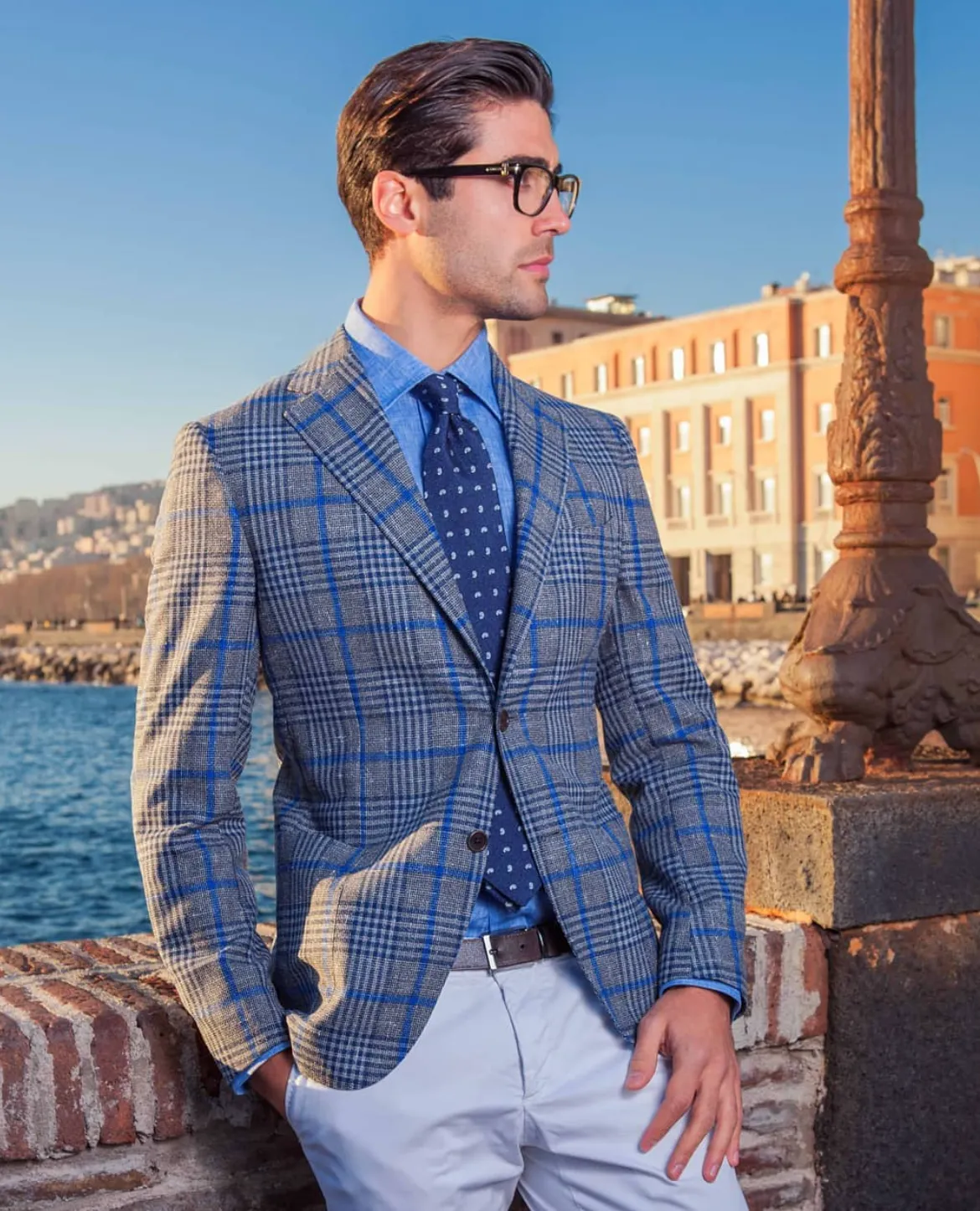
Wool is the most versatile fabric in custom tailoring, and for good reason. It's the default choice for custom suits because it does nearly everything well.
- Breathability: Excellent. Wool regulates temperature naturally, absorbing and releasing moisture vapor. This makes it comfortable in both warm and cool environments.
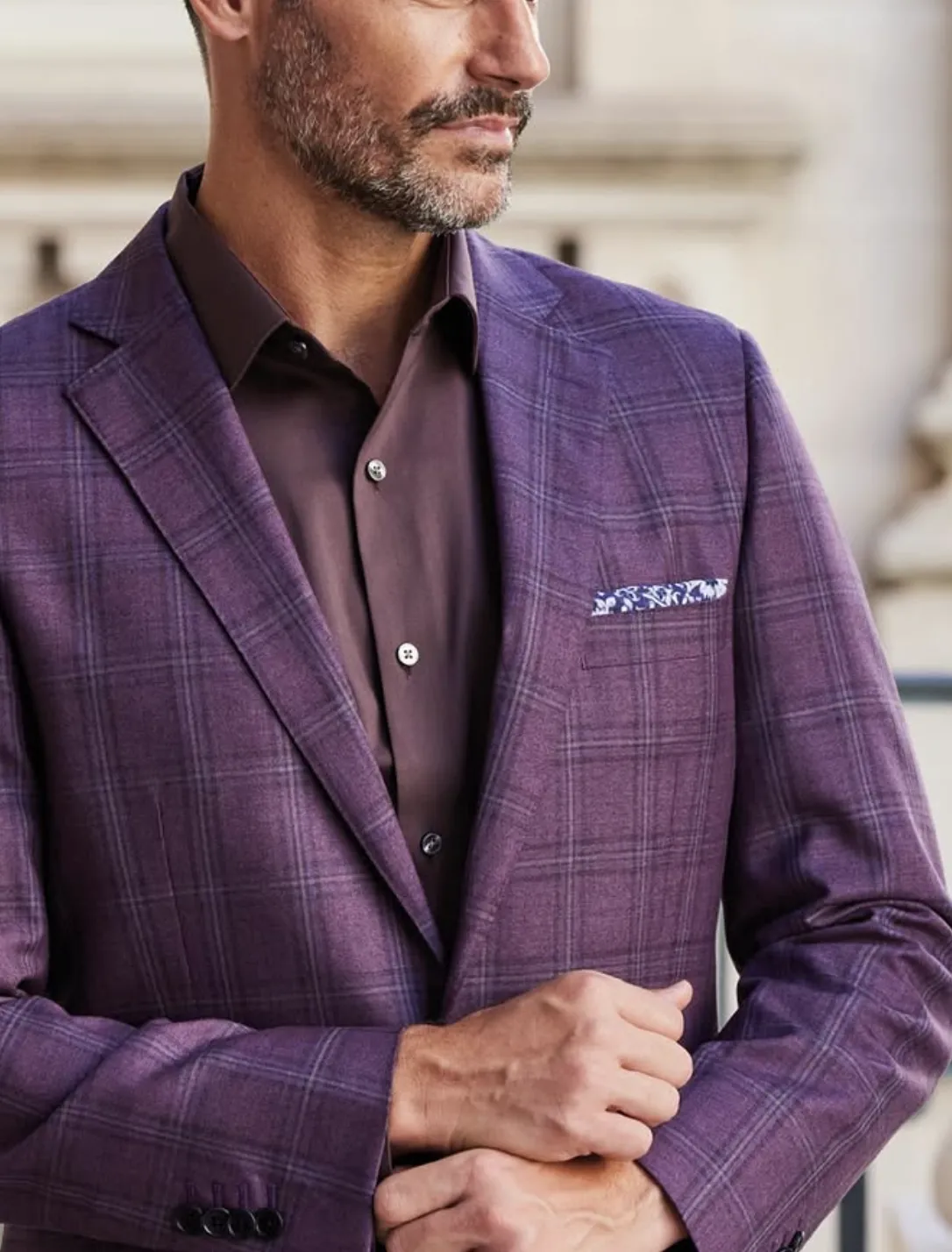
- Drape: Superior. Quality wool falls beautifully, which is essential for tailored garments that need to follow the body's lines.
- Durability: Very good, especially in moderate Super numbers (100s-150s). Wool resists wrinkling naturally and recovers well from creasing.
- Cost: Moderate to high, depending on quality. Good wool suits are an investment, but not prohibitively expensive.
- Best use: Suits, sport coats, trousers. Year-round versatility with weight adjustments for season.
In Miami, we frequently recommend tropical-weight wool for year-round comfort. It's the most practical choice for South Florida's climate.
Cashmere: The Luxury Soft Touch
Cashmere is prized for its extraordinary softness and warmth-to-weight ratio. Sourced from the undercoat of cashmere goats, it's significantly finer than standard wool.
- Breathability: Good, though cashmere is warmer than wool, making it better suited to cooler weather.
- Drape: Excellent. cashmere has a soft, flowing drape that looks luxurious.
- Durability: Moderate. Cashmere is softer and more delicate than wool. It can pill with friction and requires careful cleaning.
- Cost: High. Cashmere is a luxury fiber, and suits made from it carry a premium.
- Best use: Winter suits, overcoats, sweaters, and luxury blends. Not ideal for Miami's heat as a primary fabric.
Cashmere-blend fabrics, wool with a percentage of cashmere, offer a practical compromise. You get added softness and warmth without the full cost of pure cashmere.
Silk: The Statement Fabric
Silk is the most distinctive of the premium fabrics. It has a natural luster that no other fiber can replicate, and it's remarkably strong for its weight.
- Breathability: Moderate. Silk is surprisingly cool in summer and can provide insulation in winter, but it doesn't regulate temperature as well as wool.
- Drape: Outstanding. Silk has a fluid, almost liquid drape that creates an elegant silhouette.
- Durability: Moderate. Silk is strong but sensitive to sunlight, perspiration, and abrasion. It requires careful maintenance.
- Cost: High. Pure silk fabric is expensive and typically reserved for special-occasion garments.
- Best use: Linings, evening wear, ties, and as a blend in luxury suitings.
Silk-blend fabrics, wool-silk or wool-silk-linen mixes, are increasingly popular for clients who want a touch of luster and a distinctive hand without committing to pure silk.
Linen: The Summer Essential
Linen is made from the flax plant and is one of the oldest textile fibers in the world. It's the quintessential warm-weather fabric, and in Miami, it has a special place in the wardrobe.
- Breathability: Exceptional. Linen is the most breathable fabric on this list. It allows air to pass through freely, making it ideal for hot, humid climates.
- Drape: Crisp rather than flowing. Linen has a more structured, slightly stiff drape that softens with wear and washing.
- Durability: Very good. Linen is actually stronger wet than dry, and it becomes softer and more comfortable with each wash.
- Cost: Moderate. Quality linen is accessible, though premium Irish and Italian linens cost more.
- Best use: Summer suits, shirts, trousers, and casual jackets. Embrace the wrinkles, they're part of linen's character.
The wrinkle factor is linen's main drawback, but it's also part of its charm. A well-fitted linen suit worn confidently in Miami says you understand that elegance isn't always about perfection.
Bamboo: The Modern Option
Bamboo fabric is a newer entrant in premium clothing. Made from bamboo pulp, it's processed into a soft, smooth fabric with some impressive properties.
- Breathability: Excellent. Bamboo is naturally moisture-wicking and has a cool, smooth feel against the skin.
- Drape: Good. Bamboo fabric has a soft, slightly fluid drape.
- Durability: Moderate. Bamboo is soft but can be less durable than wool or linen over time.
- Cost: Moderate. Bamboo is more affordable than cashmere or silk but more than basic cotton.
- Best use: Shirts, casual wear, and as a blend in warm-weather fabrics. Its moisture-wicking properties make it interesting for Miami's climate.
Quick Comparison
- Most versatile: Wool
- Softest: Cashmere
- Most breathable for heat: Linen
- Most distinctive look: Silk
- Best value for warm climate: Bamboo (for casual) or tropical wool (for tailored)
Each fabric has its strengths, and the best choice depends on when and where you'll wear the garment. Our recommendation: build your core wardrobe in wool, add linen for summer, and use cashmere and silk for special pieces.
Ready to choose fabrics for your next custom garment? Book a consultation with us and we'll walk you through the options in person.
Frequently Asked Questions
Is cashmere too warm for Miami?
Pure cashmere is generally too warm for Miami's climate. However, wool-cashmere blends with a small percentage of cashmere can work for air-conditioned environments and cooler months.
How does bamboo compare to linen?
Bamboo is softer and smoother than linen, with better moisture-wicking properties. Linen is more breathable and has a more textured, casual look. Both work well in warm climates.
Can I mix fabrics in a single suit?
Yes. and many premium fabrics are sold as blends. Wool-silk, wool-linen, and wool-cashmere blends combine the best properties of each fiber. Blends often perform better and cost less than pure fabrics.