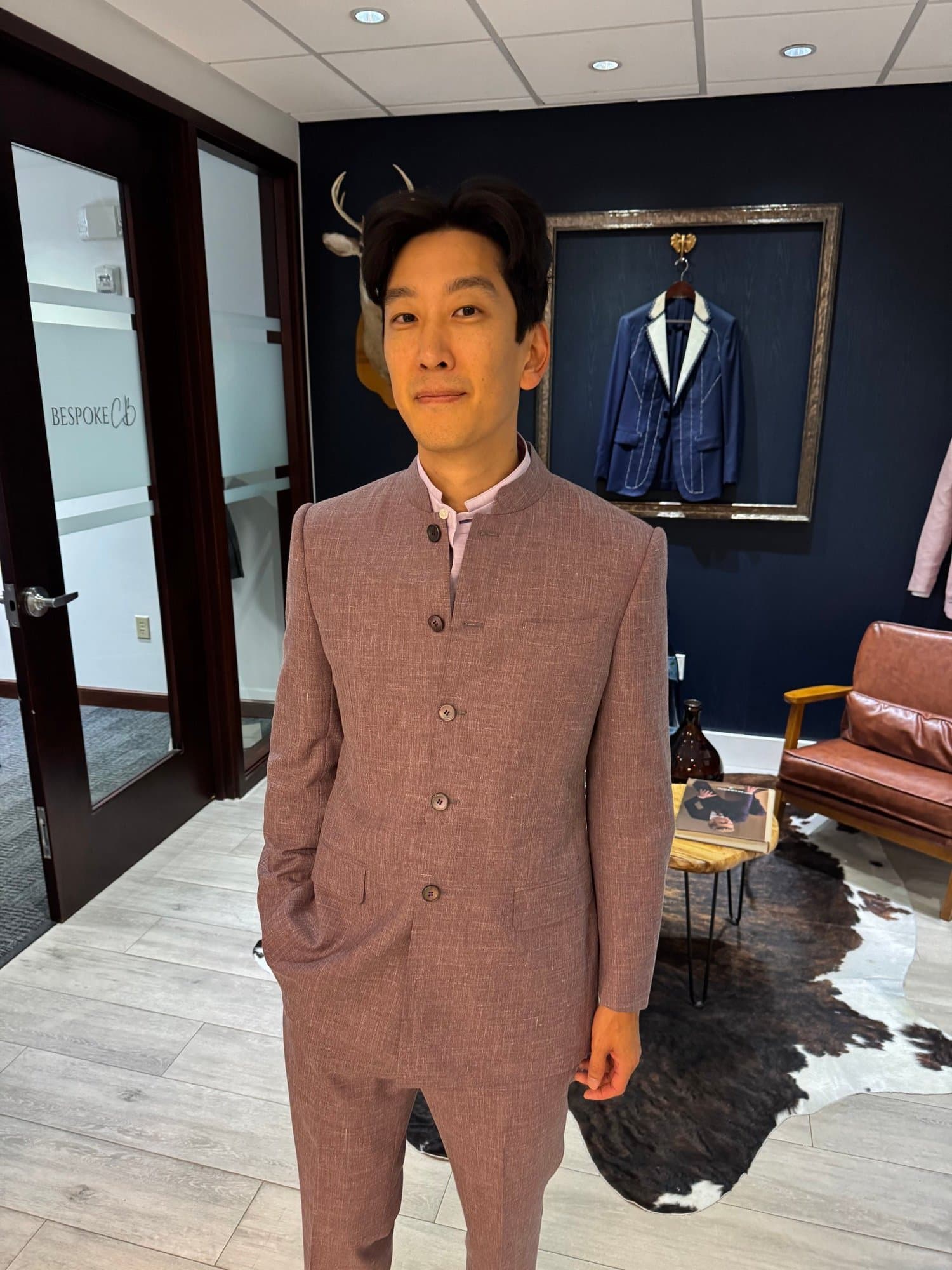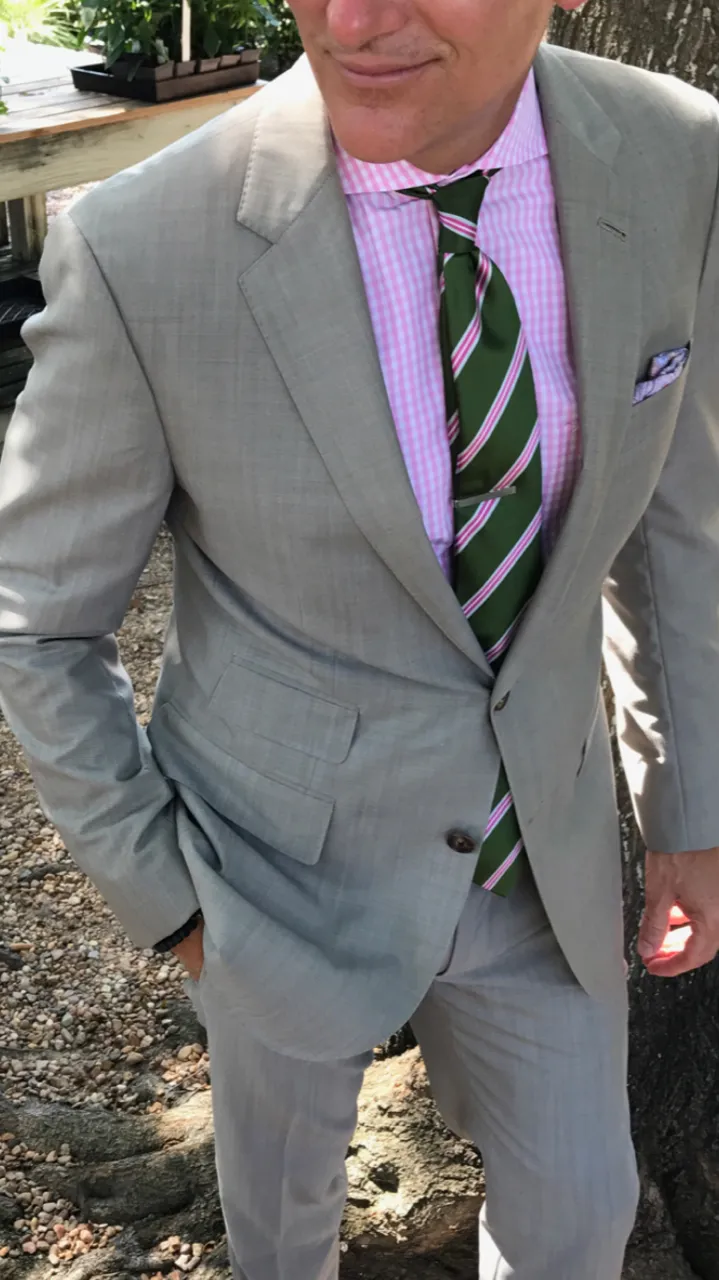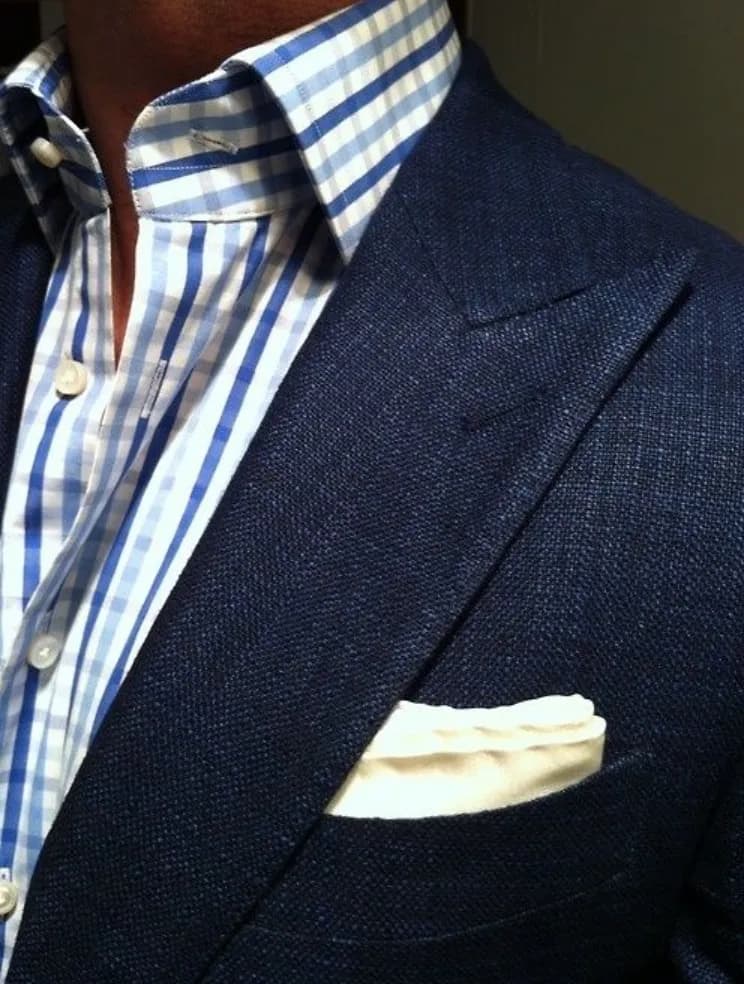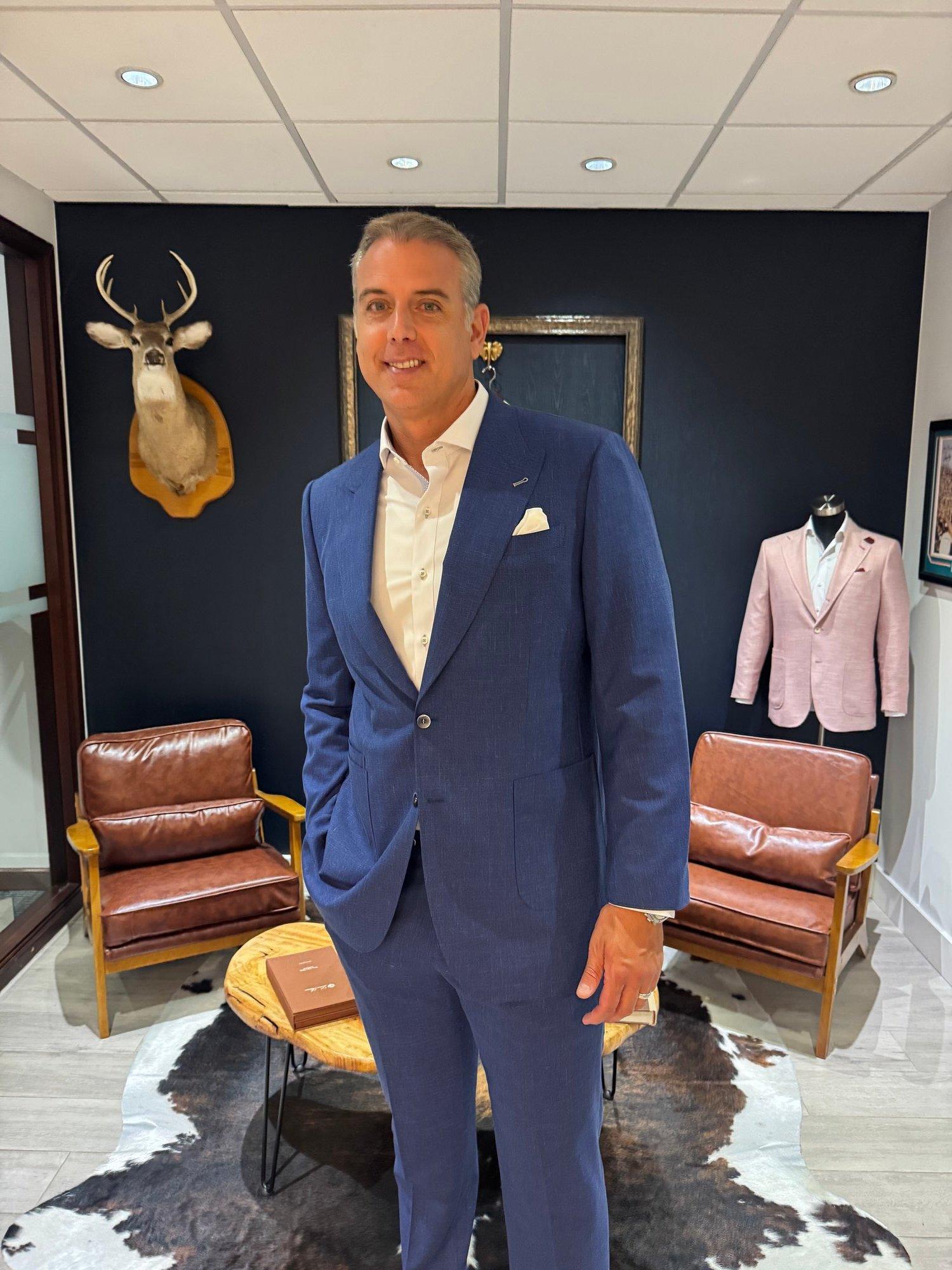
The wedding welcome party has become one of the most anticipated events of a modern wedding weekend. It is usually the first time the two families and far-flung friends are in the same room, which makes it the moment everyone sizes up the groom, the fathers, the brothers and the close friends who have traveled to celebrate. Getting the outfit right means understanding what a welcome party actually is: a relaxed but photographed celebration that sits a step below the wedding itself in formality, yet a step above ordinary vacation dressing.
This guide breaks down wedding welcome party attire for men from every angle: how to read the invitation, what the groom versus the guests should wear, how venue and climate change the plan, and how to build outfits that look effortless in photos taken hours after a flight. If you are building a full wedding weekend wardrobe rather than one outfit, Bespoke By CB designs and fits custom clothing specifically for multi-event celebrations, and this guide reflects the same planning approach used in those consultations.
What a Welcome Party Is, and What It Is Not
A welcome party is typically hosted by the couple or their families on the first evening of a wedding weekend, often the night before the rehearsal dinner or two nights before the wedding. The format varies widely: cocktails on a hotel terrace, a beachfront cookout, a private dining room dinner, or a casual poolside gathering. What stays constant is the purpose. This event welcomes guests, breaks the ice and sets the tone for the weekend.
That purpose drives the dress code logic. A welcome party should look intentional but not ceremonial. You want to appear as someone who understood the assignment: polished, relaxed, clearly not trying to out-dress the wedding. The most common mistake is treating it like a second wedding and arriving in a dark formal suit and tie, which reads as stiff next to a sunset cocktail crowd. The second most common mistake is treating it like a beach day and arriving in a polo, shorts and sandals, which reads as careless when the hosts have planned a special evening.
There is also confusion between neighboring events. A welcome party is not a rehearsal dinner, which is usually smaller, centered on the wedding party and often slightly more structured. It is not an engagement party, which happens months earlier and has no travel context. If you are mapping the weekend, welcome party outfits should generally sit between those two in formality: dressier than daytime tourist wear, less formal than the ceremony. For men planning each event separately, the engagement party guide and the rehearsal dinner guide cover those distinct occasions.
Reading the Invitation Before You Dress
Before choosing any garment, extract three pieces of information from the invitation or wedding website: the stated dress code, the venue type, and the start time. Each one shifts the outfit.
A stated dress code wins. If the invitation says cocktail attire, dress for cocktails even if the venue is a lawn. If it says beach casual, respect it rather than importing city formality. When no dress code is stated, default to elevated smart casual: a jacket with tailored trousers or refined dark jeans, an open-collar shirt or a knit polo, loafers or clean derby shoes.
Venue tells you the fabric. A hotel ballroom or private dining room supports wool and structured shoulders. A rooftop or terrace suggests breathable weaves. Sand, grass or gravel demands a wedge sole or rubber-soled loafer rather than a leather sole that sinks and scuffs. Start time tells you the color temperature: early-evening events tolerate lighter colors, while events starting after dark photograph better in mid and deep tones.
Destination weddings add one more signal: the wedding website's photos. If every image shows linen shirts and barefoot cocktail hours, honor that vibe. If the imagery skews sleek and urban, bring sharper tailoring. When in doubt, guests can ask the couple or the maid of honor; a one-line question prevents a weekend of feeling under or overdressed.
Outfit Formulas That Work for Male Guests
Guests at a welcome party want one reliable formula plus small variations. These four cover nearly every scenario.
Formula one: the unstructured jacket and trousers. A soft-shouldered jacket in linen, hopsack or a loose wool weave, worn with tailored trousers in a complementary tone and an open-collar shirt. This is the safest all-around welcome party look: clearly dressed up, physically comfortable, photographing well from every angle. For warm-weather destinations, a light grey, ecru or soft blue jacket over cream or sand trousers is the classic move.
Formula two: the refined monochrome set. A matching shirt-and-trouser set or a tonal combination, such as a deep olive shirt with stone trousers, dressed up with a leather belt and loafers. This reads current and relaxed, ideal for poolside or cookout formats. Keep the fit precise, because a loose set photographed at dusk can look like pajamas.
Formula three: the elevated dark jean. Where the welcome party is genuinely casual, dark unwashed jeans with a tucked fine-gauge knit or a crisp button-down and a sport coat clear the bar. Add suede loafers rather than sneakers to signal effort. Reserve denim for events explicitly framed as laid-back; a welcome dinner in a private restaurant room usually wants trousers.
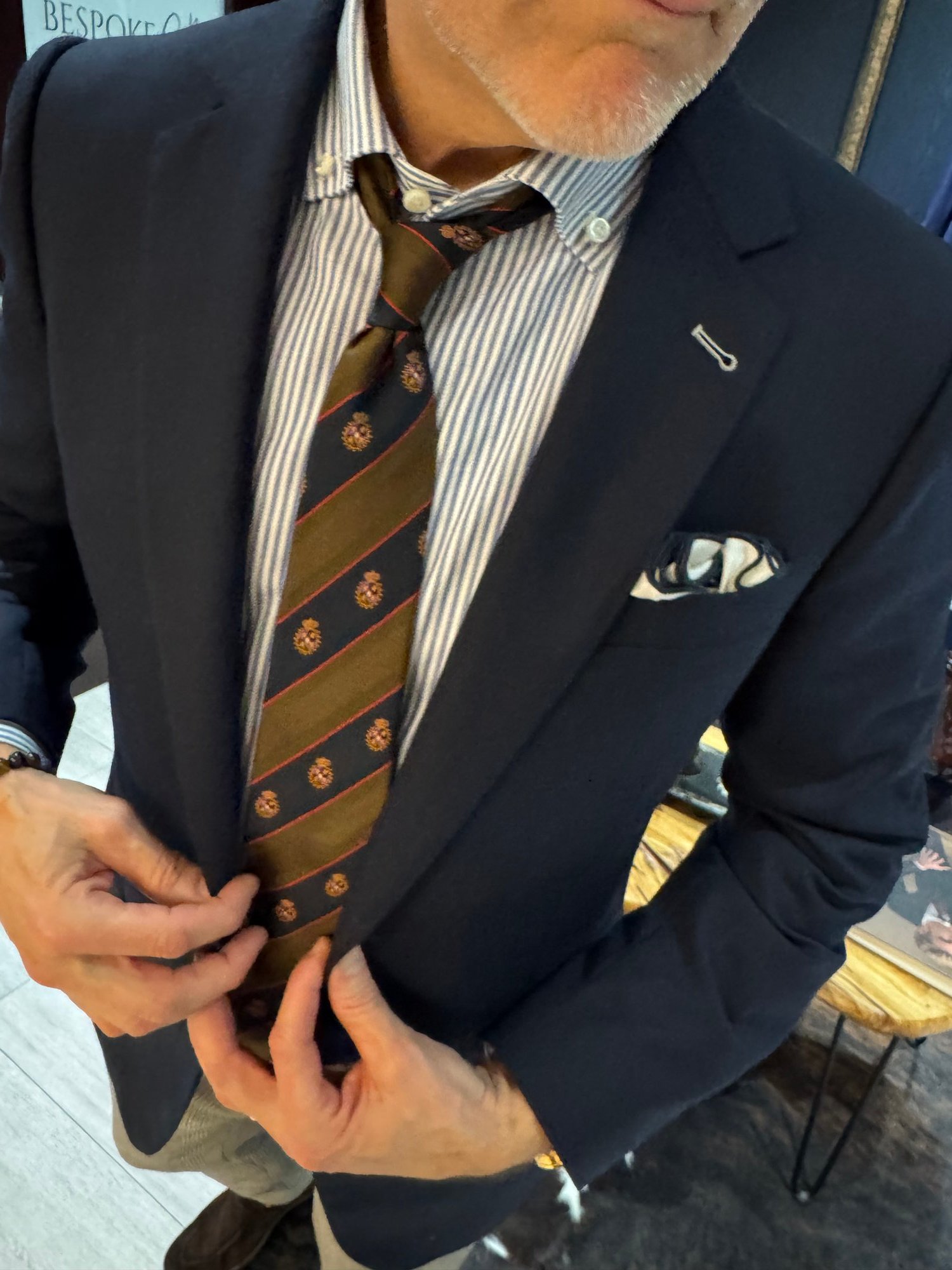
Formula four: the light suit worn casually. A full suit in a breathable fabric, worn open-collar or with a knit tie, is the answer when you are unsure. A suit worn relaxed is the most flexible garment of the weekend: it covers a dressy welcome party, and the jacket and trousers can split into separate outfits for other events. This is the piece Bespoke By CB most often recommends to wedding weekend guests, because a well-fitted light suit earns its cost across three or four wearings, not one.
Fabric Choices for Warm Destinations
Most welcome parties happen outdoors in the early evening, exactly when heat, humidity and standing crowds peak. Fabric is what separates the man who looks fresh in the group photo from the man with a dark sweat map. Linen and linen blends breathe and crease with a relaxed character that suits the event. Hopsack and fresco wools hold shape while moving air. Seersucker and lightweight cotton twills work for daytime formats. Avoid heavy flannels, dense twill suitings and anything with a rubbery coating, which trap heat against the body.
Color logic follows the destination rather than the season's city rules. Warm-destination welcome parties favor light grey, sand, ecru, soft blue, sage and muted terracotta. City and cooler-destination events support navy, mid grey and deeper greens. If you want one versatile jacket color that travels across both scenarios, mid-blue and light grey are the strongest candidates, as covered in the grey suit styling guide.
Shoes and Accessories
Shoes finish the outfit and determine comfort. Unlined loafers in suede or calf are the default answer: easy on a plane, presentable at dusk, comfortable standing for two hours. Woven leather shoes and dress sandals work for genuine beach formats, but only with trousers hemmed to show them intentionally. Leather-soled oxfords belong only at dressier indoor venues. Whatever you choose, break them in before travel, because a welcome party involves far more standing than most guests expect.
Accessories should look light. A pocket square in a soft linen or cotton, a braided leather belt or a simple steel watch carry the outfit without formality. Skip the tie unless the invitation says otherwise; if the evening runs dressier than expected, a rolled knit tie in the jacket pocket is a ten-second upgrade. Sunglasses in hand, not worn indoors, and a watch are enough. The goal is evidence of care, not a costume.
What the Groom Should Wear
The groom is the most photographed male guest at a welcome party, and the planning question is different: not just what looks good, but how this outfit positions the weekend. A strong approach is tonal separation. If the wedding look is a navy or charcoal suit, the welcome party outfit should visibly differ: lighter, softer, more relaxed. A groom in a cream or light grey unstructured jacket over tonal trousers, or a soft blue suit worn open-collar, reads as celebratory and deliberate without previewing the ceremony look.
The second principle is standing out gently from the crowd. Groomsmen and family often take color cues from the groom, so a slightly distinct texture or tone, rather than an identical uniform, keeps the photos clear about who is being celebrated. Some couples plan matching welcome party shirts for their parties; if so, the groom's version can differ in detail while holding the palette.
The third principle is fabric and comfort, because the groom will be hugging, hosting, toasting and standing for hours, often right off a flight. Breathable cloth, an easy-fitting shirt collar and shoes already molded to his feet matter more than at any other guest role. This is why many grooms order a dedicated welcome party jacket or a light suit as part of their custom package rather than improvising from a business wardrobe. Bespoke By CB regularly plans these multi-event packages: ceremony suit, welcome party jacket, rehearsal dinner look, and honeymoon separates, all coordinated so each event photographs distinctly.
Grooms planning city hall or civil ceremonies sometimes combine events, and the courthouse wedding guide covers what to wear when the welcome gathering follows a legal ceremony rather than a full wedding weekend.
Dressing for Specific Welcome Party Formats
The Rooftop or Terrace Cocktail Hour
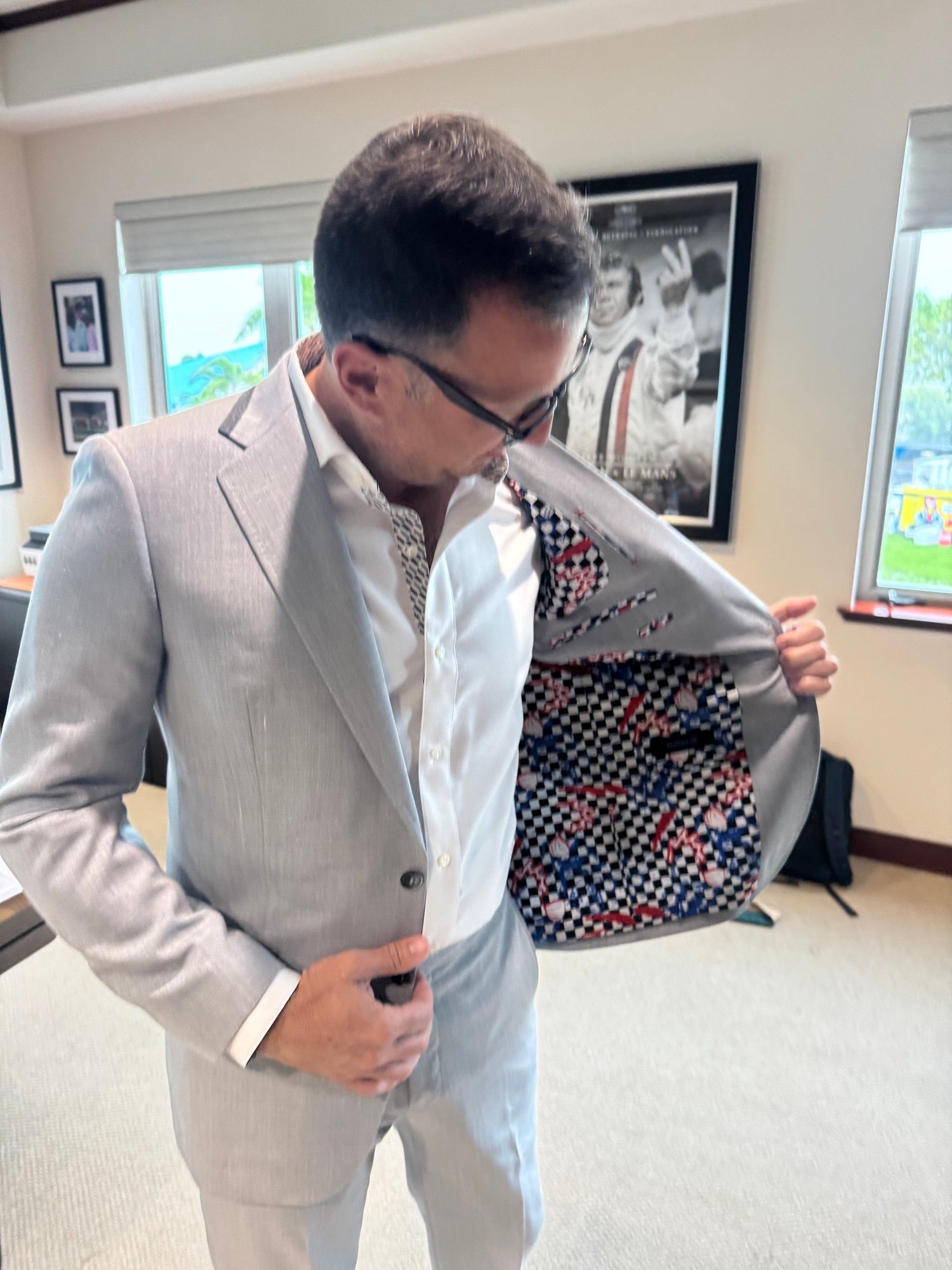
This is the most common big-city format: mixed seating, passed drinks, a golden-hour start. Wear a soft jacket in a mid or light tone over tailored trousers, an open-collar shirt, and loafers. A hopsack or high-twist wool jacket in navy or mid-blue balances the urban setting with evening-appropriate depth. If the invitation says cocktail attire, add the knit tie and a crisp white or cream shirt.
The Beach Cookout or Sandside Party
Barefoot-adjacent settings want open weaves and casual structure. A linen shirt with tailored shorts or light trousers, or an unlined linen jacket over a tee, works. Colors should sit in the sand, sky and sea family. Leather sandals or woven shoes are acceptable when the event is explicitly on sand. Protect the look from wind and salt by choosing fabrics that move gracefully; rigid collars and structured shoulders fight the environment. The beach wedding attire guide for grooms covers the neighboring event if your weekend includes one.
The Private Dining Room Dinner
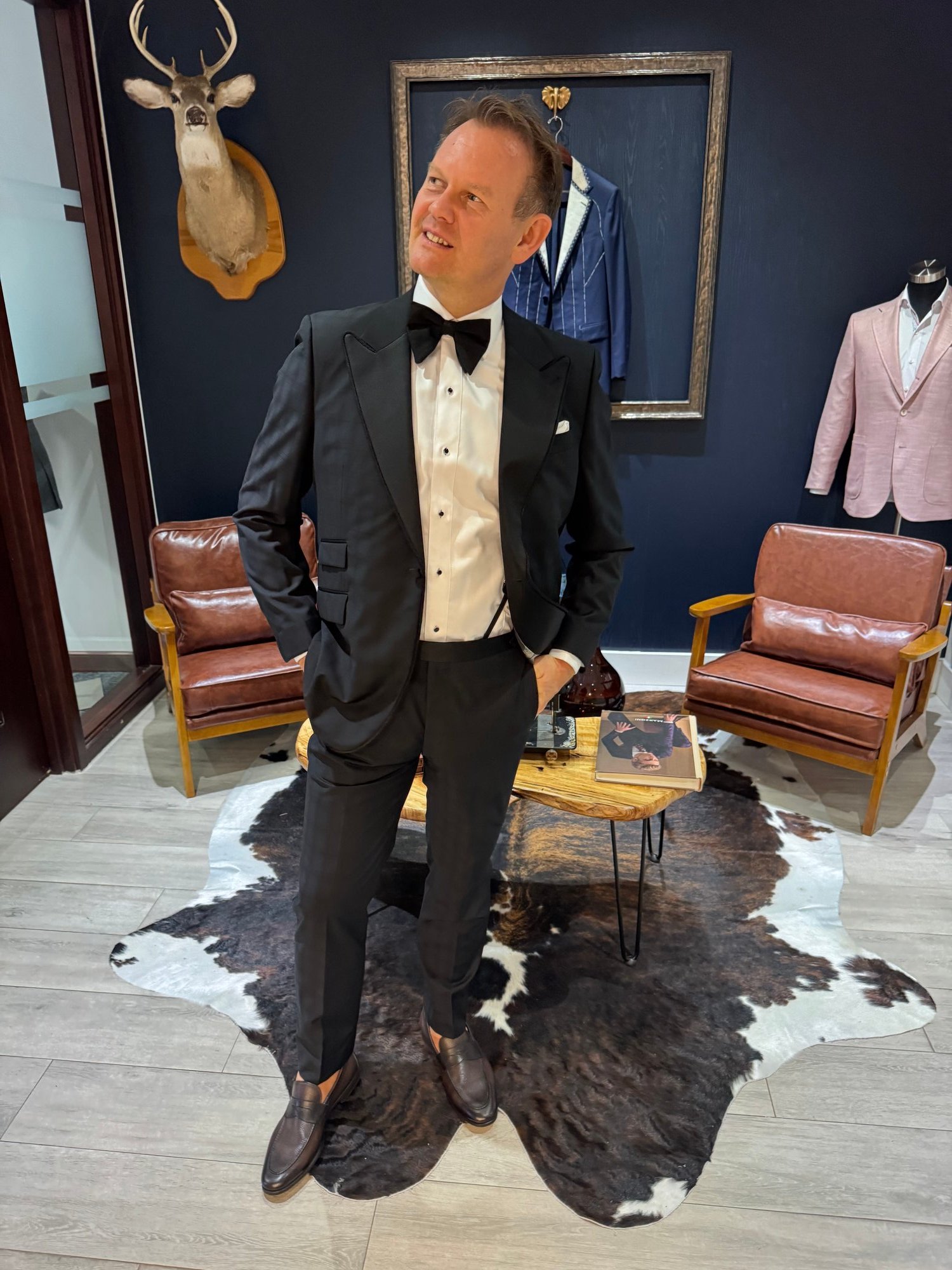
A sit-down welcome dinner in a restaurant private room is the dressiest common format. Wear a suit, or at minimum a structured jacket with proper trousers and a collared shirt. Darker tones and finer weaves fit the indoor evening light. This is the one format where a tie is rarely wrong. If the wedding is black tie, keep the welcome dinner a step down: a dark business-appropriate suit in navy or grey, not a dinner jacket, reserving formalwear for the ceremony itself as explained in the black tie wedding attire guide.
The Poolside or Backyard Casual Party
Genuinely informal formats reward precision in casual clothes. A fine-gauge knit polo or a well-cut short-sleeve camp collar shirt, tailored trousers or refined shorts, and loafers or clean leather sandals hit the mark. The differentiator is fit and grooming: pressed clothing, clean shoes, a fresh collar shape. Casual does not mean improvised; it means the casual pieces were chosen with the same care as a jacket.
The Destination Wedding Packing Plan
Welcome parties rarely travel alone. If you are attending a full destination weekend, plan the wardrobe as one coordinated set rather than isolated outfits. A practical five-piece core: one soft or unstructured jacket, one light suit, two tailored trousers, and four shirts that each work with multiple bottoms. That core covers welcome party, rehearsal dinner, daytime events and even the ceremony itself for guests, with accessories adjusting formality up or down.
Three packing rules protect the plan. First, choose a tonal family so every item pairs; a light grey and cream family, or a blue and sand family, covers most warm destinations. Second, favor fabrics that forgive travel; high-twist wools and linen blends shake out wrinkles faster than smooth, dense suitings. Third, pack shoes you have already worn for hours, and add a shoe tree or tissue paper to hold their shape midweek.
Guests often underestimate how much standing and walking a destination weekend involves: airport to hotel to terrace to dinner. Trousers with a little stretch or a comfortable rise, shirts with collars that hold shape in humidity, and a garment bag for the dressier pieces are the small investments that keep the weekend effortless. If your existing wardrobe was built for northern offices and winters, it will fight a tropical weekend; the linen suit guide explains how to make the switch.
Common Welcome Party Outfit Mistakes
The errors repeat at every wedding weekend. Wearing ceremony-level formality, such as a dark pinstripe suit with a silk tie, makes the welcome party feel like a preview of the wedding and leaves nothing for the actual day. Wearing a groomsman's exact wedding-day look before the wedding spoils the reveal. Choosing dress shoes with slick leather soles for a lawn or beach event leads to ruined heels and a cautious walk all night. Packing only one jacket and wearing it to every event makes the photo album monotonous, a problem solved by a second light jacket. Ignoring the couple's stated palette, when the website asks for certain colors, creates clash in every group photo. And treating the event as optional in effort, with a wrinkled shirt straight from the suitcase, is noticed quickly by the hosts who funded the evening.
One subtler mistake is over-fitting the weather. A welcome party may start at 6 PM at 85 degrees but end at 10 PM with ocean wind. A jacket or a layerable knit solves the swing; a sleeveless outfit does not. Check the sunset temperature, not the afternoon high, before finalizing sleeves and layers.
How Bespoke By CB Can Help
Wedding weekend wardrobes are exactly the kind of planning problem Bespoke By CB solves best. As a Miami-based custom clothing house, Bespoke By CB designs garments around real event schedules: which piece serves the welcome party, which serves the rehearsal dinner, which serves the ceremony, and how each photographs differently so no two events look identical. Instead of buying three disconnected outfits, clients build a coordinated set where jackets, trousers and shirts mix across the entire weekend.
Every garment is made to your measurements, which matters most in the settings welcome parties create: standing, hugging, toasting and posing in evening light. Fabric consultation is a core part of the process, and Bespoke By CB's South Florida climate expertise means the recommendations lean toward the breathable weaves, open constructions and lighter canvassing that keep a man comfortable from arrival toast to last song. Custom suits start at $1,299, custom sport coats and dinner jackets start at $1,199, and custom shirts start at $240, which makes a full weekend wardrobe a realistic investment rather than an aspirational one.
Bespoke By CB also works with grooms and their parties as a group, coordinating welcome party looks, rehearsal dinner outfits and wedding day garments so fathers, brothers and groomsmen appear polished together while each staying individual. For destination guests flying in, the team plans travel-friendly fabrics and guides care so garments arrive ready to wear. Whether you are the groom planning the whole weekend or a guest wanting one reliable jacket, the consultation covers fit, fabric and the event calendar together, so nothing is left to guesswork.
FAQ
What should a man wear to a wedding welcome party?
Most men are well served by an unstructured jacket or a light suit in a breathable fabric, worn with tailored trousers, an open-collar shirt and loafers. Match the depth of color to the start time and venue: lighter tones for early outdoor events, navy or grey for indoor evening dinners. Stay one level below the wedding's formality so the ceremony remains the visual peak of the weekend.
Is a suit too formal for a welcome party?
A structured dark suit with a silk tie usually is, but a soft-shouldered suit in linen, hopsack or high-twist wool, worn open-collar or with a knit tie, fits well. The suit's cloth and styling determine whether it reads relaxed or corporate. When the invitation says cocktail attire or the venue is a restaurant, a suit is the right call.
What is the difference between welcome party attire and rehearsal dinner attire?
Welcome parties are typically larger, earlier-in-the-weekend gatherings for all guests, and lean more casual. Rehearsal dinners are usually smaller wedding-party and family events that run slightly dressier. If your weekend includes both, plan the welcome party softer and lighter, and hold the more structured jacket or tie for the rehearsal dinner.
What should the groom wear to his own welcome party?
The groom should look intentional and distinct from his guests while previewing nothing from the ceremony. A light or tonal unstructured suit, or a cream, grey or soft blue jacket over tonal trousers, sets him apart gently. Choose breathable fabrics and broken-in shoes because he will stand, host and be photographed the longest of anyone.
What shoes work best for an outdoor welcome party?
Unlined loafers in suede or calf with a rubber or wedge sole handle terraces, lawns and patios comfortably. Woven leather shoes or refined sandals suit beach formats, while leather-soled oxfords should stay with indoor dinners. Whatever the style, wear shoes that have already been broken in, since welcome parties involve hours of standing.
How do I dress for a welcome party in hot weather?
Choose open weaves such as linen, linen-wool blends, hopsack and high-twist wool, in light colors that reflect evening light. Skip the tie unless the dress code asks, and prioritize shirts with collars that hold shape in humidity. Check the temperature at sunset rather than the afternoon high, and bring a layerable jacket or knit for the wind that follows.
Can I wear jeans to a welcome party?
Only when the invitation frames the event as clearly casual, such as a backyard cookout, and even then, dark unwashed denim dressed up with a sport coat, a tucked knit or button-down and suede loafers is the version that works. A private dining room or rooftop cocktail format calls for trousers instead.
How many outfits do I need for a destination wedding weekend?
Plan for each distinct event: welcome party, rehearsal dinner, any daytime group activity and the ceremony, plus travel days. A coordinated core of one soft jacket, one light suit, two tailored trousers and four versatile shirts covers most weekends with accessories shifting the formality, which is exactly how Bespoke By CB builds wedding weekend wardrobes.