A beautiful silk suit begins long before the first fitting. It begins with deciding how the cloth should move, how much light it should catch and what kind of presence the finished garment should have. The challenge is not simply finding a luxurious fabric. It is turning that fabric into a suit that feels natural on the person wearing it.
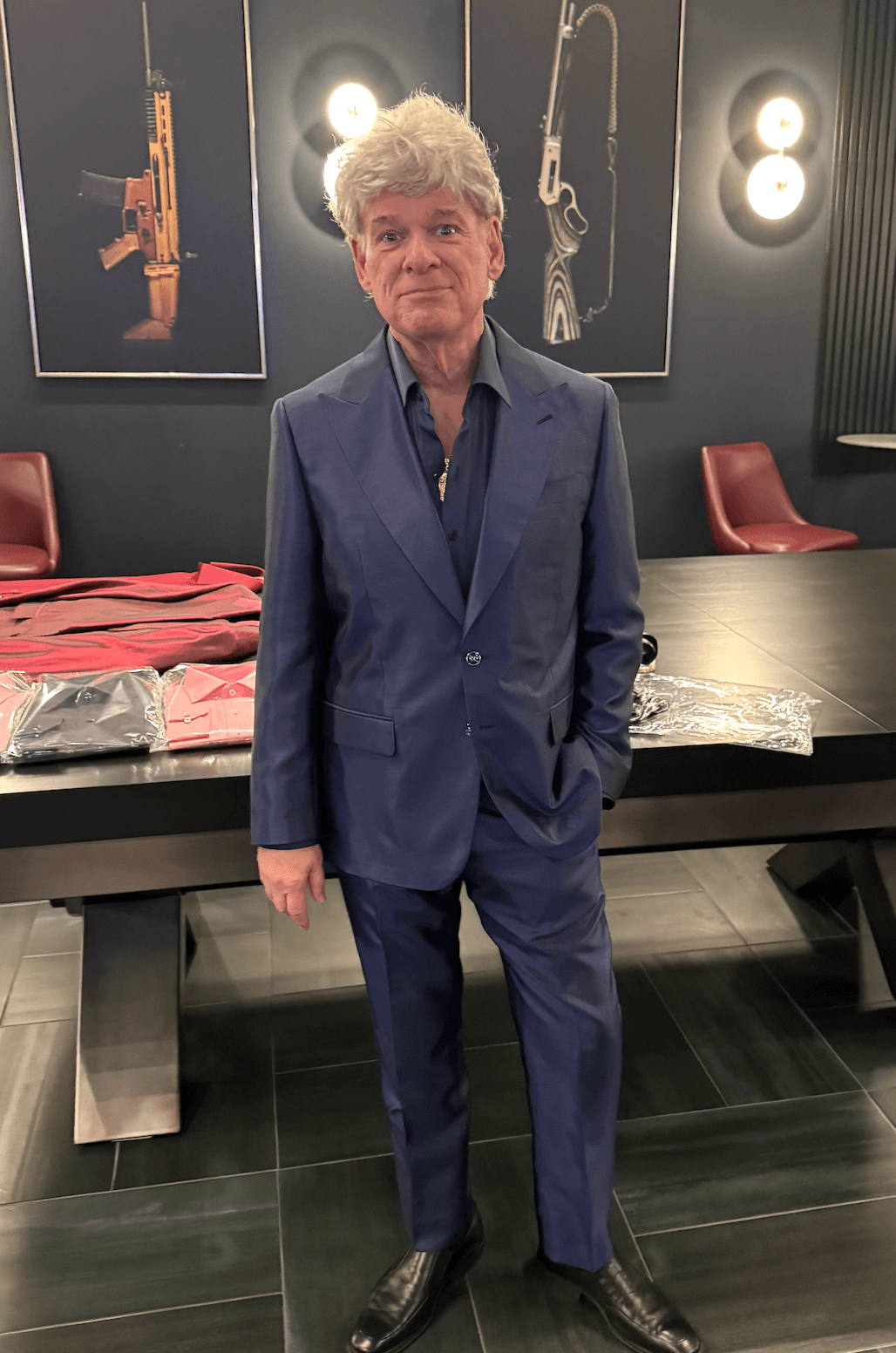
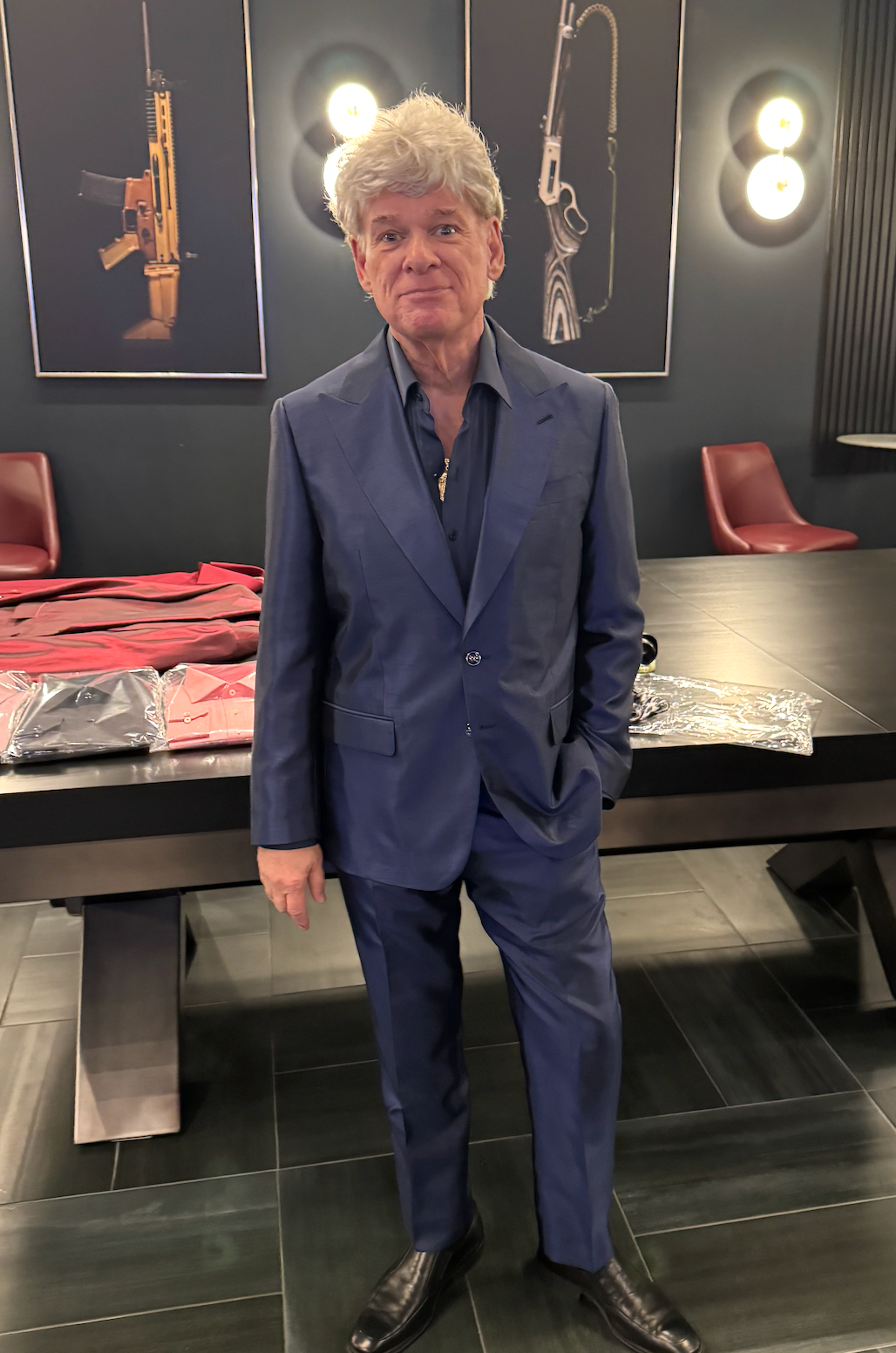
The blue silk suit pictured here makes that idea tangible. Worn with a darker blue silk shirt and an open collar, it has a tonal simplicity that lets the material and silhouette take center stage. The shirt supports the look, but the suit is the story: the shape of the jacket, the line of the lapels and the way the trousers complete the outfit.
At Bespoke By CB, a conversation about a custom suit starts with the person and the purpose. Silk adds another layer to that conversation because the fiber name alone does not tell you how a particular cloth will behave. Making a successful silk suit means bringing fabric selection, design and fitting into the same discussion.
What Makes Silk Different as a Suit Fabric?
Silk is a natural filament fiber, and many silk fabrics have a distinctive luster. That does not mean every silk suit is glossy. The yarn, weave, finishing and color all influence the surface. One cloth may have an almost liquid appearance, while another has texture and a quieter glow.
That range is important when commissioning a suit. Someone imagining a restrained evening outfit may want a very different fabric from someone picturing a bold celebration suit. Both can be drawn to silk, but the cloth has to match the intended result rather than the general idea of luxury.
Silk also should not be treated as a single performance category. Different silk fabrics vary in firmness, transparency, crease behavior and resistance to abrasion. A fabric that makes a lovely shirt may not be suitable for tailored trousers. Before making a silk suit, the first practical question is whether the selected cloth is intended for suiting.
At Bespoke By CB, the useful starting point is the actual swatch. Look at it, handle it and discuss what it will be asked to do. A photograph can suggest a direction, but it cannot replace evaluating the cloth in person.
Step 1: Define the Suit's Purpose
Start with where the suit will be worn. An evening reception, a milestone dinner and a creative professional event can all invite a silk suit, but each creates different expectations. Consider the venue, the dress code, how much time will be spent sitting and whether the outfit needs to work in daylight as well as indoors.
Frequency matters too. A special-occasion suit can prioritize a distinctive appearance in a way that an everyday business suit may not. If the garment must withstand frequent commuting, repeated travel or long hours of wear, discuss those demands before choosing a delicate or particularly lustrous cloth.
For Miami clients, climate is another part of the brief. Air-conditioned interiors and an outdoor afternoon in humid weather are very different settings. Silk is not an automatic guarantee of a cool suit. Fabric weight, weave, lining, construction and fit all affect how the finished garment feels.
A clear brief might be as simple as: a blue two-piece suit for indoor evening events, with enough ease to sit comfortably and a finish that looks rich rather than theatrical. That gives the tailoring decisions a shared direction.
Step 2: Choose Silk Cloth That Can Become a Suit
Suiting Is Not the Same as Shirting
The silk shirt in the photograph belongs to the same outfit, but it serves a different purpose. A shirt needs to work comfortably against the body and beneath the jacket. A jacket has to support a lapel, a collar and a shaped front. Trousers face repeated movement and friction at the seat and thighs.
That is why choosing a beautiful silk shirt fabric does not automatically solve the suit fabric question. Ask specifically about suitability for a jacket and matching trousers. Think about the complete garment rather than judging a swatch only by softness.
Clarify Composition Before Comparing Options
A silk suit and a wool-silk blend are not interchangeable descriptions. Silk blends can be excellent tailoring choices, but the composition should be explicit. Different fibers are combined for different reasons, and the balance changes the character of the cloth.
If you want a pure silk option, say so during the consultation and confirm the composition of the available fabric. If your priority is a particular appearance or feel, compare suitable pure silk and blended options without assuming they will perform identically.
Evaluate Color and Surface Together
Blue is a useful starting point because it can carry richness without relying on an unusual color. Yet the same blue can look dramatically different in matte, textured and highly lustrous cloth. Examine the swatch under more than one kind of light when possible.
Also consider how much visual movement you want. If the fabric already has a pronounced surface, a simple design can give that surface room to work. If the cloth is quieter, shape and proportion can provide more of the suit's personality.
Step 3: Design the Jacket Around the Fabric
The jacket should not feel like a collection of competing details. In a silk suit, the fabric is already doing some of the expressive work. A coherent silhouette helps it look intentional.
Start with the shoulder, jacket length and waist shape. These establish the outline before pocket style or button choice enters the conversation. A shoulder that suits the wearer's build and a jacket that balances the torso create a foundation the cloth can follow.
Lapels deserve particular attention because they frame the shirt and face. Their width should relate to the jacket, the wearer and the desired character of the suit. Rather than choosing a fashionable measurement in isolation, look at the whole front of the garment.
The photograph offers a useful example of restraint: blue jacket, matching trousers, tonal shirt and dark shoes. There is no need for a loud pattern or several statement accessories. The shape and surface provide enough interest on their own.
At Bespoke By CB, references like this help explain a preference. They are a starting point for discussing proportion, not a reason to copy every visible detail regardless of the next client's build or lifestyle.
Step 4: Plan the Structure Beneath the Silk
Making a silk suit is not only about the outer fabric. The internal materials and construction help determine how the jacket hangs, how the front retains shape and how the garment moves.
The appropriate level of support depends on the selected cloth and the intended silhouette. A very soft result and a more defined jacket do not ask the same thing of the internal construction. Discuss the available construction options in relation to the fabric rather than assuming one method is automatically right for every silk suit.
Lining is another design decision with practical consequences. It affects how the jacket slides over a shirt, how the inside is finished and how the garment feels in use. Less lining does not guarantee greater comfort in every situation, and more lining does not necessarily create a stiff jacket. The whole combination matters.
Pockets, buttonholes and edges also need to work with the cloth. Fine fabrics can reveal imprecise handling, and a lustrous surface can draw attention to an uneven finish. Careful preparation and appropriate sewing and pressing methods are part of the result, even though they are less visible than lapel shape.
Step 5: Cut and Handle the Cloth Carefully
Before fabric becomes a suit, it has to be laid out and cut with attention to its grain and surface. If a cloth has a directional appearance, inconsistent orientation can make panels appear different under light. Cutting decisions should account for the actual material rather than treating silk as a generic category.
Handling matters throughout construction. Some silk fabrics can show needle marks, snag or develop surface changes from unsuitable heat and pressure. Suitable needles, seam handling and pressing methods should be established for the cloth, with testing where appropriate.
For a client, the takeaway is not that you need to become a tailor. It is that making a silk suit involves more than selecting measurements and choosing a button. Material-sensitive work is part of turning a promising fabric into a polished garment.
Step 6: Give the Trousers Equal Attention
A silk suit is still a suit, not a striking jacket with trousers as an afterthought. The rise, seat, thigh and leg line all influence how the outfit reads and how comfortably it can be worn.
Too little ease can create tension and horizontal pulling. Excess fabric can interrupt a clean silhouette. The goal is not the narrowest possible trouser. It is a balanced line with enough room for sitting and movement.
Length should be assessed with the intended shoes. A small change in the break can shift the outfit from crisp to relaxed, and fabric may behave differently while standing and walking. Bring the shoes you expect to wear so that the discussion is grounded in the complete look.
Talk about practical use as well. If you habitually carry a phone, keys or a bulky wallet, consider how that affects the trouser line. Fine clothing looks better when it is not asked to function as luggage. Keeping pockets lightly loaded is a simple way to preserve the intended silhouette.
Step 7: Refine the Fit in Motion
Fit should be assessed beyond a single front-facing pose. With any custom suit, look at the collar, shoulder line, jacket front, sleeves and trousers. With a fabric that reflects light, areas of tension may become especially noticeable.
Button the jacket as intended and check whether the front closes comfortably. Sit down, stand up and move your arms naturally. A fitting is an opportunity to describe how the garment feels, not only whether it looks trim in a mirror.
Wear the shirt intended for the outfit when possible. A silk shirt and a heavier cotton shirt can feel different beneath the same jacket, and collar shape affects the neckline. If you plan to wear the suit open at the neck, assess that version rather than evaluating it only with a tie.
At Bespoke By CB, the purpose of the fitting conversation is to connect appearance with actual use. A suit that looks impressive while standing still should also feel considered when you walk into dinner, take a seat and spend an evening wearing it.
Styling the Finished Silk Suit
The darker blue silk shirt in the photograph creates a tonal look without making the suit and shirt disappear into one another. The difference in shade gives the neckline definition, while the open collar keeps the outfit relaxed.
That is one way to style a silk suit, not a requirement. A restrained cotton shirt can provide contrast and make the outfit feel more familiar. A tie can change the mood again, provided its texture and color complement the cloth rather than compete with it.
Keep footwear and accessories deliberate. Polished dark shoes can anchor a rich blue outfit. If the suit already has a noticeable sheen, a quieter pocket square or no pocket square at all may be enough. There is no obligation to add every traditional accessory.
Dress codes still apply. A silk business or evening suit is not automatically a tuxedo because the fabric looks luxurious. For an event requiring black tie, choose appropriate tuxedo formalwear rather than assuming silk changes the category of the garment.
For more on the supporting piece, explore our custom silk shirt guide. The focus here remains the suit: choose the shirt to complete its proportions and mood.
Caring for a Custom Silk Suit
Care should follow the specific garment label and the maker's advice. Do not assume that a method suitable for a washable silk shirt is safe for a structured silk jacket. The outer cloth, lining and internal materials all need consideration.
Use a supportive jacket hanger, allow the suit to air after wearing and store it away from prolonged direct sunlight. Give the trousers appropriate support as well. Letting the garment rest between outings is more sensible than repeatedly compressing it into a crowded wardrobe.
Avoid rubbing a spill or experimenting with household stain treatments on a visible area. A qualified cleaner familiar with silk and tailored clothing is a better starting point. Direct ironing and aggressive steaming can also cause problems on sensitive surfaces, so seek garment-specific guidance before trying to remove a mark or crease yourself.
Making Your Silk Suit with Bespoke By CB
The most useful first step is a conversation with Christian Boehm and the Bespoke By CB team about what you want the suit to achieve. Bring a reference, explain the occasion and discuss how often you expect to wear it. Then evaluate fabric suitability, design, construction options and fitting needs together.
A photograph like this one can communicate color, attitude and an appealing tonal combination. The next step is translating those ideas into a suit that belongs to you, with the right proportions for your body and realistic expectations for the chosen cloth.
Fabric availability and a silk suit's price need to be confirmed for the actual commission. Do not assume that a standard suit starting price applies to a particular silk selection. Ask for a quote and a timeline based on the cloth, design and event date.
Explore custom suits at Bespoke By CB, consider a coordinating custom shirt, or book a consultation to discuss making a silk suit with the right balance of character, comfort and finish.
Frequently Asked Questions About Making a Silk Suit
Can a suit be made from silk?
Yes, provided the selected fabric is appropriate for tailoring and the intended use. A cloth suitable for a fluid shirt may not have the properties needed for a jacket and matching trousers. Evaluate the specific fabric, construction requirements and likely wear before committing.
Is a silk suit always shiny?
No. Silk's appearance depends on the yarn, weave, finishing and color. Some fabrics have pronounced luster, while others are textured or comparatively subdued. Inspecting a swatch in different light is more useful than assuming all silk will look like satin.
Is pure silk better than a silk blend for a suit?
Neither is universally better. Pure silk and blends offer different possibilities, and suitability depends on the actual cloth and intended wear. Confirm the fiber composition and discuss drape, surface, crease behavior and durability rather than choosing by a luxury label alone.
Can I wear a silk shirt with a silk suit?
Yes. The blue suit and darker blue silk shirt pictured here show a tonal approach. Keep color, texture and accessories controlled so that the fabrics work together. You can also choose a cotton shirt when you want more contrast or a quieter overall finish.
Is a silk suit suitable for Miami weather?
It can be suitable for some occasions, but silk content alone does not establish warm-weather comfort. Weight, weave, lining, construction, fit and the venue all matter. Tell your consultant whether the event is indoors, outdoors or a combination before selecting the cloth.
How much does a custom silk suit cost?
The price depends on the specific fabric, its availability, the design and the construction offered. Request a quote for the actual selection rather than applying a general custom-suit starting price to silk. A photograph does not establish either the fabric specification or the price.
What should I bring to a silk suit consultation?
Bring reference photographs, the event date and any dress-code instructions. Explain how often you plan to wear the suit and what you like about the reference. The intended shirt and shoes are useful at fittings because they affect the neckline, sleeve relationship and trouser length.
Does a silk suit count as black tie?
Not by itself. Black tie describes a formal dress code, not simply an expensive or lustrous fabric. A conventional silk suit does not replace a tuxedo just because it looks dressy. Discuss the actual invitation before choosing between a suit and formal eveningwear.