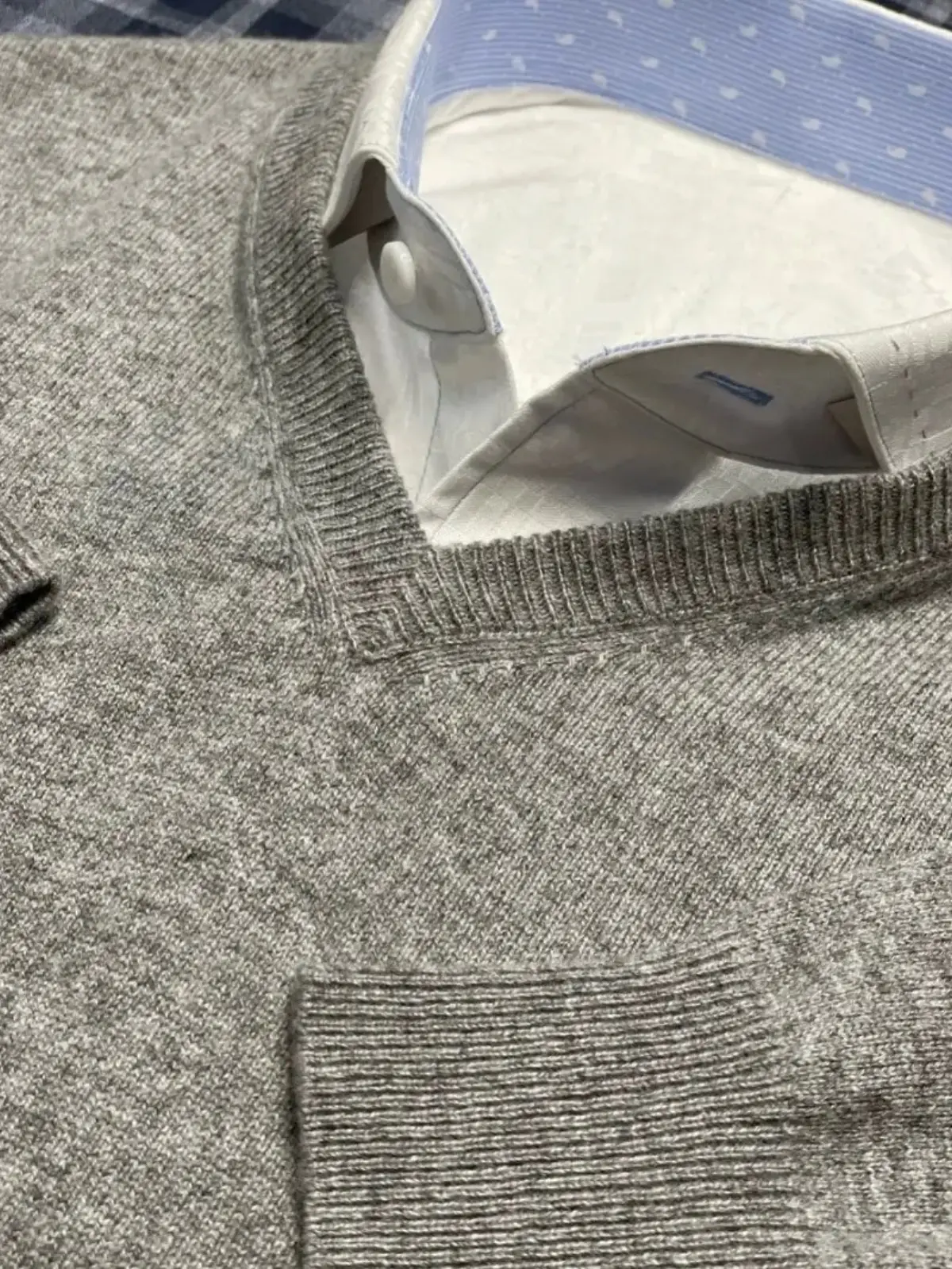
Custom Shirts for Fall: Flannel, Oxford, and Twill Explained
Fall in Miami does not bring the dramatic temperature drops you see up north, but the shift is real. The humidity breaks. The evenings cool down. And suddenly, the lightweight linens and breezy poplins that got you through summer start feeling a little thin. That is when your shirt game needs to change.
At Bespoke By CB, we help Miami gentlemen build wardrobes that transition with the seasons. Fall shirting is one of the most overlooked areas of menswear. Most guys own summer shirts and winter shirts but have nothing in between. The gap between "too hot" and "too cold" is where the best shirts live. Let us walk through the fabrics, weights, colors, and collar styles that define a great fall shirt rotation, and why custom shirts are the only way to get this right.
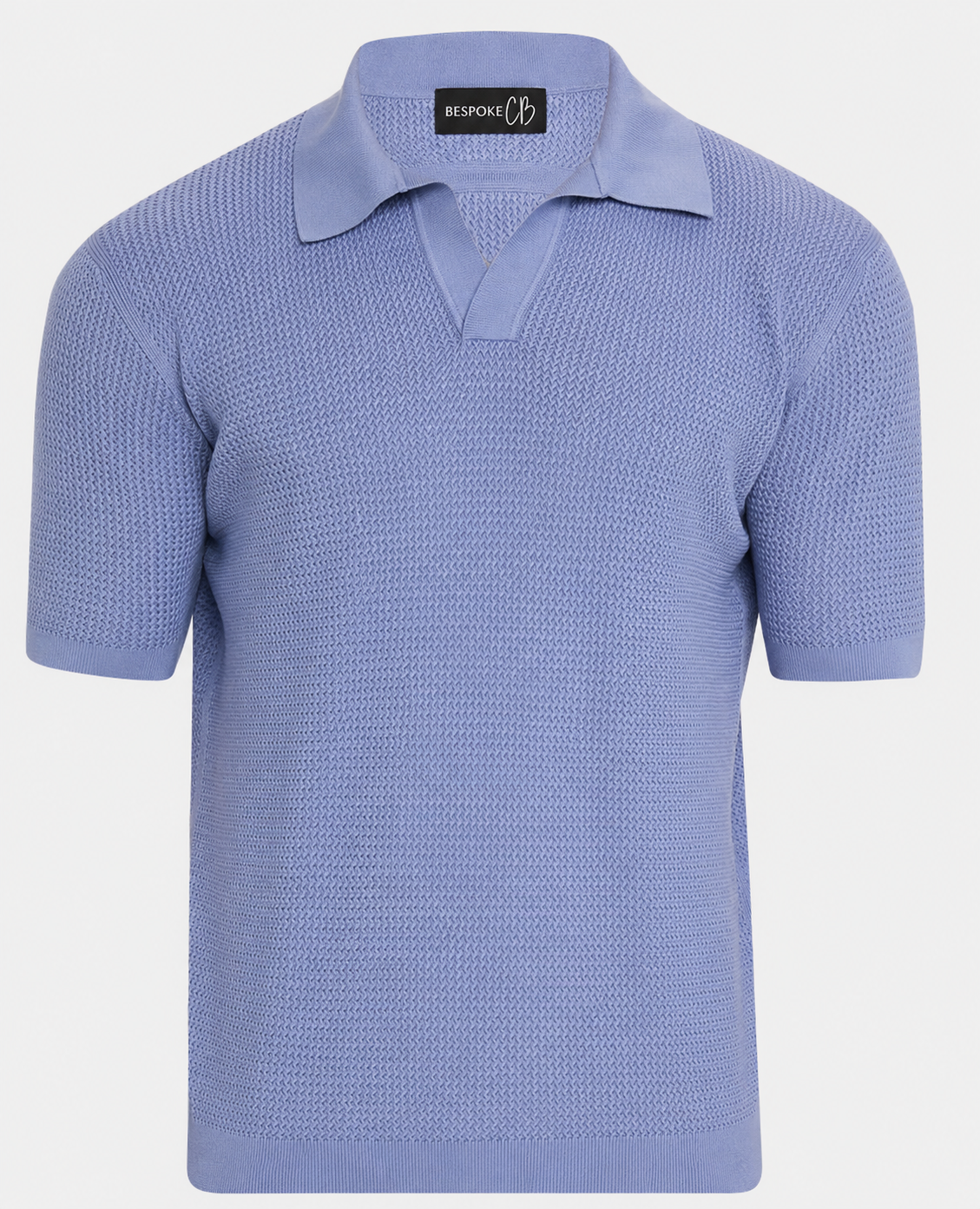
Why Fall Shirts Deserve Their Own Category
Summer shirts prioritize breathability above all else. Winter shirts prioritize warmth. Fall shirts need to do both. A good fall shirt breathes during a warm afternoon but holds enough body heat to keep you comfortable when the sun drops and the breeze picks up.
That balance comes down to three things: fabric weave, fabric weight, and collar construction. Get those right and you have a shirt that works from a 78-degree lunch meeting to a 68-degree evening on the terrace. Get them wrong and you are either sweating through dinner or shivering through brunch.
The other reason fall shirts matter is texture. Summer shirts are smooth and crisp. Fall shirts have texture. You can see it and feel it. That texture adds visual depth to an outfit, which is exactly what you want when layering starts in October and November.
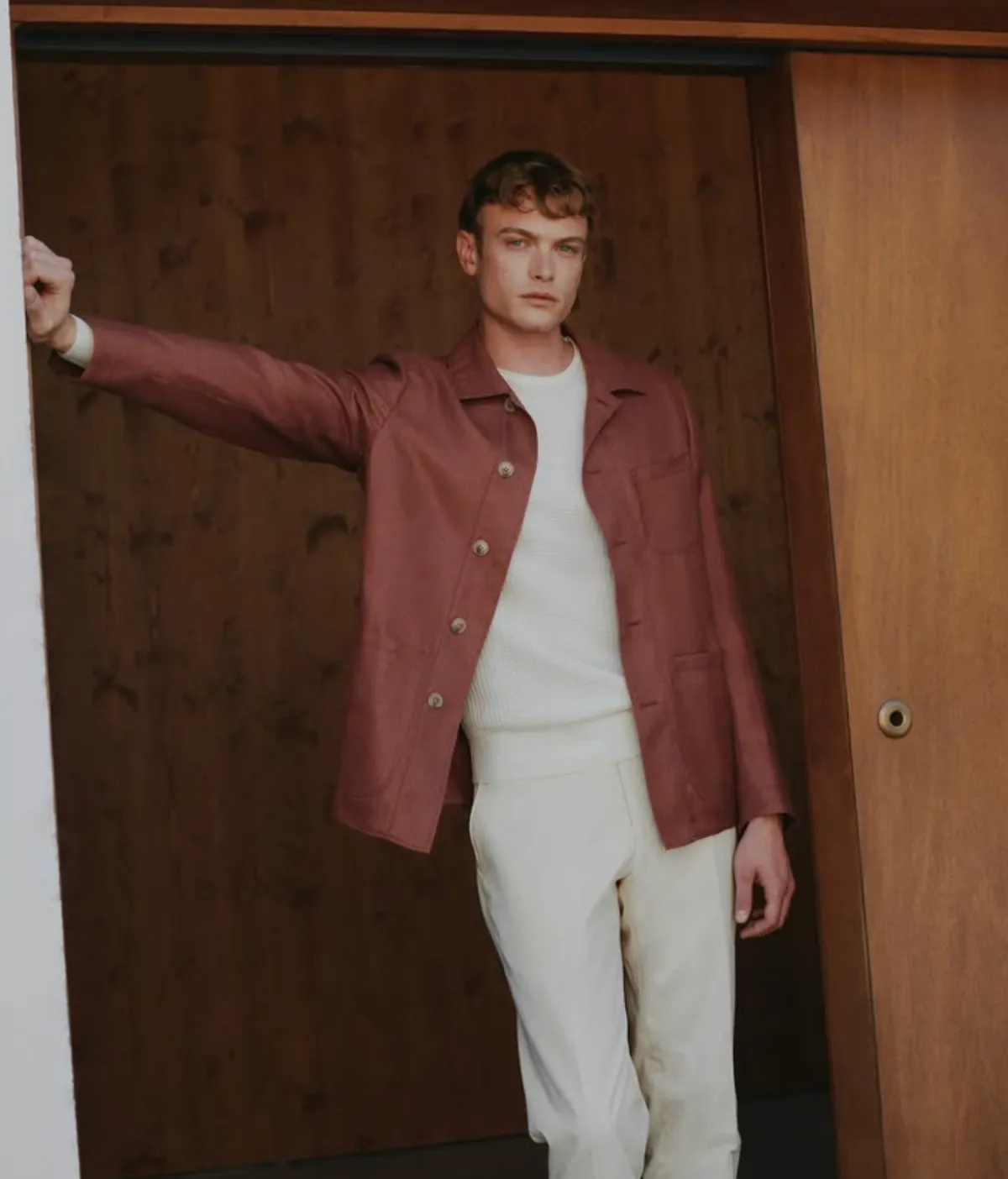
The Key Fall Shirting Fabrics
Flannel and Brushed Cotton
Flannel is the defining fabric of fall. It is a brushed cotton with a soft, slightly fuzzy surface that traps a thin layer of air against the skin. That trapped air is what gives flannel its warmth without bulk. A good flannel shirt feels like a favorite broken-in shirt from day one.
Brushed cotton is a close cousin. It uses the same brushing technique but with a lighter touch. Think of it as flannel's warmer-weather sibling. For Miami falls, where daytime temperatures can still hit the low 80s, brushed cotton is often the smarter choice. You get the softness and texture of flannel without the extra insulation.
Flannel weights typically range from 6 to 8 ounces per square yard. That is roughly double the weight of a summer poplin. If you are building a fall rotation, start with two flannel shirts in different patterns: one solid or heathered, one in a subtle check or tattersall. That gives you a textured option for both casual and smart-casual occasions.
Oxford Cloth
Oxford cloth is the most versatile shirt fabric in menswear, and it shines in fall. The weave uses a slightly heavier yarn in a basket pattern, which gives oxford its characteristic pebbly texture. It is not as soft as flannel, but it has a crispness that looks sharp under a sport coat or worn open-collar with chinos.
Oxford cloth button-down shirts, or OCBDs, are the backbone of American menswear. They work in almost any setting. A white oxford under a navy blazer is as timeless as it gets. A light blue oxford with khakis reads professional without trying too hard. And in fall, the added weight of oxford cloth compared to poplin gives you just enough warmth for cooler mornings.
Standard oxford cloth runs around 5 to 6 ounces per square yard. It is not a heavy fabric, but the tight basket weave holds structure well. That structure is why oxford shirts look neat all day, even after hours of wear. If you want one fall shirt that can go from the office to dinner to a weekend event without missing a beat, start with an oxford.
Twill
Twill is a diagonal weave that creates a visible ribbed pattern on the fabric surface. It is denser than poplin or oxford, which makes it heavier, more durable, and naturally wrinkle-resistant. A twill shirt has a subtle sheen that reads dressier than oxford but less formal than a broadcloth dress shirt.
For fall, twill is outstanding. The diagonal weave creates tiny channels in the fabric that trap warmth while still allowing airflow. A twill shirt at 6 to 7 ounces feels substantial without being heavy. It drapes beautifully, which is especially important for custom shirts where fit is the whole point.
Twill comes in several variations. Royal twill has a finer, more regular diagonal line. Herringbone twill breaks the diagonal into a zigzag pattern that adds visual interest. Cavalry twill is heavier and more structured, originally designed for military uniforms. For a fall shirt rotation, a herringbone twill in a mid-blue or olive is a distinctive choice that most men do not own but should.
Poplin vs. Twill for Fall
Poplin is a plain-weave fabric that is smooth, flat, and lightweight. It is a summer staple. But some clients ask whether they can keep wearing poplin into fall. The short answer is yes, with caveats.
Poplin in a heavier weight, sometimes called "fall poplin," can work in October and November. But it will never give you the warmth or texture of twill. If you are choosing between the two for a fall shirt, twill wins on every count. It is warmer, more interesting visually, more wrinkle-resistant, and more appropriate for the season.
The one exception is formal wear. If you need a dress shirt for an evening event in fall, a white poplin still works. But for everyday fall shirting, put the poplins away and reach for twill.
Chambray
Chambray deserves a mention here because it bridges summer and fall beautifully. It is a plain weave like poplin, but it uses a colored warp yarn and a white weft yarn, which gives it a heathered, mottled appearance. The texture is subtle but visible.
Chambray typically runs 4.5 to 6 ounces. At the heavier end, it makes an excellent fall shirt. It has the breathability of a plain weave with enough body to hold warmth. A blue chambray shirt paired with olive chinos and a brown suede belt is a quintessential fall look that works in Miami from October through December.
Where chambray really stands out is aging. A good chambray shirt develops character with every wash. It fades evenly and softens without losing structure. In the custom shirt world, where you are investing in garments built to last, that kind of aging is a feature, not a flaw.
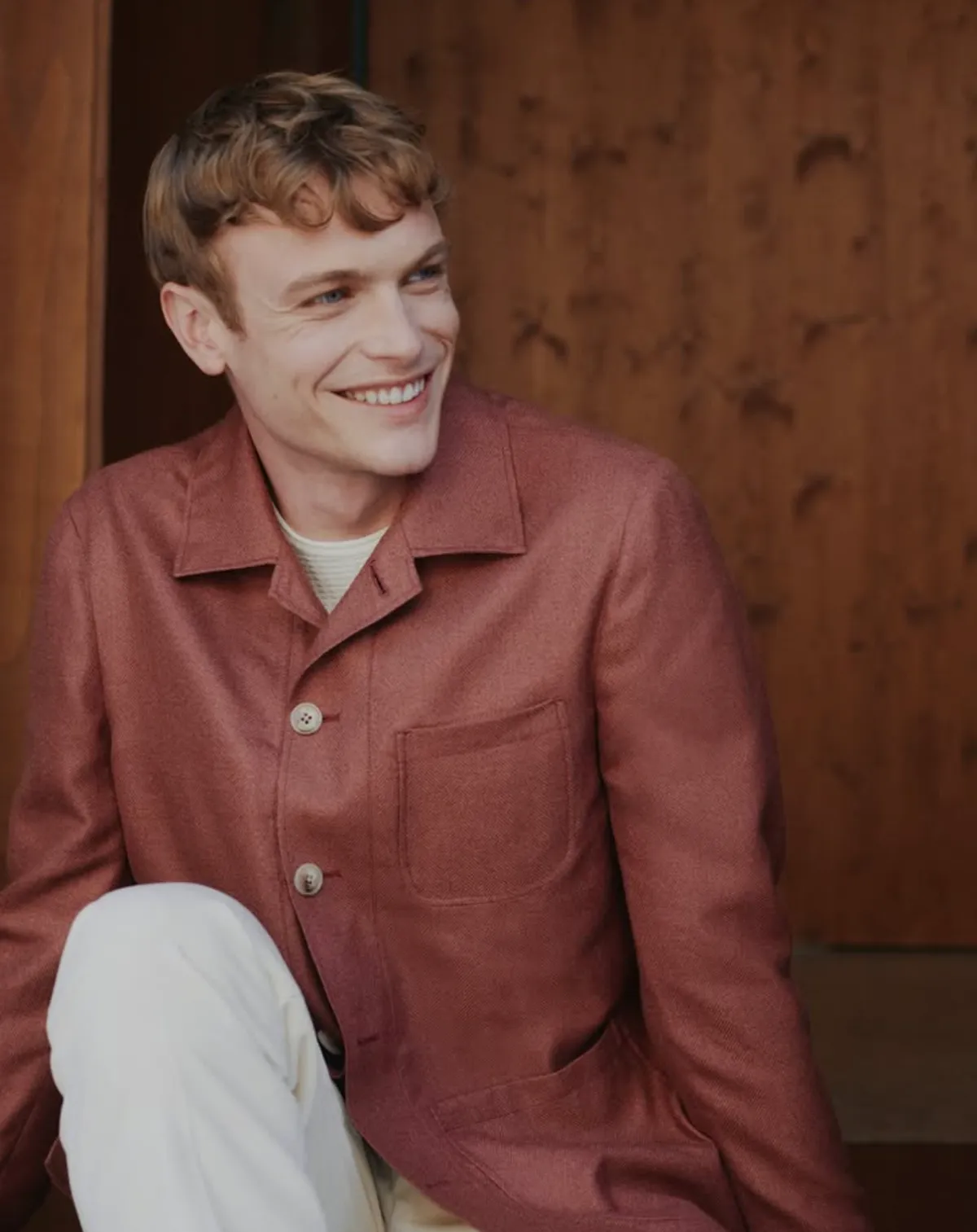
Fabric Weights for Fall: What to Look For
Fabric weight is measured in ounces per square yard (oz/yd²). Here is a quick guide for fall shirting:
- 4 to 5 oz/yd²: Lightweight. Best for early fall or warm Miami afternoons. Poplin, fine oxford, lightweight chambray.
- 5 to 6 oz/yd²: Mid-weight. The sweet spot for fall. Standard oxford cloth, twill, mid-weight chambray, lighter brushed cotton.
- 6 to 8 oz/yd²: Heavyweight. For cooler days and evenings. Flannel, heavy twill, cavalry twill. In Miami, you may only need a couple of shirts in this range.
Most of your fall shirts should sit in that 5 to 6 oz/yd² range. That is heavy enough to add warmth and texture but light enough for a Miami afternoon. Save the heavier weights for evenings, travel, and the rare cold front in January.
Collar Style Considerations for Fall
The collar changes the entire personality of a shirt. In summer, spread collars and cutaway collars look sharp because they frame the open neck area when you are not wearing a tie. In fall, you are more likely to wear a tie, layer under a jacket, or button the shirt up against cooler air. That shifts the collar conversation.
Button-Down Collars
The button-down collar is the classic fall choice. It was designed for oxford cloth, and the two belong together. The buttons hold the collar points in place, which keeps the collar neat under a sweater or sport coat. It is inherently casual but still polished.
For fall, a button-down collar on an oxford or flannel shirt is the most versatile option. It works open-collar, with a knit tie, or fully buttoned under a blazer. If you only own one collar style for fall, make it a button-down.
Spread Collars
Spread collars have a wider opening between the collar points. They are designed to accommodate larger tie knots and read more formal. A spread collar on a twill shirt is an excellent choice for fall business wear. It looks sharp under a suit and handles a tie beautifully.
The risk with spread collars in fall is that they can look too formal for casual settings. If you are wearing the shirt open-collar with chinos on a Saturday, a spread collar can feel stiff. Reserve spread collars for dressier fall shirts in twill or royal oxford.
Collar Height
One detail most men overlook is collar height. In fall, a slightly taller collar is desirable because it covers more of the neck, which adds warmth and looks more substantial. Off-the-rack shirts use a standard collar height that is designed to work for everyone, which means it is ideal for no one. With custom shirts, we set the collar height to your neck and preferences, so the collar sits perfectly whether buttoned or open.
The Fall Shirt Color Palette
Fall colors in menswear lean warm and muted. You are moving away from the bright whites and pastels of summer toward richer, deeper tones. Here is the palette we recommend for fall shirts:
Earth Tones: Olive, rust, camel, tobacco, and warm taupe. These colors define fall. An olive twill shirt or a rust brushed cotton shirt adds immediate seasonal texture to your wardrobe. These pair beautifully with navy, charcoal, and brown trousers.
Warm Whites: Not stark white. Think ivory, cream, and eggshell. A warm white oxford shirt is more flattering in fall than a bright white poplin. The slightly softer tone reads better under the lower angle of fall sunlight and complements the earth tones in the rest of your wardrobe.
Blues: Navy, mid-blue, French blue, and steel blue. Blue is year-round, but in fall you want the deeper shades. A mid-blue twill shirt is one of the most useful shirts you can own. A navy oxford works under any jacket. Steel blue is a sophisticated alternative to light blue that reads more autumnal.
Patterns: Tattersall, mini-checks, and subtle plaids. Fall is the season for patterned shirts. A tattersall check in flannel or a mini-check in twill adds visual interest without being loud. Keep the pattern scale small. Large plaids are for lumberjacks and weekend cabin wear, not a professional wardrobe.
Why Custom Shirts Fit Better Than Off-the-Rack
Everything we have discussed so far, the fabrics, the weights, the collars, the colors, is available off the rack to some degree. You can walk into a department store and buy a flannel shirt. So why go custom?
The answer is fit, and fit is everything.
Off-the-rack shirts are built to a standard set of measurements that represent a statistical average. No actual human being is that average. If the shoulders fit, the waist is too full. If the sleeves are the right length, the collar gaps. If the body is slim enough, the chest is too tight. Every off-the-rack shirt is a compromise.
Custom shirts eliminate compromise. At Bespoke By CB, we measure you precisely and build each shirt to your body. The collar sits flush against your neck. The shoulders align with your actual shoulder points. The sleeves end at the right spot on your wrist. The body follows your torso without excess fabric billowing at the waist. The shirt looks like it was made for you because it was.
Beyond fit, custom shirts let you control every detail. You choose the fabric, the collar style, the cuff style, the placket, the buttons, the monogram. You decide whether you want a back pleat for mobility or a clean back for a slimmer fit. You select the exact collar height and spread. These details seem small individually, but together they create a shirt that is uniquely yours and works perfectly for your wardrobe and your life.
There is also the matter of quality. Custom shirts from a reputable clothier use better fabric, better construction, and better hardware than off-the-rack shirts at any price point. The seams are denser. The buttons are thicker. The collar stays are removable. The fabric is woven by mills that specialize in shirting, not mass-produced for volume. A custom shirt costs more upfront but lasts longer and looks better for the entire time you own it.
Building a Fall Shirt Rotation
A well-planned fall shirt rotation gives you the right shirt for every occasion without redundancy. Here is what we recommend for Miami gentlemen:
The Essentials (5 shirts)
- White oxford cloth button-down: The most versatile shirt in menswear. Works under a blazer, with chinos, or open-collar with jeans.
- Mid-blue twill: Your go-to business shirt for fall. Dressy enough for the office, substantial enough for the season.
- Olive or rust brushed cotton: Your seasonal statement shirt. The color says fall without being costume-y.
- Blue chambray: The bridge between casual and polished. Ages beautifully, pairs with everything.
- Tattersall or mini-check flannel: Pattern adds depth to your rotation. Wear it on weekends or casual Fridays.
The Enhancements (3 more shirts for a full rotation)
- Cream or ivory oxford: A warmer alternative to white that reads more autumnal.
- Navy twill or herringbone: Darker and dressier. Perfect for evening events and dinners.
- Light blue oxford: For warmer fall days when you still want the texture of oxford cloth.
That is eight shirts covering every fall scenario from the office to the weekend to a night out. If you are starting from scratch, begin with the five essentials and add the enhancements over time. Each shirt serves a distinct purpose, and nothing sits in your closet unworn.
Final Thoughts
Fall is the best season for shirting. The fabrics are richer, the colors are deeper, and the textures are more interesting than anything summer offers. But to take full advantage of fall shirting, you need shirts that fit. Off-the-rack shirts in great fabric still look like off-the-rack shirts. Custom shirts in great fabric look like they were made for you, because they were.
If you are ready to build a fall shirt rotation that actually fits, book a consultation with Bespoke By CB. We will measure you, walk you through fabric options, and help you build a wardrobe that transitions seamlessly into the season. Your shirt game should change with the seasons. Now you know how.