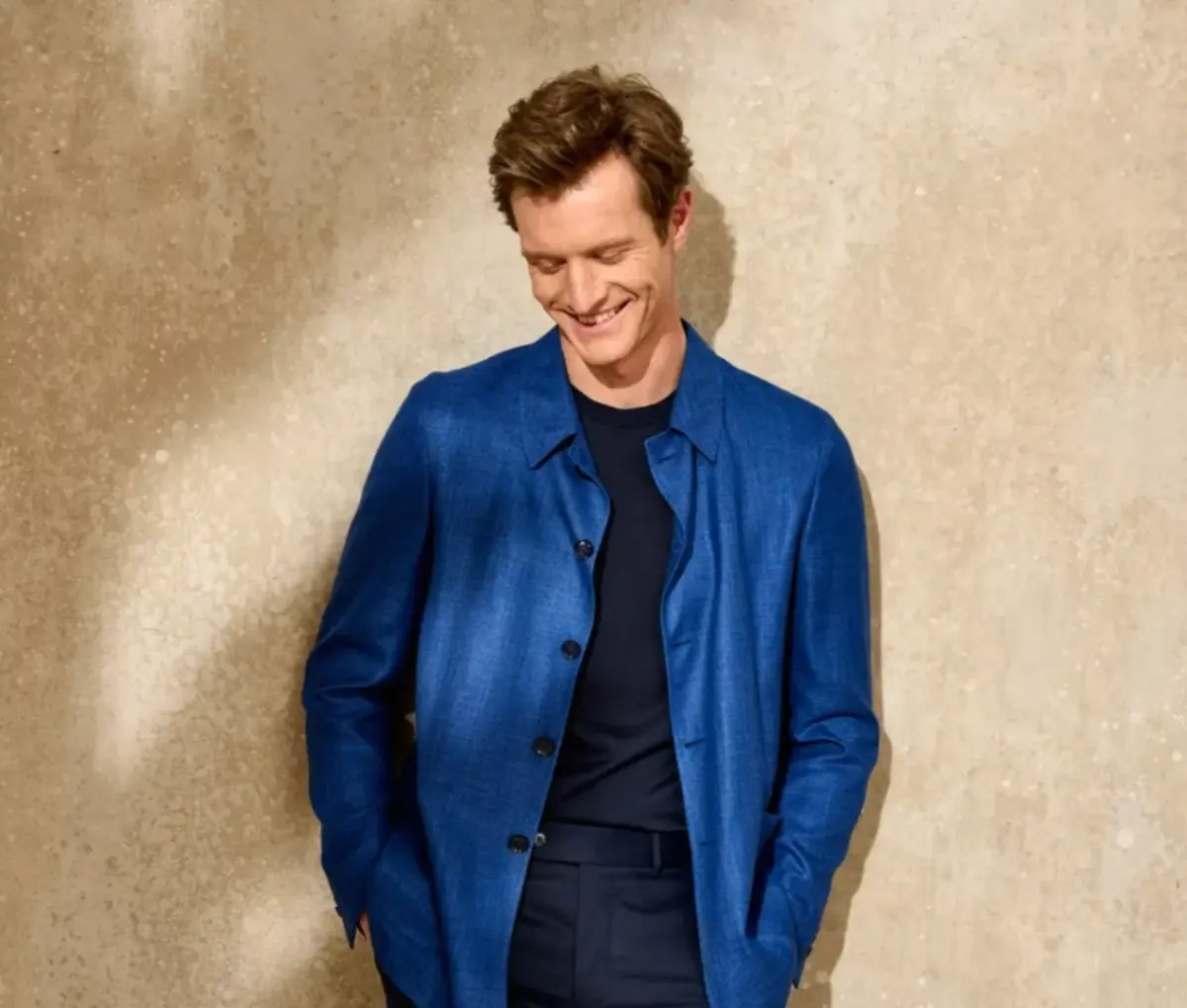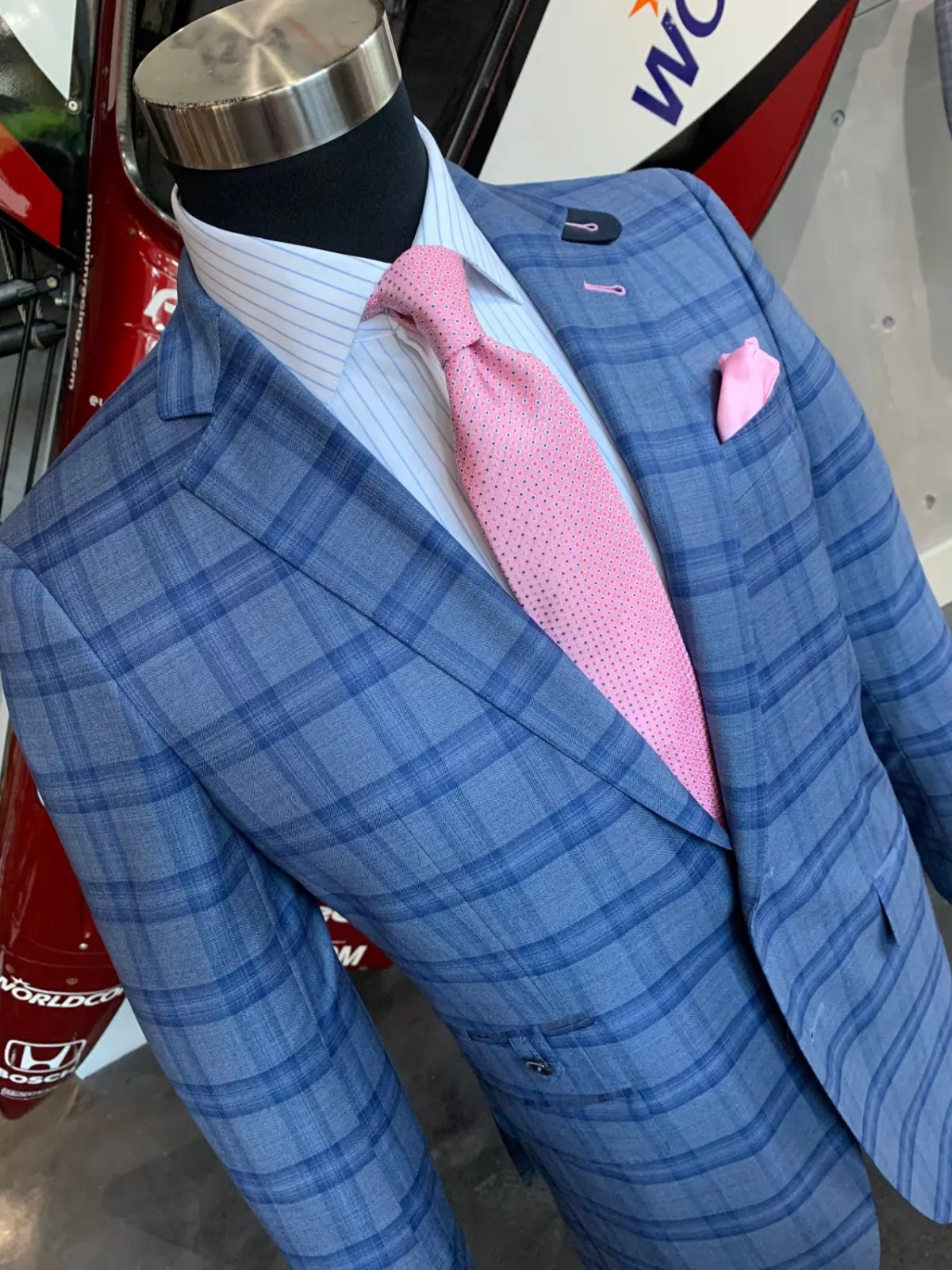
Every man's closet has two kinds of shirts working behind the scenes. The dress shirt exists for structure, formality, and pairing with ties. The sport shirt exists for everything else, and it quietly does more of the heavy lifting than most men realize. It is the shirt you reach for on weekends, on casual Fridays, on dinner dates, on boat days, and on every Miami evening that does not call for a jacket.
But ask most men to define a sport shirt and the answer gets fuzzy fast. Is it just a casual shirt? Does a button-down count? Can you wear one under a blazer? This guide answers all of it: what a sport shirt actually is, how it differs from a dress shirt, the fabrics and collars that define the category, and why having them custom made is one of the smartest upgrades a man can make to his everyday wardrobe.
What Is a Sport Shirt?
A sport shirt is a shirt designed to be worn on its own, without a tie, as the focal point of a casual or smart casual outfit. Think of it the same way you think of a sport coat: just as a sport coat is an odd jacket worn apart from its matching trousers, a sport shirt is an odd shirt, built to stand alone rather than disappear under a suit.
The category took shape around the classic Ivy League wardrobe of the mid twentieth century. Oxford cloth button-downs, gingham checks, and madras plaids were the original sport shirts, worn with chinos, gray flannel trousers, and natural-shoulder jackets. That DNA is still what defines the category today: textured fabric, a relaxed collar attitude, pattern freedom, and a cut that looks intentional whether the shirt is worn with tailored trousers or your favorite jeans.
The short version: if a shirt looks complete and correct with the top button open and no tie, it is a sport shirt. If it looks naked without a tie, it is a dress shirt.
Sport Shirt vs Dress Shirt: The Key Differences
The difference is not just about patterns. It is construction. A dress shirt is built to support a tie and live under a jacket, so it uses smooth fabrics, structured collars with fusing, and long tails that stay tucked. A sport shirt is built to be seen.
- Collar: Dress shirt collars are stiff and structured to hold a tie knot. Sport shirt collars are soft, often unlined or lightly lined, and frequently feature a button-down collar that keeps the points in place without a tie.
- Fabric: Dress shirts favor smooth poplins and twills in solid colors. Sport shirts favor texture: oxford cloth, chambray, linen, brushed cotton, and open weaves that look better slightly rumpled than pressed flat.
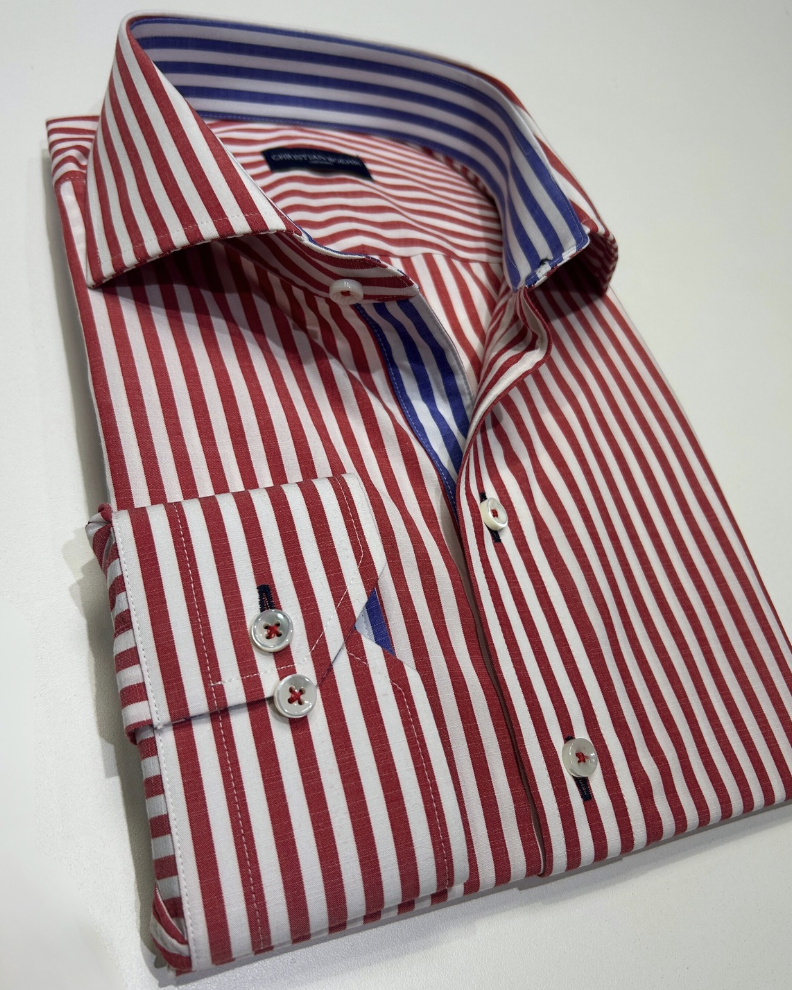
- Pattern: A dress shirt pattern has to stay quiet enough for business. A sport shirt can carry bolder gingham, tattersall, bengal stripes, and plaids because the shirt is the statement.
- Fit and length: Dress shirts are cut long to stay tucked. Sport shirts are cut slightly shorter with a cleaner hem, so they can be worn tucked or untucked without the shirt flapping around your thighs.
None of this means a sport shirt is sloppy. The best ones are cut just as precisely as dress shirts, and when they are made to your measurements, the difference between casual and careless disappears.
The Fabrics That Define a Sport Shirt
Fabric is the soul of a sport shirt. These are the weaves that built the category:
- Oxford cloth: The original. A basketweave cotton with a soft texture and natural resilience, oxford is the fabric of the classic button-down. It wears like iron and looks better with age.
- Chambray: A plain weave that looks like denim's refined cousin. Blue chambray is the denim shirt's dressier, more versatile relative.
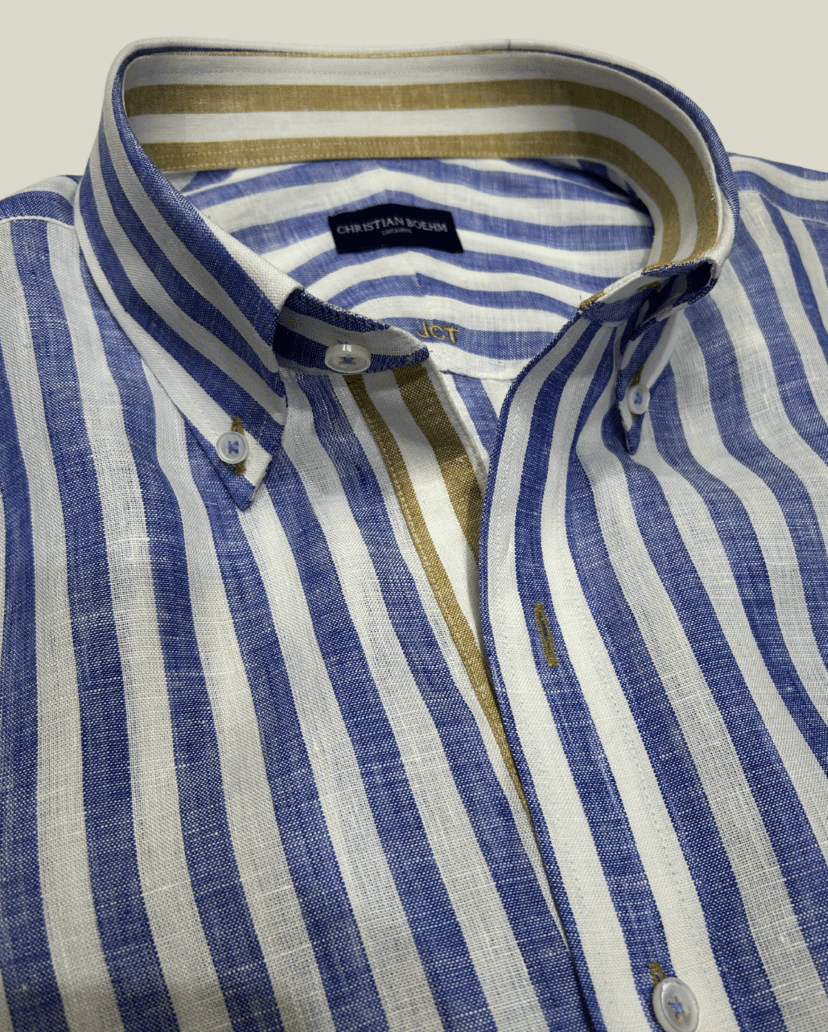
- Linen and linen blends: The warm weather king. In Miami, a linen sport shirt is not a style choice, it is survival equipment. Breathable, textured, and effortlessly elegant. Our linen wearing guide covers the details.
- Brushed flannel: For the few weeks a year South Florida calls cold, a brushed cotton or flannel sport shirt in tartan or plaid is the season's reward.
- Madras and gingham: Patterned summer staples. Madras carries its famous slubby texture; gingham brings clean checkered symmetry.
When Bespoke By CB builds sport shirts for Miami clients, we lean toward oxford, linen blends, and breathable long-staple cottons that hold up in heat and humidity. For a deeper dive into shirting cloth, see our dress shirt fabric guide.
Collar Styles: The Button-Down and Beyond
The button-down collar is the sport shirt's signature. Those two small buttons anchoring the collar points were borrowed from English polo players who needed their collars to stop flapping at a gallop, which is exactly how the style got its name. A soft button-down in oxford cloth remains the single most versatile shirt collar a man can own.
Other collars work well too. A soft unlined spread collar gives a sport shirt a more polished look for smart casual evenings. A club collar with rounded points adds personality in patterns. The full anatomy is covered in our shirt collar guide.
Patterns and Colors
Sport shirts earn their keep with pattern. A wardrobe of five well-chosen sport shirts covers nearly every casual situation: a blue oxford button-down (the foundation), a white oxford (the clean one), a blue or white gingham (the pattern that reads serious but relaxed), a bengal stripe (a vertical stripe that lengthens and flatters), and one seasonal wildcard like madras, tattersall, or a winter flannel.
Keep patterns proportional to your build. Small and mid-scale checks flatter most men; giant plaids can swallow a slim frame. If you are building from zero, start with blue tones and white, then add one warm accent like a burgundy or rust stripe.
Why Custom Sport Shirts Are Worth It
Here is where the category gets interesting. Off the rack, sport shirts are cut for an average body that almost nobody has. The collar gaps at the neck. The sleeves run long enough to cover your knuckles or short enough to flash your watch at half-cock. The body is either a parachute or a sausage casing. And because a sport shirt is worn alone, every one of those flaws is on display.
A custom sport shirt solves all of it:
- Fit: Collar, shoulders, chest, waist, sleeve length, and shirt length all cut to you, so the shirt looks correct open at the neck, tucked or untucked.
- Fabric: You choose from the same European mills that supply the world's best shirtmakers, and you choose cloth built for your climate and your life.
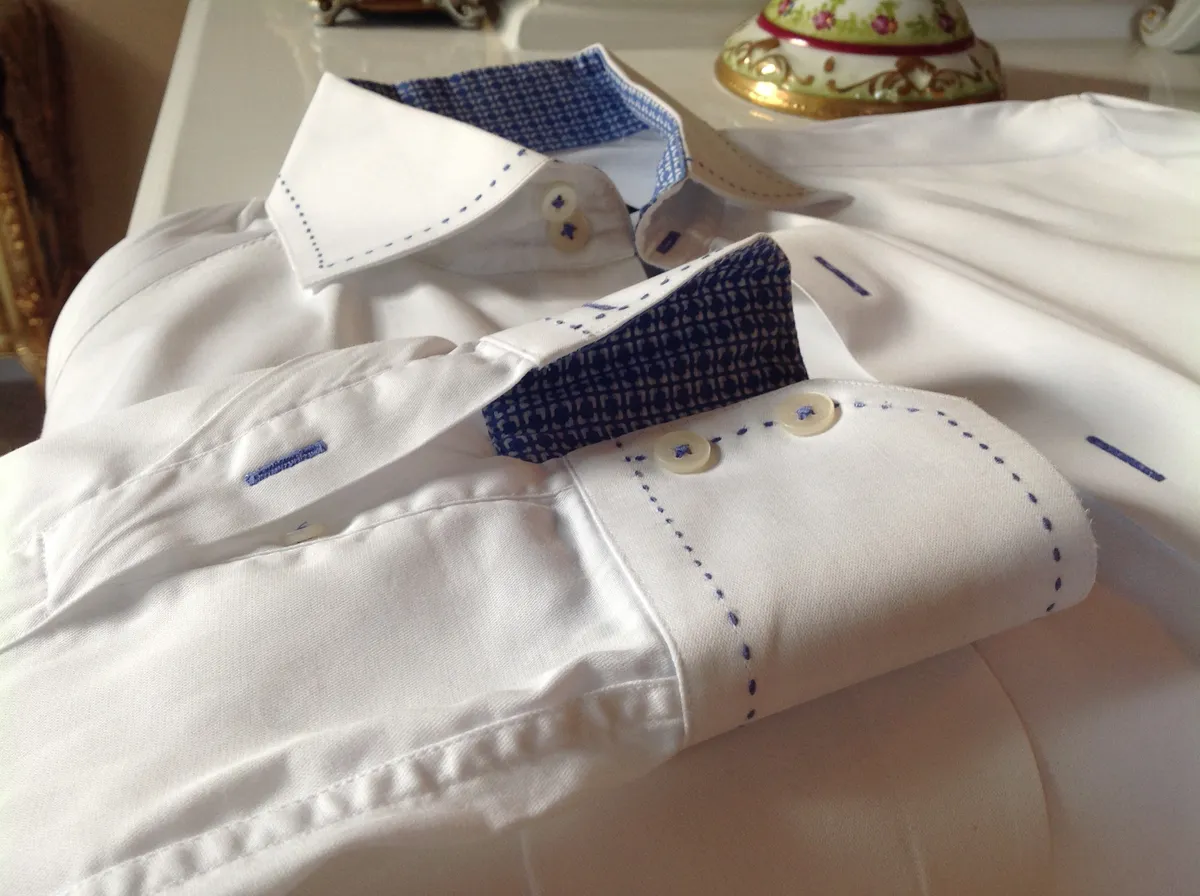
- Details: Collar style, cuff style, buttons, a monogram or contrast details inside the collar and cuffs. These are the quiet signatures that make the shirt yours.
- Durability: Quality cloth and construction mean the shirt keeps its shape and color for years instead of a season.
How to Wear Sport Shirts
The sport shirt's range is its whole point. A few reliable formulas:
- With a sport coat: The natural pairing. A soft button-down under an unstructured blazer is the smart casual uniform. At a country club lunch or a gallery evening, this combination always works, and our custom blazers guide shows how to build the pairing.
- With trousers or chinos: A gingham or striped sport shirt with well-fitting chinos and loafers is the Miami take on business casual, comfortable in heat and sharp enough for dinner.
- With jeans: The weekend default. Chambray and oxford were practically invented for denim. Keep it intentional: dark jeans, clean shoes, no rips.
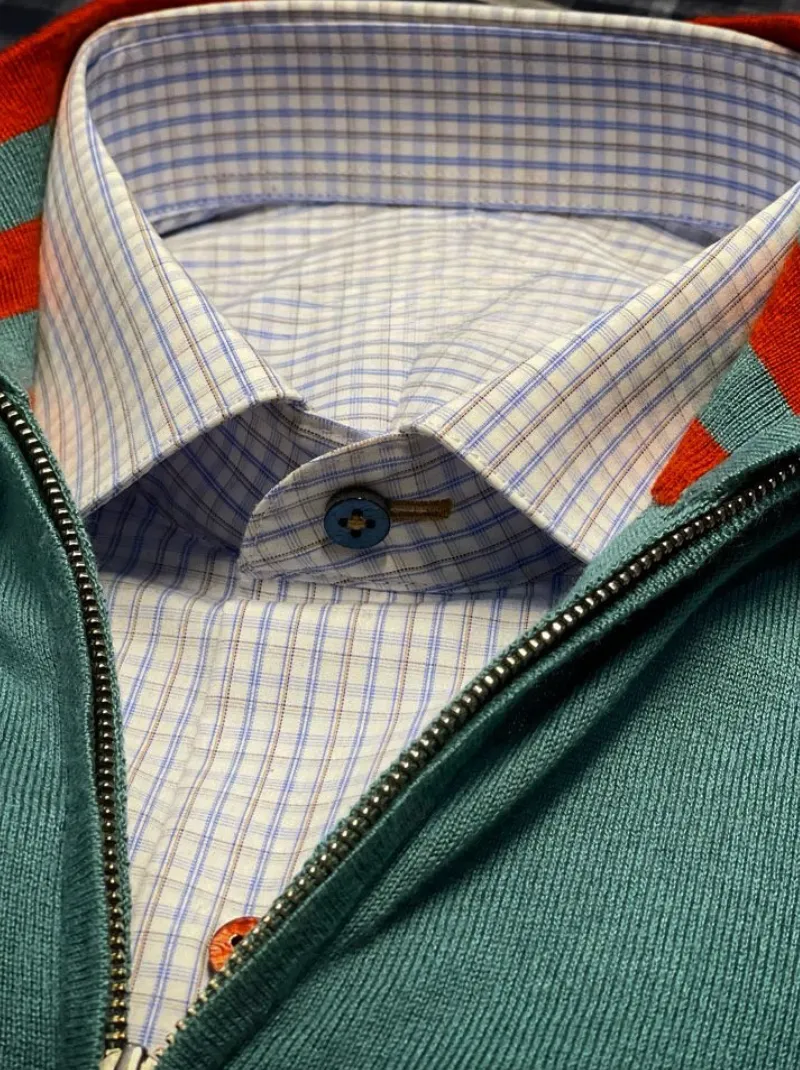
- Layered under knitwear: A patterned sport shirt under a quarter-zip, cardigan, or vest carries you through the cooler months. The collar and cuffs should peek out deliberately.
- On its own: In Miami, a great linen or oxford sport shirt with tailored shorts or summer trousers is a complete look. Just mind the untucked rules below.
Tucking rule of thumb: if the hem is even all the way around and cut short, untucked is fine. If the hem has a long tail in front, the shirt was made to tuck, so tuck it.
Caring for Sport Shirts
Sport shirts are low maintenance by design, but a few habits keep them looking new. Wash cold and hang dry to protect texture and color, especially for oxford and linen. Skip the starch, which flattens the softness that makes a sport shirt feel right. Steam instead of hard-pressing when you can, and hang them on proper hangers so the collar keeps its shape. A well-made sport shirt should serve you for years, and a few small habits are all it asks.
Common Sport Shirt Mistakes
- Pressing a sport shirt stiff and shiny, which kills the texture that defines it
- Wearing a baggy dress shirt as a stand-in, collar gaping open with no structure to hold it
- Going untucked in a shirt with a long dress-shirt tail
- Choosing bold logo prints or oversized graphics where a clean pattern would do the job
- Owning five variations of the same blue instead of building real range
How Bespoke By CB Builds Custom Sport Shirts
Bespoke By CB builds custom sport shirts the same way we build suits: starting with how you actually live. At the consultation, we look at your wardrobe, your climate, and your calendar, then select fabrics from world-class mills and dial in the details: a soft button-down collar for weekends, a slightly firmer spread for smart casual evenings, monograms hidden inside the cuff, contrast inside the collar for the moments the wind lifts it.
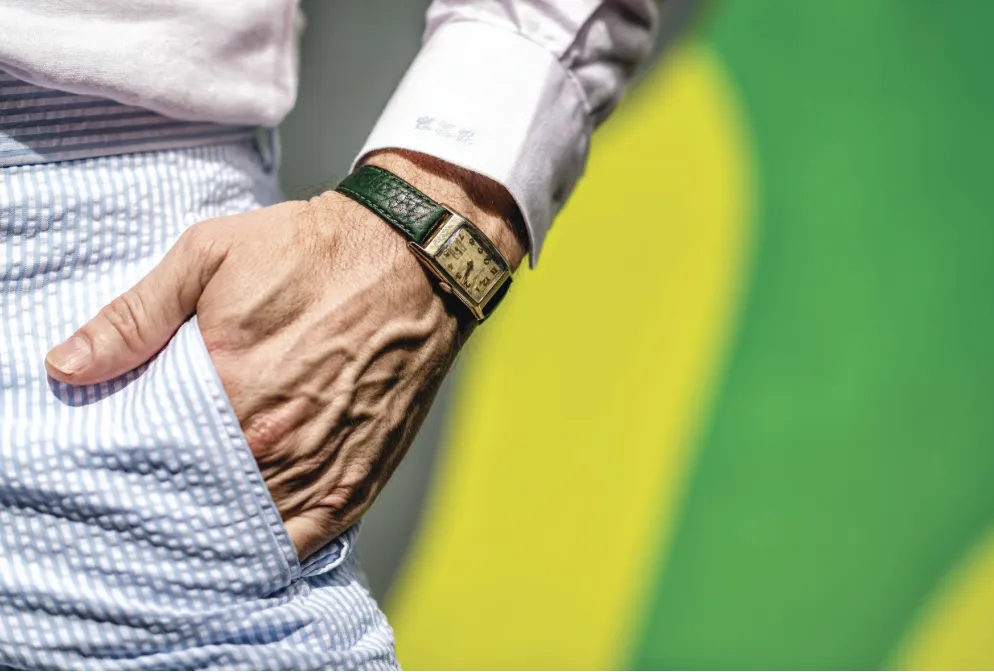
Every shirt is cut to your measurements, and most clients start with three or four: the blue oxford, a white, a pattern, and one seasonal piece. Once the pattern is on file, reordering is effortless. If that sounds like the wardrobe upgrade your weekends deserve, book a consultation and we will build it with you.
Frequently Asked Questions
What makes a shirt a sport shirt?
A sport shirt is designed to be worn on its own, without a tie. It typically uses textured casual fabrics like oxford and chambray, a softer collar often with a button-down, and a hem that works tucked or untucked.
Can you wear a sport shirt with a suit?
You can wear one with an unstructured or casual suit in a pinch, but it is better treated as the companion to sport coats, blazers, and trousers. With a formal business suit, wear a dress shirt.
Is a button-down collar only for sport shirts?
Practically, yes. The button-down is the definitive sport shirt collar. There are button-down dress shirts, but the style reads casual, so it is at its best in the sport shirt category.
Should sport shirts be tucked in?
It depends on the hem. If the hem is even and relatively short, untucked is clean and correct. If the shirt has a long dress-shirt tail, it was made to tuck, and untucked will look sloppy no matter what.
What fabrics work best for sport shirts in Miami?
Linen, linen blends, and breathable oxford cloth. All three handle heat and humidity while keeping texture and shape. Bespoke By CB builds most Miami sport shirts in these cloths.
How many sport shirts should a man own?
Most men are well served with four to six: a blue oxford, a white, two patterns like gingham or bengal stripe, and one or two seasonal pieces like madras or flannel.
How much does a custom sport shirt cost?
Pricing depends on the fabric you select, and because the fit is cut once and kept on file, every reorder comes back exactly right. We walk through all options at the consultation, and it costs nothing to find out what your wardrobe is missing.