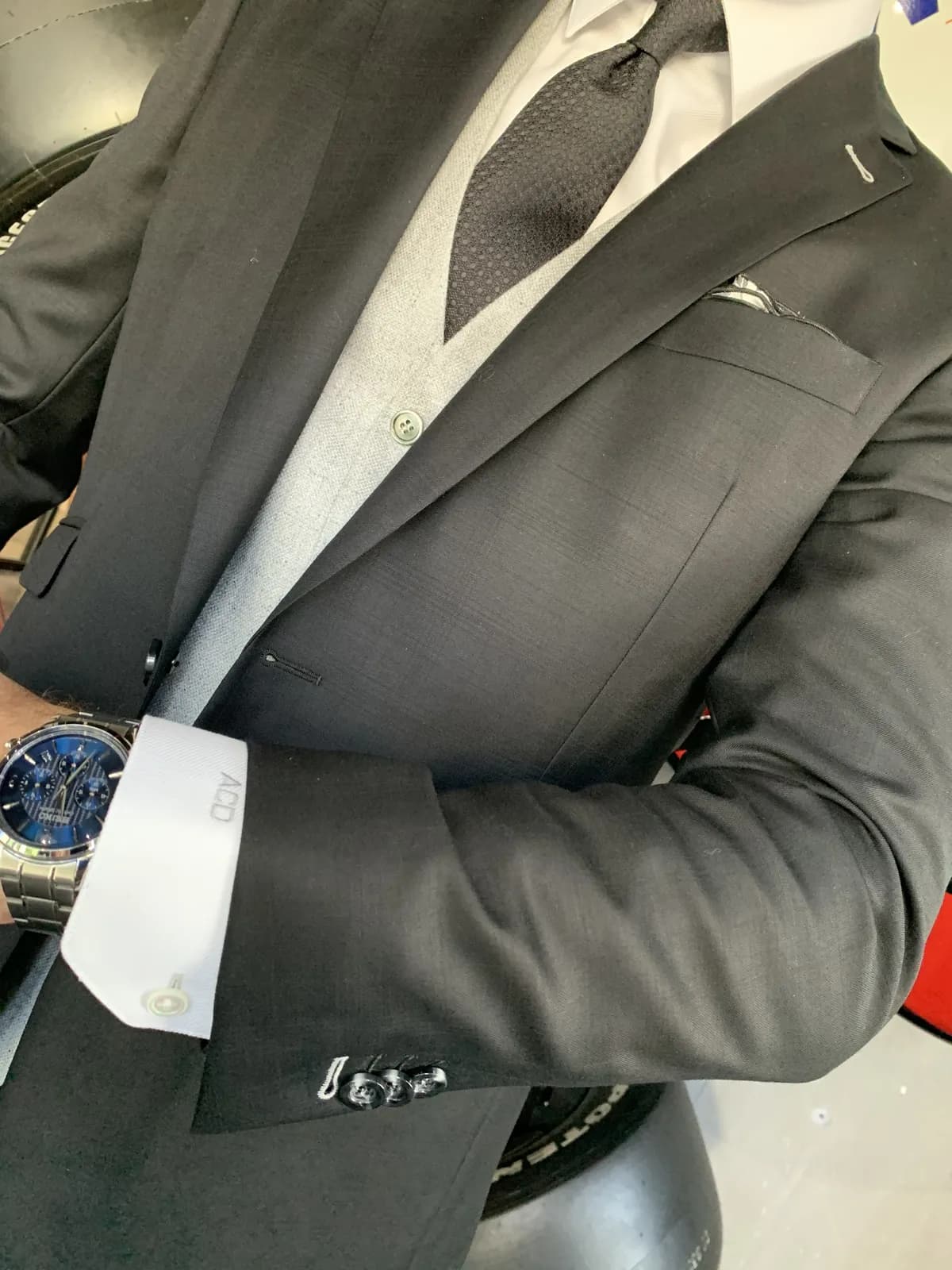
A New York business suit is not a special category of garment with its own mandatory cut. The phrase usually describes a familiar professional approach: a matching jacket and trousers, restrained color, purposeful fit and accessories that respect the workplace. Navy and charcoal are common foundations, but the right version depends on the employer, client, season and role rather than a citywide rule.
That distinction matters when commissioning a suit. A man attending an investment committee meeting may need a different outfit from a designer presenting to a creative agency. Both can dress professionally in Manhattan. Neither needs a costume based on a film about Wall Street.
At Bespoke By CB, the useful starting point is a specification for the actual working day. How formal is the appointment? Will you wear a tie? How much walking happens before you reach the office? This guide concentrates on the suit itself, from cloth and lapels to trouser balance, so you can make those decisions without confusing convention with obligation.
Start With the Office, Not the Postcode
Traditional client-facing settings often favor dark matching suits and restrained shirts and ties. Certain finance, legal and corporate environments retain that standard, especially for important external meetings. Other teams within those same industries dress more casually. A job title alone cannot establish the dress code, and the clothes worn on an internal Friday may not suit a client presentation on Tuesday.
Ask a recruiter, colleague or host what men typically wear for the specific occasion. If you are joining a new organization, ask whether a tie is expected and whether business casual means tailored separates or something more relaxed. Those are practical questions, not admissions that you lack style. Written policies and current guidance are more reliable than assumptions about an entire industry.
For a first formal appointment, a dark suit, clean white or pale blue shirt and quiet tie offer a useful baseline when no other instructions are available. Once you understand the workplace, you can adjust. Bespoke By CB can translate that information into garment choices rather than recommending every possible suit detail at once.
Navy and Charcoal Set a Restrained Foundation
A deep navy suit is adaptable because it works with several shirt colors and both black and dark brown footwear. Choose the shade in daylight as well as indoors. Some cloth that looks navy under warm showroom lighting reads noticeably brighter outside. If your objective is conservative business dress, inspect the whole swatch rather than relying on the name attached to it.
Charcoal provides a second direction with similar versatility. Its depth can support a white shirt and dark tie without the high contrast of a black suit. A medium grey suit may also be useful, particularly for daytime work, but it feels different from a deep charcoal. Treat that difference as a coordination choice, not a ranking of how seriously a man should be taken.
Black is not forbidden, but it is not automatically the most useful first office suit either. Consider what you already own and how the cloth will work with your regular shirts and shoes. A navy and charcoal foundation often simplifies future purchases because supporting pieces can move between both suits.
Before ordering, compare cloth samples beside the actual shirts you plan to wear. Bespoke By CB can help identify whether a particular grey has a warm or cool cast and whether the navy provides the quiet appearance you want. Small differences become more visible across a complete garment.
Patterns Should Work at Conversation Distance
Solid cloth is the easiest starting point when you need a suit for unfamiliar conservative rooms. A fine twill or subtle surface texture can add interest without creating an obvious pattern. This lets fit and proportion provide the character instead of making the cloth the center of the meeting.
A restrained stripe or small check may work well in an established professional wardrobe. Look at the swatch from several feet away and consider how it will combine with a shirt and tie. A pattern that seems discreet in a small sample can become assertive when repeated across jacket and trousers.
Avoid buying a prominent stripe simply because it seems associated with New York finance. Nor does every traditional office require perfectly plain cloth. Choose one visible pattern to lead the outfit and keep the remaining pieces quieter. A patterned suit, strongly striped shirt and large-pattern tie can compete even when all three share similar colors.
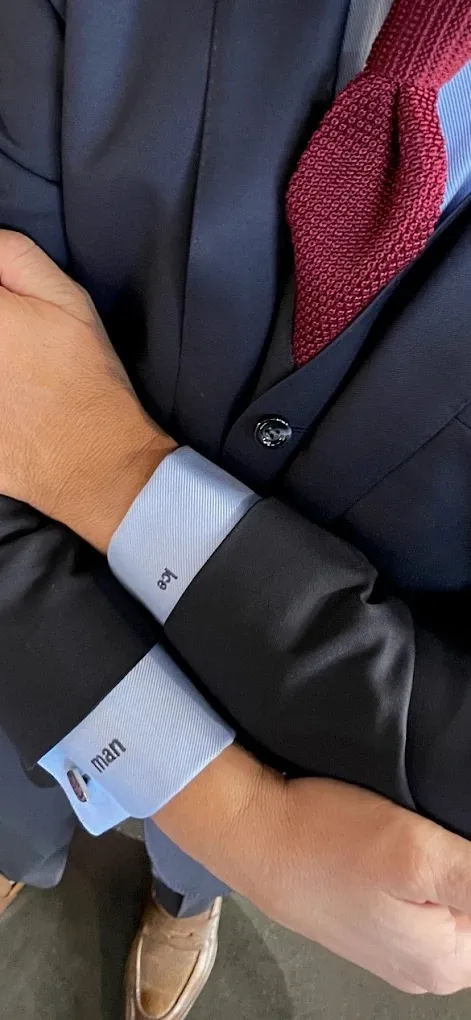
The pictured dark navy tailoring with a pale blue shirt and burgundy textured tie shows how contrast can remain concentrated near the face. The tan footwear is a separate styling choice, not a universal recommendation for conservative offices. For a more formal appointment, use polished dark leather shoes and select the tie texture appropriate to the organization.
Jacket Proportions Matter More Than a Fashion Label
A single-breasted, two-button jacket with notch lapels is a straightforward business option. It is familiar, versatile and easy to coordinate. That does not make double-breasted jackets or peak lapels unprofessional. They simply create a more specific visual statement and deserve consideration in relation to your workplace and existing wardrobe.
Start the fitting assessment at the shoulders and collar. The jacket should sit cleanly without forcing your posture into an artificial position. The collar should remain reasonably close to the shirt collar when you stand naturally. Persistent pulling, substantial collar gaps or obvious strain across the chest need attention, not reassurance that the cut is fashionable.
Check the buttoning point and jacket length together. A very short jacket or extremely high fastening can disturb the relationship between torso and legs. The useful aim is balance on your body, not copying an exact measurement from another man's suit. Lapel width should also feel proportionate to your frame and the tie you commonly wear.
At Bespoke By CB, bring the kind of shirt and shoes you will use with the finished suit. Stand, sit and reach naturally during the fitting. A business jacket needs to accommodate a presentation and a seated discussion, not merely look sharp in one stationary photograph.
Trousers Need Room to Work
Professional trousers should look clean while allowing you to sit without an uncomfortable waistband or excessive tension through the thighs. A narrow leg is not inherently more polished. If the pockets flare, the seat pulls or the fabric catches at the calves, the silhouette may need more room or a different balance.
Discuss rise before finalizing the jacket. Trousers that sit comfortably at the intended waist help the shirt stay tucked and make the outfit feel coherent. Pleats can provide useful room, while flat fronts offer another clean option. Neither choice establishes whether the wearer belongs in a traditional New York office.
Choose the hem with your actual footwear. A slight break is a conservative starting point, while little or no break can also look deliberate when the leg width supports it. Avoid substantial pooling around the shoe and avoid shortening trousers merely to reproduce a cropped photograph. Walk a few steps and sit down before deciding.
Consider how you carry essentials. A heavily filled phone pocket, keys and a thick wallet can distort otherwise well-fitted trousers. Use an appropriate bag or distribute items sensibly. Clean lines are partly a tailoring decision and partly a daily habit.
Choose Cloth for New York's Working Conditions
Worsted wool is a practical place to start for a business suit because it offers a smooth tailored appearance across many different weights and weaves. The word wool does not mean winter-only cloth. A breathable open weave can serve warm conditions, while a denser fabric may suit cooler months.
For spring and autumn, a moderate-weight wool may cover many office days when paired with appropriate outerwear. For summer, consider airflow and lining as well as the stated weight. A light fabric with a tight weave may feel different from another cloth of similar weight. Ask to compare the finished feel rather than assuming the lowest number is always preferable.
For winter, warmer wool or flannel can be appealing if you spend significant time outdoors. However, a suit is not a replacement for a suitable coat, and a very heavy garment may become uncomfortable in a heated office. Discuss your commute, building temperature and sensitivity to warmth before choosing a dedicated cold-weather suit.
Bespoke By CB can evaluate those conditions during cloth selection, including whether your New York appointments are occasional trips or a regular part of your calendar. For the broader wardrobe differences between destinations, read our Miami and New York dressing comparison. Here, the question remains which cloth will make this particular professional suit useful.
Shirts and Ties Finish the Business Message
A white shirt provides clear contrast under navy or charcoal and makes tie coordination straightforward. Pale blue introduces a softer variation while remaining restrained. Start with the collar: it should fit comfortably when fastened and support the knot you intend to wear. An uncomfortable collar rarely improves after several hours at a desk.
A spread or semi-spread collar often works well with a business tie, but the right shape depends on your proportions and preferences. Choose a knot that fills the available space without forcing the collar points outward. Check sleeve length beneath the jacket and ensure the cuffs do not disappear every time you move your arms.
For conservative combinations, navy, burgundy and quiet repeating tie patterns are useful options. Texture can add depth without requiring a bright color. The aim is coordination rather than a perfectly matched packaged set. A pocket square is optional; a simple white fold is sufficient if you want one.
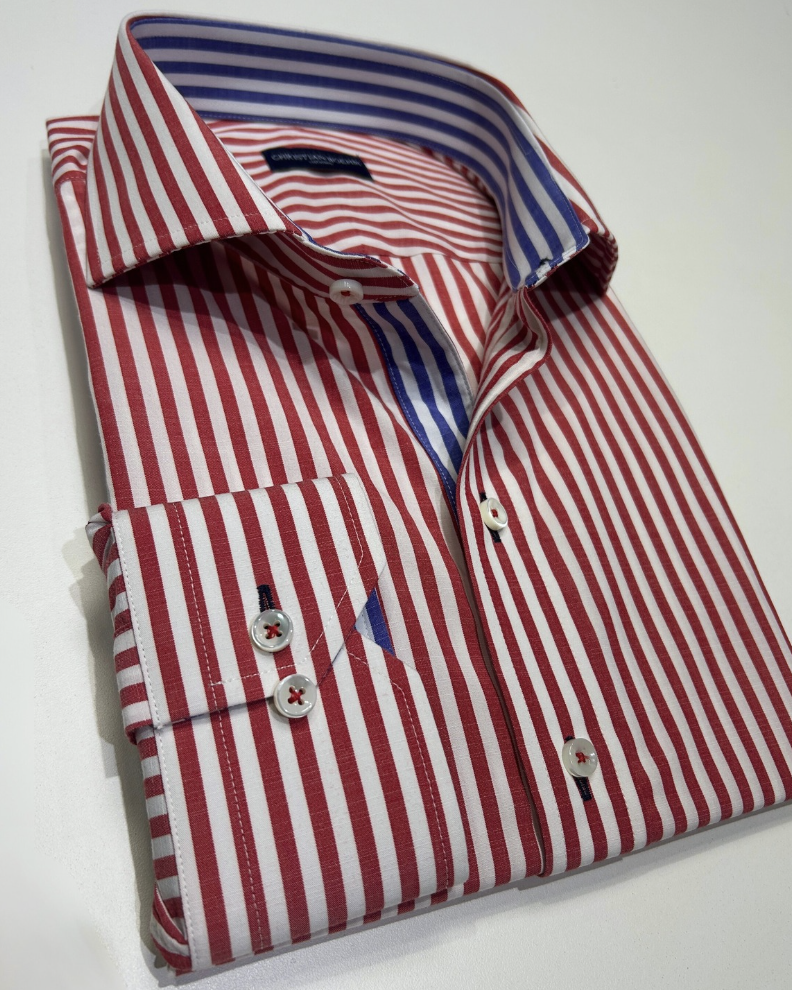
The red-and-white striped shirt pictured here, with blue contrast fabric inside the collar, illustrates a more expressive shirt choice. It may suit an office that welcomes personality, but a plain white or pale blue shirt is the quieter starting point for an unfamiliar formal meeting. Bespoke By CB can help plan custom shirts for both uses rather than treating every shirt as interchangeable.
Shoes and Outerwear Complete the Outfit
Black leather lace-ups offer a restrained option with charcoal and navy suits. Dark brown can also coordinate well where the office accepts it. Condition matters: polished uppers, sound heels and clean soles contribute more than an expensive label on a neglected shoe. Choose a shape that works with the trouser hem rather than letting either piece overwhelm the other.
New York walking routes and weather deserve practical attention. A shoe needs to remain comfortable over your actual journey. Wet sidewalks, snow and slush may justify weather-appropriate commuting footwear with a dress pair ready at the destination. No dress shoe should be presented as universally suitable for every winter pavement condition.
Fit your coat over the suit jacket before relying on the combination. It should allow comfortable movement without crushing the shoulders or pulling tightly across the chest. Seasonal outerwear preserves the suit's intended indoor weight instead of forcing it to provide all your insulation.
Accessories can stay simple. Coordinate a belt with the footwear when the trousers use belt loops, or discuss side adjusters when commissioning the garment. Choose socks that sit comfortably and maintain coverage when seated. A watch and work bag should support the outfit without becoming its main subject.
Finance, Law and Creative Offices Are Not One Audience
For a traditional finance meeting, you might choose a deep navy wool suit, white shirt, restrained burgundy tie and black lace-ups. The value of this formula is its low visual distraction, not any guarantee that a certain color inspires trust. Confirm the firm's expectations before deciding whether a tie is optional.
For a formal legal appointment, charcoal with a pale shirt and subdued tie can provide another clear starting point. Court appearances require their own current guidance, including any venue or judge-specific expectations. This article does not establish courtroom rules. For broader professional context, see our existing guide to dressing as a lawyer.

These brand photographs show grey and blue suits outside the Dade County Courthouse in Miami, not a New York location. They illustrate how color changes the impression of matching tailoring. For a restrained NYC appointment, choose the depth of blue or grey according to the actual workplace rather than treating either photographed outfit as a required uniform.
In a creative or more casual office, a suit might work with an open-collar shirt and less formal footwear. It may also be unnecessary. If you prefer to wear one, simplify the accessories and choose cloth with enough texture to feel intentional without a tie. Professional relevance comes from understanding the room, not insisting that every man should wear a dark suit every day.
Specify Your Suit With Bespoke By CB
A productive Bespoke By CB consultation begins with examples of your working week. Bring the dress-code guidance you have received, photographs of outfits you already enjoy and details of the seasons when you will use the suit. Explain which shirts and shoes need to remain in the rotation. This creates a practical brief before fabric and styling choices multiply.
Current custom suits start at $1,299, and custom shirts start at $240. Cloth and design selections affect the final quote, so discuss the finished specification before ordering. There is no need to assemble a large wardrobe in a single appointment when one carefully selected suit addresses the immediate requirement.
Explore custom suits at Bespoke By CB, then book a consultation to discuss color, cloth, proportions and the supporting outfit. Bespoke By CB can help turn the familiar idea of a New York business suit into something specific to your body and professional life, without promising that one garment fits every workplace or season.
Frequently Asked Questions
Is there an official New York business suit dress code?
No single rule applies to every New York workplace. Employer policy, role, client expectations and the occasion determine the standard. Navy or charcoal tailoring with a pale shirt and restrained tie is a useful conservative starting point, but ask the organization for guidance rather than assuming the city's reputation settles the question.
Are pinstripes necessary for a finance job?
No. A plain dark suit is often easier to coordinate and does not depend on a particular industry association. Fine stripes can add variety once you understand the office, but their contrast and spacing matter. Avoid choosing a conspicuous pattern simply because it resembles a familiar image of Wall Street dressing.
Can one wool suit work through every New York season?
A moderate-weight wool suit can cover many indoor working situations, especially with sensible seasonal outerwear. It will not feel equally comfortable during every outdoor extreme. Regular summer walking or prolonged winter exposure may justify a seasonal addition. Bespoke By CB can compare those needs against how often you actually wear the suit.
Is a very slim suit more appropriate for NYC offices?
Not inherently. A professional fit should remain balanced when you stand, sit and walk. Strained buttons, flaring pockets and trousers that catch at the calves are not signs of extra polish. Choose proportions that suit your body and allow a working day of movement rather than treating a narrow silhouette as a dress-code requirement.
Can I wear a business suit without a tie?
Yes, when the workplace and appointment allow it. Use a shirt collar that sits neatly open and keep the rest of the outfit deliberate. For an unfamiliar formal meeting, confirm whether a tie is expected before omitting it. A casual internal office policy may not apply to an external presentation or more formal client event.
How can a Miami clothier help with a New York suit?
The consultation can focus on where the garment will be worn rather than only where it is commissioned. Tell Bespoke By CB about New York seasons, commuting conditions, office temperatures and professional expectations. That information informs fabric selection and fit. Discuss appointment timing and fitting arrangements directly instead of assuming an unverified local service or turnaround promise.
A strong business suit is recognizable for its coherence: cloth suited to the day, proportions suited to the wearer and an outfit suited to the room. New York does not require every man to look identical. It rewards the same practical discipline that makes tailoring useful anywhere: understand the occasion, choose deliberately and check the details before leaving.