Lawyers occupy a unique space in professional dress. You need to look authoritative in front of a judge, trustworthy in front of clients, and polished in front of partners. The wardrobe has to work across all three settings without requiring a complete change between them. This guide covers what to wear, when to wear it, and why fit matters more than anything else.
In Court: Authority and Restraint
The courtroom is the most formal environment in the legal profession. Judges notice how you dress, and in some jurisdictions, courtroom dress codes are explicitly enforced. The goal is to look respectful of the court without drawing attention to yourself.
The Courtroom Suit
Navy and charcoal are the only appropriate suit colors for courtroom appearances. They read serious, authoritative, and respectful. Medium grey is acceptable but less traditional. Avoid brown, blue, and any pattern more assertive a subtle pinstripe in court.
- Navy, the most common courtroom suit. It reads trustworthy and traditional.
- Charcoal, slightly more authoritative. Pairs well with silver and navy ties.
- Pinstripe, acceptable if the stripe is subtle. A navy pinstripe with a white shirt and navy tie is a classic courtroom combination.
The Courtroom Shirt
White is the standard courtroom shirt. Light blue is acceptable in most courts. Anything else, pink, cream, patterned, should stay in the office. The shirt should be crisp, pressed, and fitted. A baggy shirt under a well-fitted suit looks careless.
The Courtroom Tie
Conservative is the rule. Solid navy, navy with subtle dots, burgundy, and regimental stripes in navy and burgundy are the safest choices. The tie should be silk, not knit or linen. Avoid bold patterns, bright colors, and anything that could be seen as flashy.
Shoes
Black oxfords. Polished. No loafers, no brogues, no brown shoes in court. This is the one setting where the rules are rigid.
In Client Meetings: Trust and Approachability
Client meetings require a shift from authority to approachability. Your client is already nervous, they are meeting a lawyer. Your clothing should put them at ease, not intimidate them.
What to Wear
You can relax slightly from courtroom formality:
- Navy or grey suit, still the foundation, but you can add a medium grey or a subtle pattern
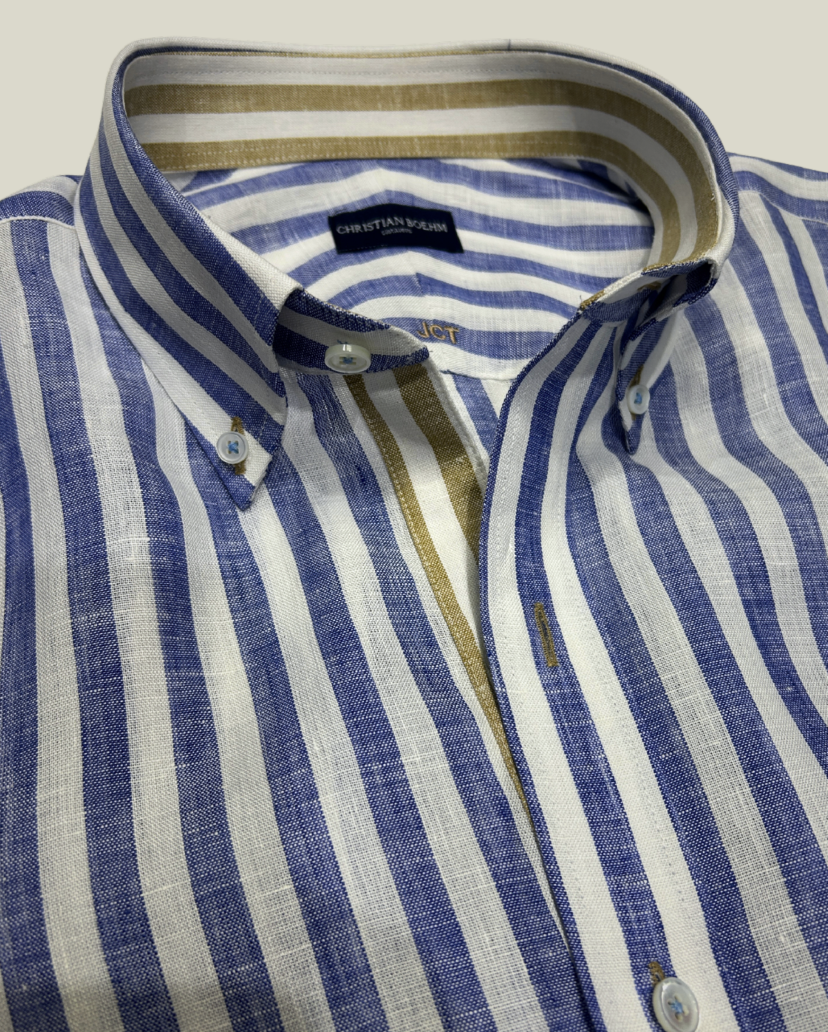
- Light blue shirt, softer and more approachable than white
- Tie, optional for client meetings in your office. If you wear one, keep it conservative. If you skip it, keep your jacket on.
- Brown oxfords or brogues, acceptable for client meetings. Still polished, slightly less severe than black.
The goal is to look like a trusted advisor, not a litigator about to cross-examine someone. A navy suit with a light blue shirt and no tie reads professional and approachable.
In the Office: Professional and Comfortable
Office dress is where lawyers have the most flexibility. Depending on your firm's culture, you may be able to drop the jacket entirely or substitute a blazer for a suit.
Business Formal Firms
If your firm is traditional, large corporate firms, litigation boutiques, the suit and tie standard applies all day. Rotate between your navy, charcoal, and grey suits. Keep a spare tie in your desk for unexpected meetings.
Business Casual Firms
Many firms have adopted business casual for in-office days. This typically means:
- A blazer or sport jacket instead of a suit
- An oxford shirt without a tie
- Dress trousers or chinos
- Loafers or brogues
A navy blazer with a light blue oxford shirt and grey trousers is a perfect office combination. It reads professional without the formality of a full suit.
The Power Suit: Navy and Charcoal
Every lawyer needs at least two power suits, one navy and one charcoal. These are the suits you wear for court appearances, depositions, client pitches, and any setting where you need to project maximum authority.
What makes a power suit:
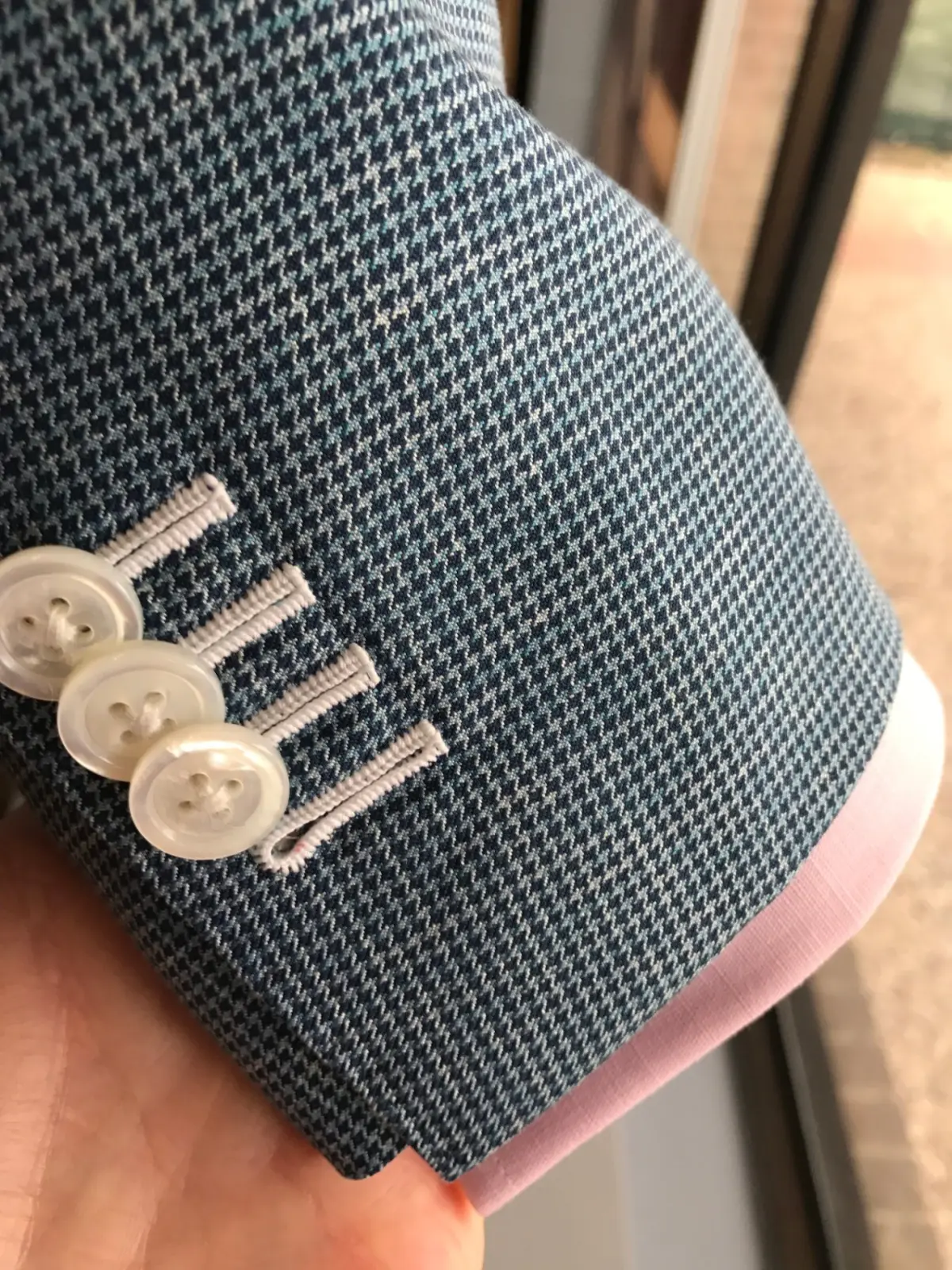
- Fit, the suit should fit like it was made for you. Because it should be. A custom suit fits perfectly across the shoulders, through the chest, and at the waist. The difference between a custom suit and an off-the-rack suit is visible from across a courtroom.
- Fabric, choose a medium-weight wool (250-280 grams) for year-round wear. In Miami, consider a tropical wool or fresco weave for breathability.
- Details, keep them minimal. Two buttons, notch lapels, flap pockets. No ticket pockets, no peak lapels, no bold linings. The power suit should be quietly excellent, not loud.
- Condition, pressed, clean, and lint-free. A wrinkle undermines everything.
Shirt and Tie Combinations That Read Authority
For Court
- White shirt + navy tie = the standard
- White shirt + burgundy tie = slightly warmer but still conservative
- Light blue shirt + navy tie = acceptable in most courts
- White shirt + navy pinstripe suit + navy tie = the classic
For Client Meetings
- Light blue shirt + no tie + navy suit = approachable
- White shirt + burgundy tie + charcoal suit = authoritative
- Light blue shirt + navy tie + grey suit = balanced
For the Office
- Oxford shirt + blazer + no tie = modern professional
- Striped shirt + solid tie + navy suit = traditional
Shoes, Belts, and Accessories
Keep accessories minimal. Lawyers should not be known for their cufflinks.
- Shoes, two pairs: black oxfords for court, brown oxfords or brogues for everything else. Rotate them. Keep them polished.
- Belt, matches shoes. Always. No exceptions.
- Watch, simple, classic. Leather or metal strap. Not oversized.
- Briefcase, leather, structured. Should look like it carries documents, not a laptop and gym clothes.
- Cufflinks, silver knots. Nothing novelty.
Miami Legal Community Dress Norms
Miami's legal community is slightly less formal than New York or Washington, but the standards are still high. The heat and humidity create practical challenges:
- Choose tropical wool or fresco weaves instead of standard worsted wool
- Consider half-lined jackets for breathability
- Keep a spare shirt at the office, arriving damp from the parking garage is not a good look
- Avoid flannel and heavy fabrics entirely
The Miami-Dade courthouse runs cold inside and hot outside. Dress for the inside, but choose fabrics that let you survive the walk from your car.
Frequently Asked Questions
Can I wear a brown suit to court?
No. Brown is not a courtroom color. Save it for the office and client meetings. In court, stick to navy and charcoal.
Do I need a pocket square in court?
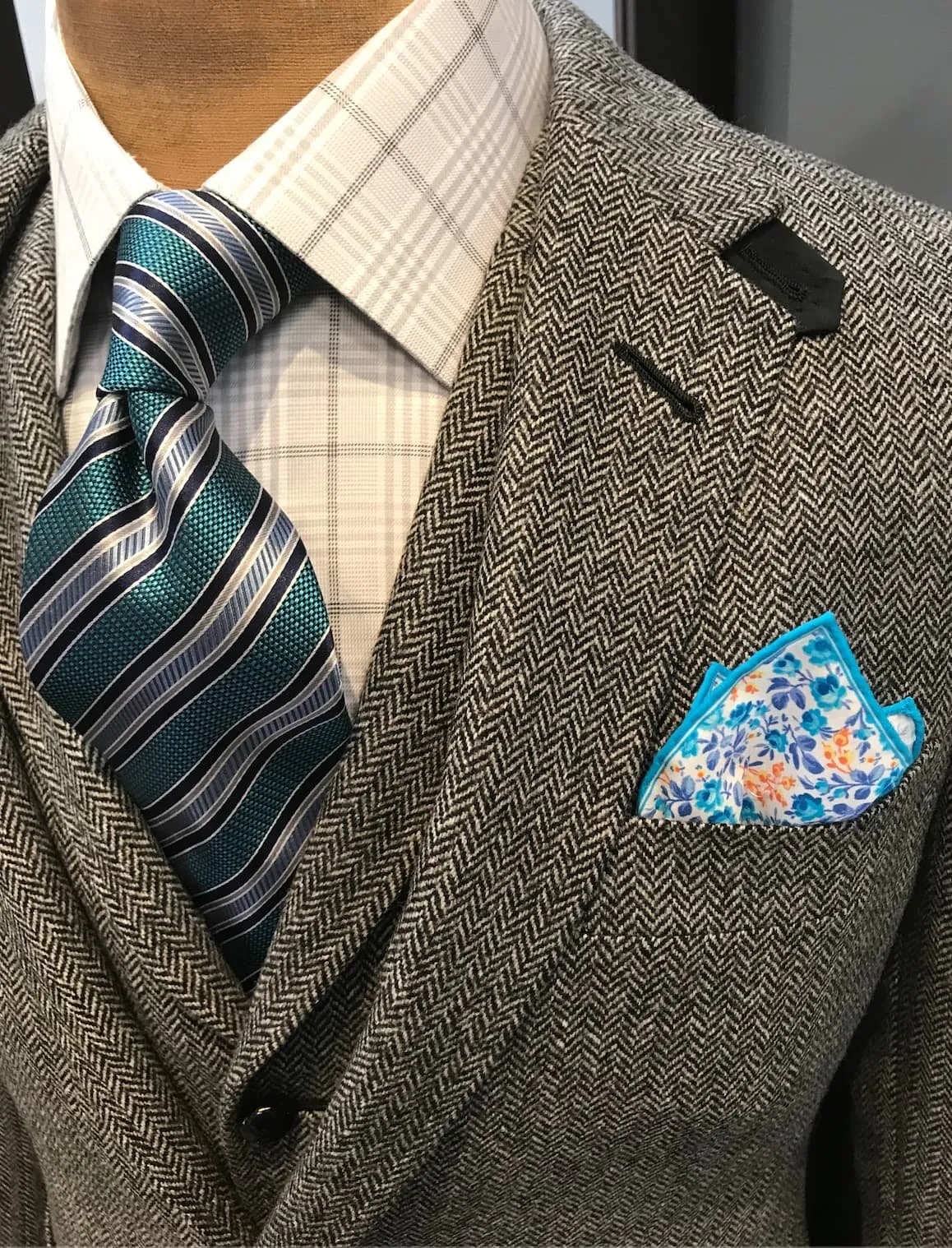
A simple white linen pocket square with a flat fold is acceptable and adds a touch of polish. Avoid colored or patterned pocket squares in court, they read as flashy.
How many suits does a lawyer need?
For a courtroom practice, you need at least four suits: two navy, one charcoal, one medium grey. This lets you rotate so you never wear the same suit two days in a row. For a transactional practice, three suits is enough.
Is bespoke worth it for a lawyer?
Yes. In a profession where your clothing is scrutinized by judges, clients, and partners, fit is not a luxury, it is a professional necessity. An off-the-rack suit that fits poorly undermines your credibility. A custom suit that fits perfectly projects competence before you open your mouth.
Ready to build a courtroom wardrobe that commands respect? Book a consultation at Bespoke By CB and we will help you build a collection that works in court, in the office, and in client meetings.