
Moving from New Jersey to Miami is more than a change of address. It is a complete lifestyle shift, and your wardrobe is one of the first things that will feel out of place. The heavy wool suits, flannel trousers, and layered outerwear that got you through Hoboken winters and Morristown autumns suddenly look and feel absurd in ninety-degree South Florida humidity. You step outside your new Brickell apartment in a charcoal three-piece and within minutes you are wondering why you brought any of it along.
The truth is, relocating from the Northeast to South Florida requires a full wardrobe rebuild. Not just swapping out a few pieces, but rethinking fabrics, construction, color, and even how you approach getting dressed for work and events. This guide walks through what translates, what does not, and how to rebuild a wardrobe that actually makes sense for Miami living. And if you are wondering where to start, Bespoke By CB has been helping transplants do exactly this since day one.
What Your New Jersey Wardrobe Got Right (And Why It Fails in Miami)
Let us give credit where it is due. Your New Jersey wardrobe was built for function across four distinct seasons. You had heavy worsted wools for January boardroom meetings in Newark, flannel trousers for October weekends in Princeton, a topcoat for February commutes into Manhattan, and a seersucker or linen blazer you pulled out maybe six weeks a year. That versatility was a strength. You needed it.
Miami does not have four seasons. It has two: hot and humid, then slightly less hot and slightly less humid. The average January high in Miami is seventy-six degrees. That is warmer than a typical New Jersey spring day. Your twelve-ounce flannel suits, your Donegal tweed sport coats, your merino knit layers under everything: none of it works here. You will find yourself wearing the same two linen shirts in rotation while the rest of your closet sits untouched, taking up valuable space in a condo that probably does not have the storage your Jersey home did.
The problem is not just temperature. It is humidity. Miami's relative humidity regularly sits above seventy percent, which means fabrics that breathe are not optional. They are essential. A close-woven worsted wool that looks sharp in a dry forty-degree Newark office becomes a personal sauna in a seventy-eight degree Miami conference room. The fabric does not breathe, the air does not circulate, and you spend the meeting thinking about nothing except when you can step outside.
So what stays? A few things. Well-made dress shoes in lighter colors can transition. White and light blue dress shirts work everywhere. A good navy blazer in a lightweight fabric is still a wardrobe anchor. But the heavy stuff, the layered stuff, the "I need a scarf and an overcoat" stuff? That goes into storage or gets donated. You are rebuilding from the ground up.
Fabric Fundamentals: What Actually Works in South Florida
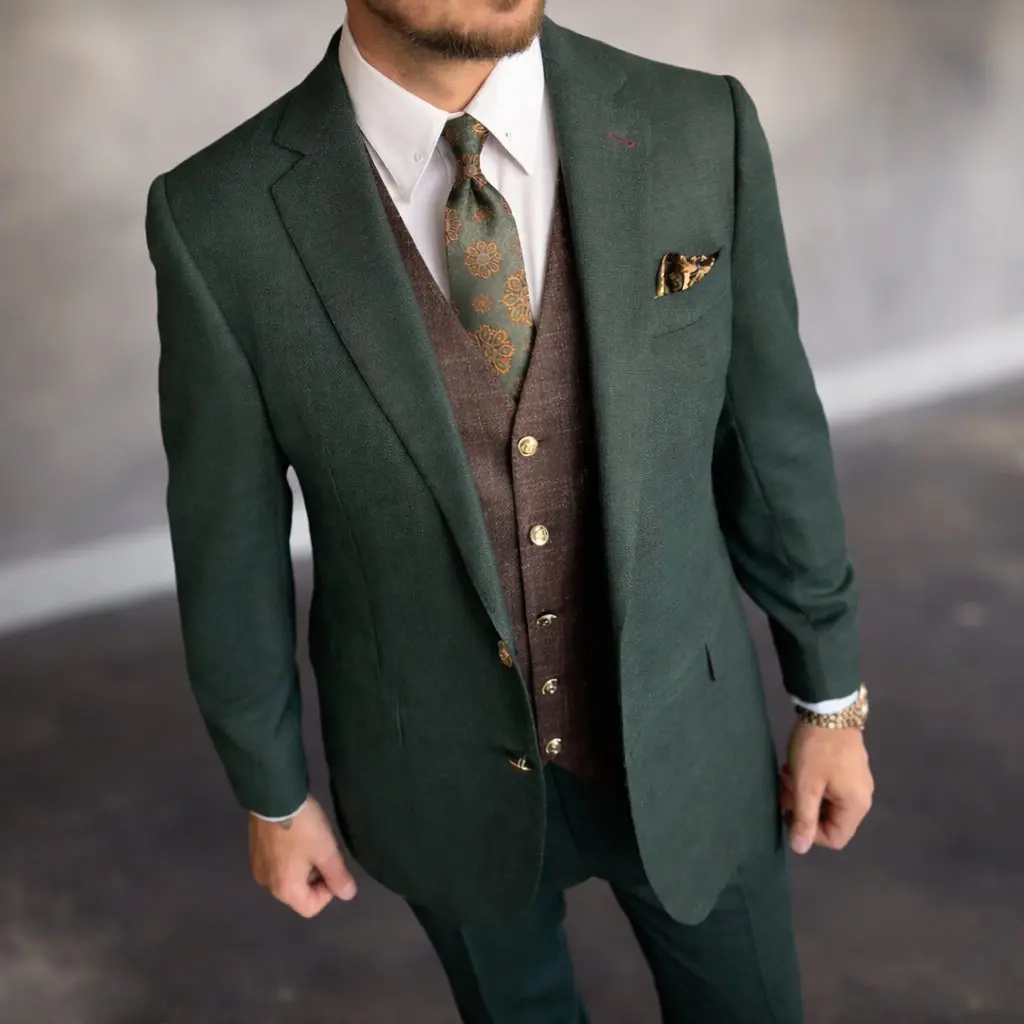
If you take one thing from this guide, let it be this: fabric choice matters more in Miami than anywhere else in the country. In New Jersey, you could get away with a mid-weight wool year-round because the office thermostat did the heavy lifting. In Miami, the fabric is the climate control. Here is what to look for.
Tropical Wool
Tropical wool is woven loosely to allow maximum airflow. It is typically seven to nine ounces per yard, which is significantly lighter than the eleven to twelve ounce fabrics common in Northeast wardrobes. It drapes cleanly without clinging, and it resists wrinkling better than linen. If you need to wear a suit to work in Miami, tropical wool should be your default. A navy or mid-gray tropical wool suit from Bespoke By CB will get you through any business meeting in comfort, and it looks just as sharp as anything you wore in Jersey.
Linen and Linen Blends
Linen is the obvious Miami choice, and for good reason. It breathes better than almost any other fabric. The trade-off is wrinkling, which bothers some people more than others. A linen-silk blend reduces wrinkling while keeping most of the breathability. For social events, weekend dinners, and anything outside a strict business environment, linen is your friend. Just own the wrinkles. They are part of the look.
Cotton
Cotton gets overlooked in suit conversations, but a well-tailored cotton suit is a fantastic Miami option. It is lighter than wool, breathes well, and has a more relaxed drape that fits the South Florida aesthetic. Chino cloth, pinpoint oxford, and seersucker cotton all have a place in a Miami wardrobe. For custom shirts, cotton is the foundation, and Bespoke By CB offers a range of lightweight cotton fabrics specifically chosen for warm-climate living.
What to Avoid
Flannel, tweed, heavy worsted wool, cashmere, and anything double-breasted in a heavy fabric. If the fabric weight is over ten ounces, it probably does not belong in your Miami rotation. Heavy canvas construction, which is great for structure in a winter suit, traps heat in a summer climate. You want half-canvas or unstructured garments that move with you and let air through.
Color Palette: From Northeast Dark to South Florida Bright
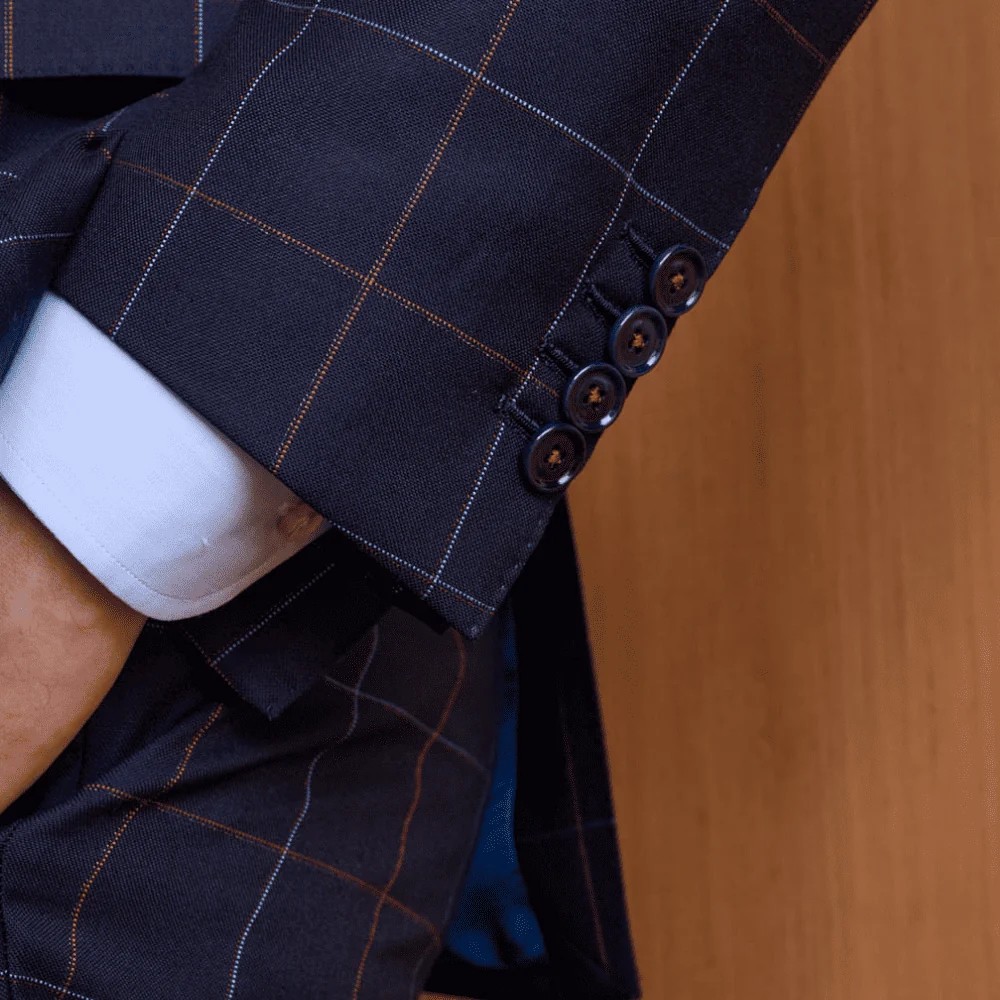
New Jersey professional wear tends toward a narrow palette. Navy, charcoal, mid-gray, maybe a pinstripe if you are feeling bold. These are power colors in a Northeast context, and they make sense under fluorescent office lighting against a backdrop of gray skies and bare trees. Miami is different. The light is different. The aesthetic is different. The expectations are different.
In Miami, you can and should lighten up. Think medium blue instead of navy. Light gray instead of charcoal. Olive, tan, and cream all work beautifully in South Florida. A cream linen suit that would look out of place at a Jersey City networking event is perfectly appropriate at a Brickell rooftop dinner. Pastel shirts, which might feel costume-y up north, are just normal here.
This does not mean abandoning professionalism. It means adapting it. A well-fitted olive tropical wool suit reads as sharp and intentional in Miami, not as a fashion experiment. A light blue cotton suit works for client meetings, happy hours, and weekend events alike. The key is fit. A perfectly tailored lighter-colored suit will always look more professional than an ill-fitting dark one. This is where custom tailoring from Bespoke By CB makes the difference. Off-the-rack in lighter colors often looks like a cruise ship outfit. Custom makes it look like it belongs.
Earth tones also translate well. A warm brown suit in a lightweight fabric is distinctive without being loud. Burgundy accessories, which were already acceptable in Northeast wardrobes, feel even more natural in Miami. The overall shift is from dark and heavy to light and breathable, but the range of acceptable colors actually expands. You have more options, not fewer.
Construction and Fit: Less Is More
In New Jersey, suit construction served a structural purpose. Heavy canvas, thick shoulder padding, and a lined jacket all helped the garment hold its shape against cold-weather layering. You wore a dress shirt, maybe a vest, a tie, and a jacket, and the construction needed to support all of that.
Miami demands the opposite. You want less structure, less lining, less padding. A half-canvas jacket provides enough shape to look tailored without trapping heat against your body. An unlined or quarter-lined jacket breathes dramatically better than a fully lined one. Soft shoulders, which use minimal or no padding, give a more relaxed silhouette that matches the South Florida aesthetic.
Fit also changes. In the Northeast, a trim fit works because you are not moving much under the suit. In Miami, you want a touch more room. Not baggy, but enough that air can circulate. A slightly higher armhole with a touch more chest allowance lets the garment move without clinging. Your trousers should have a clean line but not be painted on. This is something Bespoke By CB understands instinctively. Every measurement is taken with your lifestyle and climate in mind, not just a template pulled from a fitting guide.
The difference between a made-to-measure suit that accounts for Miami's climate and an off-the-rack suit designed for a New York showroom is enormous. You will feel it the moment you put one on and walk outside. The custom suit moves with you. The off-the-rack suit fights you.
Footwear: Ditch the Black Captoes
If there is one category where transplants from New Jersey resist change the most, it is shoes. You probably own a pair of black captoe oxfords. Maybe two. They were your go-to for interviews, meetings, and formal events. They are also the wrong shoe for Miami.
Black dress shoes are not banned in Miami, but they look heavy and out of place. The shift here is toward brown. Medium brown, cognac, tan, and even lighter shades all work. Loafers are enormously popular in South Florida, and a well-made penny loafer or tassel loafer can serve as your everyday business shoe. Suede is also more acceptable in Miami than in the Northeast, where rain and slush made it impractical for much of the year.
Open lacing styles, like bluchers, feel more appropriate than closed-lace oxfords for most Miami settings. A suede blucher in snuff brown with a lightweight suit is a quintessential Miami look. Save the black oxfords for evening events and formal occasions. Even then, a dark brown oxford often looks better with the lighter palette of a Miami wardrobe.
Do not forget the soles. Leather soles are fine, but rubber or Dainite soles handle Miami's occasional downpours and humid sidewalks better. You will also want a pair of driving shoes or canvas sneakers for casual weekends, because the sneakers you wore in Jersey for everything from grocery runs to gym sessions will feel wrong in Miami very quickly.
The Social Calendar Shift
New Jersey's social calendar revolved around seasons in a literal sense. You had winter galas, spring weddings, summer shore trips, and fall networking events. Your wardrobe rotated accordingly. Miami's social calendar is structured differently, and understanding the difference helps you dress for it.
Weddings in Miami happen year-round, but the peak season is winter and early spring, when the weather is at its best. A wedding in January in Miami is an outdoor event. You need a suit that works in seventy-eight-degree sunlight, not a heavy wool that works in a heated banquet hall. Bespoke By CB specializes in wedding attire that looks elegant in photographs and keeps you comfortable through an outdoor ceremony and reception. Lightweight fabrics, breathable construction, and colors that complement tropical settings are all part of the process.
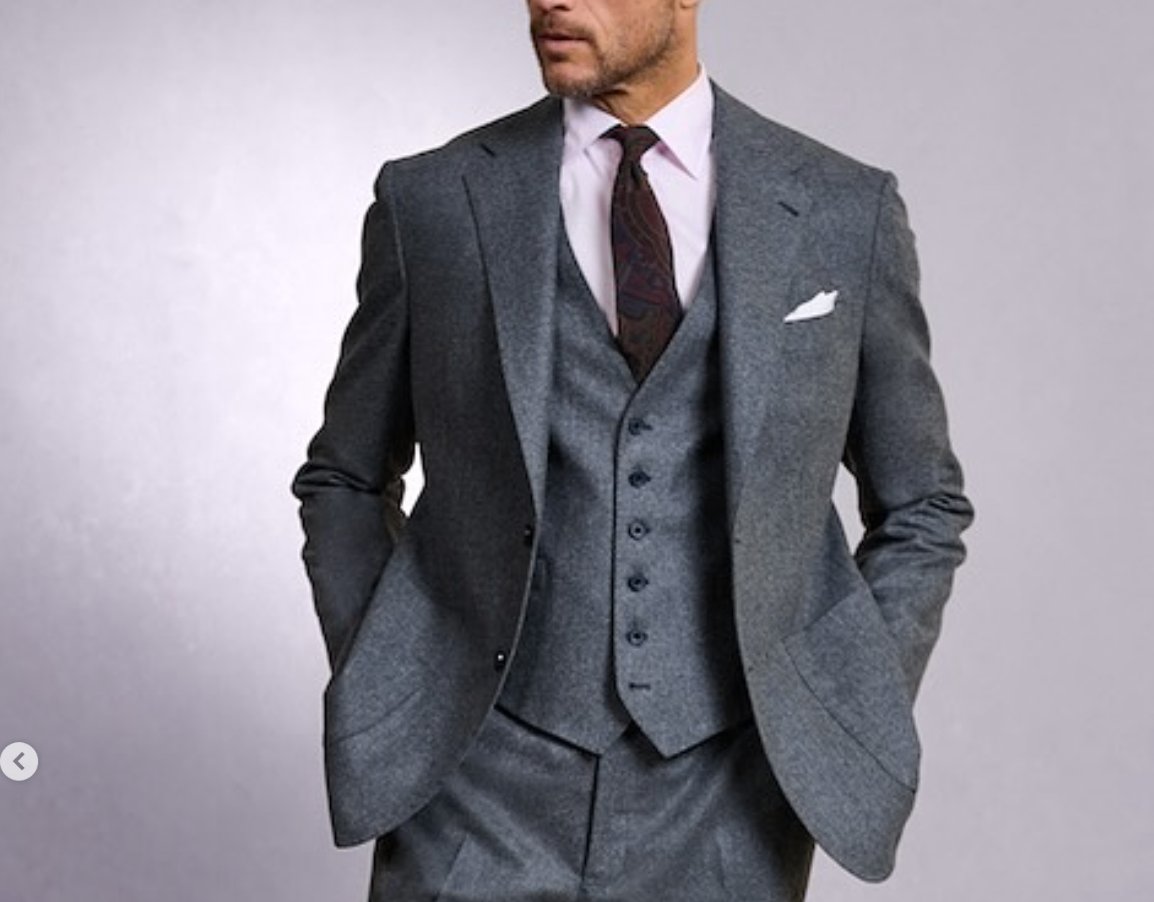
Art Basel in December is Miami's biggest cultural event, and it has a dress code all its own. Creative, stylish, slightly avant-garde. This is where your lighter palette and breathable fabrics can really shine. A cream linen suit with a patterned shirt and loafers fits right in. Your old charcoal flannel would look like you wandered in from a different city.
Business networking in Miami tends to be more casual than in the Northeast. The finance and tech scenes in Brickell and Wynwood operate with a relaxed professionalism. A sport coat and dress shirt without a tie is often the right call. Full suits are for client-facing meetings and formal events. Knowing when to dress up and when to dress down is something you learn by observing, but starting with versatile pieces from Bespoke By CB gives you the flexibility to go either direction.
Even dining out has a different rhythm. Miami restaurants often have outdoor seating, and the indoor spaces are air-conditioned aggressively. The transition between the two is where your wardrobe earns its keep. A breathable layer that works in both settings is worth more than a heavy jacket that only works inside.
How Bespoke By CB Helps New Jersey Transplants Rebuild
This is where Bespoke By CB becomes essential. Moving from New Jersey to Miami is disorienting enough without having to figure out an entirely new approach to dressing. Bespoke By CB is a Miami-based custom clothing company that understands the climate, the culture, and the specific needs of people who are rebuilding their wardrobe from scratch.
The process starts with a consultation. You can book an appointment through the Bespoke By CB website, and the team will walk you through fabric options, construction choices, and styling decisions that make sense for your specific situation. Are you working in a formal Brickell office? Are you freelancing from Wynwood coffee shops? Are you attending outdoor weddings every winter? Each scenario calls for different choices, and Bespoke By CB tailors the recommendations to you, not the other way around.
What sets Bespoke By CB apart is the understanding that a transplant's wardrobe rebuild is not a single appointment. It is a process. You might start with a versatile navy tropical wool suit and two custom shirts. Then add a linen blazer for social events. Then a cotton suit for weekends. The wardrobe builds over time, and Bespoke By CB keeps your measurements, preferences, and past orders on file so each addition is consistent with what you already own.
The fit is the other factor. Off-the-rack suits are designed for a statistical average, and the average was not computed with Miami's climate or lifestyle in mind. Bespoke By CB takes over twenty measurements per client, accounts for posture, shoulder slope, and stance, and constructs a garment pattern unique to you. This matters everywhere, but it matters especially in Miami, where the difference between a suit that breathes and one that does not often comes down to how it sits on your body. A well-fitted suit in the right fabric moves with you. A poorly fitted one in any fabric fights you.
Bespoke By CB also helps with the intangibles. The confidence that comes from knowing your wardrobe is appropriate for the setting. The relief of not being the person sweating through a meeting because you wore the wrong fabric. The pleasure of opening your closet and knowing everything in it works for where you live now. These are the things that make the transition from New Jersey to Miami feel less like a loss and more like an upgrade.
Frequently Asked Questions
Can I bring any of my New Jersey suits to Miami?
You can, but most will not get much wear. If you have a lightweight navy or mid-gray suit in a fabric under nine ounces, it may work for evening events in winter. Anything heavier should go into storage. Bespoke By CB can assess your existing suits during a consultation and tell you honestly what translates and what does not. The goal is not to sell you a new closet but to make sure what you wear actually works for where you live now.
How many suits do I actually need in Miami?
For most transplants, two to three suits cover the range. A navy tropical wool for business, a lighter-colored linen or cotton for social events, and optionally a third for formal occasions. You will get more mileage out of custom shirts and sport coats, which can be mixed and matched. Bespoke By CB helps you prioritize so you build the right pieces first instead of buying everything at once.
Is linen too casual for business meetings in Miami?
It depends on the meeting. For client-facing financial services meetings, tropical wool is safer. For creative industries, networking events, and internal meetings, a well-tailored linen suit is perfectly appropriate. The fit matters more than the fabric. A poorly fitted wool suit looks less professional than a well-fitted linen one. Bespoke By CB can guide you on fabric selection based on your industry and typical meeting environments.
What should I wear to a Miami wedding in winter?
A lightweight suit in a light to medium color is ideal. Cream, light gray, or a soft blue all work. Avoid black and dark charcoal, which look heavy and out of season. If the wedding is outdoors, prioritize breathable fabrics like linen or cotton blends. Bespoke By CB creates custom wedding suits that look sharp in photographs and keep you comfortable through a full day of celebration in the sun.
How long does the custom clothing process take with Bespoke By CB?
Typically, the process takes four to six weeks from consultation to final delivery. The initial consultation takes about forty-five minutes, where measurements are taken and fabric choices are discussed. A fitting appointment follows a few weeks later to ensure the garment is coming together correctly. Final delivery includes any necessary adjustments. Bespoke By CB also offers rush options for transplants who need a wardrobe quickly for a new job or upcoming event.
Moving from New Jersey to Miami is a fresh start in every sense. Your wardrobe should reflect that. The heavy layers, dark colors, and structured construction that served you in the Northeast do not belong in South Florida. What you need now is lightweight fabric, breathable construction, lighter colors, and a fit that accounts for a different way of living. Bespoke By CB exists to make that transition seamless. Book a consultation, talk through your needs, and start building a wardrobe that works for where you are now, not where you used to be.

