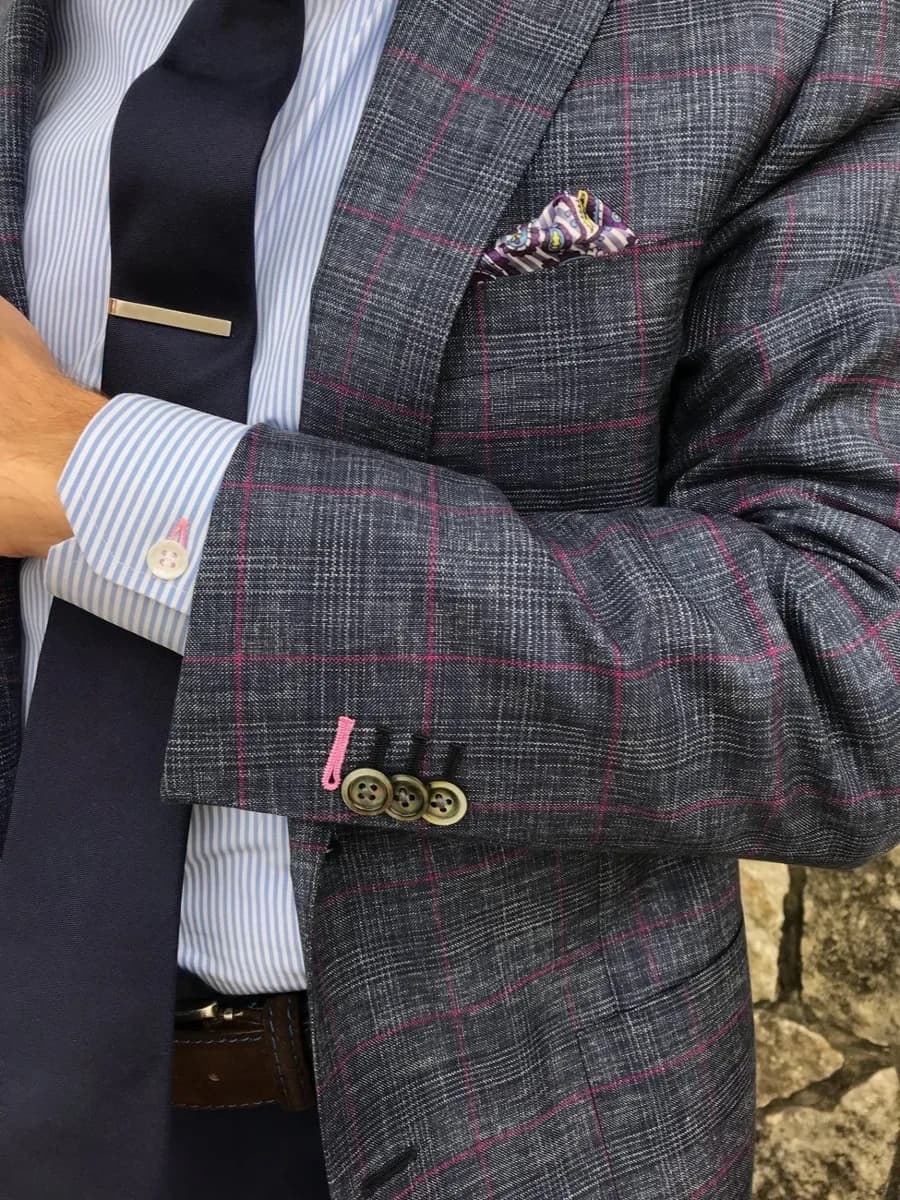
Sustainable Luxury: Eco-Friendly Custom Suiting
The conversation around luxury is changing. Today's discerning client wants to know where a garment came from, how it was made, and what its environmental footprint looks like. Sustainability and bespoke tailoring are a natural pairing, a suit made for you, by hand, from thoughtfully sourced cloth is already a more responsible choice than most of what hangs in a department store. And the options for eco-conscious suiting have never been better.
What Does Sustainable Luxury Mean in Bespoke?
Sustainable luxury is the intersection of uncompromising craftsmanship and environmental responsibility. In bespoke tailoring, it means selecting materials grown, processed, and woven with minimal ecological harm, then constructing garments designed to last for decades, not seasons. True sustainability looks at the full lifecycle: how the fiber was farmed, whether the mill operates cleanly, how the fabric is dyed, and how long the garment will serve its wearer. Bespoke addresses nearly every stage of that chain more responsibly than mass production ever can.
Eco-Friendly Fabric Options Worth Knowing
The fabric you choose is the single biggest sustainability decision in your suit. The world's best mills now offer extraordinary cloths that happen to be gentler on the planet.
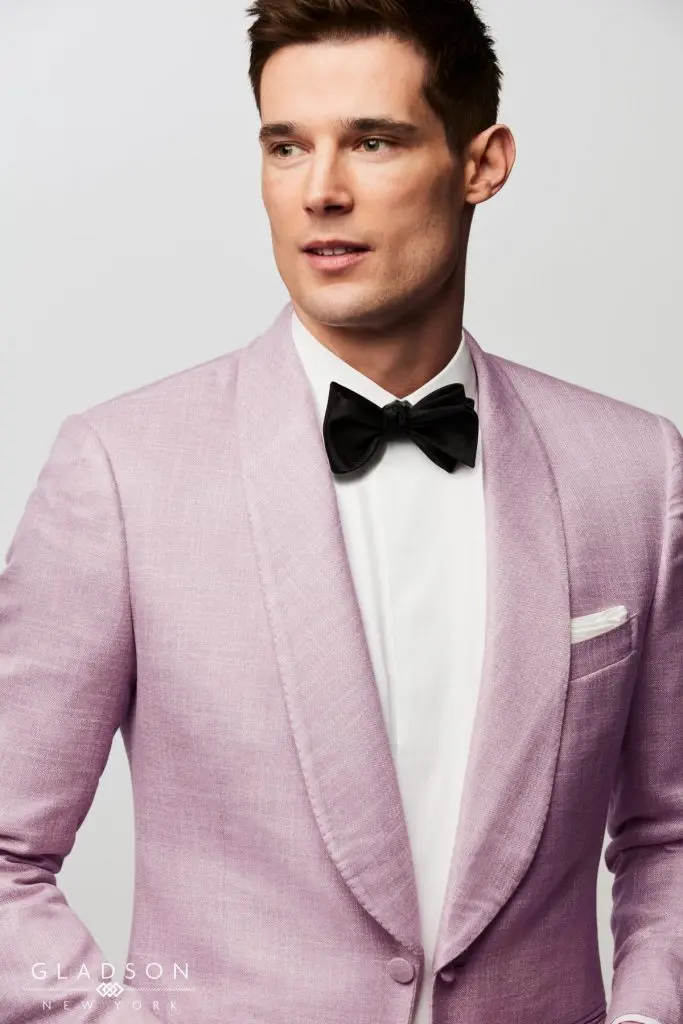
Organic Cotton
Grown without synthetic pesticides or fertilizers, organic cotton reduces water contamination and soil degradation. For shirt fabrics, it delivers the same crisp, breathable comfort you expect, with a cleaner supply chain behind it.
Recycled Wool
Several European mills now produce premium suiting cloth from post-consumer and post-industrial wool. The fiber is sorted by color (reducing dye use), mechanically recycled, and re-spun into fabric that performs nearly identically to virgin wool, with a fraction of the footprint.
Peace Silk
Peace silk, also called Ahimsa silk, allows the moth to complete its lifecycle before the cocoon is harvested. The resulting fiber is slightly more textured and matte, adding a beautiful, organic quality to linings and accent details.
Hemp Blends
Hemp is one of the most resource-efficient fibers on the planet: it grows densely, needs little water, and naturally suppresses weeds. Blended with wool or cotton, it produces durable fabrics with a relaxed character ideal for warmer climates like ours in Miami.
Tencel and Lyocell
Derived from sustainably harvested wood pulp, Tencel and lyocell fibers are produced in a closed-loop system that recovers and reuses over 99% of water and solvents. The resulting fabric is silky, breathable, and biodegradable, excellent for linings, shirts, and lightweight suitings.
Certified Mills: What to Look For
Not every fabric labeled "eco" lives up to the claim. Certifications provide third-party verification that a mill meets genuine environmental and social standards. Here are the ones that matter most:
GOTS (Global Organic Textile Standard), the gold standard for organic fibers, covering chemical inputs and fair labor practices.
OEKO-TEX Standard 100, certifies that finished fabric is free from harmful levels of restricted substances. A baseline safety mark for anything touching your skin.
ZQ Merino, the leading certification for ethical wool, covering animal welfare, environmental sustainability, and social responsibility at the farm level.
European Flax, guarantees linen made from European flax fiber, grown without irrigation and processed without industrial waste.
Bespoke vs. Fast Fashion: The Real Environmental Math
The fashion industry produces roughly 10% of global carbon emissions. Fast fashion drives most of that damage, churning out low-quality garments designed to be worn a handful of times and discarded. The average American throws away over 80 pounds of clothing per year.
Bespoke inverts that model. A well-made suit lasts 20 to 30 years, often longer with proper care. It is repairable, alterable, and adaptable, let it out, take it in, replace a worn lining. You are investing in something that will outlast trends and possibly pass to the next generation.
Mass-produced brands routinely overproduce by 15-20%, and unsold inventory is frequently landfilled or incinerated. Bespoke produces zero excess inventory. We cut only what you ordered, from cloth you selected, for your measurements. Experienced cutters optimize pattern layout for a single garment, achieving fabric utilization rates industrial production cannot match.
Bespoke By CB's Approach to Sustainable Suiting in Miami
At Bespoke By CB, sustainability is woven into how we work. Our made-to-order model means nothing is produced until you commission it. We partner with mills that hold the certifications above, and we're continuously expanding our eco-conscious cloths across our suiting and shirting collections.
Every garment is built with full canvas construction where applicable, generous seam allowances for future alterations, and hand-finished details that make repairs straightforward. We offer ongoing alterations and care guidance, because the most sustainable garment is the one you keep wearing.
For our Miami clients, we focus on climate-appropriate sustainable fabrics. Lightweight wools, linen-cotton blends, and Tencel-based fabrics perform beautifully in South Florida's heat while aligning with an eco-conscious approach. Our Miami custom suit consultations include fabric education so you can make informed choices about performance and provenance.
Fewer, Better Things
The most powerful sustainability decision you can make is also the most luxurious: own less, but own better. Three or four beautifully made suits, each tailored to you, each serving a distinct purpose, is more elegant, practical, and responsible than a closet full of disposable garments. We'd rather help you build a focused wardrobe than sell you something you'll forget in a year.
If you're curious about sustainable fabric options, we'd love to walk you through what's available. Book a consultation and we'll guide you through the selection, from certified mills to climate-appropriate cloth, so your next garment is as responsible as it is refined.
Frequently Asked Questions
What makes a fabric "sustainable" for suiting?
A fabric qualifies as sustainable when its fibers are grown or produced with minimal environmental impact, its processing uses clean methods like closed-loop water systems and low-impact dyes, and it carries third-party certification such as GOTS, OEKO-TEX, or ZQ Merino. Durability is also a factor, a long-lasting fabric is inherently more sustainable because it doesn't need replacing.
Are sustainable fabrics as high quality as traditional luxury fabrics?
Yes. The same heritage mills that produce traditional luxury cloth often produce their certified sustainable lines on the same looms. Organic cottons, recycled wools, and Tencel blends from top-tier mills match or exceed the performance of conventional fabrics. The sustainability story is additive, not a compromise.
Can sustainable fabrics work in a hot climate like Miami?
Absolutely. Many sustainable fabrics are ideal for warm weather. Linen-cotton blends with European Flax certification, lightweight recycled wools, and Tencel-based fabrics all offer excellent breathability and moisture management. We specialize in helping Miami clients choose fabrics that perform in the heat while aligning with their environmental values.
What can I do to extend the life of my custom suit?
Store suits on quality hangers that support the shoulders, give them 24 hours of rest between wears, brush them after each use, and have them professionally pressed rather than dry-cleaned as needed. Rotate between suits rather than wearing one daily. Bring the suit back for alterations as your body changes, and address small repairs promptly. A well-cared-for bespoke suit should serve you for decades.