

Washington DC and Miami could not be more different when it comes to dressing well. In the nation's capital, your wardrobe speaks a language of authority, tradition, and institutional respect. Dark wool suits, crisp white shirts, and conservative ties are the uniform of the city. Then you arrive in Miami and discover that the same suit that earned you respect on K Street feels like a personal sauna the moment you step outside Miami International Airport. The humidity hits you like a wall. The sun is relentless. The dress code has quietly but fundamentally changed. If you have recently moved from Washington DC to Miami, you are likely standing in your closet realizing that most of your professional wardrobe is suddenly inadequate for your new climate. This is a guide to understanding exactly what needs to change, what can stay, and how to rebuild your wardrobe with intention rather than frustration.
The DC Wardrobe: Built for Marble Offices and Four Seasons
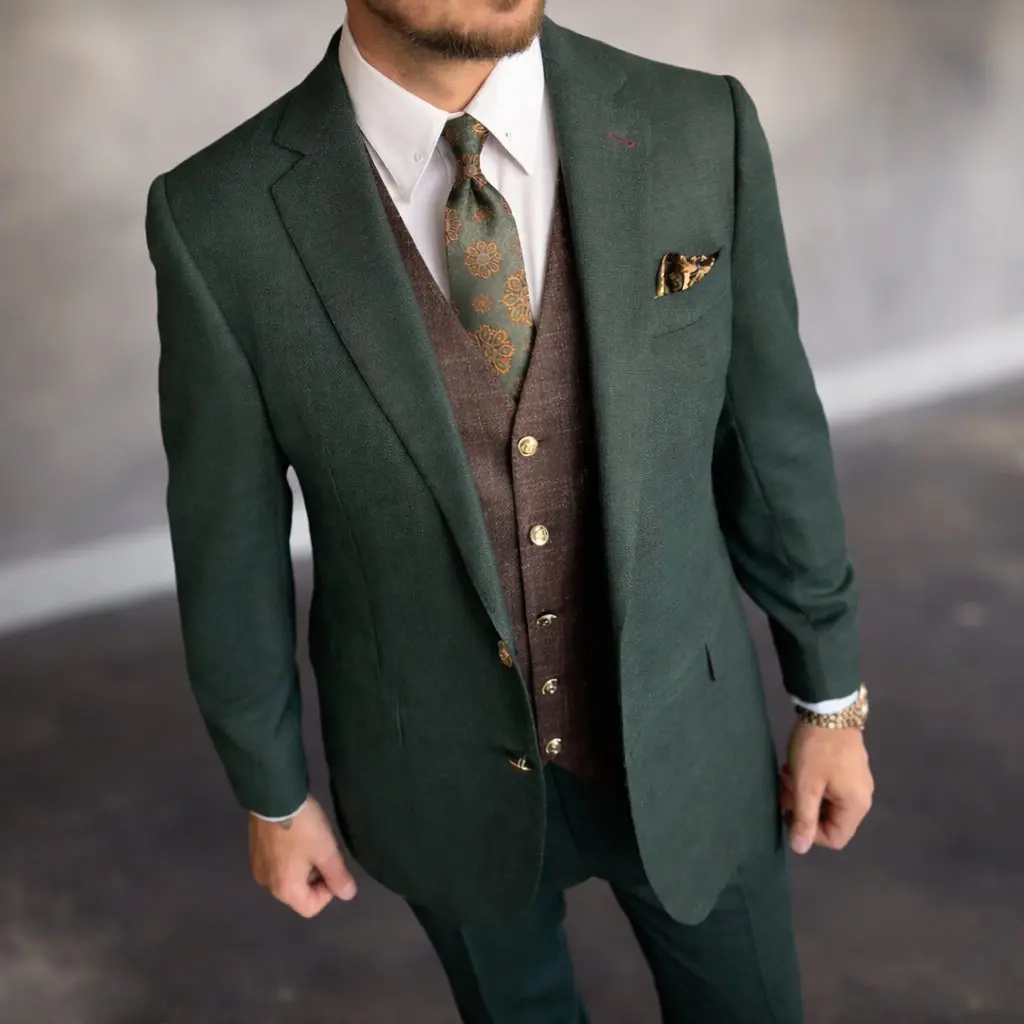
Let us start by acknowledging what your DC wardrobe does well. Washington is a city of structured formality. If you worked on Capitol Hill, in a law firm on Connecticut Avenue, or at any of the federal agencies scattered across Northwest, your daily uniform likely centered on a navy or charcoal wool suit. These suits are constructed from mid-weight worsted wool, typically ranging from 250 to 320 grams per meter. They are designed to hold a sharp crease through long days of meetings, maintain a crisp silhouette in air-conditioned offices, and project the gravitas that Washington culture demands. Your overcoats, your flannel trousers, your cashmere sweaters, and your heavy outerwear all serve a genuine purpose in a city where winter means business.
The problem is that almost none of this translates to Miami. The average high temperature in January, typically the coldest month in South Florida, is 76 degrees. In summer, the heat index regularly exceeds 100 degrees with humidity levels above 70 percent. A 280-gram worsted wool suit that felt perfectly comfortable in a DC office in November will make you miserable in Miami in any season. The construction methods that keep you warm in winter, the heavy linings, the full-canvas interlinings, the dense weaves, all work against you in a tropical climate. You cannot simply take your DC suits to a tailor and have them altered for Miami. The fundamental materials are wrong for the environment.
What Stays and What Goes: A Wardrobe Audit
Before you start shopping, conduct an honest audit of your existing wardrobe. Some pieces from DC can be repurposed for Miami's rare cold snaps or for travel back north. Others should be retired entirely. Here is a practical breakdown.
Keep for occasional use: One heavy charcoal or navy wool suit for winter travel, funerals, or trips back to DC during the colder months. A single overcoat if you travel frequently to cold climates. A couple of cashmere sweaters for overly air-conditioned Miami restaurants and offices in December and January when temperatures occasionally dip into the 50s. Your leather dress shoes, particularly your black cap-toe oxfords, which remain appropriate for formal evening events regardless of city.
Retire or donate: Multiple heavy wool suits in the same weight class. Flannel trousers. Heavy tweed sport coats. Anything with a thick synthetic lining. Ties in heavy silk weaves that trap heat around your neck. Dress shirts in high-thread-count cotton with a dense weave that restricts airflow. These items will sit in your closet unused, taking up valuable space while slowly going out of style.
Replace entirely: Your everyday suit rotation. Your dress shirts. Your casual professional wear. Your shoe collection. Miami demands an entirely different approach to fabric, construction, and color. This is where Bespoke By CB becomes an essential partner rather than just a clothing store.
Fabric Fundamentals for the Tropical Wardrobe
The single most important change you will make when rebuilding your wardrobe for Miami is your fabric selection. In DC, you chose fabrics for their structure, weight, and warmth. In Miami, you must choose fabrics for their breathability, moisture management, and ability to maintain a polished appearance in high humidity. Let us walk through the essential materials.
Tropical wool, also known as high-twist or fresco wool, is the backbone of any Miami professional wardrobe. This fabric is woven from tightly spun yarns in an open weave pattern that allows air to flow freely through the material. If you hold a swatch of premium tropical wool up to the light, you can literally see through the microscopic gaps. Despite this porous nature, the high-twist yarns resist wrinkling and maintain a clean drape throughout the day. A tropical wool suit at 220 to 250 grams per meter will keep you comfortable in a Miami boardroom while still looking sharp enough for a client presentation. This is the fabric that replaces your DC worsted wool.
Linen and linen blends are essential for Miami's social and semi-formal occasions. Pure linen offers unmatched breathability and moisture wicking, though it wrinkles characteristically. For professional settings, Bespoke By CB often recommends wool-linen blends that combine the breathability of linen with the structure and wrinkle resistance of wool. A 60 percent wool and 40 percent linen blend in a light grey or navy creates a suit that works beautifully for a Miami business-casual environment or a daytime event.
Lightweight cotton in poplin or voile weaves makes excellent dress shirts for the tropics. Unlike the dense, high-thread-count broadcloth you wore in DC, a cotton poplin shirt at 100 to 120 grams per meter allows heat to escape while maintaining a crisp, professional appearance. Seersucker, with its signature puckered texture, is another warm-weather staple that works well for less formal occasions.
Bamboo fabric is an innovative option that has gained significant traction in South Florida. Exceptionally soft, naturally moisture-wicking, and with a beautiful drape, bamboo offers a modern alternative to traditional materials. It feels luxurious against the skin and handles humidity remarkably well.
Construction Differences: Why Your DC Suits Fail in Miami
Beyond fabric, the internal construction of your garments plays a massive role in climate comfort. Most off-the-rack suits and many made-to-measure suits use fusible interlinings, essentially a layer of heat-activated glue that gives the jacket chest its shape. This glued layer acts as an impermeable barrier, trapping heat against your body. In a DC winter office, this is barely noticeable. In a Miami summer, it is suffocating.
True bespoke garments from Bespoke By CB use a floating canvas construction. Layers of natural horsehair and cotton are stitched loosely inside the chest, creating a flexible skeleton that holds the jacket's shape without restricting airflow. For Miami, we often recommend a half-canvas or fully unstructured build. Removing the lining from the back of the jacket, a technique called quarter-lining or buggy lining, allows the outer shell to breathe directly. The lining itself matters too. Inexpensive suits use synthetic polyester linings that trap moisture. A properly constructed Miami jacket features a lining made from Bemberg cupro, a natural cellulose fiber that is exceptionally porous and silky against the skin. These construction details are invisible to the eye but make the difference between suffering through a Miami afternoon and feeling perfectly comfortable.
Color Palette: From K Street to Brickell
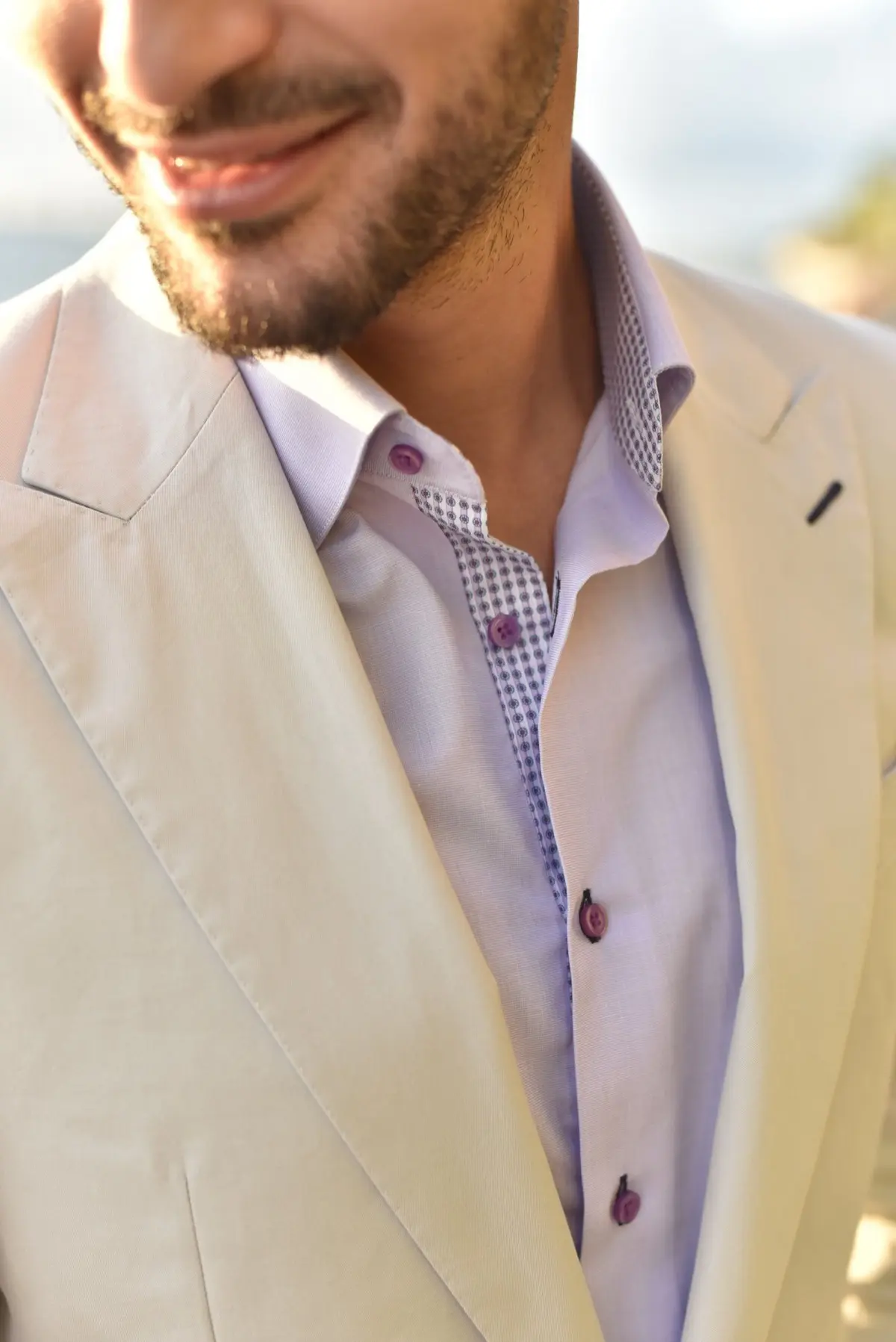
Washington DC is a city of dark, conservative colors. Navy, charcoal, and black dominate. These colors project authority and seriousness, which aligns perfectly with the institutional culture of the city. Miami, by contrast, offers a dramatically different light environment. The sun is brighter, the sky is more saturated, and the overall aesthetic of the city leans toward warmth and vibrancy. Carrying your all-dark DC palette into Miami will not only make you physically hotter, as dark colors absorb solar radiation, but will also make you look visually out of place.
This does not mean you need to abandon dark colors entirely. Navy remains an excellent choice in Miami, particularly in tropical wool for evening events. However, your everyday palette should expand to include lighter, cooler tones. Light grey is incredibly versatile and looks crisp in Miami's bright light. Tan and beige work beautifully for daytime and outdoor events. Soft shades of blue, from powder blue to a medium French blue, look striking under the South Florida sun. Olive green is an excellent option that pairs well with the tropical landscape. Cream and ivory, while bold, are spectacular for summer events and waterside occasions. The key is to build a palette that reflects your new environment while still feeling authentic to your personal style.
Dress Codes: What Changed When You Crossed the State Line
Beyond fabric and color, the entire concept of dress codes shifts when you move from DC to Miami. Washington has perhaps the most conservative professional dress code of any American city outside of financial services in New York. Meetings on the Hill, in federal agencies, and at law firms demand a full suit and tie. Removing your jacket during a meeting would be considered a faux pas in many settings. The tie is non-negotiable.
Miami's professional dress code is notably more relaxed, though this does not mean anything goes. The Brickell financial district and corporate offices still expect polished, professional attire, but the formality level has dropped by a notch or two. A tailored sport coat worn with dress trousers and an open-collar shirt is perfectly acceptable in most Miami professional settings. Ties are far less common. Suits are still worn for important meetings and client presentations, but the fabric is lighter, the color is often brighter, and the overall feel is less rigid.
For social occasions, the difference is even more dramatic. DC social events tend to follow strict protocols. Miami social events, particularly in the evening, often lean toward a sophisticated but relaxed aesthetic. A linen sport coat worn with a crisp dress shirt, tailored trousers, and suede loafers is a quintessentially Miami look that would read as underdressed at a DC dinner party. Understanding these cultural nuances is essential to dressing appropriately in your new city.
Footwear: Trading Your DC Brogues for Miami Loafers
Your shoe collection also needs a tropical overhaul. The heavy leather oxfords and brogues that served you well in DC are too heavy and too warm for Miami. Suede loafers, particularly in tassel or penny styles, are the quintessential Miami professional shoe. They look sharp, they breathe better than closed-lace oxfords, and they work with both suits and tailored separates. For more formal occasions, a lightweight calf leather derby in brown or oxblood remains appropriate. White bucks and saddle shoes are excellent for daytime events. The key is to choose shoes that are lighter in both color and construction than what you wore in DC.
It is also worth noting that Miami's frequent rain showers and occasional flooding make shoe choice a practical concern as well as an aesthetic one. Avoid delicate suede on days when rain is forecast. Keep a pair of more weather-resistant shoes at the office. Bespoke By CB can advise on appropriate footwear for your specific lifestyle and professional requirements as part of a comprehensive wardrobe consultation.
How Bespoke By CB Helps You Rebuild
At Bespoke By CB, we have guided countless professionals through exactly this transition. Moving from a temperate climate to a tropical one is not simply a matter of buying lighter clothes. It requires a fundamental rethinking of how your wardrobe functions, what fabrics perform in this environment, and how to maintain a professional appearance while staying comfortable in extreme heat and humidity.
As Miami's premier custom clothier, Bespoke By CB offers a consultation process that begins with understanding your specific situation. What is your profession? What does your daily schedule look like? How often are you outdoors versus in air-conditioned spaces? What events do you attend? Christian Boehm brings over 37 years of sartorial expertise to this conversation, and his knowledge of warm-weather tailoring is unmatched in South Florida.
From there, Bespoke By CB will guide you through fabric selection from the world's finest mills, including Loro Piana, Ariston, and Drago. We will help you understand the difference between a 220-gram tropical wool and a 280-gram year-round wool, and why that distinction matters enormously in Miami. We will recommend construction techniques, from half-canvas builds to unlined jackets, that maximize breathability without sacrificing structure. We will build a color palette that works for your complexion, your profession, and your new city. And every garment will be made to your exact measurements, ensuring a fit that off-the-rack clothing simply cannot match.
Bespoke By CB also understands that rebuilding a wardrobe is a significant investment. We work with you to prioritize the most essential pieces first, typically starting with two or three lightweight suits in versatile colors, then expanding into sport coats, shirts, and casual pieces as your budget allows. This is not a one-day shopping spree. It is a considered, phased approach to building a wardrobe that will serve you beautifully for years in your new home.
Building Your Miami Capsule Wardrobe
If you are wondering where to start, here is a practical capsule wardrobe for a professional man who has just moved from DC to Miami. This can be built over time and will cover the vast majority of your professional and social needs.
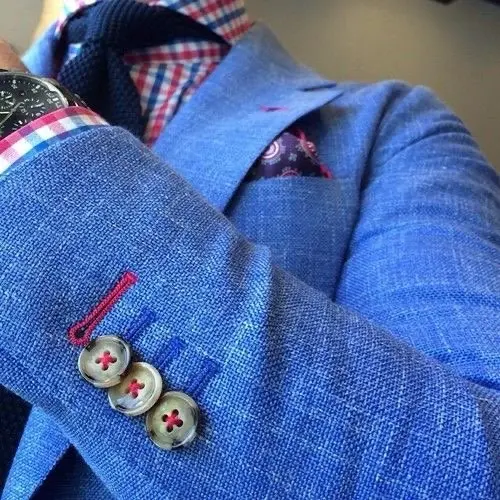
Start with two tropical wool suits in light grey and navy. These will handle your most formal professional needs. Add one wool-linen blend suit in tan or medium blue for daytime events and less formal occasions. Include two sport coats, one in a lightweight wool and one in a linen blend, for business-casual settings. Invest in five dress shirts in lightweight cotton poplin, primarily white and light blue. Add two pairs of tailored trousers in light grey and stone. Finish with two pairs of shoes, brown suede tassel loafers and a brown calf leather derby. This capsule gives you enough variety to dress appropriately for nearly any Miami situation while you build out your full wardrobe over time.
You can explore our full range of custom options on the men's custom clothing page, or learn about our custom shirts for breathable shirt options. If you are ready to begin the process, book a consultation with Bespoke By CB and take the first step toward a wardrobe that works as hard as you do in your new city. You can also learn more about bespoke vs made to measure to understand the difference in construction quality.
Frequently Asked Questions
Can I alter my existing DC suits to work in Miami?
In most cases, no. The issue is not just fit but fabric weight and construction. A 280-gram worsted wool suit with a full synthetic lining cannot be made breathable through alterations. You would need to deconstruct the jacket entirely, replace the lining, and the outer fabric would still be too heavy. It is more cost-effective to invest in new suits made from appropriate tropical fabrics.
How many suits do I need for a Miami professional wardrobe?
For most professionals, three to four suits in lightweight fabrics will cover your needs. Start with a light grey tropical wool, a navy tropical wool, and a wool-linen blend in a versatile color. This gives you enough rotation for weekly wear while you build out sport coats and separates for less formal days.
What should I wear to a Miami business meeting in summer?
A tropical wool suit in a light color, worn with a lightweight cotton poplin shirt and no tie, is perfectly appropriate for most Miami business meetings. If the meeting is with conservative clients, add a lightweight silk tie. Avoid heavy wool suits and dense cotton shirts at all costs between May and October.
Does Bespoke By CB offer wardrobe consultations for new Miami residents?
Yes. Bespoke By CB specializes in helping transplants rebuild their wardrobes for the South Florida climate. The consultation covers fabric education, color palette development, construction recommendations, and a phased purchasing plan that respects your budget and timeline.
Are ties ever appropriate in Miami?
Yes, but far less frequently than in DC. Ties are appropriate for formal meetings, court appearances, high-end client presentations, and evening events. For day-to-day professional wear, an open-collar shirt with a tailored sport coat or suit is the standard. When you do wear a tie, choose lightweight silk knits or linen blends rather than heavy woven silks.


