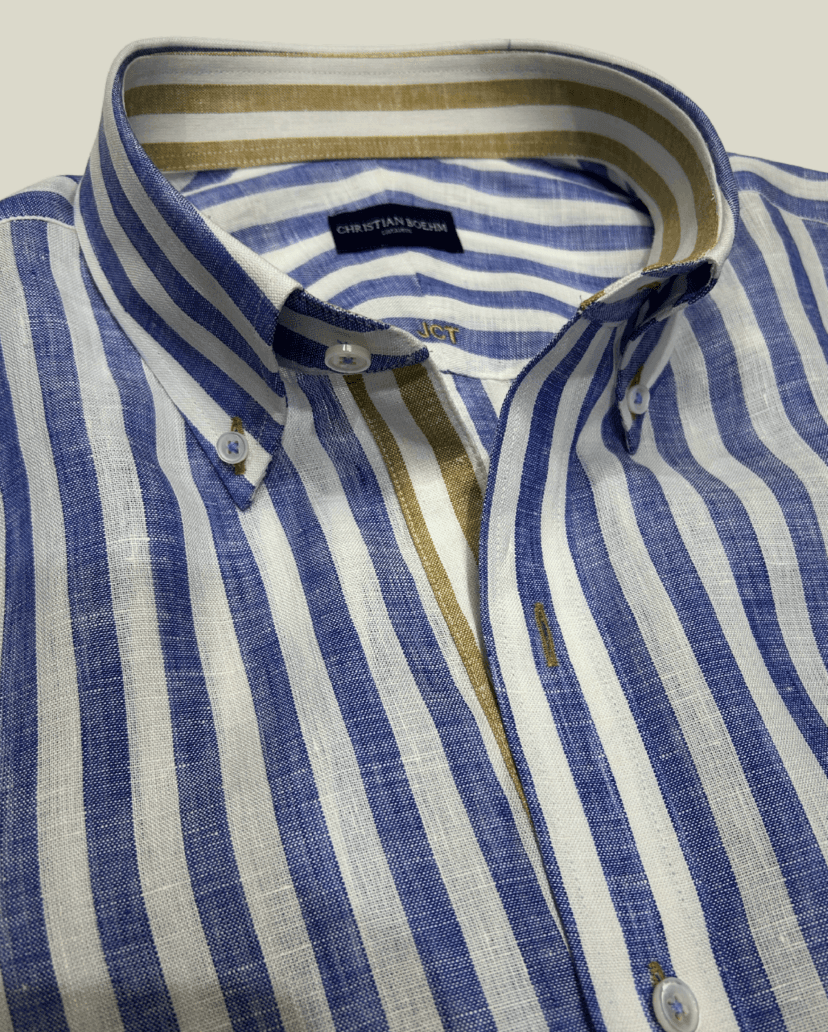
The Question Every Man Has Quietly Asked
Stand in front of the mirror in a white dress shirt and the question arrives on its own: should there be a second shirt underneath this one? Some men were taught that an undershirt is non-negotiable. Others were told it adds bulk, traps heat and ruins the clean line of a fitted shirt. Both camps can point to someone well dressed who agrees with them, which is exactly why the question deserves a real answer rather than a slogan.
The honest answer is that an undershirt is a tool, not a rule. Whether it helps or hurts depends on your shirt color, your shirt fabric, your climate, your body and the impression you want to make in the room. In a city like Miami, where a man can sweat walking from the parking garage to the lobby, the decision has real practical consequences. This guide walks through when an undershirt earns its place, when it works against you, and how to choose the right one when you do wear it.
What an Undershirt Actually Does
Before choosing, it helps to be clear about the job. An undershirt is a thin base layer worn between your skin and your dress shirt. It does three things well when it fits properly:
- It protects the dress shirt. Skin contact, perspiration and body oils are what yellow a collar and sour a shirt over time. An undershirt takes that abuse instead, and it is far cheaper to replace than a good dress shirt.
- It smooths your silhouette. Chest hair, nipples and skin tone can show through a light dress shirt, especially under bright office or ballroom lighting. A light base layer makes the dress shirt read as a clean, even canvas.
- It absorbs moisture before it reaches the shirt. A cotton or cotton-blend undershirt can catch sweat and keep the outer shirt drier for longer, which matters in a Miami summer or under stage or video lighting.
Notice what is not on that list: cooling you down. An undershirt does not lower your temperature, and a heavy one can make you feel warmer. It manages moisture and appearance, not the weather. Anyone promising that a particular undershirt will keep you sweat-free in August is selling more than fabric can deliver. Your personal comfort in serious heat is a matter of fabric weight in the dress shirt itself, hydration, and time in the sun, not a base layer.
The Case for Going Without
Plenty of well-dressed men skip the undershirt, and they have reasons worth respecting:
- Cleaner drape. Every layer under a dress shirt adds a small amount of thickness at the chest, the armhole and the waist. A slim shirt cut close to the body shows every seam and edge beneath it. Going undershirt-free gives you the smoothest possible surface.
- Cooler in real heat. One layer breathes better than two. If the day is brutally humid and your shirt is a breathable poplin or linen blend, going without can feel noticeably lighter.
- Nothing to hide. The most common undershirt failure is visibility: a collar peeking above the shirt collar, a sleeve edge showing at the cuff, or a gray shadow showing through white. No undershirt, no risk of any of those.
The trade-off is simple. Go without and you accept that the shirt rests directly against your skin. That is fine for a man who runs cool, works indoors and does not sweat much. It is riskier for anyone who perspires heavily, wears a deodorant that marks fabric, or wears a white or pastel shirt where skin shows through. If you go without, your shirt needs to be washed or laundered after each wear to keep the collar and underarms fresh.
The Case for Wearing One
The men who benefit most from an undershirt tend to share one or more of the following:
- They sweat noticeably. If your dress shirts show dampness under the arms by midday, an undershirt is doing protective work for both the shirt and your confidence.
- They wear white or light-colored shirts. White poplin is a beautiful, classic shirt and it is also among the least forgiving fabrics for visibility. Skin tone and chest hair show through in bright light.
- They want their shirts to last. Replacing yellowed shirts early gets expensive. A base layer extends the life of every good dress shirt you own.
- They move between extremes. In Miami, a man can walk from a blazing sidewalk into a freezing conference room in under a minute. A light undershirt is a modest buffer in both directions.
Crew Neck or V Neck
This is the choice that causes the most confusion, so let us settle it. The neckline is not a style preference to be debated. It is a technical decision based entirely on how you plan to wear the dress shirt collar.
Wear a V neck when your dress shirt will be worn open collar or buttoned without a tie. A V neck sits below the throat in a V shape, so when you leave your top button or top two buttons open, the undershirt is invisible. Look at yourself in the mirror from across the room: if you can see a white V above your shirt collar, the V is too shallow or too high for that collar. Deeper Vs and shorter collars solve this, and some men size down in the undershirt for exactly this reason.
Wear a crew neck when your shirt is fully buttoned or worn with a tie. A crew's round neckline frames the base of the collar and disappears under the shirt. It also gives the dress shirt collar a slight backing, which can help a soft collar stand a little cleaner. With a tie, a crew is often the more comfortable option because the shirt collar is fully closed and the undershirt has nowhere to poke out.
Never mix them up. The most common undershirt mistake is wearing a crew with an open collar. The white band shows in the triangle of open collar and it reads as either an error or, at best, an intentional fashion statement that suits very few occasions. The second most common mistake is a V cut too shallow for the open shirt, which shows the same white band anyway. The fix is choosing the neckline that matches the collar you plan to wear, not buying a single multipack for every situation.
One detail many men miss: even with a tie, a crew neck can show as a thin white arc above the collar at the sides if it is cut wide or worn stretched. Buy undershirts with a snug but not tight neckline, and replace any that have lost their shape. A stretched-out collar on an undershirt is not a comfortable shirt, it is a visible mistake waiting for the right camera angle.
The White Shirt Problem
Here is a question that lands in our consultations constantly: what color undershirt goes under a white dress shirt? Most men reach for white, which is intuitive and often wrong.
White under white is not invisible. A white undershirt under a white dress shirt creates two layers of white competing with each other, and the undershirt's outline shows through as a bright edge or a subtle ridge. Under bright office or event lighting the effect becomes even more pronounced, and it reads as busy rather than clean.
The better answer is a light gray undershirt, often called heather gray. Gray sits close to the value of most skin tones without being stark, so it disappears under white fabric far better than white does. For men with deeper skin tones, a tan, mocha or medium gray shade can read as even more invisible. The principle is that the undershirt should approximate what shows through the shirt naturally, not contrast with it.
Two cautions on the gray route: avoid dark gray or charcoal, which can show as a shadow, and avoid undershirts with logos or graphics of any kind, which can telegraph their shape through the fabric. A plain, close-fitting, light gray crew or V is the dependable default under white.

Under Light Blue, Pink and Patterned Shirts
Under colored shirts, the same principle applies: match the tone of the undershirt to what would naturally show through. Under light blue, a light gray or a light blue-gray works. Under pink or lavender, gray again, or a flesh-toned layer. Under busy patterns, including stripes and small checks, the pattern itself does most of the hiding work, but light gray still beats white for disappearing.
If the shirt is opaque, meaning you cannot see your hand through it when you hold fabric up to the light, then the undershirt color matters less. The real problems are the thin end of the market: sheer white poplins, washed linens and lightweight summer shirtings. These are the fabrics that betray the layer beneath. Test your shirt at a window before trusting it under harsh light.
Fabric, Fit and Weight
The three F's determine whether an undershirt helps or sabotages an outfit.
Fabric. Cotton is the classic choice: breathable, absorbent and easy to launder. Combed or Pima cotton feels softer and lasts longer than basic carded cotton. Cotton blended with a small amount of elastane holds shape through a long day. Performance microfibers and modal blends wick moisture and dry fast, and many men in Miami prefer them, though wicking is not the same as cooling, and some synthetics hold odor over time. Whatever you choose, avoid heavyweight ribbed tanks and thermal fabrics under a dress shirt; those belong under flannel, not poplin.
Fit. An undershirt should be close to the body without pulling. A loose undershirt bags at the waist, bunches under your belt and shows as lumps under a slim dress shirt. An overly tight one rides up, crawls out from under your waistband and wrinkles under the arm. When in doubt, size down slightly rather than up. The shoulder seam of the undershirt should sit at or just inside your shoulder point, and the hem should be long enough to tuck and stay tucked.
Weight. The thinner the undershirt, the better it hides. Look for descriptions like "second skin," "micro" or lightweight jersey in the 140 to 180 gram range. Heavyweight undershirts are warmer and more visible; they are for winter tailoring, not Miami in June. If an undershirt's outline is visible through your dress shirt in a fitting-room mirror, it is too heavy for that shirt.
The Heat and Humidity Factor
In South Florida, the undershirt decision is rarely about warmth. It is about moisture and recovery. A humid morning walk to the car can dampen a shirt before you reach the office, and an undershirt can carry that first sweat instead of the shirt collar and underarms. If your day includes outdoor time, a commute or a walk between venues, the protective argument for a light undershirt is strong.
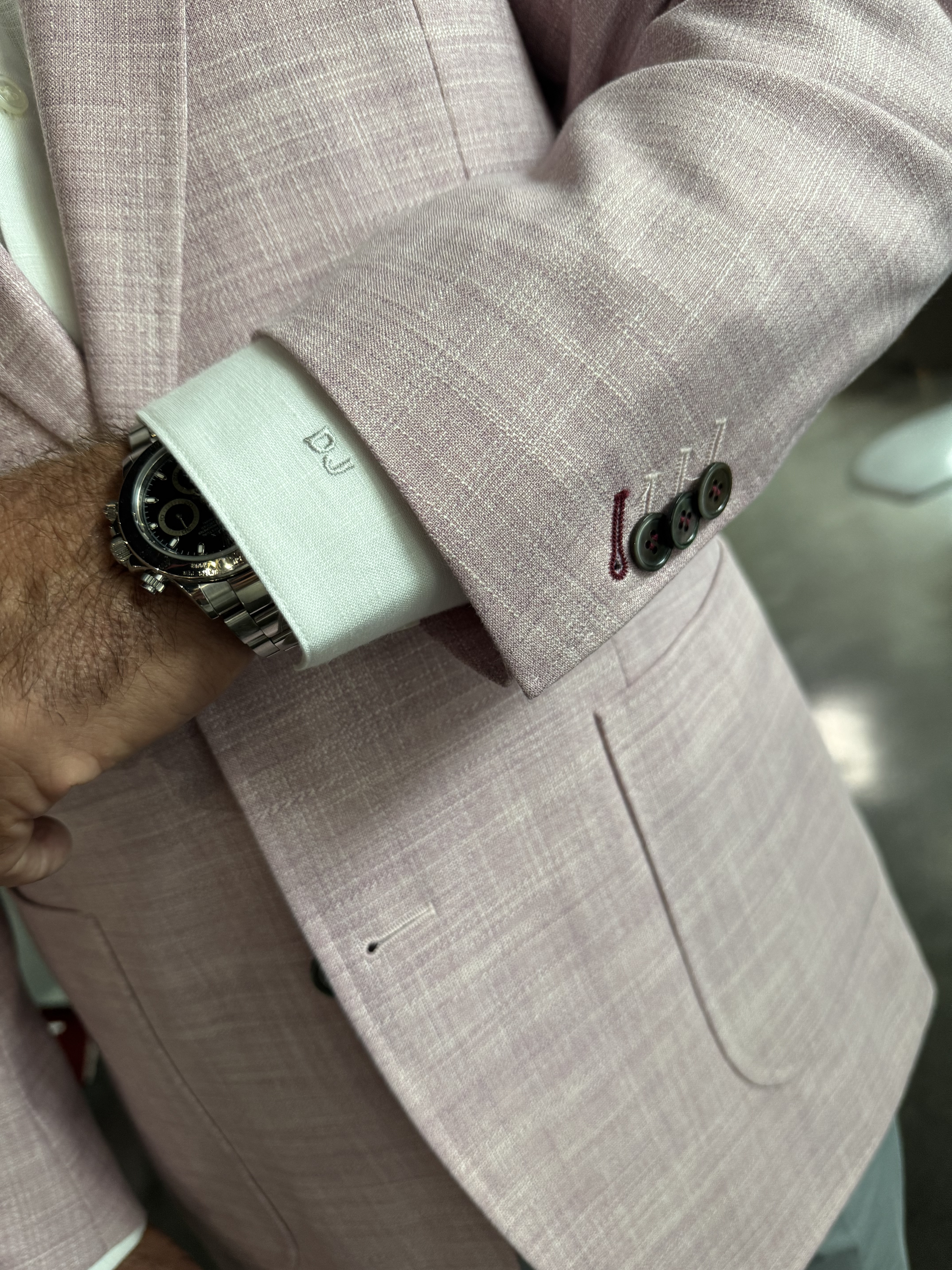
At the same time, layering in serious heat has a cost. Two layers trap a thin film of still air between them and can feel warmer on a windless afternoon. The practical compromise most Miami professionals land on: wear a thin undershirt on days with sun exposure or a long outdoor segment, and skip it on days spent entirely in air conditioning in an opaque shirt. Own both options in your drawer rather than committing to a single policy.
Remember the earlier caution: no undershirt guarantees a dry look in extreme heat. If your mornings are predictably brutal, the higher-leverage fixes are a lighter dress-shirt fabric, a looser collar and a slower pace to the door.
Undershirts and the Fit of the Dress Shirt
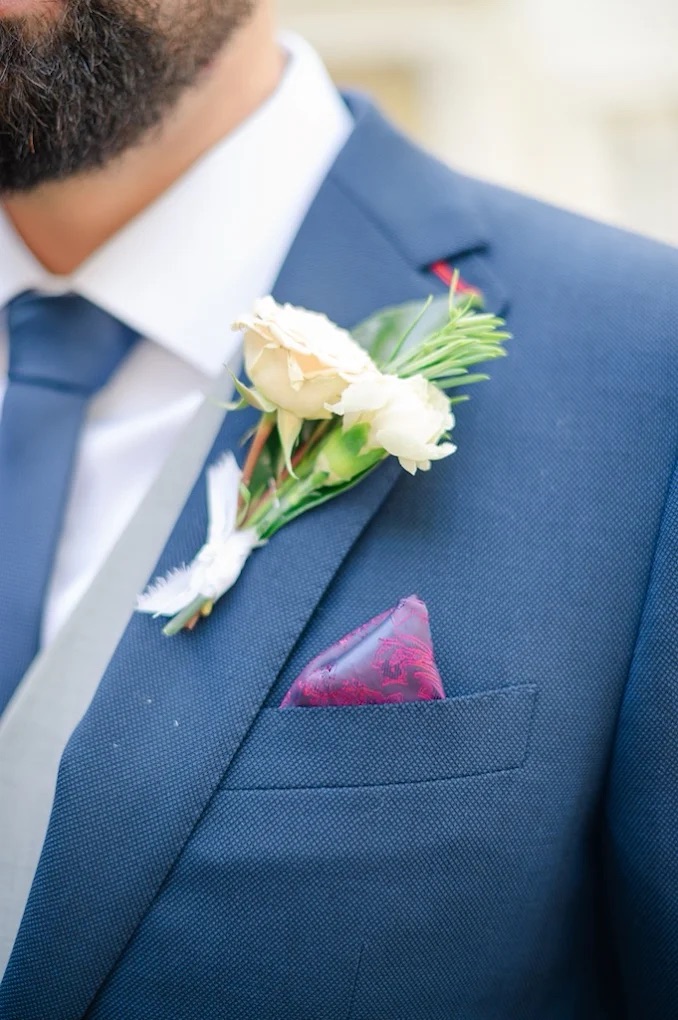
An undershirt changes what your dress shirt needs to do. If you wear one regularly, your dress shirt should be cut with the layer in mind: enough room through the chest and armhole to sit cleanly over the base layer, without enough extra to billow. A shirt cut skin-tight with no allowance will compress the undershirt, show its edges and pull at the buttons. A shirt cut with an inch of daylight everywhere will hide the undershirt but lose the tailored silhouette you paid for.
This is one of the quiet advantages of custom shirts: the pattern is drafted from your actual measurements, wearing exactly what you plan to wear. During a Bespoke By CB fitting, tell us if you wear an undershirt every day, and the shirt pattern is drafted with that layer accounted for, so the finished shirt fits the way you dress in the real world rather than the way a size chart assumes you dress.
Occasion-by-Occasion Guidance
- Job interview or boardroom presentation: Wear a light gray crew under a fully buttoned white or light blue shirt. Maximize the clean canvas and protect the shirt during a high-stakes day.
- Client lunch in Miami heat: Thin V neck under a shirt worn open at the collar, in a breathable fabric. It disappears visually while absorbing the walk between the car and the table.
- Evening event or gala: Formal white shirts under black tie benefit from a flesh-toned or light gray layer to keep the shirt front perfectly even under event lighting.
- Casual Friday, no tie: Personal preference takes over. If your shirt is opaque and you run cool, go without. If the shirt is thin or white, a deep V stays hidden.
- Travel days: Wear one. Airport terminals, long flights and luggage-heavy walking raise sweat risk, and the undershirt protects the one shirt you packed for the meeting.
How Bespoke By CB Helps
The undershirt question is really a fit-and-fabric question, and that is the ground Bespoke By CB works on every day. During a shirt consultation at Bespoke By CB, we start with how you actually wear your shirts: buttoned or open collar, with or without a base layer, laundered weekly or worn in rotation. Your answers change the collar height, the placket, the body ease and the fabric we recommend.
Because Bespoke By CB drafts each shirt from your measurements, the layering decision is engineered in from the start rather than fought at the mirror. If you always wear an undershirt, your shirt pattern carries the allowance. If you never do, we focus on slightly more opaque, breathable shirtings so the shirt stands on its own. Either way, Bespoke By CB's Miami clients end up with shirts that look the same at 5 PM as they did at 9 AM.
If you have never had a shirt that fit this precisely, start with a consultation. Bespoke By CB will walk you through fabric weights, collar shapes and fit options in person, and you can see and touch the difference a properly engineered shirt makes. Custom shirts from Bespoke By CB start at $240, and a wardrobe consultation is the easiest way to decide how many you actually need and which fabrics fit your life in South Florida.
Frequently Asked Questions
Should I wear an undershirt with a white dress shirt?
In most cases, yes, and in light gray rather than white. White dress shirts are the most transparent shirts most men own, and skin tone and chest hair commonly show through under bright light. A close-fitting light gray crew, worn with the shirt fully buttoned, keeps the shirt front clean and even while protecting the fabric from perspiration. If your white shirt is an opaque heavyweight and you run cool, going without is defensible, but the base layer is the safer default for long days and important rooms.
What color undershirt is invisible under white?
Light heather gray is the most reliable choice, and for many men a tan or mocha tone reads as even more invisible because it approximates skin tone. Pure white under white creates contrast lines and can show the undershirt's outline more, not less. Avoid dark gray, black and any printed or logo undershirts, which can read as shadows or shapes through the fabric.
V neck or crew neck under a dress shirt?
Let the collar decide. Wear a crew neck when the shirt is fully buttoned or worn with a tie, because the round neckline hides under the closed collar. Wear a V neck when the collar is open at the top button or two, because the V sits below the open collar and stays out of sight. Wearing a crew under an open collar is the single most visible undershirt mistake, so match the neckline to the collar rather than buying one style for everything.
Does an undershirt keep you cooler in Miami heat?
No, and it is worth being direct about that. An undershirt manages moisture and protects the dress shirt; it does not lower your body temperature. A thin, lightweight undershirt can absorb the first sweat of a walk from the parking garage so the dress shirt stays presentable, but two layers can also feel warmer than one on a windless afternoon. For real heat relief, the bigger levers are lighter dress-shirt fabrics, hydration and limiting sun exposure.
Does wearing an undershirt make a dress shirt look bulky?
Only if the undershirt is too heavy, too loose or too big. A lightweight, close-fitting undershirt in a thin jersey or cotton blend disappears under a properly fitted shirt. Bulk appears when the base layer bags at the waist, bunches at the belt or is cut with a shoulder seam wider than your own. Buy undershirts one size closer rather than one size looser, choose thin fabrics, and replace any that have stretched out of shape.
How tight should an undershirt fit?
Fitted but not compressive. The shirt should follow your torso without pulling at the chest, ride up at the hem or crawl out from under your waistband. The shoulder seam should sit at or just inside your shoulder point, and the hem should be long enough to stay tucked through a full workday. If the fabric wrinkles under the arm or the neckline gapes, the fit is wrong regardless of the size on the label.
Should I wear an undershirt with a tuxedo or black tie outfit?
A very thin layer in a flesh or light gray tone is a common choice, and the goal is invisibility under a formal white shirt, which is often worn with a stiff collar and a bib or pleated front. Avoid any crew neck that can show above the collar or at the sides, and avoid anything with elasticity that distorts the shirt front. If your formal shirt is properly opaque, many men skip the layer entirely, so let the shirt and your comfort decide.
How do I stop my undershirt from showing at the collar?
Fix the neckline match first: crew for buttoned collars, V for open ones. If a V still peeks out, choose a deeper V or a lower-cut style, or size down slightly so the neckline sits where the shirt collar sits. For crews, replace stretched undershirts and choose a neckline that hugs rather than gaps. A quick mirror check from across the room, under the brightest light available, is the fastest way to catch the problem before someone else does.
Do Bespoke By CB custom shirts work with undershirts?
Yes, and it is one of the strengths of a drafted pattern. Tell your Bespoke By CB consultant that you wear an undershirt daily and your shirt is drafted with that layer accounted for, with the right allowance through the chest and armhole so the shirt sits cleanly over the base layer. If you prefer to go without, we steer you toward more opaque, breathable shirtings so the shirt looks clean on its own.
How many undershirts do I need?
Treat them like socks: enough that laundry never forces a decision. Most professionals who wear one daily do well with ten to fourteen in a single style and color they trust, so a heavy week or a travel stretch never leaves the drawer empty. Having all of them in the same light gray or neutral tone also means any one of them works under any shirt, which removes the morning decision entirely.