

Why Winter Is the Best Season for Sport Jackets
Winter is when the sport jacket truly shines. In summer, tailoring is a negotiation with heat, you lighten the fabric, open the weave, and hope the humidity does not win. But winter? Winter is when a sport jacket gets to be everything it was designed to be: layered, textured, rich, and expressive.
Cold weather gives you permission to build depth into your outfit. A wool sport jacket over a fine-gauge knit, a shirt underneath, a scarf at the collar, and an overcoat on top, that is five layers working together, each one adding something visual and functional. Summer limits you to two. Winter lets you tell a full story.
Texture is the other reason. The fabrics that make the best winter sport jackets, flannel, tweed, corduroy, cashmere blends, have a tactile quality that simply does not exist in lightweight summer cloth. They catch light differently. They pair with knitwear in a way that smooth worsted wool cannot. And because winter outfits are heavier and darker overall, a jacket with character becomes the focal point instead of just a neutral backdrop.
So if you have been saving your sport jackets for spring and fall, it is time to rethink. Winter is not the season to put tailoring away. It is the season it was made for.
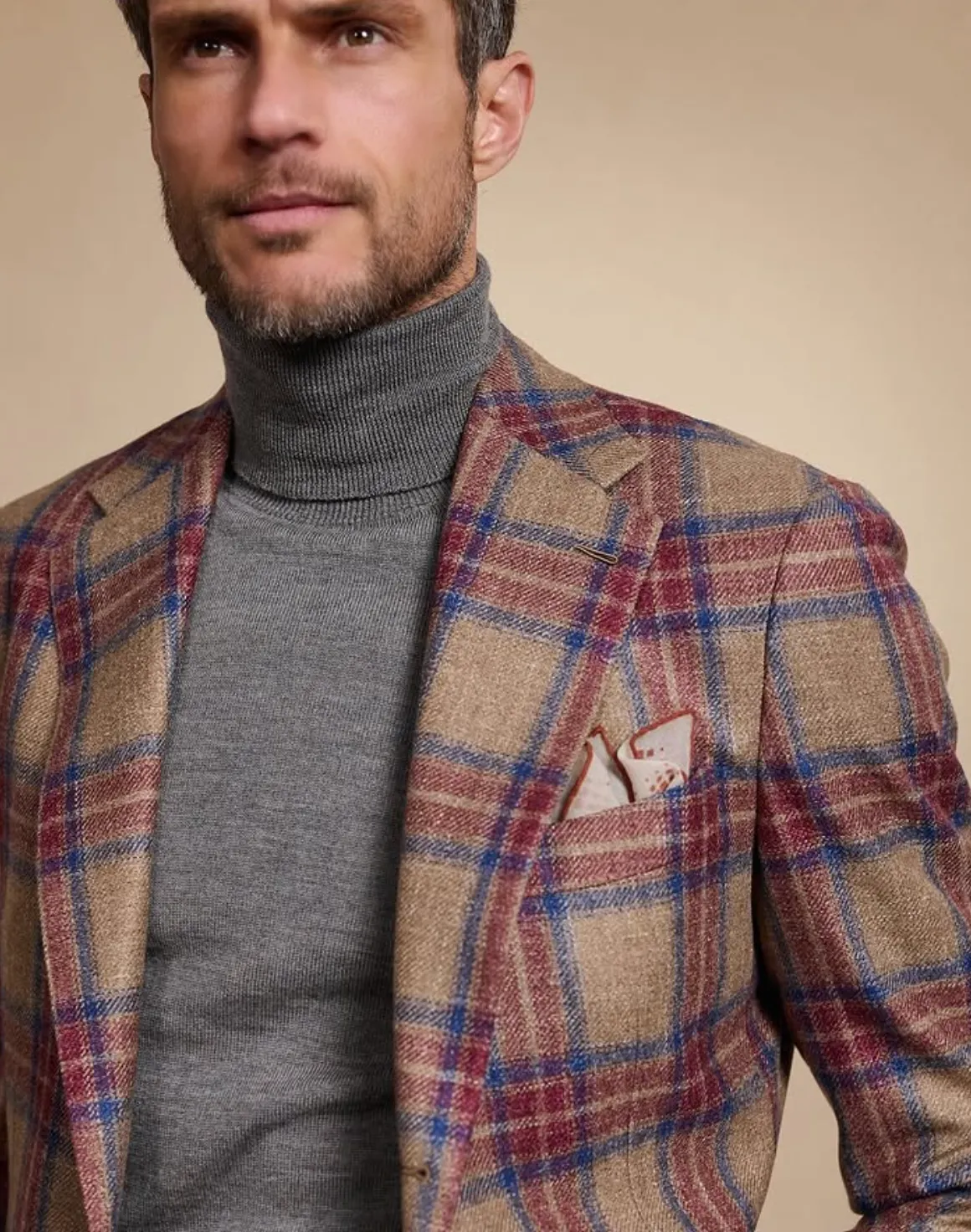
Winter Sport Jacket Fabrics (and How to Style Them)
The right fabric matters, but this section is about what you do with it, because a winter sport jacket is only as good as the outfit you build around it.
Flannel
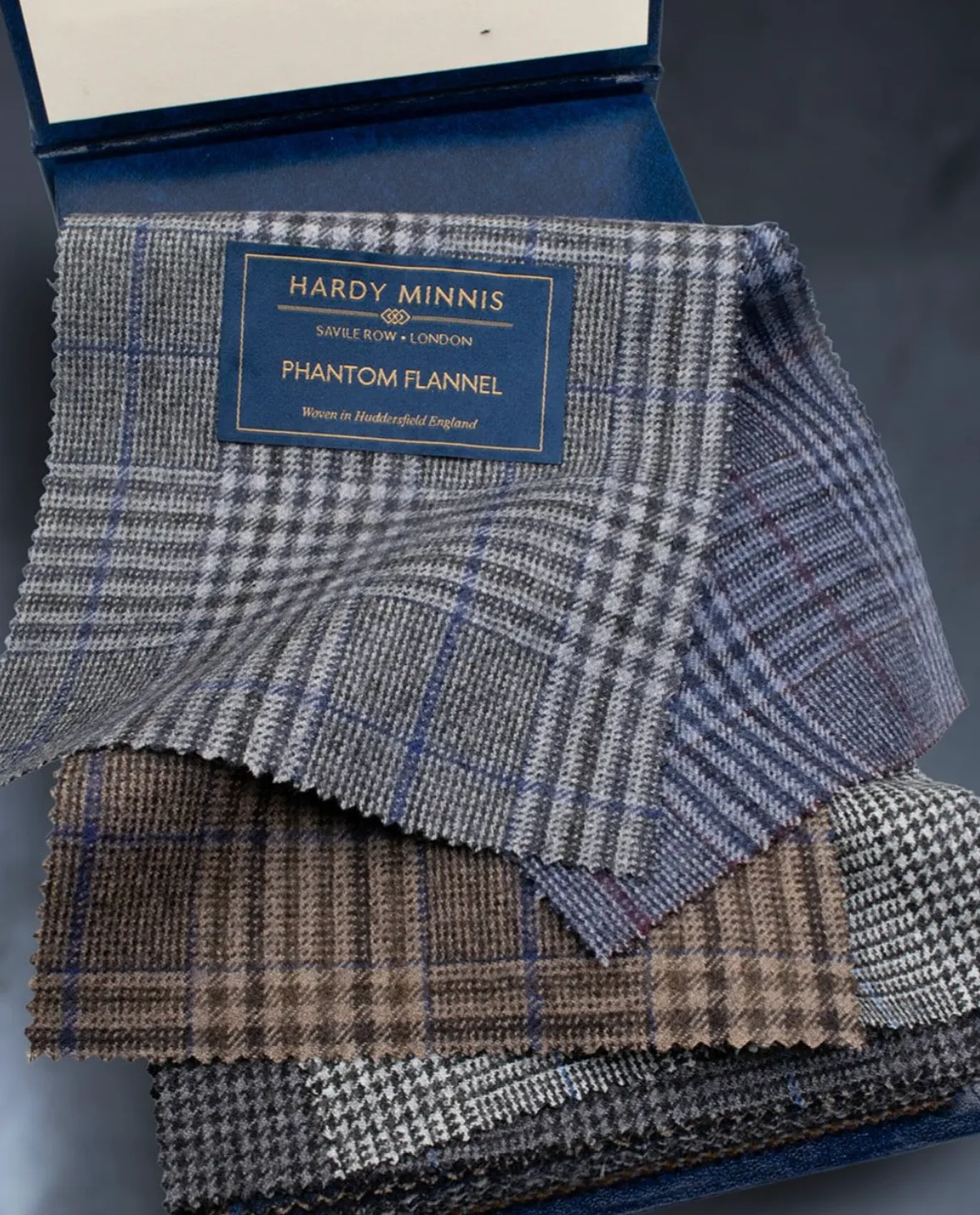
Flannel is the king of winter tailoring. It is brushed wool with a soft, slightly fuzzy surface that reads warm even from across a room. Styling: Pair a charcoal or navy flannel sport jacket with a cream merino crewneck and grey flannel trousers. The tonal combination is sophisticated, and the shared texture of flannel-on-flannel creates a cohesive look that feels intentional without being stiff.
Tweed
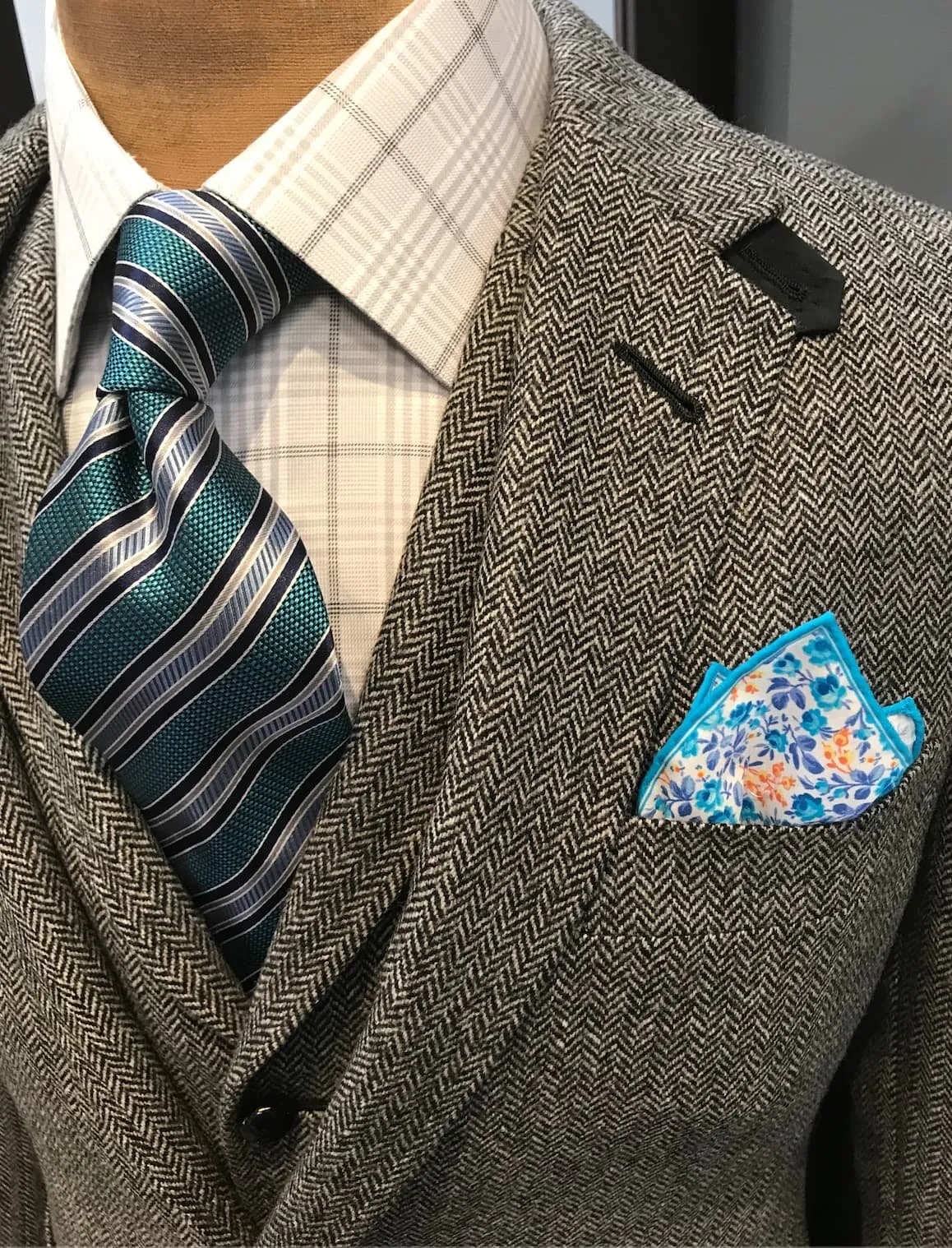
Tweed brings pattern and heritage. Think Donegal, herringbone, or Prince of Wales check in heavier weight wool. Styling: A tweed jacket over a turtleneck in a solid color (burgundy or forest green) with corduroy trousers is the classic cold-weather combination. It leans professorial in the best way, smart, grounded, and completely at home in a restaurant, office, or weekend setting.
Corduroy
Corduroy sport jackets have returned, and the new versions are leaner and more refined than the boxy ones from decades past. Styling: A wide-wale corduroy jacket in burnt orange or deep brown over a button-down shirt and wool trousers gives you a relaxed but elevated look. It pairs especially well with knit ties and suede shoes.
Cashmere Blends
Cashmere-blend wool is the luxury play. It is softer, lighter in hand than flannel, and drapes beautifully. Styling: A cashmere-blend jacket in camel or navy is the easiest piece to dress up for evening, over a fine-gauge turtleneck, dark trousers, and polished leather lace-ups. It looks expensive because it is, and the styling stays minimal so the fabric speaks.
Layering Strategies: Four Ways to Wear a Sport Jacket in Winter
Layering is the core skill of winter style. The goal is warmth without bulk and visual interest without clutter. Here are four systems, each one a complete approach.
1. The Three-Layer System: Jacket + Merino Crewneck + Shirt
This is the most versatile winter combination and the one you will reach for most often.
Base layer: A crisp button-down shirt in white or light blue. This is your collar, it frames the face and keeps the look tailored.
Mid layer: A fine-gauge merino wool crewneck in a winter color, burgundy, forest green, oatmeal, or navy. Merino is thin enough to layer without bulk but warm enough to make a real difference.
Outer layer: Your sport jacket, cut with enough room in the chest and shoulders to accommodate the layers underneath.
The beauty of this system is adaptability. Indoors, you can remove the jacket and still look complete in the crewneck and shirt. Outdoors, add a scarf and overcoat and you are ready for anything.
2. Jacket + Vest + Shirt
A vest under a sport jacket is an underrated combination that adds core warmth without adding sleeve bulk. Two directions:
Shooting vest: A quilted or moleskin shooting vest in brown or olive under a tweed jacket. This leans country and works beautifully for weekend wear, dinners, and travel.
Dress vest (waistcoat): A tonal or contrasting waistcoat, same fabric family as the jacket but a different shade. A charcoal flannel jacket over a lighter grey waistcoat and white shirt reads like a three-piece suit but with the flexibility of separates.
Either way, the vest fills the gap at your chest where cold air creeps in, and it adds a layer of visual interest that a straight jacket-and-shirt combination cannot match.
3. Jacket + Turtleneck
This is the sleekest winter option and the most modern. A fine-gauge turtleneck, merino or cashmere, in a solid dark color under a sport jacket eliminates the need for a shirt and tie entirely.
Color pairings: Black turtleneck under a charcoal jacket. Burgundy turtleneck under a navy jacket. Camel turtleneck under a brown herringbone jacket. Every one of these reads as confident and intentional.
Why it works: The turtleneck replaces the shirt collar, so the jacket's lapel and the turtleneck's clean line frame your face without any fuss. It is warmer than an open shirt-and-knit combination and looks sharper.
If you are attending a winter evening event and want to skip the suit-and-tie formula, this is your move.
4. Jacket + Cardigan + Shirt
The cozy professor. A fine-gauge cardigan, not a chunky knit, layered between your shirt and sport jacket adds warmth and a textural layer that feels studied and relaxed at once.
How to wear it: Button-down shirt, thin cardigan in a complementary tone (heather grey, navy, or oatmeal), sport jacket on top. Leave the cardigan unbuttoned or fasten the bottom two buttons for a cleaner line.
When it works: Daytime winter events, long office days where you want comfort, weekend dinners. It is the least formal of the four systems and the most comfortable for all-day wear.
Winter Color Palettes
Winter rewards depth. The colors that look best in cold-weather tailoring are the ones that feel like they belong to the season, saturated, grounded, and warm without being bright.
Burgundy: The most versatile winter accent color. A burgundy knit under a navy or charcoal jacket is instantly elevated.
Forest green: Rich and unexpected. Pair with brown or charcoal jackets. It reads confident without being loud.
Charcoal: The winter alternative to black. Softer, more approachable, and easier to pair with other tones.
Navy: Year-round, but in winter it takes on a different character when paired with textured fabrics and heavier knits.
Brown: The breakout color for modern menswear. A brown sport jacket with a cream knit is one of the sharpest winter combinations you can wear.
Camel: Warm, luxurious, and a perfect contrast against dark winter layers. A camel overcoat over a navy sport jacket is timeless.
The rule of thumb: pick two dark tones and one lighter accent. Navy jacket, charcoal trousers, cream knit. Brown jacket, grey trousers, burgundy knit. The combinations are endless, but the structure keeps you from overcomplicating.
Outerwear Pairings: What Goes Over Your Sport Jacket
Your sport jacket is the middle layer in serious cold. The right overcoat completes the look and extends your range well below freezing.
Overcoat
A single-breasted overcoat in camel, charcoal, or navy is the most versatile option. It should be long enough to cover your sport jacket fully, mid-thigh or knee length, and cut with enough room in the shoulders to layer over a jacket without pulling. An overcoat is an investment piece; having it custom-made ensures the proportions work with your tailored layers underneath.
Topcoat
Shorter than an overcoat and typically cut closer to the body, a topcoat in dark wool is the boardroom choice. It pairs cleanly with a structured sport jacket and works for business and evening events where an overcoat might feel too long.
Peacoat
A peacoat in heavy navy wool is the most casual option and the most characterful. It pairs best with textured jackets, tweed, corduroy, flannel, and reads as stylish rather than formal. The shorter length means it works better with sport jackets than with full suits.
Accessories That Work With Tailored Looks
Winter accessories are not an afterthought. They are the details that pull a layered outfit together.
Scarf: A wool or cashmere scarf in a color that complements your jacket. Burgundy with navy, oatmeal with brown, grey with charcoal. Loop it once at the collar and let the ends fall inside the jacket, not hanging over the lapels.
Leather gloves: Dark brown or black, unlined for a closer fit or cashmere-lined for real cold. The key is fit: gloves should be snug enough to grip and wear with your jacket cuffs without bunching.
Hat: A felt fedora in a tonal color works with tailored outfits. A knit watch cap works with casual layered looks. Avoid anything that crushes the crown of your jacket or competes with the scarf for attention.
Transitioning From Cold Outdoors to Heated Interiors
The challenge of winter dressing is the swing between freezing sidewalks and warm restaurants, offices, and event spaces. Your outfit needs to work at both temperatures.
The answer is the layering systems above. When you arrive indoors:
Remove the overcoat first. It is your outer shell and the piece that looks most out of place indoors.
The scarf comes off with the coat. Loop it inside the coat sleeve so you do not lose it.
Your sport jacket and knit layers stay on. This is the outfit you planned for the indoor environment.
If the room is very warm, you can remove the sport jacket and still have a complete look, the merino crewneck over a shirt, or the turtleneck alone. The system is designed so that every layer you remove still leaves you dressed, not half-undressed.
Five Winter Sport Jacket Outfit Formulas
Formula 1: The Office
Navy flannel sport jacket
White button-down shirt
Burgundy merino crewneck
Grey flannel trousers
Black leather oxfords
Charcoal overcoat, burgundy scarf
Formula 2: The Dinner
Brown herringbone tweed jacket
Black fine-gauge turtleneck
Dark grey trousers
Brown suede loafers
Brown leather gloves, no scarf
Formula 3: The Weekend
Olive corduroy sport jacket
Oatmeal crewneck
Light blue button-down shirt
Brown corduroy trousers
Brown leather boots
Olive knit watch cap
Formula 4: The Evening Event
Charcoal cashmere-blend jacket
Camel turtleneck
Black wool trousers
Black patent leather lace-ups
Camel topcoat, black cashmere scarf
Formula 5: The Miami Winter
Navy hopsack sport jacket (lightweight but textured)
Light blue shirt, open collar
No knit layer, or a very thin merino crewneck if the AC is aggressive
Stone cotton trousers
Brown leather loafers
The Miami Winter Context
Miami winters are mild, daytime highs in the 70s, occasional dips into the 60s. But there is a catch that anyone who lives here knows well: the air conditioning is aggressive.
You walk out of 75-degree sunshine into a restaurant or office building set to 68 degrees, and suddenly you are cold. A sport jacket solves this. It is the perfect Miami winter layer because it handles both environments: comfortable outdoors where a coat would be too much, and warm enough indoors where the AC is working overtime.
For Miami winters, choose lighter-weight fabrics with texture instead of heavy cloth. Hopsack, lightweight flannel, and wool-linen blends in darker winter colors give you the seasonal look without the seasonal weight. A custom sport jacket cut for Miami's climate means you look like you dressed for winter without actually suffering through it.
This is one of the advantages of custom tailoring, your jacket can be built for your actual environment, not for a generic winter that Miami never experiences. Christian will help you select fabrics and weights that work for South Florida's version of the season, so you get the style without the sweat.
Ready to Build Your Winter Sport Jacket?
A great winter sport jacket is not something you buy off a rack and hope it fits. It is something built around your measurements, your climate, and the way you actually dress. At Bespoke By CB, we start with 34+ measurements, source premium winter fabrics from mills like Loro Piana, Holland & Sherry, and Ariston, and cut every jacket from your personal pattern.
Book a consultation with Christian Boehm at our Brickell showroom or schedule an in-home visit across Miami-Dade, Broward, or Palm Beach. We will help you build a sport jacket, and the layers to go with it, that makes winter your best-dressed season.
Frequently Asked Questions
Can I wear a sport jacket in winter without an overcoat?
Yes, in mild climates like Miami, a sport jacket often serves as your outer layer all winter. In colder cities, you can skip the overcoat for short walks or car-to-door transitions, but for extended time outdoors, an overcoat or topcoat is recommended for warmth and to protect your jacket from the elements.
What is the warmest sport jacket fabric for winter?
Heavy flannel and tweed are the warmest standard sport jacket fabrics. Cashmere blends are also excellent, they provide significant warmth at a lighter weight. For maximum insulation, pair any of these with a merino or cashmere knit layer underneath.
Can I wear a turtleneck under a sport jacket to a formal event?
Yes. A fine-gauge turtleneck in black, navy, or burgundy under a well-fitted sport jacket is widely accepted at evening events, dinners, and even semi-formal gatherings. It is not a replacement for a black-tie dress code, but for most formal-adjacent occasions, it reads as polished and modern.
How should a winter sport jacket fit compared to a summer one?
A winter sport jacket should have slightly more room in the chest and shoulders to accommodate layering. When custom-made, we account for this in your pattern, the jacket is cut to fit you with a knit layer underneath, not with a single shirt. This is a key advantage of bespoke over made-to-measure.
How much does a custom winter sport jacket cost?
Custom sport jackets at Bespoke By CB start at $1,299, with final pricing depending on fabric choice and construction details. Book a consultation and we will walk you through options that fit your budget and your wardrobe.
How long does a custom sport jacket take?
Typically four to six weeks from consultation to delivery. If you need a jacket before the winter season or for a specific event, let us know and we will discuss rush options.


