Winter is the season where tailoring either earns its keep or gets left in the closet. The jackets that look right in December are not the same jackets that looked right in June. Heavier fabrics, darker colors, and smarter layering turn the same silhouette into a completely different garment. This guide covers how to style men's jackets for winter the way we build them for clients at Bespoke By CB.
Winter Fabric Weights
The foundation of winter jacket styling is the cloth. Summer weights are 7 to 9 ounces. Winter jackets start at 12 and go up from there.
Flannel is the winter workhorse. Brushed for softness and warmth, a grey or charcoal flannel jacket reads cold-weather the moment you see it. Flannel pairs naturally with wool trousers and knitwear, which makes the whole outfit feel like one decision instead of three.
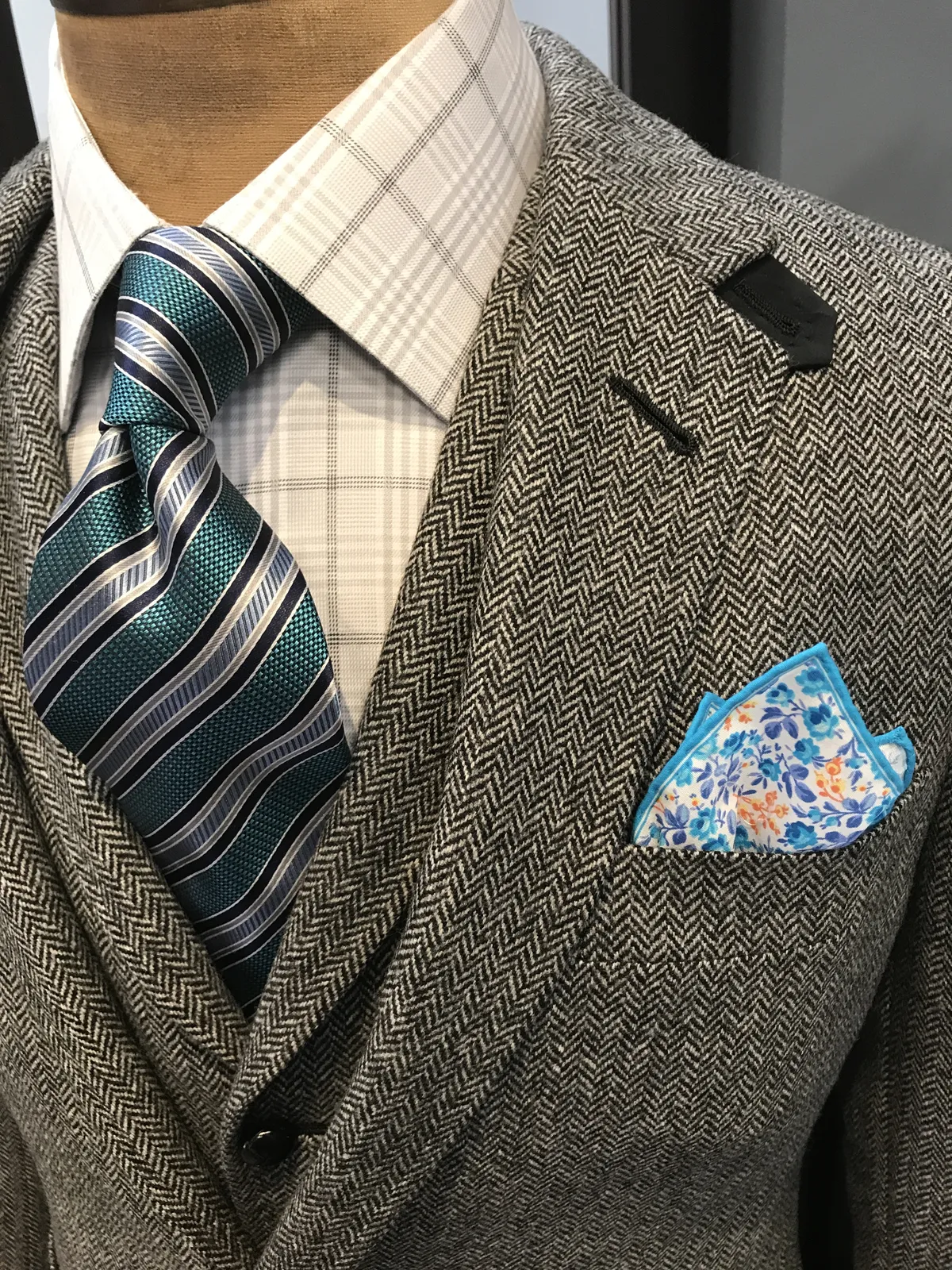
Herringbone adds visual texture without adding pattern commitment. The zigzag weave catches winter light differently than a plain twill, giving depth to what reads as a solid from across the room. In charcoal or olive, a herringbone jacket is the most versatile winter piece a man can own.
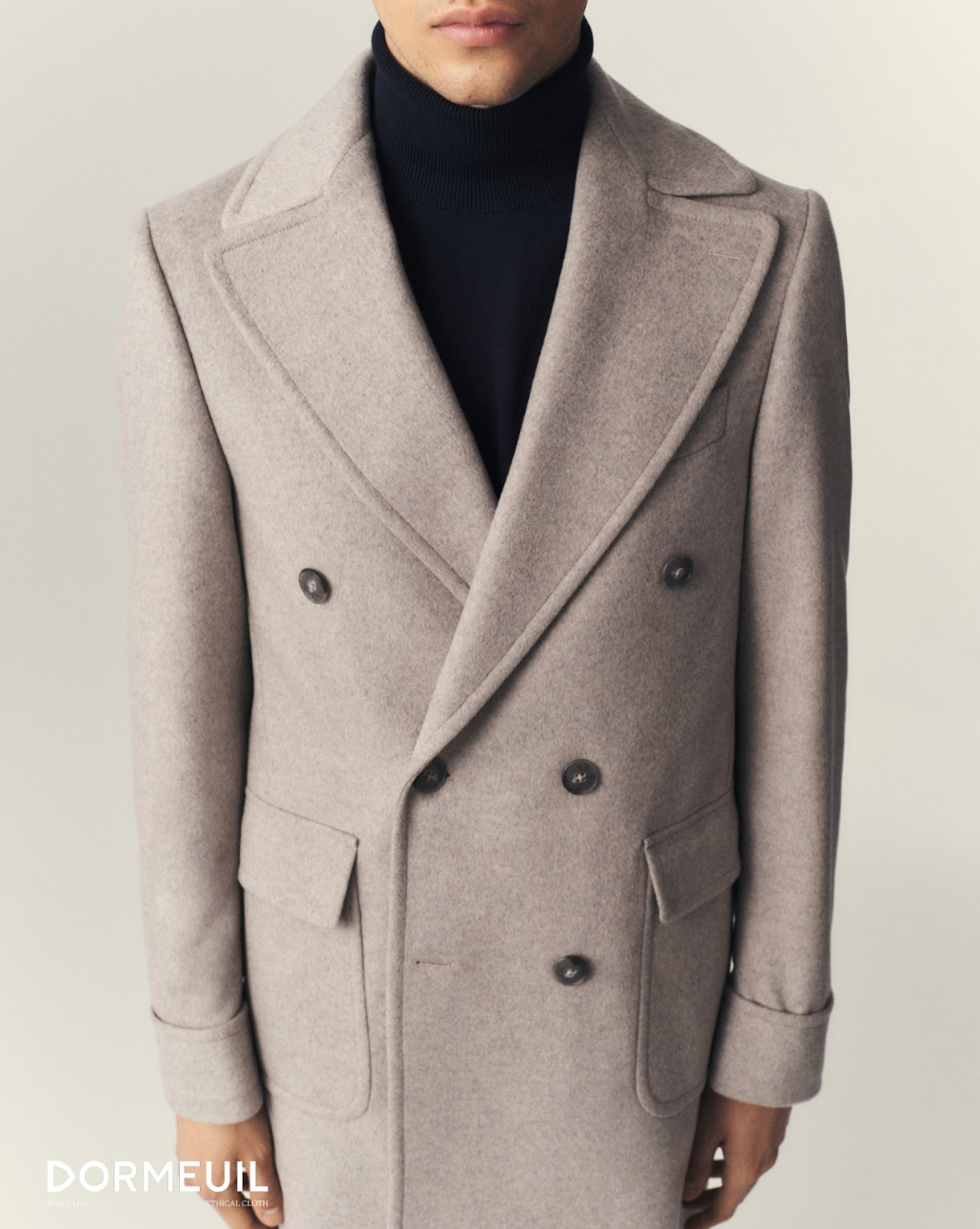
Tweed is the statement fabric of winter. The Dormeuil overcoat collection shows how far heavy winter cloth has come in the last few seasons. Donegal tweed with its flecked texture, or a Harris-style tweed in earth tones, announces the season with confidence. Tweed jackets are cut roomier by tradition, which is practical in a fabric designed to be worn over a sweater.
Heavy twill and cavalry weaves sit between flannel and tweed in formality. These are structured fabrics that hold a clean line, which makes them the right choice for winter business casual. A navy cavalry twill jacket with grey flannel trousers is one of the best winter combinations in menswear.
The Winter Layering System
Winter style is a layering system, not a single garment. Here is how the layers stack:
Base layer. A long-sleeve cotton or merino crew neck. In winter, this layer replaces the dress shirt for casual settings, or sits under it for formal ones. A merino base under an oxford shirt adds warmth without bulk.
Mid layer. This is where knitwear earns its place. A merino or cashmere crew neck over the shirt, in a color that complements the jacket, creates the visual interest that winter outfits need. The mid layer should fit close enough to avoid bunching under the jacket but loose enough to remove indoors.
Jacket layer. The winter jacket should be cut with enough room to accommodate the layers beneath it. This is a key reason to have a winter jacket made for the purpose rather than squeezing a knit under a slim-cut summer jacket. A Bespoke By CB winter jacket is drafted with your layering habits in mind.
Optional overcoat. When the temperature drops further, the overcoat goes over everything. A knee-length wool overcoat in camel, charcoal, or navy completes the winter uniform.
Winter Color Palettes
Winter colors are deeper and richer than the rest of the year. The palette shifts from brights and pastels toward:
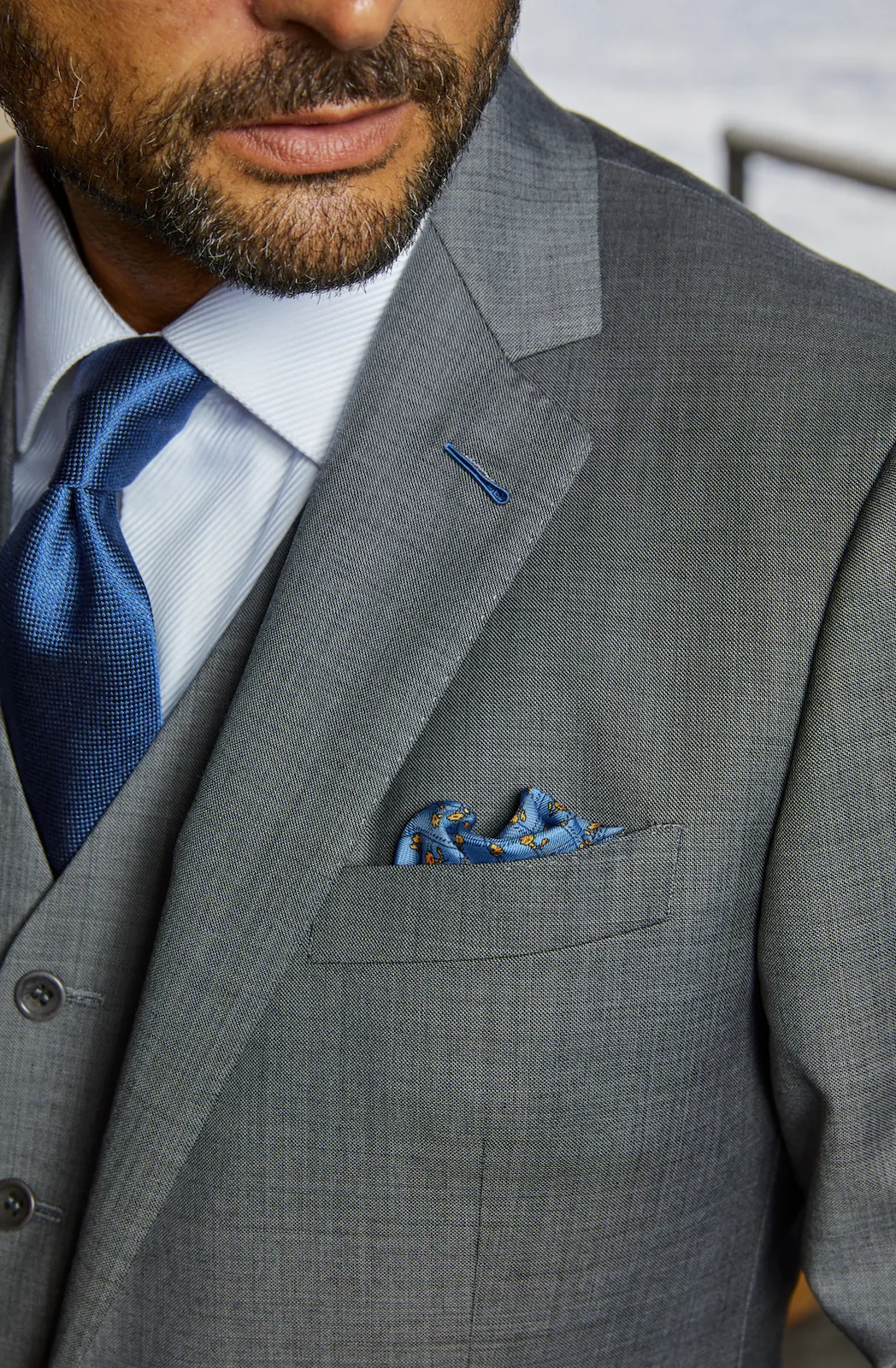
- Charcoal and grey, the winter neutral. A charcoal flannel jacket works with every trouser color you own.
- Deep green, forest and olive tones read winter like no other color family.
- Burgundy and rust, warm tones that complement the season without screaming holiday.
- Navy, darker and heavier than summer navy. A winter navy flannel is a different animal from a summer hopsack.
- Brown, chocolate and chestnut tones that pair with the earth colors of the season.
The winter rule of thumb: your jacket should be darker and richer than your trousers. Grey jacket over charcoal trousers reads intentional. Charcoal jacket over grey trousers also works. Both in the same shade looks like a suit that shrank in the wash.
Three Complete Winter Outfits
The Business Casual Winter Look
Charcoal flannel jacket, white oxford shirt, merino crew neck in medium grey or navy, wool trousers in a lighter grey, and dark leather boots. This is the winter version of the navy blazer and grey trousers formula. The flannel texture and the knitwear layer say winter without saying costume.
The Smart Casual Winter Look
Olive or brown Donegal tweed jacket, cream or ecru turtleneck, dark jeans or corduroy trousers, and suede chukka boots. The turtleneck replaces both shirt and tie, which simplifies the outfit while raising its style quotient. This is the look that works from a Saturday lunch to an evening event.
The Formal Winter Look
Navy or charcoal winter-weight suit in flannel or heavy twill, white shirt, burgundy or forest green tie, wool overcoat in camel or grey. The winter suit is cut slightly roomier than its summer counterpart to accommodate the season. This is where bespoke earns its cost: the winter suit fits over your layers without pulling at the button.
What a Custom Winter Jacket Gets You
Off the rack winter jackets share one flaw: they are cut for an average body that does not exist. When the cloth gets heavier, the fit problems get louder. Shoulders that are slightly wide in a 9 ounce hopsack become obvious in a 14 ounce flannel. A chest cut close in summer pulls across the back the moment a merino crew goes underneath. Winter is the season where made-to-measure tailoring stops being a luxury and starts being the difference between a jacket you wear and a jacket you fight.
A custom winter jacket from Bespoke By CB starts with your measurements and your layering habits, in that order. During the consultation we ask a practical question most shops never raise: what will you wear under this jacket? A client who lives in turtlenecks needs more chest and armhole room than a client who sticks to dress shirts. A client who runs cold and wears a base layer needs a different balance again. Your pattern is drafted around those answers, so the jacket fits over your real winter uniform instead of a showroom ideal.
Fabric selection is the second half of the value. Our cloth books carry winter weights from mills like Dormeuil, whose brushed flannels and double-faced wools give you the density winter demands without the bulk you expect. We guide you through flannel, tweed, herringbone, and heavy twill options with the garment's purpose in mind: a jacket for Miami's 65 degree evenings needs less insulation than one for New York in January, and one cloth will not serve both well.
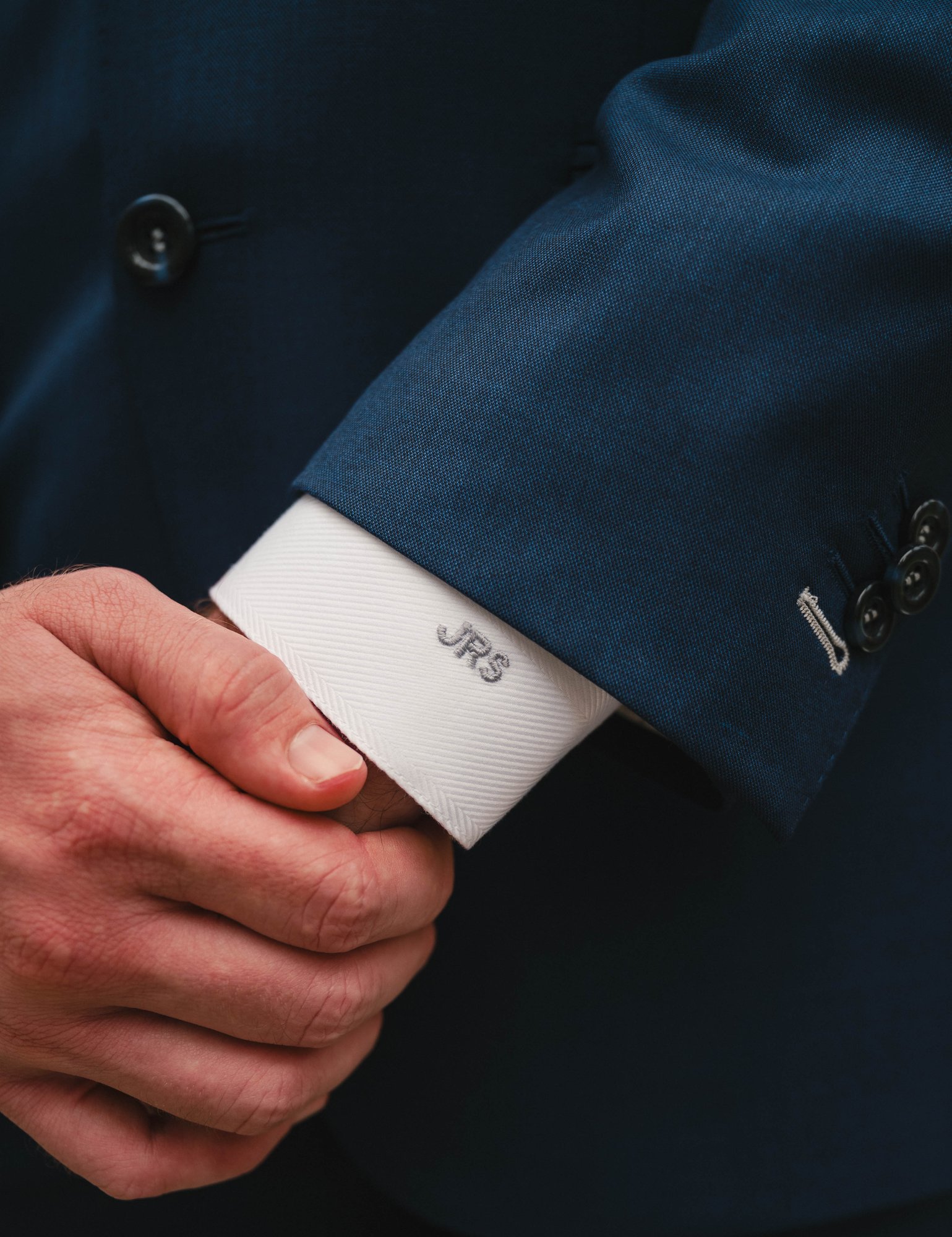
The details do the rest. Functional surgeon's cuffs sized to fit over a watch, pockets deep enough for gloves, a lining that slides over knitwear instead of snagging it, and a collar that actually closes against the wind. These are small choices individually, and together they are the reason a custom winter jacket outperforms anything pulled from a rack.
Winter Jacket Care and Storage
Heavy fabrics reward heavier care habits. A winter jacket worn regularly should rest on a proper hanger for a full day between wears, so the cloth can shed wrinkles and moisture. Brush it after each wear with a garment brush, working with the nap of the fabric. Flannel and tweed hold lint and dust more than smooth worsteds, and brushing takes thirty seconds.
Dry clean sparingly, once or twice per season at most. The solvents strip the natural oils that give winter cloth its softness and water resistance. Spot clean when you can, and let the dry cleaner handle the full job only when brushing and airing stop working. Between seasons, store the jacket breathable: a garment bag, not plastic, and cedar blocks nearby for moths, which prefer wool over everything else in your closet.
Accessory Adjustments for Winter
Scarves replace pocket squares in the layering hierarchy. A wool or cashmere scarf in a solid or subtle pattern adds warmth and color at the point where the eye naturally lands.
Leather gloves in dark brown or black complete the overcoat. Skip anything sporty. The gloves should be as tailored as the coat.
Boots replace loafers in most winter settings. A chukka boot under flannel trousers or a dress boot under a suit keeps the outfit grounded in the season.
Felt hats are optional, but a proper felt fedora or flat cap in a complementing color is the winter accessory that separates the dressed from the well-dressed.
Miami's Winter and Everyone Else's
South Florida winter is a different conversation. Our winter is the two weeks in January when the temperature drops into the 50s, and the rest of the season sits at a comfortable 65 to 75. For Miami clients, the winter wardrobe is a small capsule: one flannel jacket, one heavier knit, one pair of wool trousers. That is enough to handle our version of the season.
For clients who travel north, the winter wardrobe needs to be complete. This is where the Bespoke By CB travel wardrobe conversation matters. We build winter garments for the climate you are traveling to, not the climate you are leaving from. If you are rebuilding a cold-weather rotation from scratch, our guides on layering for Miami winters and sport jacket winter styling go deeper on each piece.
Frequently Asked Questions
Can I wear a summer jacket in winter?
You can, but it reads out of season. A lightweight hopsack jacket in November looks like you forgot to check the calendar. If you only own one jacket, choose a mid-weight flannel in a neutral color. It reads slightly warm in summer and slightly light in winter, which is a better compromise than the reverse.
How much room should a winter jacket have for layers?
Enough to close the button comfortably over a shirt and a fine-gauge merino crew neck without pulling at the waist. If you plan to wear a chunky sweater under the jacket, the jacket needs to be cut for it from the start.
What is the warmest jacket fabric?
Tweed and heavy flannel are the warmest common jacketing fabrics. For extreme cold, some mills offer brushed flannels and double-faced wools that function closer to outerwear than tailoring.
Can I wear a turtleneck under any winter jacket?
Not quite. A fine-gauge merino turtleneck fits under almost any jacket, but a chunky cable-knit needs a jacket drafted with the extra room. If turtlenecks are your winter base, say so at your fitting. At Bespoke By CB we take a second set of measurements over your typical mid layer so the finished jacket closes cleanly over exactly what you wear.
How do I keep a flannel or tweed jacket looking new?
Brush it after each wear and give it a day of rest between rotations. Dry clean at most once or twice per season, spot cleaning in between, and store it in a breathable garment bag with cedar nearby. Heavy winter cloth is durable, but it rewards the same steady care the rest of your wardrobe gets.
Do I need a different jacket for winter if I live in a warm climate?
If you live in Miami and never leave, probably not. If you travel north during the winter months, one properly weighted jacket solves the problem without requiring a full wardrobe change.
Ready to build your winter jacket rotation? Book a consultation at Bespoke By CB and we will walk you through the flannels, tweeds, and herringbones that fit your climate and your calendar.